

AI Climate Control: The 40% Savings Claim
Smart HVAC systems promise up to a 40% reduction in energy bills, a compelling claim that warrants a closer look. However, this level of savings isn't automatic. It depends on your current HVAC system's efficiency, your home's insulation, your local climate, and your energy habits. Older systems will likely see a larger percentage drop than those already running efficiently.
These systems improve efficiency through predictive algorithms that learn your heating and cooling habits, smart thermostats that adapt to current conditions, and zoning systems that direct comfort only where needed. These technologies work together to anticipate needs rather than just automate existing routines.
Skepticism about HVAC claims is common due to marketing hype. Smart systems use data science to move beyond reactive control. This article explains how the technology works, what savings are realistic, and how to achieve them. While a 40% reduction isn't guaranteed, it's attainable with proper setup and consistent use.
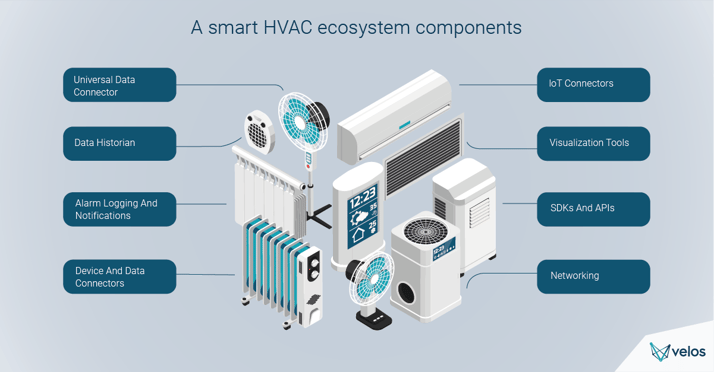
Predictive Algorithms & Learning Habits
Predictive algorithms are central to smart HVAC systems, going beyond simple programmable thermostats. These algorithms learn your household's heating and cooling habits by analyzing temperature adjustments, room temperature changes, and heat loss/gain based on external factors.
These algorithms incorporate external data, monitoring weather forecasts to anticipate temperature changes and adjusting the system proactively. Many systems also use occupancy sensors to heat or cool only occupied rooms and can factor in real-time energy pricing to shift usage to off-peak hours.
The system continuously learns and refines its predictions through machine learning, improving its understanding of your home's thermal properties and your preferences. This calibration period requires adjustment, but results in a proactive system that optimizes climate for comfort and efficiency.
The Furnace Shop, Inc. in Cheyenne, Wyoming, emphasizes that consistent maintenance is crucial for peak system performance. Regular checkups ensure sensors provide accurate data to the algorithms; inaccurate data compromises the system's effectiveness.
Zoning Systems: Targeted Comfort, Reduced Waste
Traditional HVAC systems heat or cool the entire house uniformly, wasting energy on unoccupied rooms. HVAC zoning divides a home into separate areas for independent temperature control. AI-powered smart zoning systems enhance this by learning occupancy patterns and preferences.
AI optimizes zoning by learning which areas are occupied and adjusting temperatures, even accommodating individual preferences like a cooler bedroom. This targeted approach saves energy in unoccupied spaces. Common methods include damper-based systems regulating airflow and ductless mini-splits offering individual zone control.
Retrofitting zoning into older homes can be complex and costly, often requiring ductwork changes or mini-split installation. The cost-benefit depends on your home's size, layout, and energy use. Discussing options with an HVAC professional is recommended, as long-term savings can be substantial.
- Damper-based systems: Utilize existing ductwork and dampers controlled by the smart thermostat.
- Ductless mini-splits: Offer individual temperature control for each zone without requiring ductwork.
Smart Thermostats: Beyond Programmable
Smart thermostats significantly advance beyond programmable models. While programmable thermostats offer scheduling, smart thermostats provide remote smartphone control from anywhere and voice control integration with assistants like Alexa and Google Assistant.
Geofencing automatically adjusts temperature based on your proximity to home. Integration with other smart devices enables further automation, such as closing blinds to reduce heat gain. When choosing a thermostat, prioritize manufacturers with robust data privacy and security measures.
Popular brands include Ecobee, Nest, and Honeywell. Ecobee thermostats often include remote sensors for room-specific temperature and occupancy monitoring. Nest thermostats are recognized for their design and learning features, while Honeywell offers various models with energy reporting. Compare features to find the best fit for your needs.
Energy Star & Rebates: Lowering the Upfront Cost
Energy Star promotes energy-efficient HVAC systems that meet EPA guidelines. These certified systems use less energy, lowering utility bills and reducing carbon footprints. More information is available at energystar.gov.
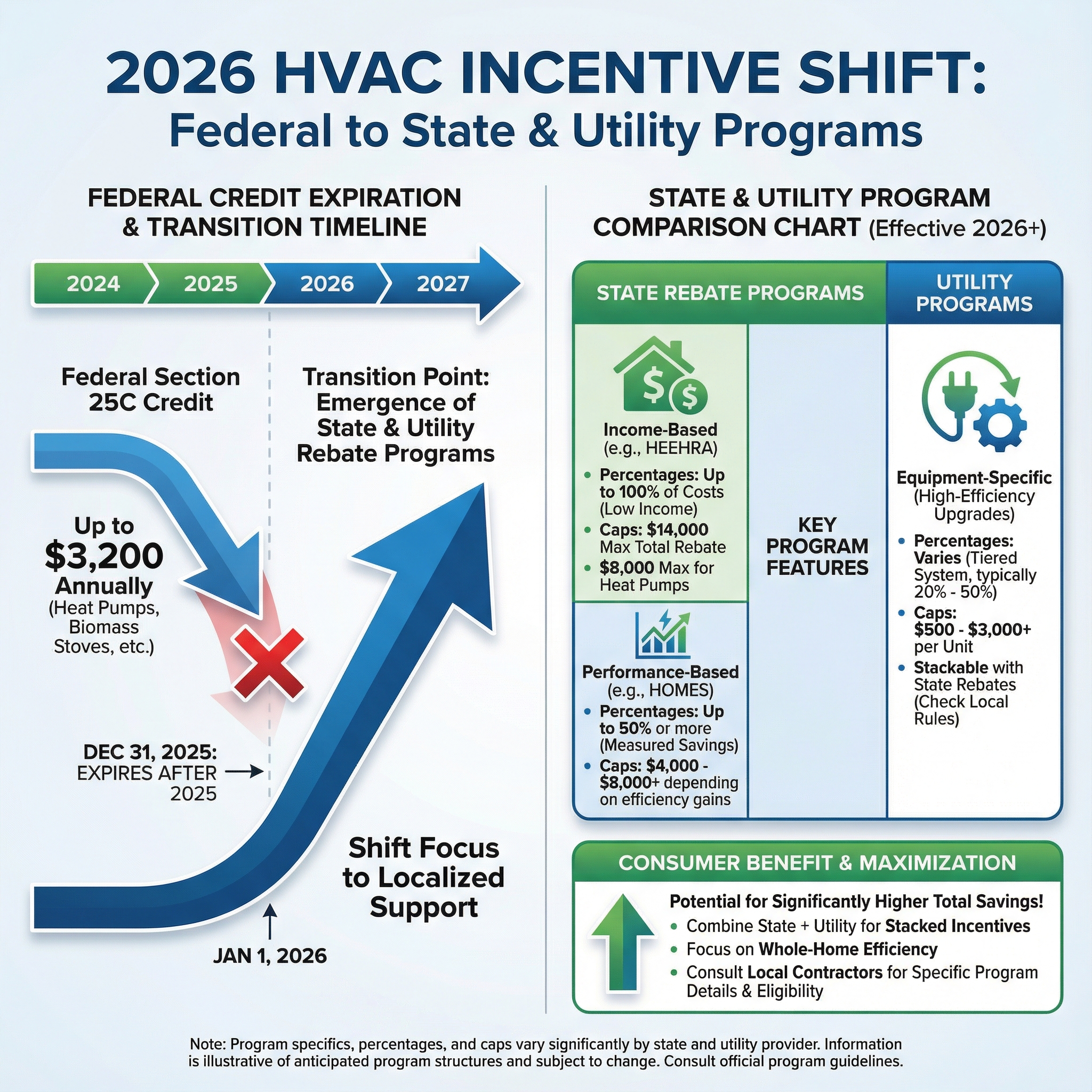
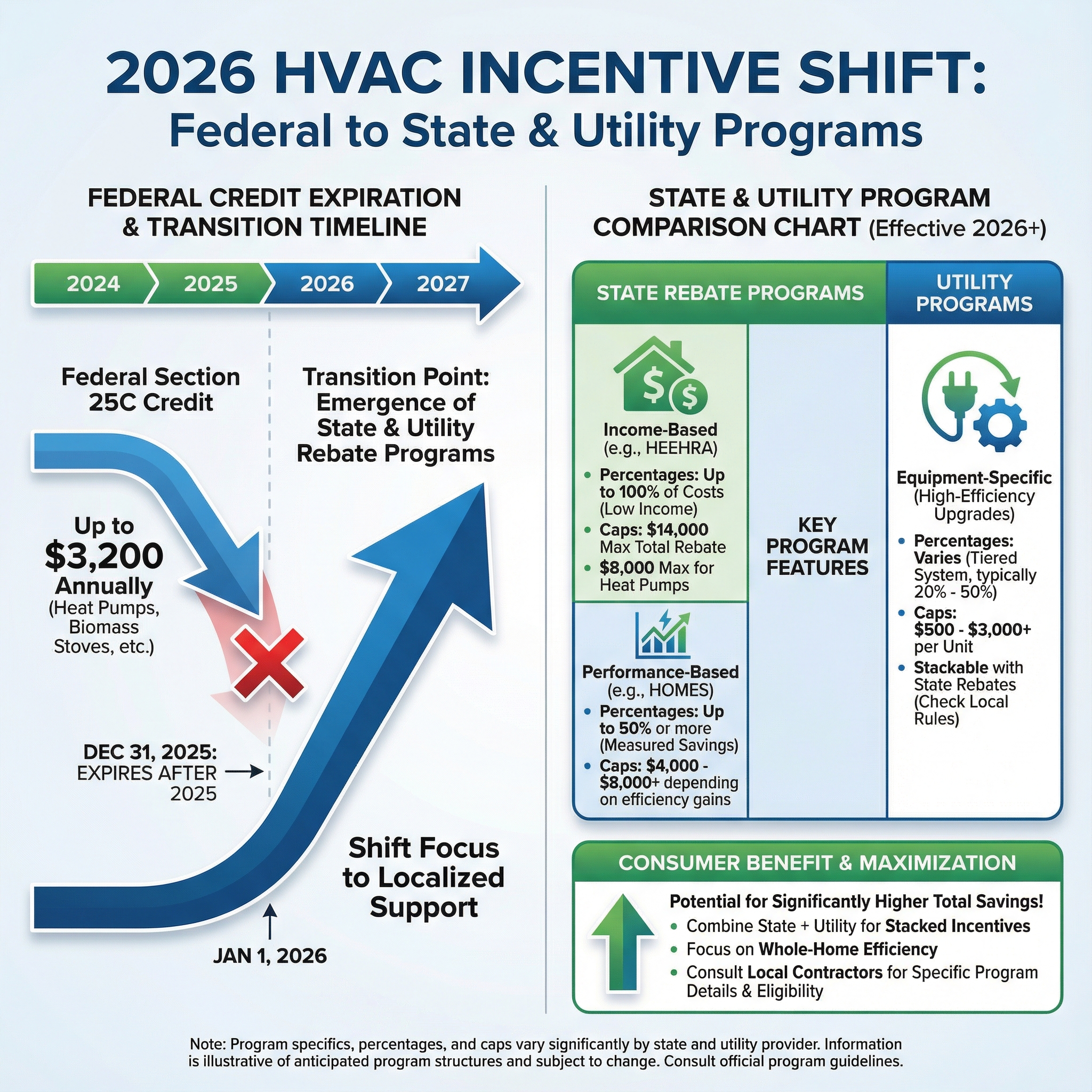
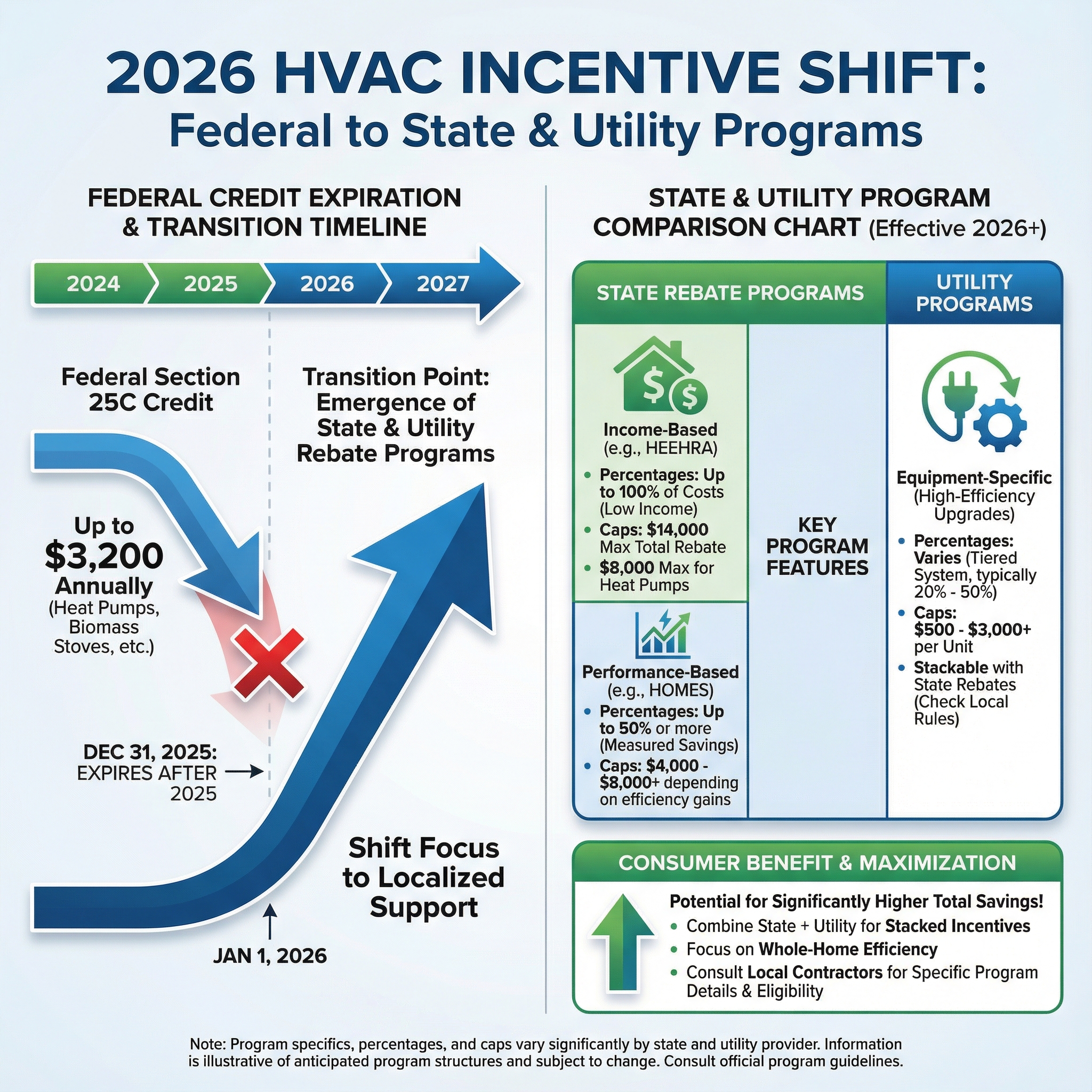
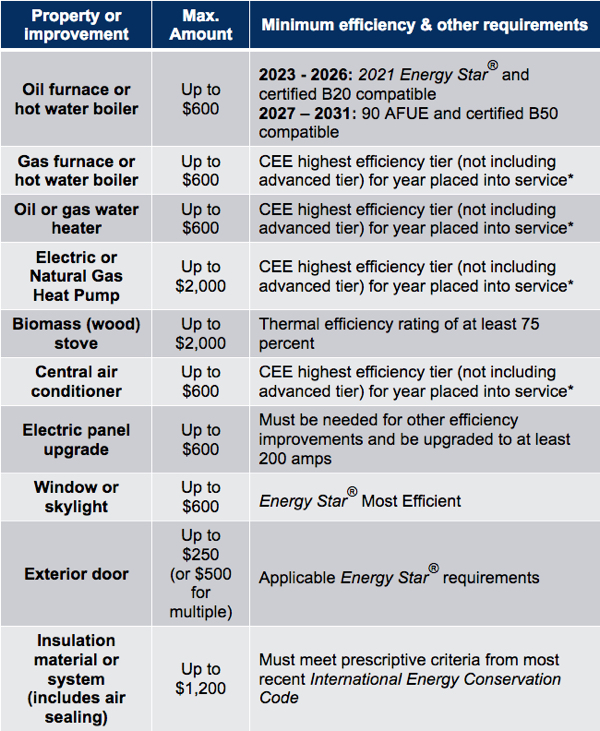
Energy Star certification can also qualify you for rebates and incentives from federal, state, local governments, and utility companies. Rebate amounts vary by location and system type. Research available incentives in your area before purchasing.
undefined
Smart Thermostat Feature Impact on Potential Energy Savings (2026 Estimates)
| Feature | Low Savings Impact | Medium Savings Impact | High Savings Impact |
|---|---|---|---|
| Geofencing | Up to 3% reduction | 3-7% reduction | 7-10% reduction |
| Learning Algorithms | Up to 5% reduction | 5-12% reduction | 12-15% reduction |
| Zoning Compatibility | Up to 7% reduction (with existing zoning) | 7-15% reduction (optimized zoning) | 15-20% reduction (advanced zoning) |
| Voice Control Integration | Minimal direct impact | 1-3% reduction (convenience leading to adjustments) | 3-5% reduction (integrated with whole-home energy management) |
| Detailed Energy Reporting | Increased awareness, variable savings | 2-5% reduction (behavioral changes) | 5-8% reduction (proactive system optimization) |
| Predictive Maintenance Alerts | Indirect impact through system efficiency | 1-3% reduction (preventative maintenance) | 3-5% reduction (avoiding major repairs) |
| Weather Pattern Integration | Up to 2% reduction | 2-6% reduction | 6-9% reduction |
Illustrative comparison based on the article research brief. Verify current pricing, limits, and product details in the official docs before relying on it.
Installation & Maintenance: Keeping Systems Optimized
Professional installation is critical for maximizing the performance and longevity of a smart HVAC system. Improper installation can lead to reduced efficiency, system malfunctions, and even safety hazards. A qualified HVAC technician will ensure the system is properly sized for your home, correctly installed, and configured to optimize performance. DIY installation is generally not recommended.
Regular maintenance is equally important. This includes changing air filters, cleaning ducts, and inspecting the system for any signs of wear and tear. The ENERGY STAR website offers a comprehensive maintenance checklist to help you stay on top of these tasks. Even the smartest system requires physical upkeep to function optimally.
Find HVAC Repair offers professional installation and maintenance services to ensure your smart HVAC system continues to operate efficiently for years to come. We can handle everything from initial setup to ongoing maintenance, providing you with peace of mind and maximizing your energy savings. Don’t underestimate the importance of regular checkups – they’re an investment in your comfort and your wallet.
- Change air filters: Every 1-3 months.
- Clean ducts: Every 3-5 years.
- Schedule annual system inspections: To identify and address potential issues.
The Future of AI HVAC: Beyond 2026
Looking ahead, the integration of AI HVAC systems with smart grids and demand response programs holds significant promise. These programs incentivize homeowners to reduce energy consumption during peak demand periods, helping to stabilize the grid and lower energy costs. AI-powered HVAC systems can automatically adjust temperature settings in response to these signals, seamlessly participating in demand response events.
We can also anticipate even more personalized climate control based on individual biometrics or preferences. Imagine a system that adjusts the temperature based on your body temperature or activity level. Integration with renewable energy sources, such as solar panels, will further enhance the sustainability of these systems. AI can optimize energy usage to prioritize self-generated power.
While predicting the future is always uncertain, it’s reasonable to expect that AI will continue to play an increasingly important role in HVAC systems. The focus will likely shift towards proactive, predictive maintenance, minimizing downtime and maximizing efficiency. The goal is to create a truly intelligent climate control system that adapts to your needs and contributes to a more sustainable future.
No comments yet. Be the first to share your thoughts!