

2026 HVAC tax credit changes
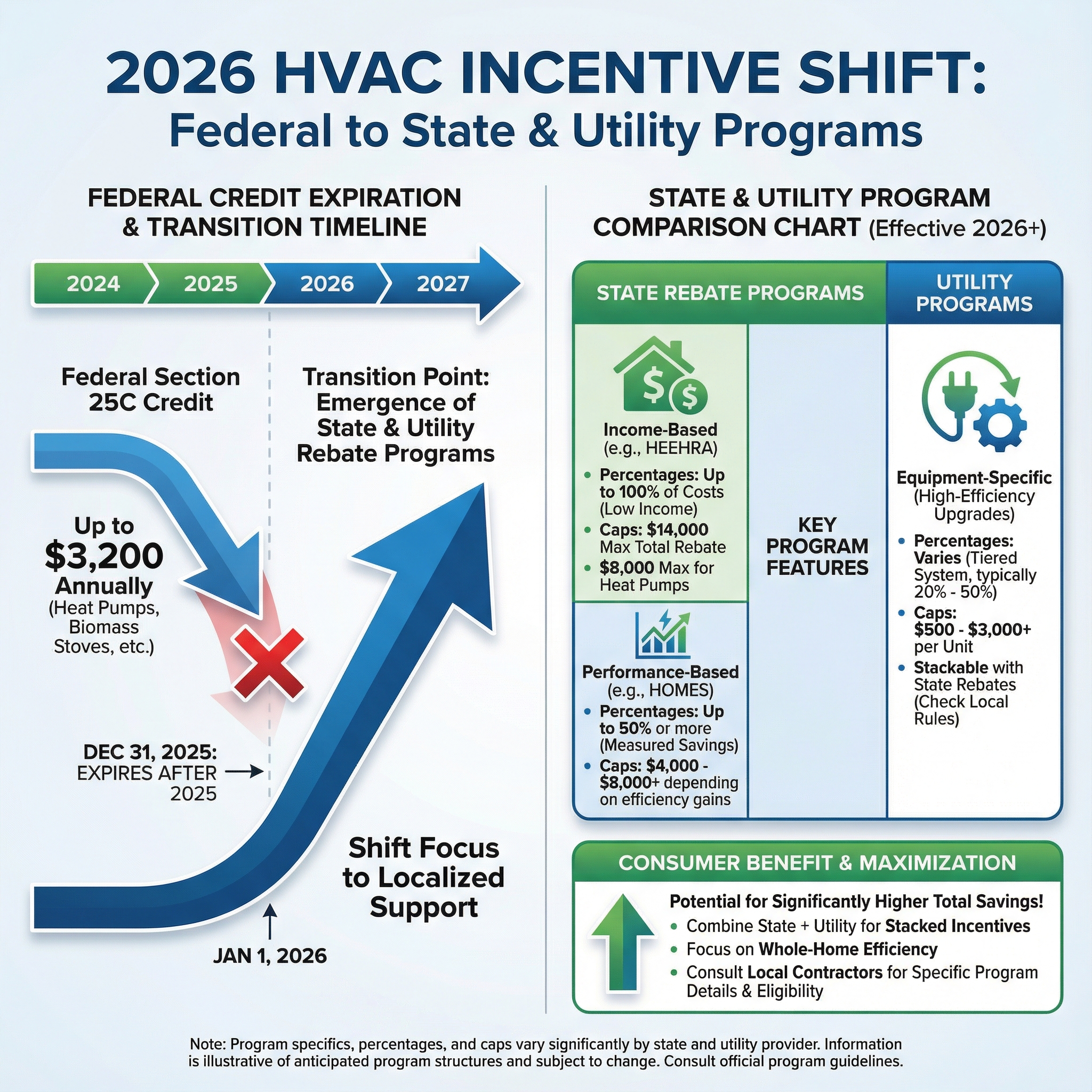
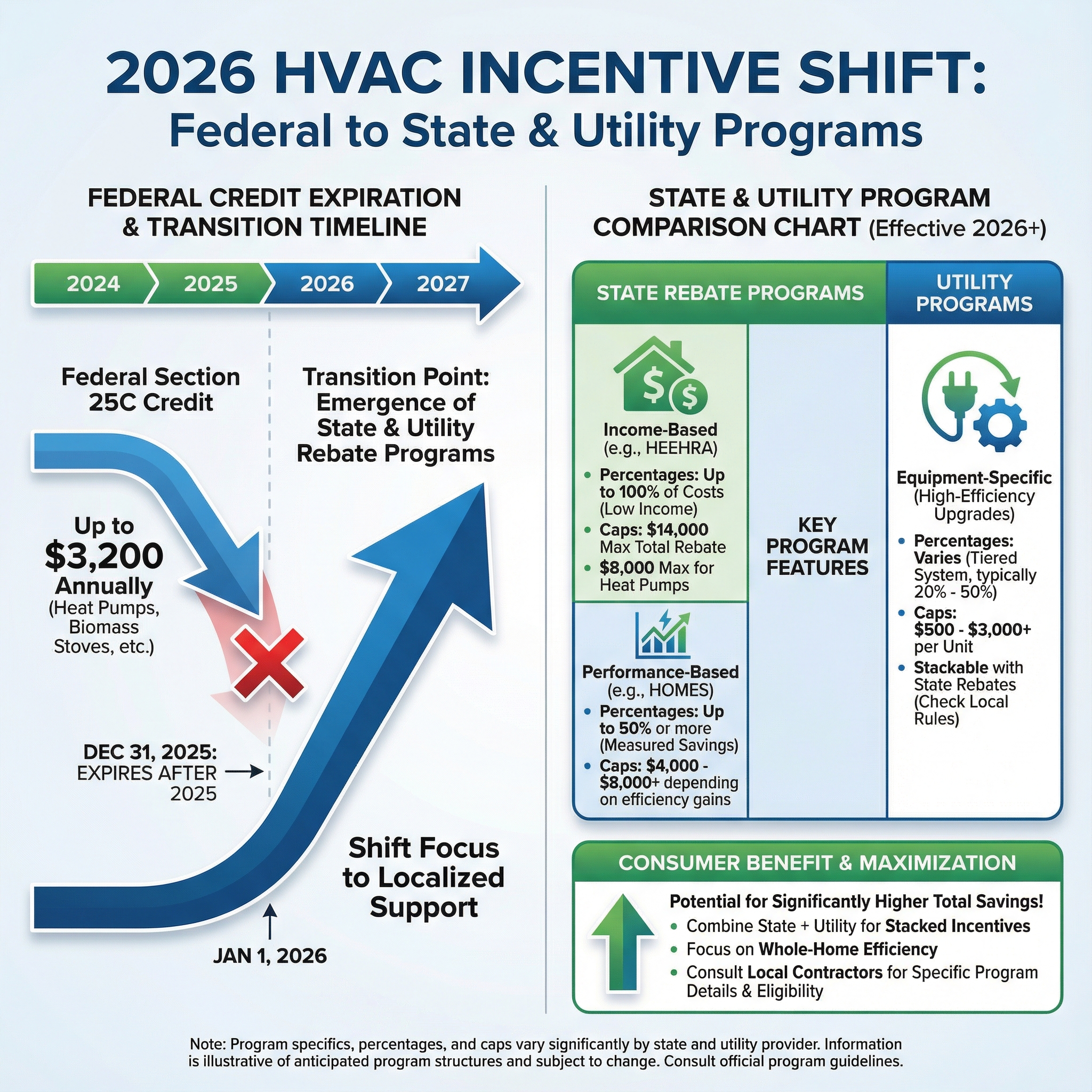
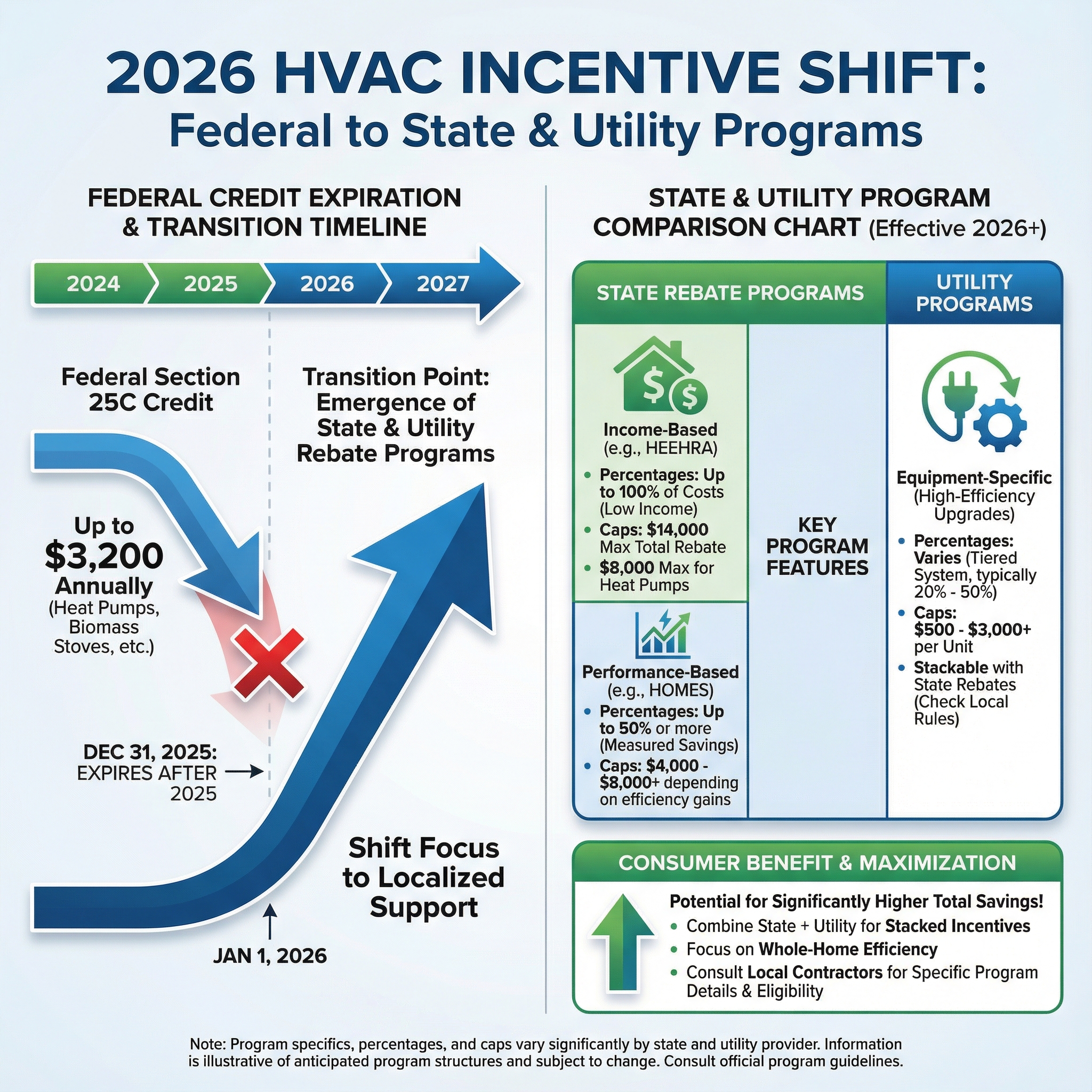
The Inflation Reduction Act changed how we get paid for home upgrades. By 2026, the old flat-rate credits are gone, replaced by a system that demands strict efficiency scores. If your new unit doesn't hit specific performance numbers, you won't see a dime from the IRS.
For years, homeowners have been able to deduct costs for certain energy-efficient upgrades, but the 2026 credits are different. They're tied directly to ENERGY STAR certification and specific performance benchmarks. The goal, as I see it, is to encourage the adoption of truly high-efficiency systems, not just any upgrade. This means paying close attention to product specifications and ensuring full compliance.
The changes outlined in Chapter 4 of the 2022 Building HVAC Requirements from energy.ca.gov highlight this focus on system performance. It’s not enough to simply replace an old unit with a new one; the new unit must demonstrably improve efficiency. This will require more planning and research when it comes time to make a purchase, but the potential savings are substantial.
These incentives aren’t just about individual homeowners either. They’re designed to stimulate the entire HVAC industry, pushing manufacturers to innovate and develop more efficient products. This is a long-term play, aiming for a more sustainable and energy-conscious future for heating and cooling. It’s a complex system, but the fundamental idea is simple: reward efficiency.
Energy star requirements for 2026
ENERGY STAR certification is absolutely central to unlocking the 2026 HVAC tax credits. Without it, you simply won't qualify, no matter how efficient you think your new system is. The ENERGY STAR program, as detailed on energystar.gov, sets rigorous standards for energy performance, and these standards are the gatekeepers for the tax credits.
The specific requirements vary depending on the type of HVAC component. For central air conditioners, for example, you’ll need a unit with a Seasonal Energy Efficiency Ratio (SEER) of at least 15, and a Energy Efficiency Ratio (EER) of 12.5. Furnaces must have an Annual Fuel Utilization Efficiency (AFUE) of 95% or higher to qualify. These aren’t arbitrary numbers; they represent a significant leap in efficiency compared to older models.
Heat pumps have their own set of criteria, focusing on both SEER and Heating Seasonal Performance Factor (HSPF). The qualification standards are continually updated, so it’s essential to check the latest ENERGY STAR guidelines before making a purchase. Don't assume a product was qualified last year; requirements change.
Even water heaters are included, with specific criteria for both electric and gas models. Electric heat pump water heaters generally qualify with a Uniform Energy Factor (UEF) of at least 3.75. Gas tankless water heaters need a UEF of 0.82 or higher. It's a lot to keep track of, but understanding these standards is the first step towards maximizing your savings.
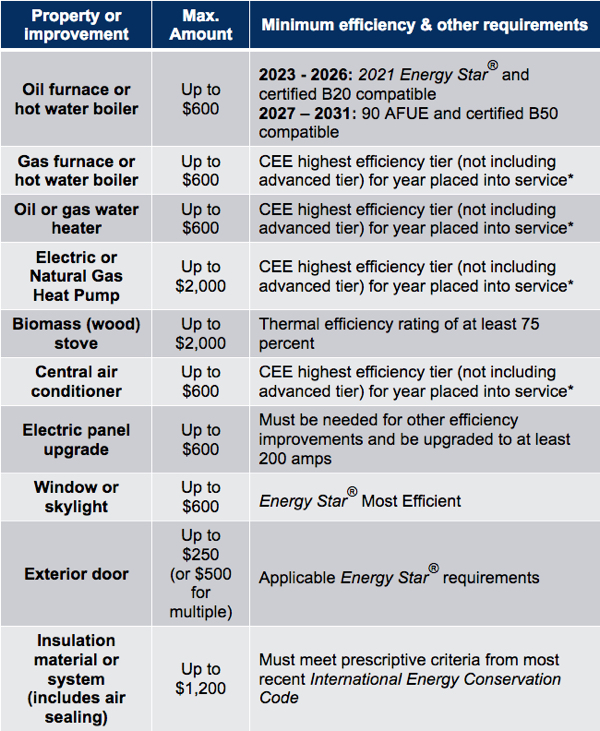
HVAC System Efficiency Requirements for Potential 2026 Tax Credits
| System Type | Minimum SEER/EER | Minimum HSPF | Minimum AFUE | Maximum Credit Amount |
|---|---|---|---|---|
| Central Air Conditioner | Qualifying SEER rating | N/A | N/A | Up to $1,200 |
| Air Source Heat Pump (Cooling Mode) | Qualifying SEER rating | N/A | N/A | Up to $1,200 |
| Air Source Heat Pump (Heating Mode) | N/A | 8.2 or greater | N/A | Up to $2,000 |
| Furnace (Gas) | N/A | N/A | 90% or greater | Up to $600 |
| Boiler (Gas) | N/A | N/A | 90% or greater | Up to $600 |
| Heat Pump Water Heater | N/A | N/A | N/A | Up to $2,000 |
| Biomass Stove/Fireplace | N/A | N/A | 75% or greater | Up to $2,000 |
Illustrative comparison based on the article research brief. Verify current pricing, limits, and product details in the official docs before relying on it.
How much you can claim
Let's talk numbers. The 2026 tax credits offer some substantial savings, but the amount you receive depends on the type of HVAC upgrade you make. Heat pumps are currently eligible for the largest credit, up to $2,000. This is a significant incentive, designed to encourage homeowners to switch to this highly efficient technology.
Air conditioners and furnaces each have a maximum credit of $600. While lower than the heat pump credit, it's still a worthwhile benefit. Water heaters can also qualify for up to $600, but this is dependent on meeting the ENERGY STAR requirements discussed earlier. These amounts are not set in stone and could be subject to change, but this is the current understanding.
It's important to note that these are tax credits, not deductions. A tax credit directly reduces the amount of tax you owe, dollar for dollar. This makes them far more valuable than a tax deduction, which only reduces your taxable income. However, there are limits to how much you can claim.
The total credit you can receive for all energy efficiency upgrades is capped at $1,200 per year. This means if you upgrade your HVAC system and your water heater, you might not receive the full credit amount for both. Careful planning is key to maximizing your benefit. Keep meticulous records of all purchases and installation costs.
The $2,000 heat pump incentive
Heat pumps really stand out when it comes to these tax credits. They offer the highest potential savings, with a maximum credit of $2,000. This is because heat pumps are incredibly efficient, providing both heating and cooling using electricity. They don't rely on burning fossil fuels, making them a more environmentally friendly option.
Unlike traditional furnaces that generate heat, heat pumps transfer heat. In the winter, they extract heat from the outside air (even in cold temperatures) and pump it inside. In the summer, they reverse the process, removing heat from your home and releasing it outside. This makes them significantly more efficient than traditional systems.
To qualify for the full $2,000 credit, the heat pump must meet specific ENERGY STAR requirements, including a SEER of at least 15 and an HSPF of at least 8.2. It’s also important to note that the system must be installed correctly to ensure optimal performance and qualify for the credit. Don’t skimp on installation.
Many homeowners are hesitant about switching to heat pumps due to concerns about their performance in cold climates. However, modern heat pump technology has come a long way, and many models are now capable of providing efficient heating even in very cold temperatures. The upfront cost can be higher, but the long-term savings and tax credit can offset that difference.
Income Limits & Eligibility
You might not qualify if you earn too much. The IRS caps these credits based on your Modified Adjusted Gross Income (MAGI). For 2026, the limits are $150,000 for single filers and $300,000 for married couples filing jointly.
These limits are subject to change, so it's crucial to verify the current requirements with the IRS. It’s also important to understand that these are household income limits, meaning they apply to the combined income of all individuals living in the home. This can be a point of confusion for some.
Generally, homeowners are eligible for the credits, but landlords can also qualify in certain circumstances. If you rent out a property, you may be eligible for the credits if you make energy-efficient upgrades to that property. However, the rules for landlords are more complex, so it’s best to consult a tax professional.
The credits are designed to benefit a wide range of homeowners, but the income limits are in place to ensure that the benefits are targeted towards those who need them most. It’s a balancing act between incentivizing energy efficiency and ensuring fairness.
Beyond the Credit: Long-Term Savings
The tax credit is a fantastic benefit, but it's just the beginning of the savings. Upgrading to an energy-efficient HVAC system can significantly reduce your monthly energy bills. A more efficient system uses less energy to heat and cool your home, which translates into lower utility costs.
The amount of savings will vary depending on your location, the size of your home, and your energy usage habits. However, many homeowners report seeing a noticeable reduction in their energy bills after upgrading their HVAC system. Over time, these savings can add up to a substantial amount of money.
Consider the lifespan of a new HVAC system – typically 15-20 years. Over that period, the cumulative savings from lower energy bills can easily exceed the initial cost of the upgrade, even without factoring in the tax credit. This makes it a smart financial investment, not just an environmental one.
Beyond the financial benefits, a more efficient HVAC system can also improve your home’s comfort and air quality. Newer systems often include features like variable-speed blowers and advanced filtration, which can enhance indoor comfort and reduce allergens.
Paperwork you need to keep
To claim the tax credit, you’ll need to keep detailed records of all your purchases and installation costs. This includes the original receipts for the HVAC equipment and the labor costs associated with the installation. Don’t lose these!
You’ll also need to retain the ENERGY STAR labels for the equipment. These labels verify that the system meets the necessary energy efficiency standards and are essential for substantiating your claim. Take a photo of the label if you're worried about losing the physical one.
A statement from your HVAC contractor is also helpful. This statement should include the model number of the equipment, the date of installation, and a certification that the installation meets all applicable energy efficiency standards. This provides an extra layer of verification.
Finally, you’ll need to complete the appropriate IRS form when you file your taxes. The specific form will depend on the type of credit you're claiming, so be sure to consult the IRS instructions or a tax professional for guidance.
Choosing an HVAC Installer
- License & Insurance - Verify the contractor holds a current license to operate in your state and carries both liability and worker’s compensation insurance.
- ENERGY STAR Experience - Inquire about the installer’s experience with ENERGY STAR certified HVAC equipment, as these systems are often eligible for higher tax credit amounts.
- References - Request and check references from previous customers to assess the quality of their work and customer service.
- Detailed, Written Quotes - Obtain multiple written quotes outlining the scope of work, equipment specifications, and total project cost.
- Warranty Information - Understand the warranty coverage offered on both the equipment and the installation labor. Review the terms carefully.
- Load Calculation - Ensure the contractor performs a Manual J load calculation to properly size the new HVAC system for your home’s specific needs.
- Rebates & Incentives Knowledge - Confirm the installer is knowledgeable about current federal, state, and local rebates and incentives available in addition to the federal tax credits.
No comments yet. Be the first to share your thoughts!