

New tax credits arriving in 2026
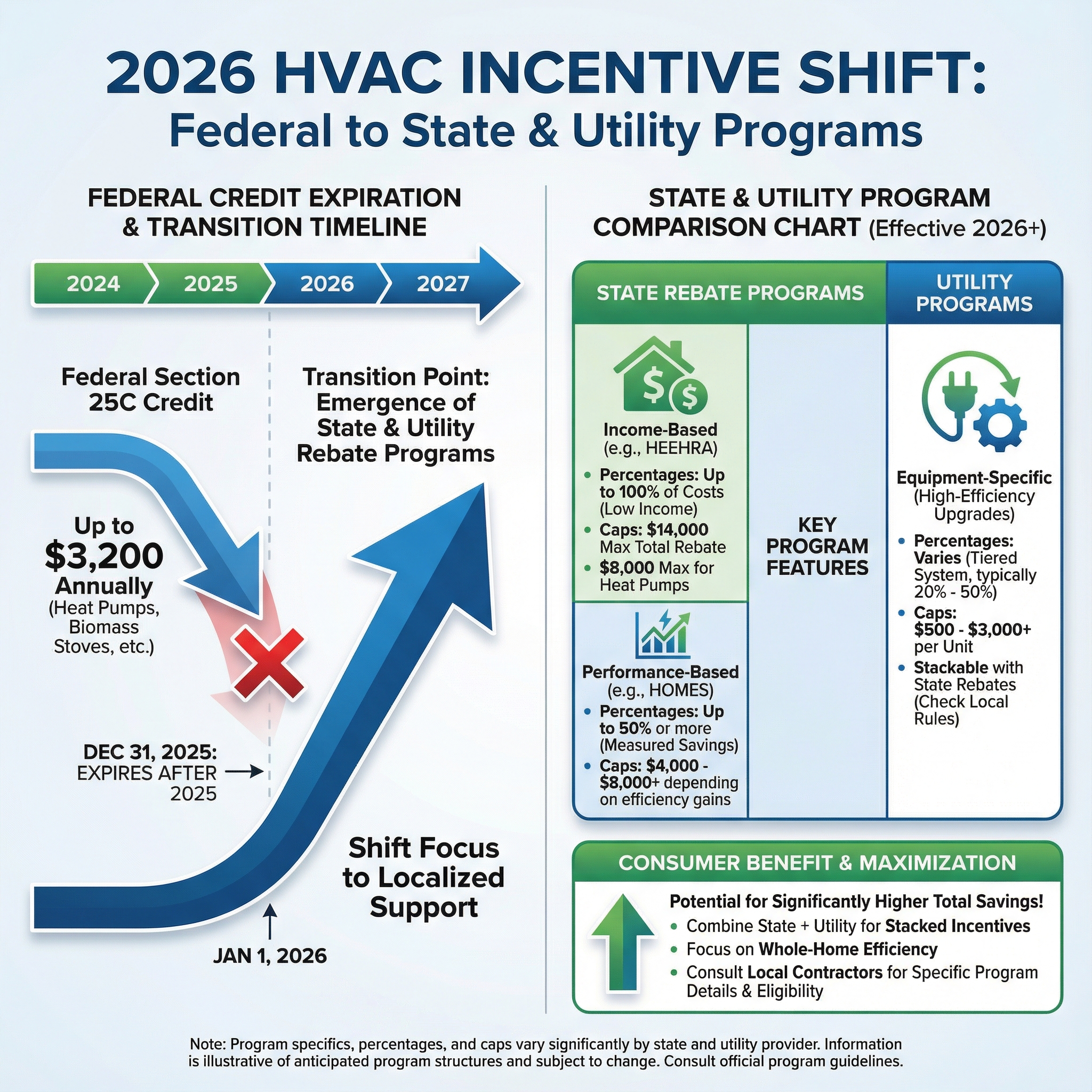
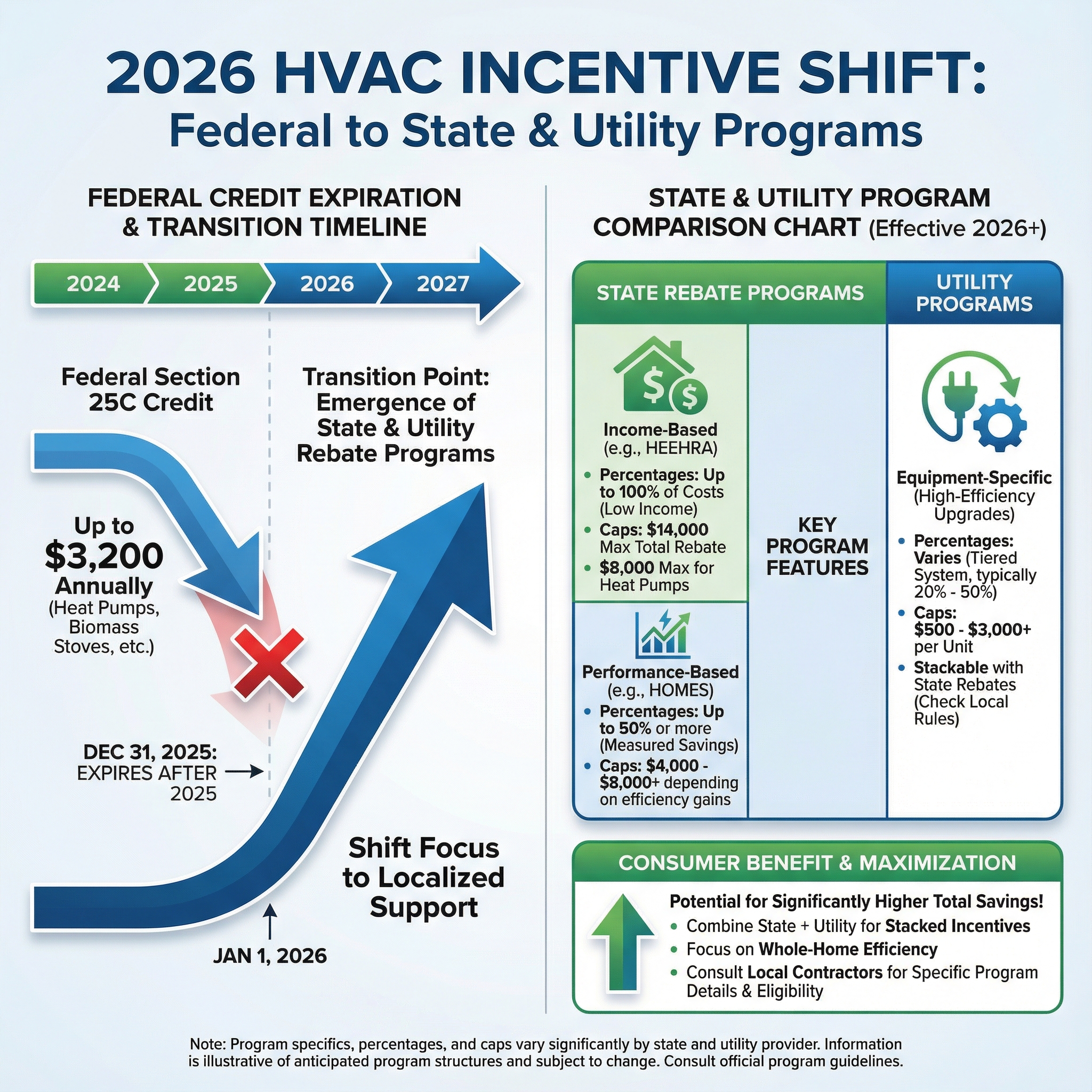
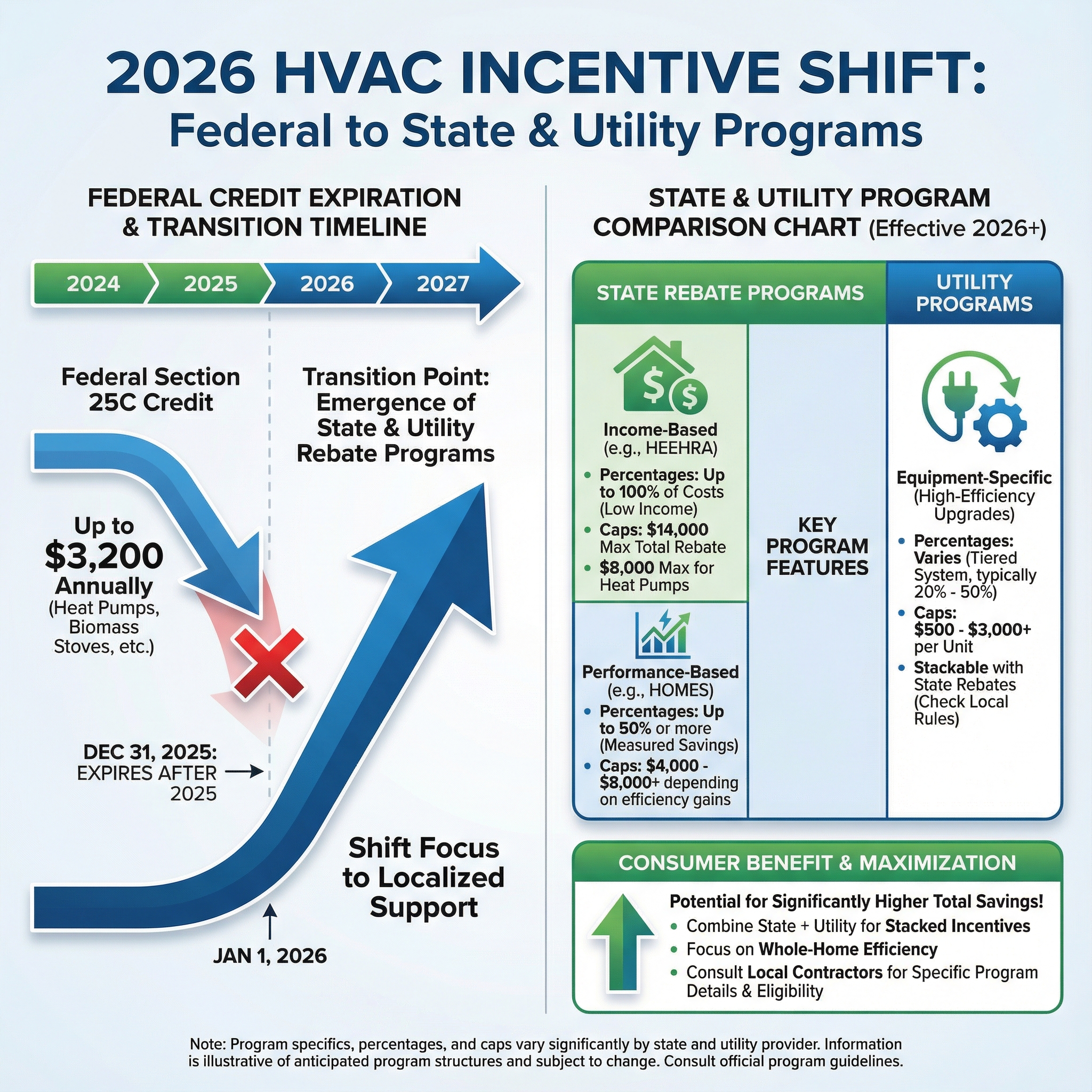
If you're planning an HVAC upgrade, the rules are about to change. The Inflation Reduction Act's most significant shifts for homeowners don't kick in until 2026. We're moving away from credits based on what you paid and toward incentives tied to how much energy the system actually saves.
Currently, tax credits offer a fixed percentage of the cost of new, energy-efficient equipment. Beginning in 2026, the focus changes. The new system will reward homeowners for installing systems that demonstrably reduce energy consumption, potentially leading to much larger savings for those who choose the most efficient options. This is a big change in how the federal government is encouraging energy conservation.
The potential savings are considerable – we’re talking about thousands of dollars for some homeowners. However, it’s important to understand that the 2026 implementation date is firm. Planning an HVAC installation now means either taking advantage of the current credits or strategically waiting to maximize benefits under the new system. This will impact not just homeowners, but the entire HVAC industry, pushing manufacturers and installers to prioritize high-performance systems.
For many, upgrading their heating and cooling systems represents a substantial investment. These tax credits aim to make those investments more accessible. Understanding the details now will allow homeowners to make informed decisions and plan accordingly. It’s a good time to start researching your options and consulting with qualified HVAC professionals.
The 25C credit rules
The cornerstone of these HVAC tax credits is Section 25C of the Internal Revenue Code, which provides incentives for energy-efficient home improvements. Currently, the 25C credit allows homeowners to claim a credit for 30% of certain qualified expenses, up to a maximum of $1,200 for eligible improvements. This includes things like high-efficiency furnaces, air conditioners, and heat pumps. There’s also a separate, smaller credit for home energy audits.
What qualifies as "high-efficiency" today is based on specific Energy Star standards. For example, a qualifying air conditioner typically needs a Seasonal Energy Efficiency Ratio (SEER) of at least 15, and a furnace must have an Annual Fuel Utilization Efficiency (AFUE) of 95% or higher. Heat pumps need to meet certain HSPF (Heating Seasonal Performance Factor) requirements as well. These numbers are important because they determine eligibility for the current credit.
However, 2026 brings a dramatic shift. The focus moves away from simply meeting Energy Star standards and towards achieving measurable energy savings. The new rules will require systems to meet or exceed specific performance benchmarks, verified through modeling or testing. This means simply buying an Energy Star-certified unit won’t automatically guarantee a tax credit; the system must demonstrate a reduction in your home’s energy usage.
The difference is substantial. The current credit is largely about what you buy. The future credit is about how much energy you save. This performance-based approach introduces complexity, as homeowners will need to work with installers who can accurately model energy savings and provide the necessary documentation. It also means the potential credit amount could be significantly higher for systems that deliver substantial energy reductions.
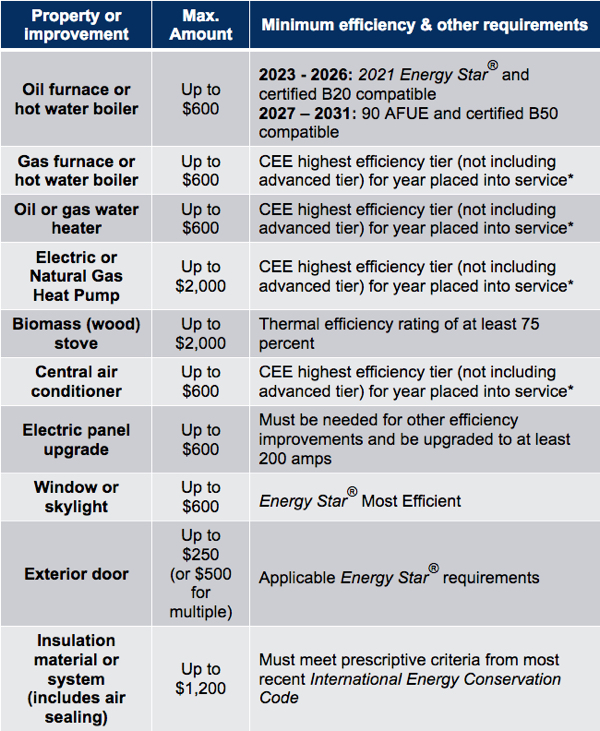
The IRS caps the 2026 credit at $2,000 for heat pumps and heat pump water heaters. Other upgrades have lower limits. You can find the full breakdown of these caps on the official IRS website.
- The current 25C credit covers 30% of expenses up to $1,200.
- 2026 25C Credit: Performance-based, with maximums of $2,000 for heat pumps and lower amounts for other upgrades.
- Key Change: From purchase price to demonstrated energy savings.
HVAC Energy Efficiency Tax Credit Requirements: 2024 vs. 2026
| System Type | Current Minimum Efficiency (2024) | 2026 Minimum Efficiency | Maximum Credit Amount (Current) | Maximum Credit Amount (2026) |
|---|---|---|---|---|
| Furnace | 80% AFUE | 90% AFUE or higher | $150 | Up to $600 |
| Air Conditioner (Central) | 13 SEER | 15 SEER | $150 | Up to $600 |
| Air Conditioner (Window Unit) | EER 10 | EER 12 | $50 | Up to $300 |
| Heat Pump (Heating) | 8.2 HSPF | 8.8 HSPF or higher | $150 | Up to $600 |
| Heat Pump (Cooling) | 13 SEER | 15 SEER | $150 | Up to $600 |
| Boiler | 80% AFUE | 90% AFUE or higher | $150 | Up to $600 |
| Water Heater | Energy Star Certified | Energy Star Certified | $300 | Up to $600 |
Illustrative comparison based on the article research brief. Verify current pricing, limits, and product details in the official docs before relying on it.
Heat pumps offer the largest savings
Heat pumps are poised to be the biggest beneficiaries of the 2026 HVAC tax credit changes. Unlike traditional furnaces and air conditioners that generate heat or cool air, heat pumps transfer heat, making them incredibly energy efficient. They work by moving heat from one place to another – extracting heat from the outside air even in cold temperatures and bringing it indoors.
This efficiency translates directly into energy savings, and the 2026 tax credits are designed to reward those savings. To qualify for the maximum $2,000 credit, heat pumps will need to meet stringent performance standards. These standards will be based on HSPF for heating and SEER for cooling, but the emphasis will be on overall energy reduction. The exact requirements are still being finalized by the Department of Energy, but they will likely be significantly higher than current Energy Star standards.
There are two main types of heat pumps: air-source and geothermal. Air-source heat pumps are the more common and affordable option, extracting heat from the outside air. Geothermal heat pumps, also known as ground-source heat pumps, tap into the stable temperature of the earth for even greater efficiency, but they have a higher upfront installation cost. Both types are eligible for the tax credit, but geothermal systems may qualify for larger incentives in some cases.
Let’s look at a real-world example. A homeowner who upgrades from an 80% efficient gas furnace to a high-efficiency heat pump could potentially save $500-$1,000 per year on their energy bills. With the $2,000 tax credit, the payback period for the upgrade could be significantly reduced. The exact savings will depend on factors like climate, home size, and energy usage habits.
- Air-source heat pumps are common and pull heat from the outside air.
- Geothermal heat pumps: More efficient, tap into the earth's temperature, higher upfront cost.
Other qualifying systems
While heat pumps are expected to see the largest benefits, other HVAC systems will also qualify for the 2026 tax credits. High-efficiency furnaces, for example, can still earn homeowners a credit, though likely less than the maximum $2,000 offered for heat pumps. To qualify, furnaces must achieve an AFUE of at least 95%, and the credit amount will be based on the demonstrated energy savings.
Similarly, high-efficiency air conditioners will be eligible, with qualifying units needing a SEER of at least 16 or 17, depending on the region. The credit will be tied to the reduction in cooling energy consumption. It's important to note that simply replacing an old air conditioner with a slightly more efficient model won’t necessarily qualify for a substantial credit; the new unit needs to represent a significant improvement.
Smart thermostats and ventilation systems are also potential candidates for the tax credit, though the requirements are still being developed. The focus will be on systems that actively manage energy usage and improve indoor air quality. Whole-house fans, for example, could qualify if they demonstrate a reduction in air conditioning usage.
Don’t overlook water heaters. While not strictly HVAC, energy-efficient water heaters are often part of a whole-home energy efficiency upgrade and can qualify for a separate tax credit. Heat pump water heaters are particularly attractive, as they can qualify for the maximum $2,000 credit.
Calculating your credit
Determining your potential tax credit requires a bit of calculation. It's not as simple as looking at the price tag of a new HVAC system. You’ll need to consider the system’s efficiency ratings, your home’s energy usage, and the specific requirements outlined by the IRS. The IRS provides resources and worksheets to help homeowners estimate their savings, but it can still be a complex process.
Let’s consider a few scenarios. Scenario 1: A homeowner installs a heat pump with an HSPF of 10 and a SEER of 18. Based on energy modeling, the system is projected to save 20% on heating and cooling costs. This homeowner could qualify for a tax credit of up to $2,000. Scenario 2: A homeowner replaces an 80% AFUE furnace with a 97% AFUE furnace, resulting in a 10% reduction in heating costs. This homeowner might qualify for a smaller credit, perhaps around $500-$1,000.
It’s important to remember that these are just estimates. The actual credit amount will depend on your individual circumstances and the specific documentation you provide. The IRS requires detailed information about the system’s performance and the energy savings it achieves. You’ll likely need to work with a qualified HVAC professional to gather this information.
The IRS provides worksheets and updated FAQs to help you estimate these savings before you buy.
Choosing an installer
Choosing the right HVAC installer is crucial for maximizing your tax credit benefits. Not all contractors are familiar with the new 2026 requirements, so it’s important to find one who is knowledgeable and experienced. Look for installers who are certified by organizations like NATE (North American Technician Excellence) or who have completed specialized training on energy-efficient systems.
A qualified installer will be able to accurately assess your home’s energy needs, recommend the right system for your climate and budget, and provide the necessary documentation to support your tax credit claim. They should be able to perform a load calculation to determine the appropriate size of the HVAC system and explain how the system will achieve the required energy savings.
Before hiring an installer, always verify their licenses and insurance. Check with your state’s licensing board to ensure the contractor is properly licensed and has a good reputation. Ask for references and read online reviews. A reputable installer will be happy to provide this information. Don’t be afraid to get multiple quotes and compare prices and services.
Here at Find HVAC Repair, we can connect you with qualified installers in the Savannah and Hilton Head areas. Our network of professionals is vetted and committed to providing high-quality HVAC services. We understand the importance of energy efficiency and can help you find an installer who is familiar with the latest tax credit requirements.
Filing your claim
Filing for the HVAC tax credit requires careful documentation and attention to detail. You’ll need to complete IRS Form 5695, Residential Energy Credits, and attach it to your annual tax return. The form requires you to provide information about the qualified improvements, including the date they were installed, the cost, and the energy efficiency ratings.
You’ll also need to gather supporting documentation, such as receipts from the HVAC installer, product specifications, and any energy modeling reports that demonstrate the system’s energy savings. Keep these documents organized and readily available in case you are audited by the IRS. The IRS may request additional information to verify your claim.
The IRS provides detailed instructions and FAQs on its website to help you navigate the filing process. Be sure to read these materials carefully and follow the instructions precisely. Common mistakes include failing to provide adequate documentation, miscalculating the credit amount, and claiming ineligible expenses.
It’s always a good idea to consult with a tax professional if you have any questions or concerns. They can help you ensure that you are claiming the correct amount and that you are complying with all IRS regulations. Accurate record-keeping is essential throughout the process.
No comments yet. Be the first to share your thoughts!