
Spot the problem before you start
Air conditioning repair decisions often come down to one question: is this a simple fix or a complex failure? Before you call a professional, take a moment to identify the symptoms. This initial diagnosis helps you determine if the issue is likely a clogged filter or tripped breaker, or something more serious like a refrigerant leak or electrical failure.
Start with the most obvious indicators. Weak airflow usually points to a dirty air filter or a blocked return vent. These are common air conditioning problems that homeowners can often resolve without tools. If the unit is blowing warm air, check the thermostat settings first. Ensure it is set to "cool" and the temperature is lower than the current room reading.
Listen to the unit. A grinding noise often indicates a failing blower motor or a bad capacitor. A hissing sound might suggest a refrigerant leak, which requires professional handling due to safety and environmental regulations. If the system is short-cycling—turning on and off too frequently—it could be an electrical issue or a dirty coil.
If you suspect a tripped breaker, reset it once. If it trips again immediately, do not try to reset it again. This indicates a serious electrical fault that needs expert attention. Similarly, if you see ice forming on the refrigerant lines, turn the system off and let it thaw. Ice buildup is often a sign of low refrigerant or poor airflow, both of which require professional diagnosis.
Safe DIY air conditioning repair steps
Most air conditioning repair jobs don't require a licensed technician. Before calling a pro, homeowners can often resolve common issues like dirty filters or clogged drains with basic tools. These low-risk fixes restore airflow and prevent minor problems from becoming expensive breakdowns.
Check and replace the air filter
A clogged filter is the most frequent cause of poor cooling and frozen coils. It restricts airflow, forcing the system to work harder and raising energy bills. Check your filter monthly during peak season. If it looks gray or caked with dust, replace it immediately. Use the size and MERV rating specified in your owner's manual. A clean filter is the cheapest maintenance you can do.
Clear the condensate drain line
Air conditioners remove humidity from your home, producing water that drains through a PVC line. If algae or debris clogs this line, water backs up and triggers a safety switch that shuts off the unit. Locate the drain outlet near the indoor furnace or air handler. Use a wet/dry vacuum to suck out the blockage from the outside end. Pour a cup of distilled vinegar down the line to kill remaining algae and prevent future clogs.
Inspect the outdoor condenser unit
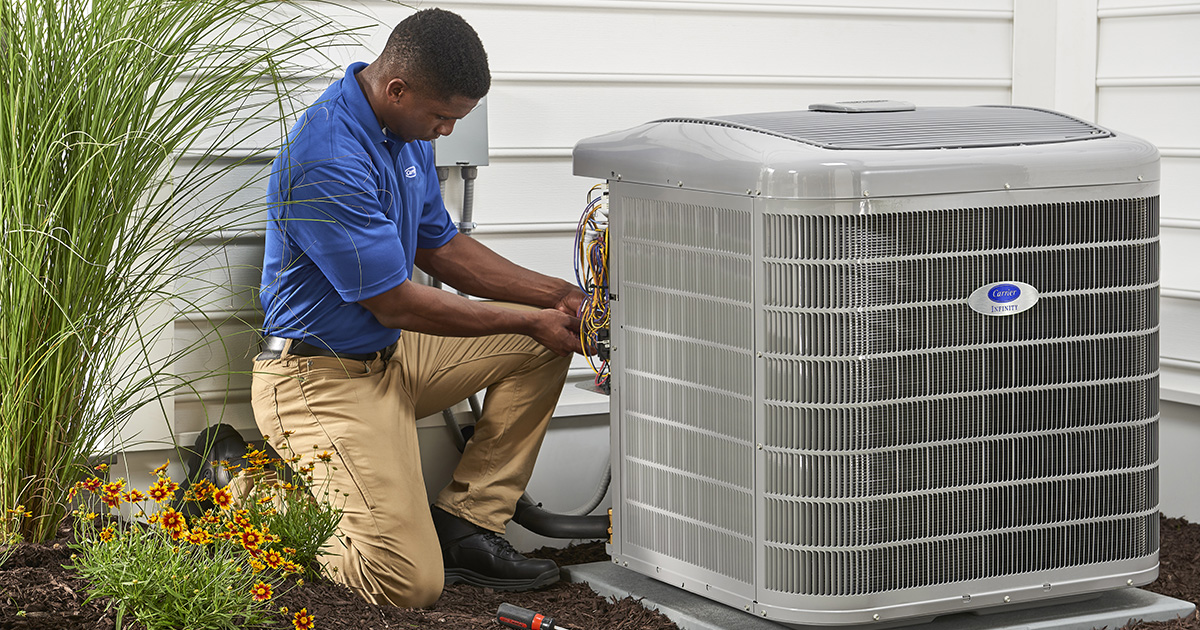
The outdoor unit needs room to breathe. Leaves, grass clippings, and weeds can block the coils, causing the compressor to overheat. Turn off power to the unit at the disconnect box. Remove large debris by hand. Use a garden hose to gently spray the fins from the inside out, avoiding high pressure that can bend the delicate metal. Keep plants at least two feet away from the unit to ensure proper airflow.
Verify the thermostat settings
Sometimes the issue is simple configuration. Ensure the thermostat is set to "Cool" and not "Heat" or "Off." The fan should be set to "Auto," not "On," to prevent the system from running without cooling. If the thermostat is old or unresponsive, replace the batteries. For smart thermostats, check for firmware updates or Wi-Fi connectivity issues that might disrupt commands.
When to stop DIY and call a pro
Not all air conditioning repair is safe for homeowners. Never attempt to open the electrical panels or handle refrigerant lines. Refrigerant requires specialized tools and EPA certification to handle legally and safely. If you hear grinding noises, smell burning, or see ice on the refrigerant lines, turn off the system immediately. These signs indicate mechanical failure or electrical faults that require professional diagnosis.
Checklist for homeowners
-
Replace air filter if dirty
-
Clear condensate drain line with vacuum
-
Clean debris from outdoor condenser unit
-
Verify thermostat settings and batteries
-
Check circuit breaker for tripped switches
When to hire an HVAC repair professional
Knowing when to stop and call a licensed technician is the most important decision in air conditioning repair. While changing a filter or resetting a breaker are safe DIY tasks, other issues involve high-voltage electricity, pressurized refrigerants, or complex mechanical assemblies that require specialized tools and certification. Attempting to fix these problems yourself can lead to personal injury, further damage to your unit, or voided manufacturer warranties.
Safety and Legal Boundaries
The most immediate reason to hire a pro is safety. HVAC systems operate on 240-volt electricity, which can be lethal if handled incorrectly. Additionally, refrigerants like R-410A are regulated by the EPA. It is illegal for homeowners to handle or recharge refrigerant lines; only certified technicians can legally recover and recharge these substances. If you suspect a refrigerant leak—often indicated by hissing sounds or ice forming on coils—stop using the unit and call a professional immediately.
Warranty Protection
Most air conditioner manufacturers require that repairs be performed by licensed HVAC professionals to keep the warranty valid. If you attempt to open the electrical panel or replace internal components like the compressor or fan motor yourself, you may void the entire warranty. This means you would be responsible for the full cost of any future parts or labor, which can run into the thousands of dollars. A professional repair ensures that your equipment remains covered and that any work performed is backed by the technician’s own labor guarantee.
Complex Mechanical Issues
Some symptoms indicate deep-seated mechanical failures that DIY fixes cannot resolve. If your AC is blowing warm air despite clean filters, or if you hear grinding, screeching, or banging noises, the issue likely involves the compressor, blower motor, or capacitor. These components require precise diagnostics and specialized equipment to replace safely. For example, a bad capacitor is a common failure, but replacing it involves discharging high-voltage capacitors and rewiring high-amperage connections. Similarly, a clogged condensate drain line is a simple DIY fix, but a leaking evaporator coil requires disassembling the indoor unit and soldering new lines.
Use the comparison below to help decide if your air conditioning repair issue falls into the DIY category or requires a professional.
| Issue | DIY Possible? | Reason |
|---|---|---|
| Tripped circuit breaker | Yes | Simple reset at the panel. |
| Dirty air filter | Yes | Replace with standard filter. |
| Thermostat not working | Yes | Check batteries or wiring. |
| Noisy outdoor unit | No | Potential fan motor or debris issue. |
| Warm air from vents | No | Likely refrigerant or compressor failure. |
| Water leaking indoors | Conditional | Clear drain line only; if coil is leaking, call pro. |
| Frozen coils | No | Indicates airflow or refrigerant problem. |
The $5,000 rule for AC repair decisions
Deciding between air conditioning repair and replacement often comes down to a simple financial heuristic known as the $5,000 rule. This industry standard helps homeowners determine whether investing in a fix is sensible or if it is time to cut losses and buy new equipment.
The calculation is straightforward: multiply the age of your current unit by the estimated cost of the repair. For example, if your system is 10 years old and needs a $600 compressor replacement, you multiply 10 by 600 to get $6,000.
If that total exceeds $5,000, the rule suggests it is financially smarter to replace the unit rather than repair it. At this threshold, you are likely pouring money into an aging system that will soon require more expensive fixes, making a new, energy-efficient model a better long-term investment.
Finding reliable HVAC repair services near you
When DIY fixes don’t solve the problem, you need a technician who shows up on time and fixes it right. The best way to start is by checking state licensing and insurance. This protects you from liability if something goes wrong and ensures the company follows local building codes.
Look for companies with a long track record in your area. Local firms like Walk On Air HVAC or Ragsdale Air have served Fairburn for years, which often means they understand the specific climate challenges and common unit issues in your neighborhood. A long history in one spot is usually a better indicator of reliability than a large, national chain with rotating staff.
Check recent reviews for consistency. You aren’t just looking for five-star ratings; you want to see how the company responds to complaints. Do they offer clear explanations? Are they transparent about pricing? Fast response times are critical in summer, so a company that answers the phone and offers same-day service is often worth the premium.
Finally, ask for a detailed written estimate before work begins. A reputable HVAC repair service will provide a clear breakdown of labor and parts, avoiding surprise fees. This transparency is the first sign of a professional who values your trust as much as your business.
Common questions about AC repair costs
Homeowners often face tough choices when an air conditioning repair bill comes in. Below are clear answers to frequent questions about repair expenses and replacement thresholds.
No comments yet. Be the first to share your thoughts!