
Summer Heat & HVAC: A Risky Combo
Summer heat strains HVAC systems, causing more breakdowns and increasing demand for repair services. The harder your system works, the higher the risk of failure. This surge in demand means higher costs for emergency repairs due to fewer available technicians and potential parts shortages.
Many people wait until their system completely fails, thinking a little discomfort is manageable. This discomfort quickly escalates, leading to more extensive and expensive repairs than if the issues were addressed earlier. Recognizing early warning signs helps avoid a breakdown and a large bill.
Ignoring subtle cues can lead to system failure during the hottest days. Understanding what to look for and acting quickly saves money, stress, and discomfort. Pay attention to your system's normal operation and notice when something seems off.
Unusual Noises: What They Signal
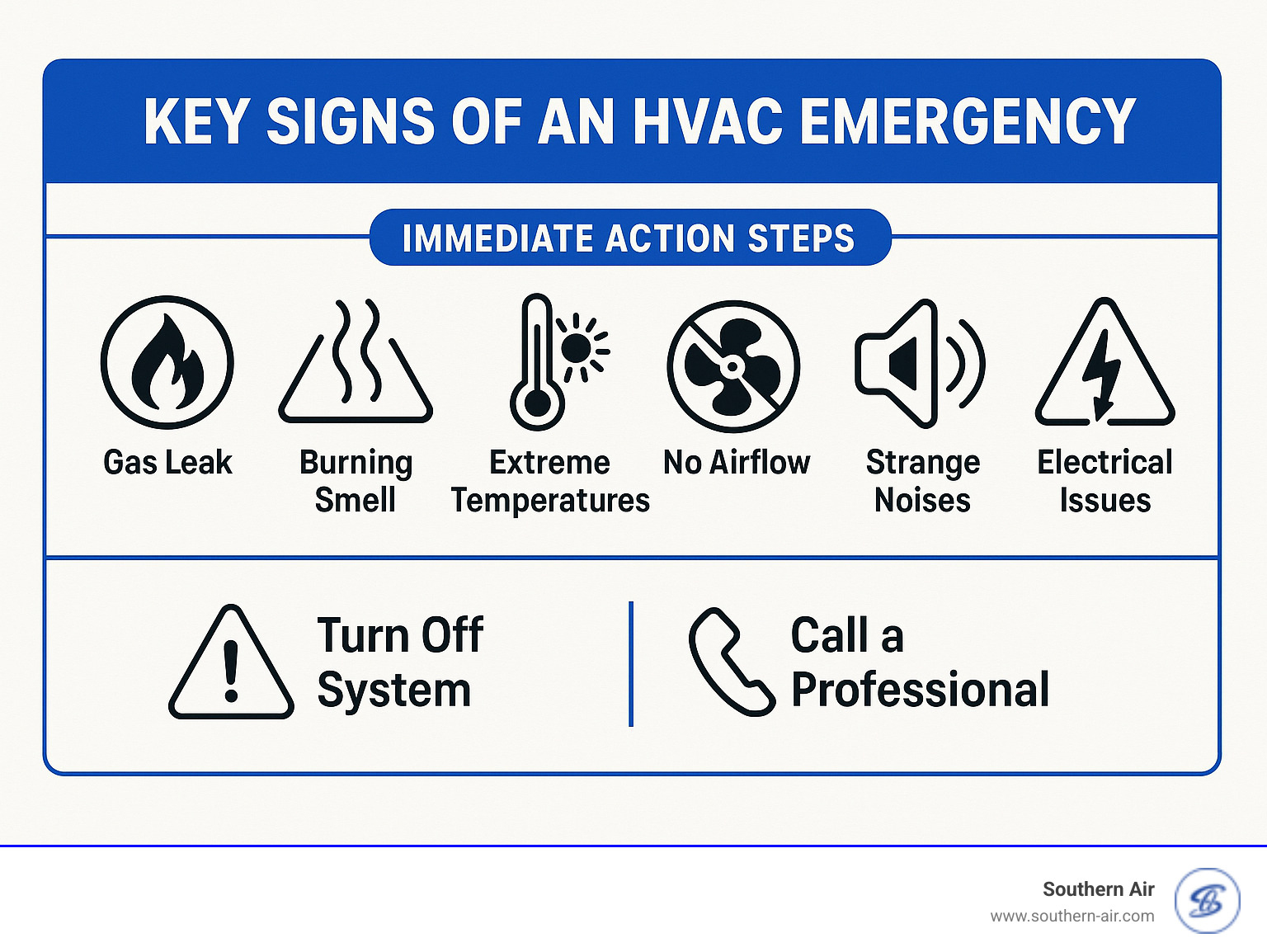
Unusual noises from your HVAC system often signal an underlying problem. Rattling might mean loose parts like screws or fan blades, which can cause more damage if ignored. Screeching often points to blower motor or belt issues, leading to costly repairs.
Hissing often indicates a refrigerant leak, which harms the environment and reduces cooling. Refrigerant leaks need immediate attention from a qualified technician due to specialized handling requirements. Clicking noises can signal electrical problems, like a failing capacitor, a critical component for the compressor.
If you hear unusual noises, try to pinpoint the source by listening near the indoor and outdoor units. If the noise is loud or accompanied by a burning smell, shut off the system at the breaker box and call a professional. Never attempt to diagnose or repair electrical issues yourself; prioritize safety.
Weak Airflow: A Subtle Warning
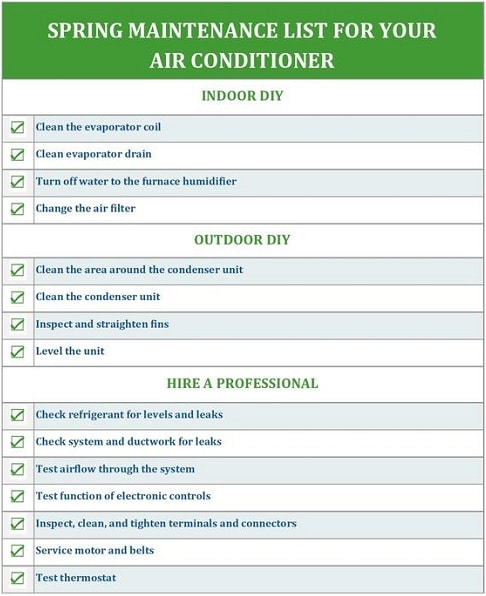
Weak airflow is a common, often overlooked, sign of HVAC trouble. It's easy to dismiss as normal for an older system, but consistently weak airflow can signal a serious issue. A dirty air filter is a frequent cause; a clogged filter restricts airflow, making the system work harder and potentially overheat. Replacing your air filter every 1-3 months is a simple preventative step.
Weak airflow can also stem from blocked vents, ductwork leaks or collapses, or a failing blower motor. Ensure all vents are open and unobstructed. Check airflow at each vent; significantly weaker airflow in some areas suggests a ductwork problem. A failing blower motor struggles to push air, causing consistently weak airflow.
Weak airflow reduces comfort and strains the entire system, leading to more serious, expensive problems. The compressor works harder, increasing failure risk. Addressing airflow issues promptly invests in your HVAC system's longevity.
Moisture & Leaks: Red Flags Everywhere
Moisture around your HVAC unit is a serious concern. While some condensation is normal, standing water or visible leaks are not. Condensation should be channeled away via a condensate drain line; a clogged line can cause water backup and leaks, potentially damaging property.
Refrigerant leaks can appear as moisture or oily residue, requiring immediate attention due to environmental harm and reduced cooling efficiency. A frozen evaporator coil, caused by restricted airflow or low refrigerant, can also lead to moisture and reduced cooling performance.
HVAC leaks risk water damage and mold growth, which poses health hazards and requires costly remediation. If you notice moisture or leaks, shut off the system and contact a qualified HVAC technician. Ignoring these signs can cause extensive property damage and health problems.
Short Cycling: The On-Off Rollercoaster
Short cycling, where your air conditioner turns on and off frequently instead of running consistently, is damaging to your HVAC system. Like repeatedly starting a car, it stresses components and reduces the unit's lifespan.
Causes of short cycling include an oversized unit that cools too quickly, a dirty air filter causing overheating, refrigerant issues like low levels, and ductwork leaks preventing cooled air from reaching the thermostat.
Short cycling increases energy bills and reduces system lifespan, as frequent starts and stops use more energy than continuous operation. If your unit cycles on more than three times an hour, it likely indicates a problem requiring professional diagnosis and a solution.
Skyrocketing Energy Bills: A Silent Alarm
A sudden, unexplained increase in energy bills can signal an HVAC problem. A significant jump, despite consistent weather, is a red flag, possibly due to the system working harder to compensate for issues like a struggling compressor, refrigerant leak, or restricted airflow.
Compare current bills to the same month in previous years to see if the increase is abnormal. Seasonal changes and weather variations affect consumption, so focus on similar time periods. A substantial, persistent increase needs investigation.
undefined needs professional attention. Addressing the underlying issue promptly can save you money in the long run and prevent further damage to your system.
Thermostat Troubles: Beyond Dead Batteries
Thermostat issues often go beyond simple battery replacements. A malfunctioning thermostat can cause inaccurate temperature readings, leading to your system running constantly or not at all. This can result in discomfort, wasted energy, and potential damage to your HVAC system. Check that your thermostat is properly calibrated and that the wiring is secure.
Wiring issues can occur over time, especially in older systems. Loose or corroded wires can disrupt the signal between the thermostat and the HVAC unit. If you’re comfortable and knowledgeable, you can carefully inspect the wiring, but always turn off the power to the system before working with electrical components. Smart thermostats offer advanced features and can sometimes diagnose their own issues, but they can also be susceptible to software glitches or connectivity problems.
Consider upgrading to a smart thermostat for improved control and energy efficiency. These devices offer features like remote access, programmable schedules, and learning capabilities. If you suspect a thermostat issue, try resetting it to its factory settings or consulting the manufacturer’s instructions. If the problem persists, it's best to call a professional.
When to Call Find HVAC Repair (and When to Wait)
Knowing when to call a professional versus attempting a DIY fix is crucial. Simple tasks like replacing air filters and clearing blocked vents can often be handled yourself. However, any issue involving refrigerant, electrical components, or complex mechanical parts should be left to the experts. Working with refrigerant requires specialized training and equipment, and improper handling can be dangerous.
If you suspect a refrigerant leak, hear unusual noises, notice moisture or leaks, or experience short cycling, contact Find HVAC Repair immediately. These issues require professional diagnosis and repair. Preventative maintenance is also a smart investment. Regular checkups can identify potential problems before they escalate, saving you money and extending the lifespan of your system.
Find HVAC Repair provides emergency HVAC repair services in the Savannah and Hilton Head areas. Don’t wait until your system fails completely – contact us today to schedule a service appointment and ensure your home stays cool and comfortable all summer long. You can find our service area details and contact information on our website:
No comments yet. Be the first to share your thoughts!