

Preparing for the 2026 heat
A broken AC in July is a nightmare. Most of the time, these mid-summer breakdowns are preventable. Spending an hour on maintenance now is better than waiting three days for a repair tech during a heatwave.
Looking ahead to summer 2026, long-range forecasts from the National Oceanic and Atmospheric Administration (NOAA) suggest we can expect above-average temperatures for much of the country. That means your air conditioner will be working harder than ever. Getting a head start on maintenance now will ensure it’s up to the challenge.
You don't need to be a mechanic to handle the basics. These steps focus on simple upkeep that keeps the air moving and the bills down.
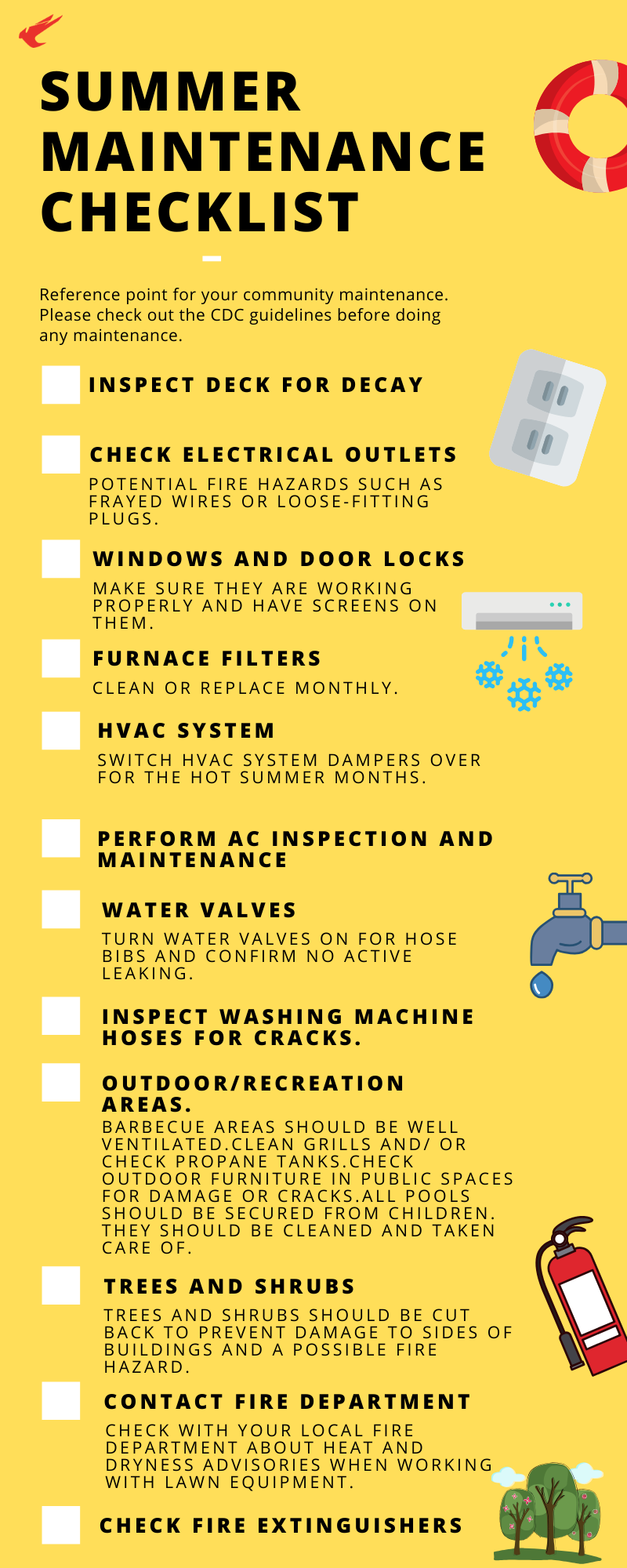
Check the air filters
The air filter is the easiest part to fix and the most common cause of system strain. When it's clogged, the blower motor has to fight to pull air through, which spikes your power bill and wears out the parts faster.
Filters are rated using a Minimum Efficiency Reporting Value, or MERV rating, from 1 to 20. Higher MERV ratings mean the filter captures smaller particles – dust, pollen, pet dander, even some bacteria. For most homes, a MERV 8 filter is a good balance between filtration and airflow. If you have allergies or pets, you might consider a MERV 11 or 13. But be careful; going too high can restrict airflow and strain your system.
Finding the right size filter is critical. Check your existing filter for dimensions – length, width, and thickness. These are usually printed on the frame. Don’t just guess! An improperly sized filter won’t seal properly, allowing dirty air to bypass it. Washable filters are available, but they require regular cleaning – and may not filter as effectively as disposable ones. I've found that consistently replacing a standard filter is often easier and more effective.
To check your filter, simply turn off your system, locate the filter access panel, and remove the old filter. Hold it up to the light. If you can’t see light through it, it’s time for a replacement. A clogged filter can increase your energy bill by as much as 15% according to ENERGY STAR.
- MERV 1-4: Catches large particles like lint and sanding dust. It's basic protection for the equipment but doesn't do much for air quality.
- MERV 5-8: Better filtration, captures mold spores and pet dander. Suitable for most homes.
- MERV 9-12: Excellent filtration, captures smaller particles like allergens and smoke. Ideal for allergy sufferers.
- MERV 13-16: Superior filtration, captures bacteria and viruses. Often used in hospitals and cleanrooms.
Clean the coils
Clean condenser and evaporator coils are essential for efficient cooling. These coils transfer heat, and when they're covered in dirt, dust, and debris, that heat transfer is reduced. This forces your AC to work harder, consuming more energy and potentially shortening its lifespan. Regular cleaning is a must.
The outdoor condenser coil is exposed to the elements, so it tends to get dirtier faster. You can clean it with a garden hose – gently spraying from the inside out to avoid bending the fins. Never use a pressure washer, as it can damage the delicate fins. For the indoor evaporator coil, you’ll likely need to access it through an access panel. A soft brush and a coil cleaner specifically designed for AC units are your best bet.
When choosing a cleaning solution, avoid harsh chemicals or abrasive cleaners. A mild detergent mixed with water is often sufficient. Hallco Heating & Air recommends avoiding anything that could corrode the metal. Always turn off the power to the unit before cleaning any electrical components. If you’re uncomfortable working with the coils, or if they’re heavily soiled, it’s best to call a professional. It’s a safety issue, and you don’t want to risk damaging your system.
Cleaning coils annually is a good practice. You’ll notice an immediate improvement in cooling performance and potentially lower energy bills. A dirty coil can reduce cooling capacity by up to 30%.
Fin Straightening: A Little Bend Goes a Long Way
The fins on your outdoor condenser unit are delicate and easily bent. Bent fins restrict airflow, reducing the unit’s efficiency. Fortunately, they can often be straightened with a fin comb – a specialized tool designed for this purpose. These are relatively inexpensive and available at most hardware stores.
To straighten the fins, gently slide the fin comb over the bent areas. Use a light touch and work slowly. Be extremely careful not to apply too much pressure, as you could easily damage the fins further. If the fins are severely bent or damaged, it’s best to call a professional. Attempting to repair them yourself could void your warranty.
I want to emphasize the risk here. While a fin comb can be helpful, it’s easy to cause more harm than good if you’re not careful. If you’re unsure about anything, err on the side of caution and call a qualified HVAC technician. It’s better to spend a little money on professional service than to risk damaging your entire unit.
Drain Line Check: Prevent Water Damage
Your air conditioner produces condensation as it cools the air. This condensation is drained away through a condensate drain line. Over time, this line can become clogged with algae, mold, and debris, leading to water leaks and potential water damage. A clogged drain line can also cause your AC to shut down.
You can flush the drain line with a vinegar solution – a mixture of equal parts white vinegar and water. Pour the solution into the drain line opening. Alternatively, you can use a wet/dry vacuum to suck out any clogs. Signs of a clogged drain line include water leaking from the indoor unit, a musty smell, or the AC running constantly without cooling effectively.
Preventative measures include periodically adding algaecide tablets to the drain line. These tablets help prevent algae growth. You can also pour a cup of vinegar down the drain line every few months. Regular maintenance of the drain line can save you from costly water damage repairs and keep your AC running efficiently.
- First, find the white PVC pipe near your indoor unit; this is the condensate drain.
- Step 2: Pour in the vinegar solution or use a wet/dry vacuum.
- Step 3: Check for any leaks or blockages.
- Step 4: Repeat as needed.
Professional Tune-Up: What They Do
While there’s a lot you can do yourself, a professional HVAC tune-up goes beyond basic maintenance. A qualified technician will perform a comprehensive inspection of your entire system, including checking refrigerant levels, detecting leaks, inspecting the blower motor, and calibrating controls. This level of detail is beyond the scope of most homeowners.
The benefits of a professional tune-up are significant. It can improve energy efficiency, extend the lifespan of your equipment, and prevent costly repairs down the road. Technicians also have the tools and expertise to identify potential problems that you might miss. The cost of a tune-up typically ranges from $100 to $300, depending on the complexity of your system and your location.
A professional tune-up is an investment in your comfort and peace of mind. It’s a small price to pay for the assurance that your AC is running safely and efficiently. Many HVAC companies offer maintenance plans that include annual tune-ups and other benefits.
- Refrigerant level check and adjustment
- Leak detection
- Blower motor inspection and lubrication
- Electrical connection check
- Control calibration
- Coil cleaning (if needed)
Smart Thermostats: Efficiency Boosters
Smart thermostats offer a convenient and effective way to boost your HVAC system’s efficiency. These devices allow you to program schedules, remotely control your AC from your smartphone, and monitor your energy usage. This level of control can lead to significant energy savings.
Most smart thermostats are compatible with a wide range of HVAC systems. They learn your habits and automatically adjust the temperature to optimize comfort and efficiency. While the exact energy savings will vary depending on your usage and climate, many users report savings of 10-15% on their cooling bills. I'm not sure about specific model compatibility, so it's best to check the manufacturer's website before purchasing.

No comments yet. Be the first to share your thoughts!