
Why regular HVAC maintenance matters
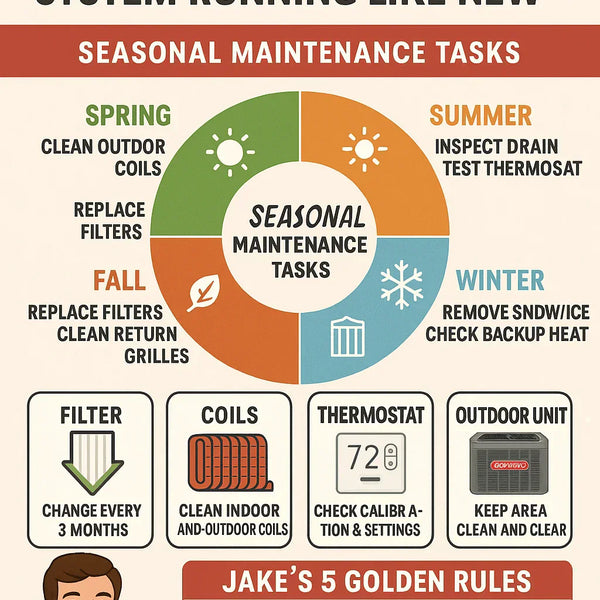
HVAC systems are the lungs of your home, and like any complex mechanical system, they degrade without consistent care. Neglecting routine upkeep isn't just about comfort; it is a direct hit to your wallet and the longevity of your equipment. Without regular maintenance, an HVAC system can lose 5-15% of its energy efficiency every year. This inefficiency forces the unit to run longer cycles to reach your desired temperature, driving up utility bills and accelerating wear on critical components like the compressor and fan motor.
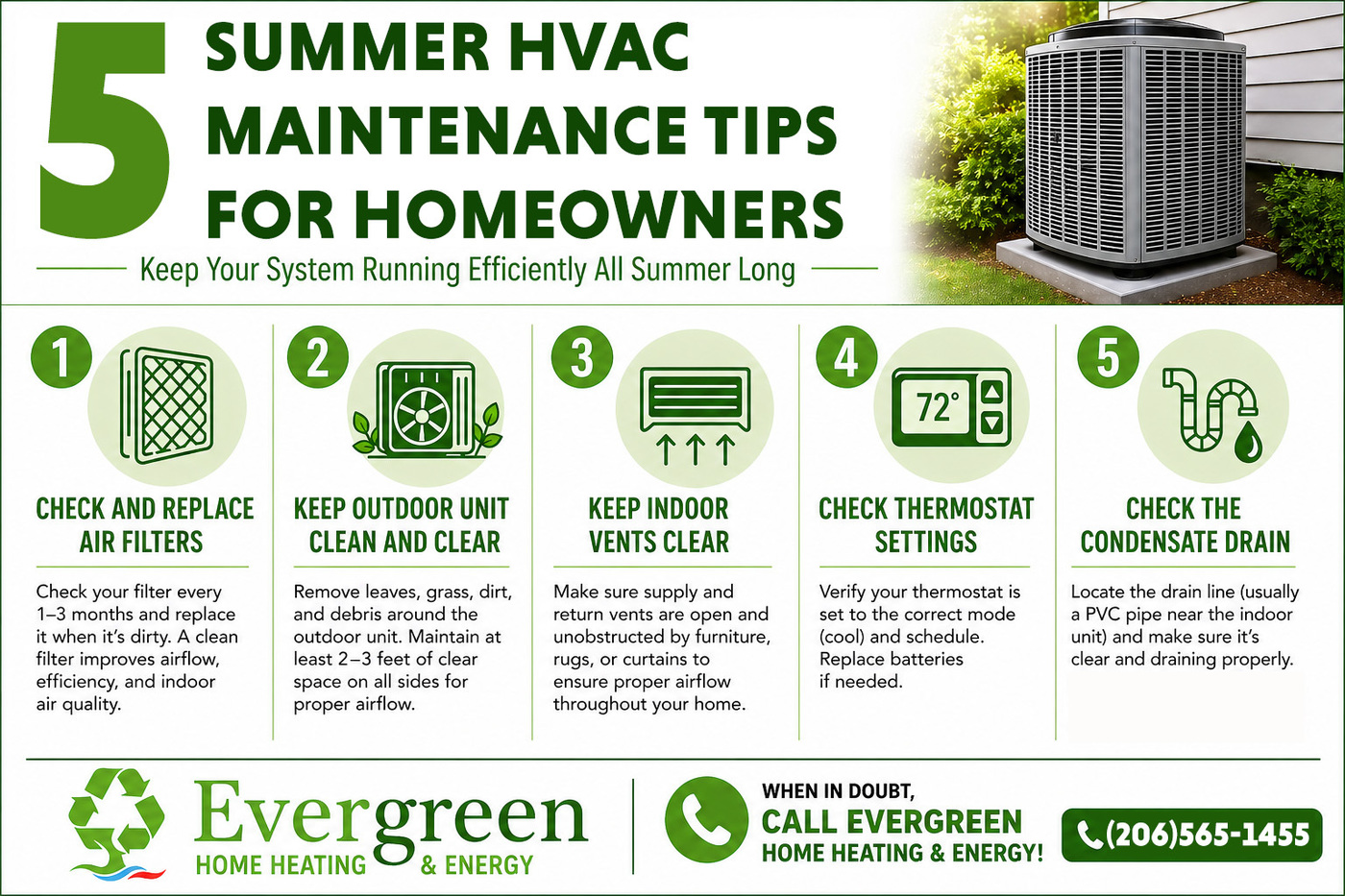
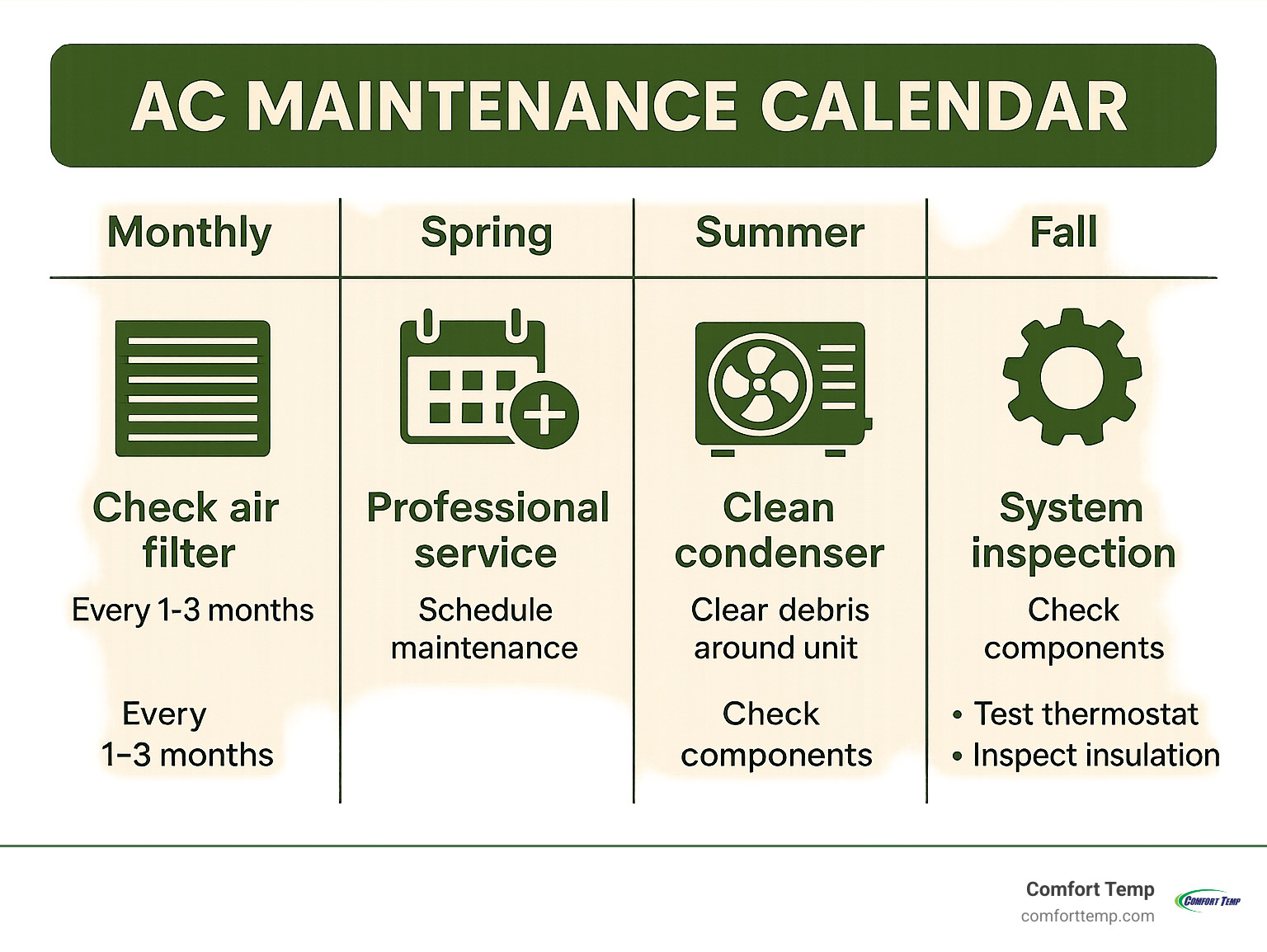
Think of maintenance as preventative insurance rather than a reactive chore. A dirty air filter, for example, restricts airflow, causing the system to work harder and potentially freeze up the evaporator coil. Replacing a standard 1-inch pleated filter every 1-3 months is a low-cost habit that prevents expensive repairs down the line. Similarly, cleaning condenser coils ensures heat exchange remains efficient, while checking refrigerant levels prevents the compressor from overheating.
The financial stakes become clear when you consider the cost of failure. A single major component failure, such as a burnt-out compressor, can cost thousands to replace—often approaching the price of a new system entirely. By sticking to a simple maintenance schedule, you extend the lifespan of your HVAC unit, ensuring it delivers reliable performance for its full intended life rather than burning out prematurely. This approach transforms maintenance from a billable service call into a strategic investment in your home's infrastructure.
5 Essential HVAC Maintenance Tips to Extend System Lifespan
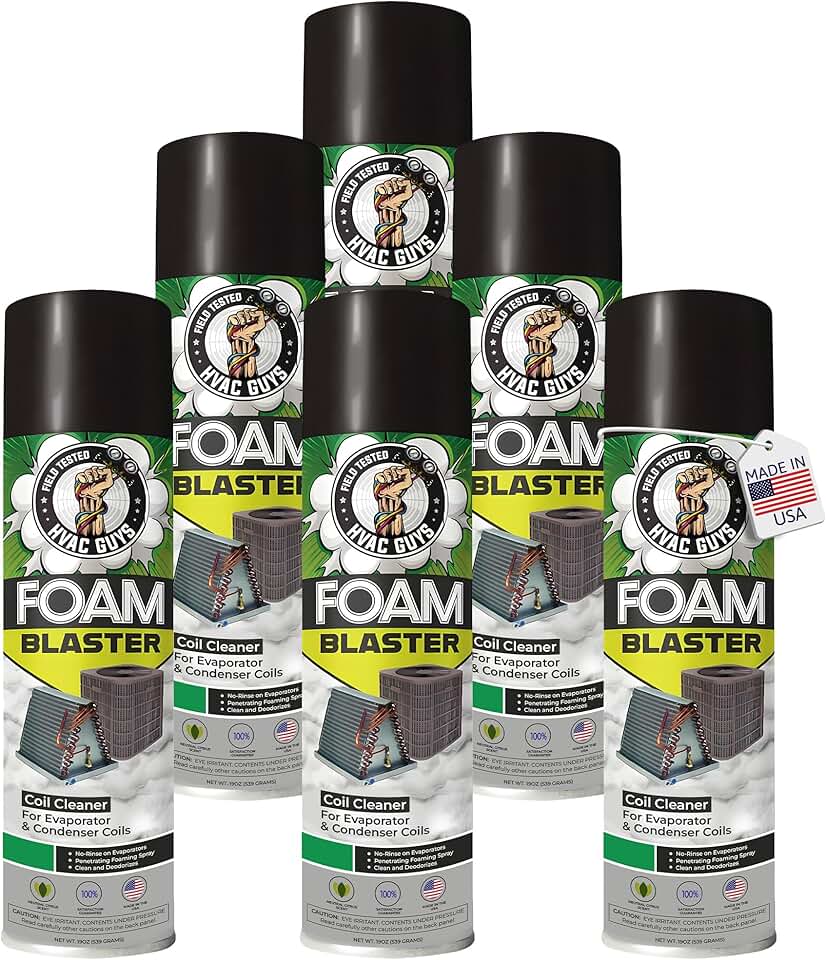
Regular maintenance is the most effective way to protect your investment and keep your HVAC system running efficiently. By swapping out standard filters for high-efficiency options like the Honeywell FPR7 every 1-3 months and using a dedicated coil cleaner such as the Klean-Strip Coil Cleaner annually, you can significantly extend your unit's lifespan.
-
Replace HVAC Air Filters Every One to Three Months
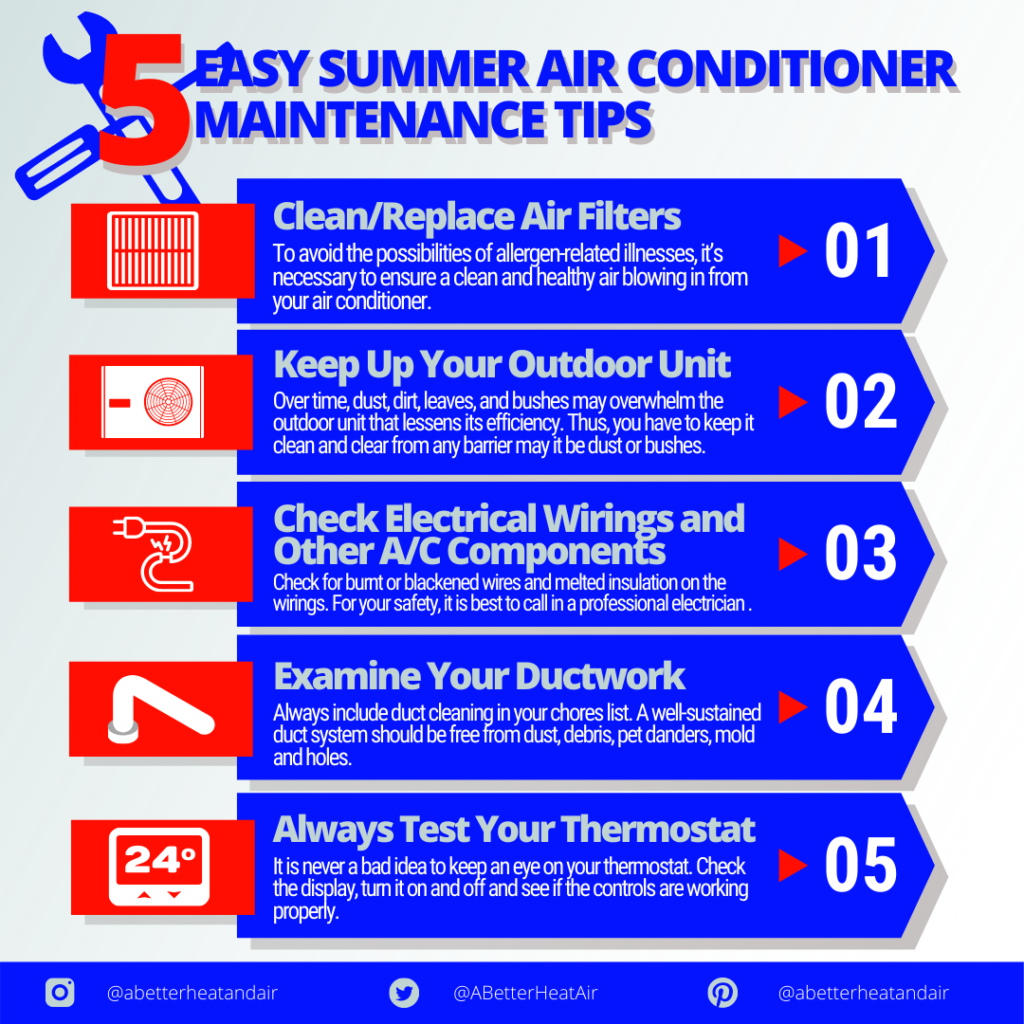
Dirty filters restrict airflow, forcing your blower motor to work harder and shortening its lifespan. Swap standard 1-inch pleated filters, like those from Honeywell or Filtrete, every one to three months depending on pet hair and dust levels. For homes with allergies, consider upgrading to a MERV 11 or 13 filter, but ensure your system can handle the increased static pressure without straining the fan. -
Clear Debris Around Outdoor Condenser Units Regularly
Your outdoor condenser needs clear airflow to dissipate heat efficiently. Keep a two-foot radius around the unit free of leaves, grass clippings, and overgrown shrubs that can clog the fins. Gently rinse the exterior coils with a garden hose from the inside out to remove embedded dirt, but avoid high-pressure washers that might bend the delicate aluminum fins. This simple task prevents overheating and maintains optimal cooling performance during peak summer months. -

Inspect and Seal Ductwork Leaks Annually
Leaky ducts can waste up to thirty percent of conditioned air, forcing your system to run longer cycles to maintain temperature. Use a flashlight to inspect accessible ductwork in attics or basements for visible gaps or disconnected sections. Seal minor leaks with mastic sealant or aluminum tape, avoiding standard duct tape which dries out and fails over time. Properly sealed ducts ensure consistent airflow and reduce strain on the compressor, extending the overall life of your HVAC components. -
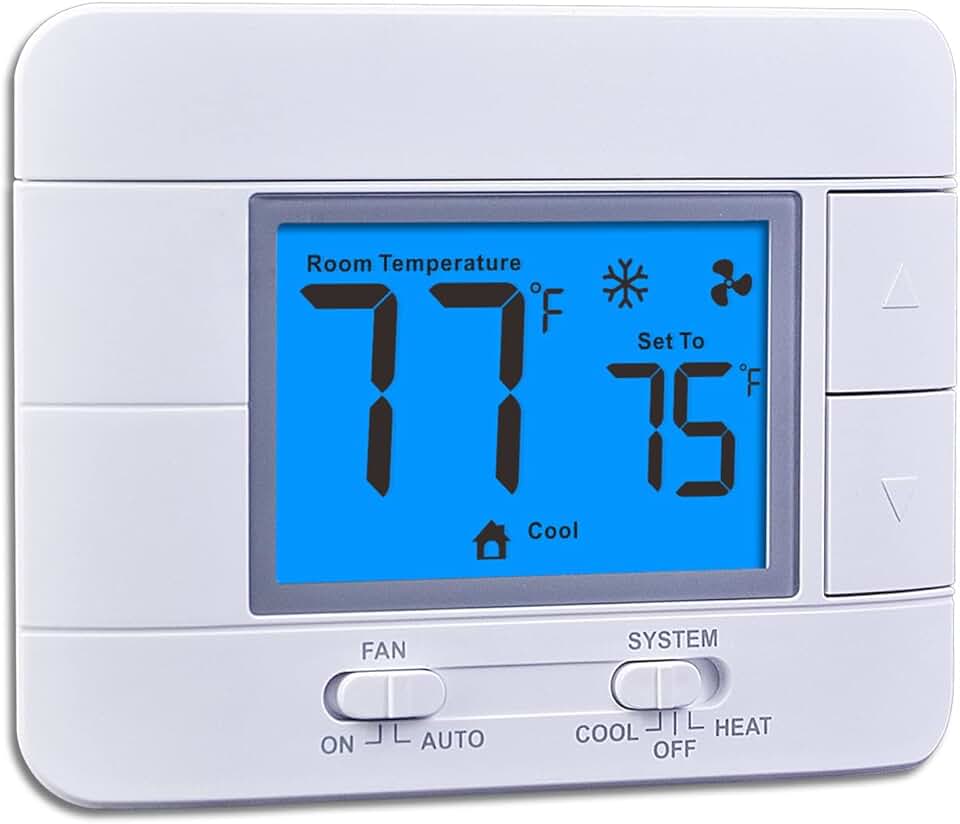
Calibrate and Test Thermostat Settings Quarterly
An inaccurate thermostat causes your system to cycle on and off unnecessarily, wearing out internal components. Test your thermostat’s accuracy by comparing its reading with a separate, reliable thermometer placed nearby. If there is a significant discrepancy, recalibrate according to the manufacturer’s instructions or replace batteries if the unit is battery-operated. Smart thermostats like Nest or Ecobee can automate this process, but manual checks ensure your system doesn’t overwork due to false temperature readings. -
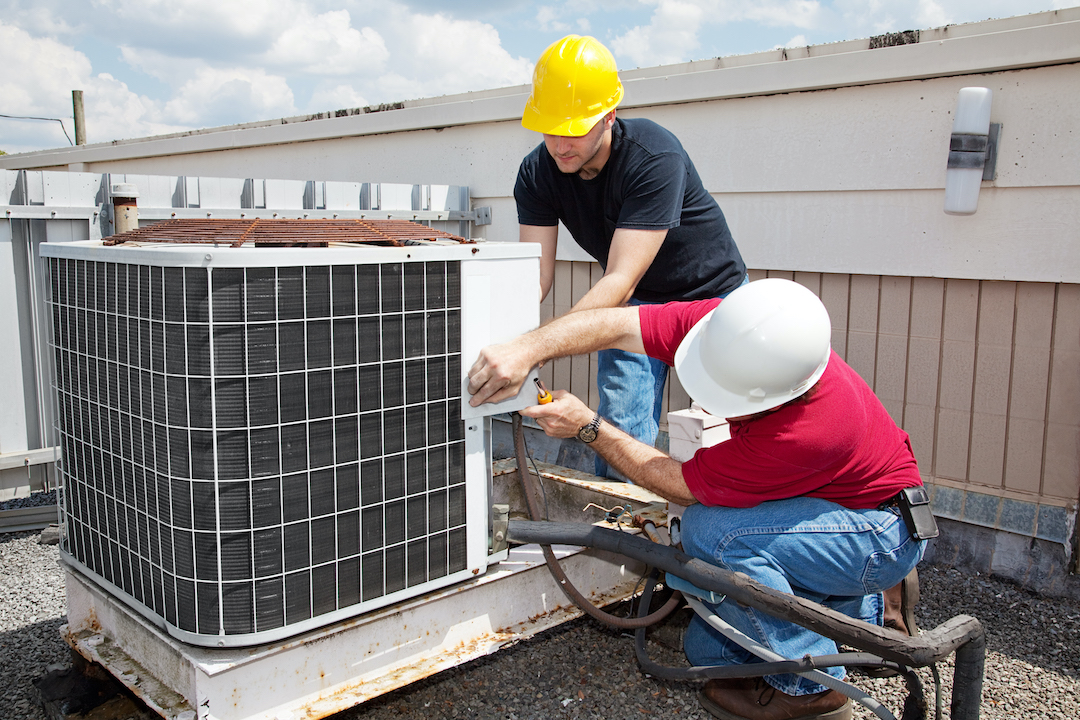
Schedule Professional HVAC Inspection and Service Yearly
Annual professional maintenance catches small issues before they become costly repairs. A certified technician will check refrigerant levels, lubricate moving parts, test electrical connections, and clean coils that DIY methods might miss. This comprehensive service ensures your system operates at peak efficiency, reducing energy bills and preventing unexpected breakdowns during extreme weather. Treat this yearly checkup as an investment in longevity, keeping your HVAC system running smoothly for years to come.
HVAC Maintenance FAQ
Here are answers to common questions about keeping your system running efficiently and deciding when to repair versus replace.

As an Amazon Associate, we may earn from qualifying purchases.
No comments yet. Be the first to share your thoughts!