

The Home Comfort Shift: AI Takes Control
For decades, home heating and cooling worked reactively. You felt too hot, you turned on the AC. Too cold, you adjusted the thermostat. Now, smart HVAC systems powered by artificial intelligence offer proactive comfort and reduced energy bills.
Rising energy costs and environmental concerns drive demand for efficient climate control. Smart home technology advancements also support AI-powered HVAC. The focus is shifting from setting a temperature to automatically creating an ideal indoor environment.
HVAC systems now learn your needs, meaning fewer adjustments, more consistent temperatures, and a lower energy bill. A home that anticipates your needs is becoming a reality with smart HVAC.
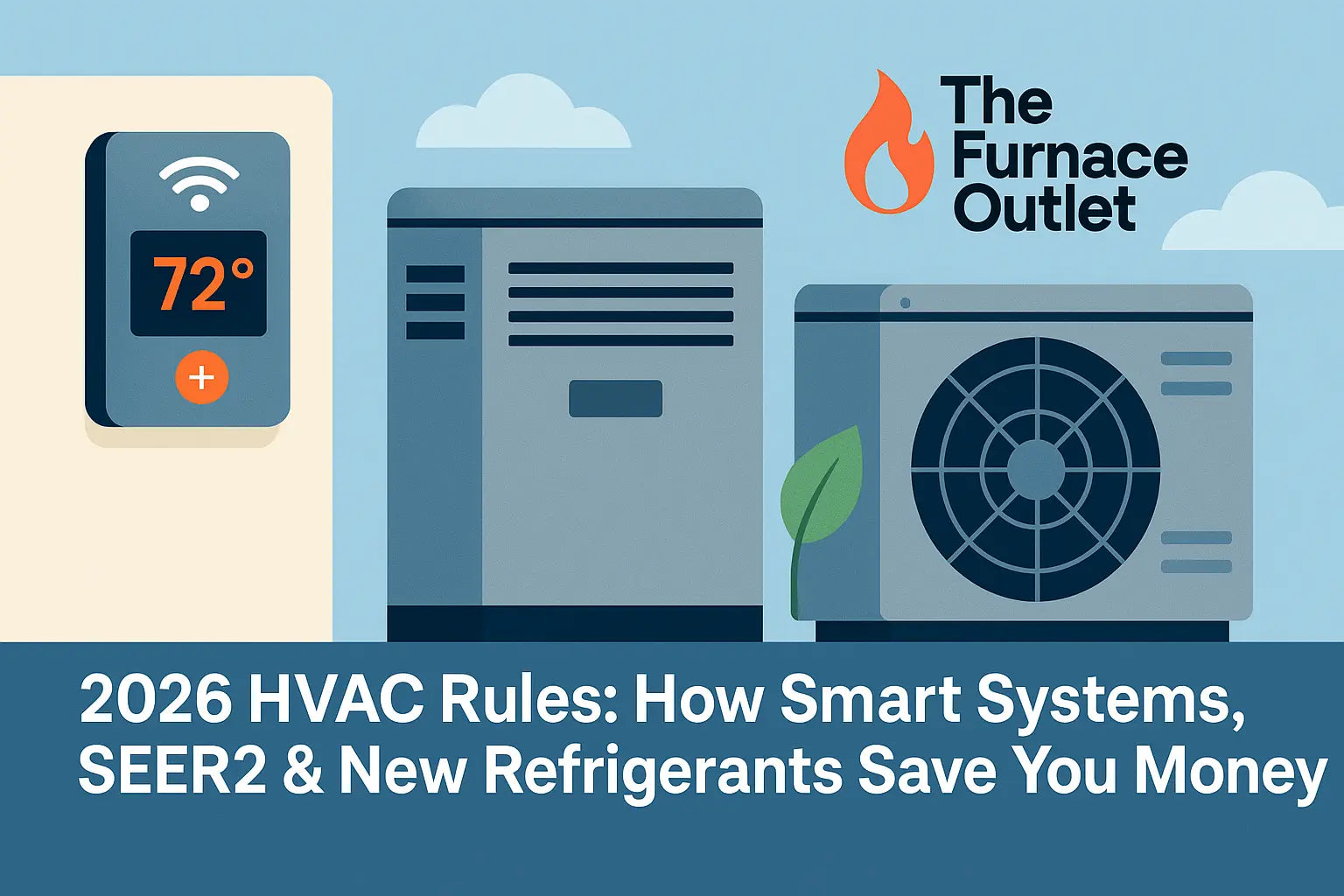
Beyond Thermostats: What 'Smart' Really Means
A smart HVAC system is more than a thermostat; it's a network of technologies optimizing performance. It uses sensors for temperature, humidity, occupancy, and air quality.
Zoning systems divide your home into different temperature zones, heating or cooling only occupied areas to save energy. Variable Refrigerant Flow (VRF) systems further improve efficiency by adjusting refrigerant delivery to each zone's needs.
Data analytics are central. Sensor information feeds algorithms that learn your patterns and preferences. The system understands your home's behavior and weather impacts to maintain comfort with minimal energy use, adapting unlike fixed-setting programmable thermostats.
AI's Role: Predicting Your Comfort Needs
Machine learning algorithms are central to smart HVAC. They predict future needs by analyzing historical data like weather patterns, past adjustments, and daily routines to anticipate heating or cooling requirements, pre-adjusting the temperature for your arrival.
AI also enables predictive maintenance. By analyzing system performance data, AI can identify potential issues before they cause costly breakdowns, such as a slight increase in energy consumption indicating a failing component. This saves homeowners money and prevents disruptions.
undefined difference between this and a traditional programmable thermostat is stark. A programmable thermostat follows a set schedule, regardless of external factors. A smart system, however, dynamically adjusts to changing conditions, optimizing both comfort and efficiency. It's the difference between setting a timer and having a system that thinks for itself.
The sophistication of these algorithms continues to grow. Some systems even learn individual preferences within a household, tailoring the temperature to each occupant's comfort level. They’re moving beyond simple automation towards genuine personalization.
- Data Collection: Sensors gather information on temperature, humidity, occupancy, and energy usage.
- Pattern Recognition: AI algorithms identify trends and correlations in the data.
- Predictive Modeling: The system forecasts future heating and cooling needs based on learned patterns.
- Automated Adjustment: HVAC system automatically adjusts settings to maintain optimal comfort and efficiency.
Energy Savings: Real Numbers, Real Impact
The financial benefits of smart HVAC systems are compelling. According to ENERGY STAR, upgrading to a smart thermostat can save homeowners around $180 per year. But the savings extend far beyond the thermostat itself. A comprehensive smart HVAC system, with zoning and predictive maintenance, can yield even greater reductions in energy consumption.
The National Renewable Energy Laboratory (NREL) has conducted extensive research on the energy-saving potential of advanced HVAC controls. While specific savings vary depending on climate and home characteristics, studies have shown potential reductions in heating and cooling energy use of up to 20-30%. That translates to significant cost savings over the lifespan of the system.
Smart systems also integrate well with utility demand response programs. These programs incentivize homeowners to reduce energy consumption during peak demand periods, often offering rebates or credits on their energy bills. A smart HVAC system can automatically adjust settings to participate in these programs, further lowering energy costs. I'm not sure about the exact availability of these programs, as they vary by location, but the potential is significant.
It’s important to remember these savings aren’t guaranteed. The actual energy reduction depends on factors like home insulation, window efficiency, and homeowner behavior. However, a well-designed and properly installed smart HVAC system consistently delivers measurable energy savings.
Installation & Compatibility: What to Consider
Installing a smart HVAC system isn’t always a straightforward process. Compatibility with your existing HVAC equipment is a key consideration. Older systems may not be compatible with all smart technologies, requiring upgrades or replacements. A qualified HVAC technician can assess your current setup and recommend the best course of action.
You have two main installation options: DIY and professional. While some smart thermostats are designed for easy self-installation, a full smart HVAC system with zoning and advanced controls is best left to the professionals. Proper installation is crucial for optimal performance and to avoid voiding warranties.
That's where Find HVAC Repair comes in. Our network of certified technicians has the expertise to handle any HVAC installation, from a simple thermostat upgrade to a complete system overhaul. We can ensure your smart HVAC system is properly configured, integrated, and optimized for your home’s specific needs.
Don't underestimate the importance of a professional. Incorrect wiring or improper sensor placement can significantly reduce the system's efficiency and even damage your equipment. Investing in professional installation is an investment in long-term comfort and savings.
Security & Privacy: Addressing the Concerns
With any connected device, data privacy and security are legitimate concerns. Smart HVAC systems collect data about your home environment and usage patterns, and it’s natural to wonder how that data is being used and protected. Leading smart HVAC manufacturers are taking these concerns seriously, implementing robust security measures to safeguard your data.
These measures include encryption, secure data storage, and regular software updates to patch vulnerabilities. Many systems also offer privacy settings, allowing you to control what data is collected and shared. However, it’s still up to homeowners to take proactive steps to protect their data.
This means using strong, unique passwords for your smart HVAC system and home Wi-Fi network. It also means keeping your system’s software up to date and being mindful of the permissions you grant to connected apps. A secure home network is essential for protecting all your smart devices, not just your HVAC system.
Being informed and taking these precautions can significantly mitigate the risks associated with connected devices. Transparency from manufacturers and proactive security measures from homeowners are key to building trust and ensuring a safe and comfortable smart home experience.
2026 and Beyond: Emerging Trends
The evolution of smart HVAC isn't slowing down. In the coming years, we can expect even tighter integration with other smart home devices. Imagine your HVAC system automatically adjusting the temperature based on your lighting preferences or security system status. This level of interconnectedness will create a truly seamless and automated home environment.
AI-powered indoor air quality monitoring and control is another promising trend. Systems will be able to detect pollutants, allergens, and other harmful substances in the air, automatically adjusting ventilation and filtration to maintain a healthy indoor environment. This is particularly important for people with allergies or respiratory conditions.
The integration of renewable energy sources, such as solar panels, and microgrids will also play a significant role. Smart HVAC systems will be able to optimize energy usage based on the availability of renewable energy, reducing reliance on the grid and lowering carbon emissions.
I'm cautious about predicting radical changes, but the logical progression of current technology points towards a future where HVAC systems are not just about comfort, but also about health, sustainability, and energy independence.
Finding the Right Pro: A Quick Guide
While DIY installation might seem tempting for some components, a comprehensive smart HVAC system requires the expertise of a qualified professional. Proper installation, configuration, and integration are crucial for maximizing efficiency and ensuring long-term reliability.
When choosing an HVAC contractor, ask about their experience with smart HVAC systems specifically. Inquire about their certifications and licensing. Don't hesitate to ask for references and check online reviews. And most importantly, get a detailed quote that outlines all costs involved.
Find HVAC Repair is your trusted resource for finding qualified HVAC professionals in your area. We connect you with vetted technicians who have the expertise to handle any HVAC project, big or small. We make it easy to find the right pro for your needs.
Don’t gamble with your comfort and energy savings. Choose a professional and experience the full benefits of a smart HVAC system.
No comments yet. Be the first to share your thoughts!