
How smart HVAC is changing
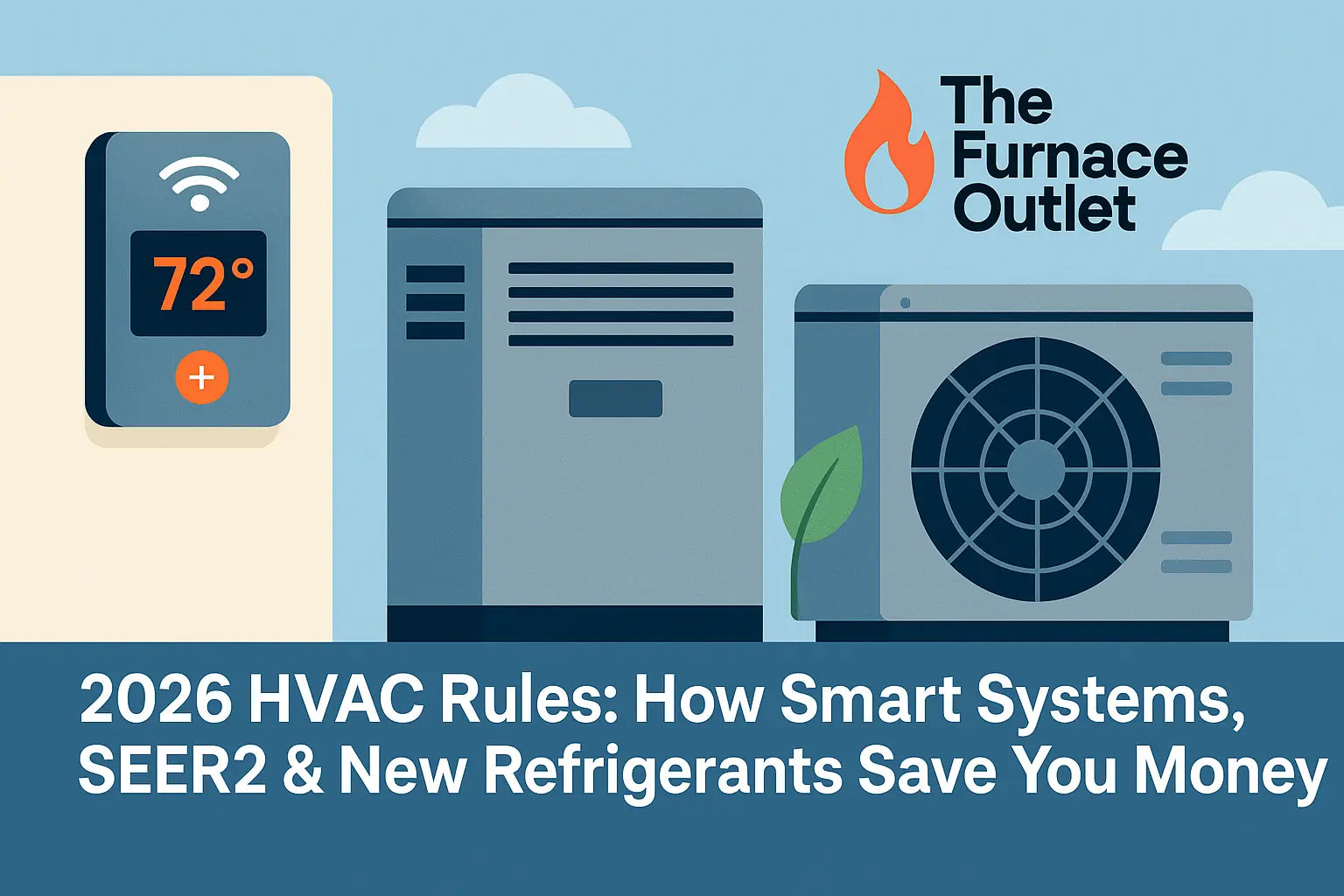
Most people think 'smart' HVAC means a Nest or Ecobee thermostat on the wall. Those are fine for basic scheduling, but they're just remote controls. By 2026, the real shift is moving toward systems that manage themselves rather than waiting for you to open an app.
The key shift is increasing connectivity. More HVAC components – from air handlers to compressors – are gaining the ability to communicate with each other and with a central system. This allows for the collection of vast amounts of data about system performance and usage patterns. It’s not about simply setting a temperature anymore; it’s about the system learning how to maintain optimal comfort and efficiency.
However, widespread adoption isn’t a given. While prices are coming down, the initial investment can still be a barrier for many homeowners. Plus, not everyone is comfortable with the idea of a constantly connected home. There's a real spectrum of comfort levels and budgets when it comes to embracing this technology, and that will influence the speed of change.
AI-Driven Climate Control: Beyond Scheduling
Artificial intelligence truly elevates smart HVAC systems beyond basic automation. Machine learning algorithms can analyze a homeowner’s habits – when they’re typically home, preferred temperature settings, even how quickly a room heats up or cools down – to create a personalized comfort profile. This goes far beyond a simple 7-day schedule.
Imagine a system that anticipates your arrival home. By learning your commute time and factoring in current weather conditions, it can pre-cool or pre-heat the house so it’s perfectly comfortable when you walk through the door. This isn't just about convenience; it's about maximizing energy efficiency by avoiding unnecessary operation when the house is empty.
Zone control is also becoming more intelligent. Instead of manually adjusting temperatures in different rooms, AI can automatically optimize airflow and temperature based on occupancy and individual preferences. You might have a cooler bedroom at night and a warmer living room during the day, all managed automatically.
- The system tracks when you actually use specific rooms rather than following a static timer.
- Analyze weather forecasts
- Adapt to individual preferences
Fixing things before they break
The NREL’s research on air conditioner diagnostics highlights a crucial shift: from reactive to proactive maintenance. Traditionally, we fix HVAC systems after they break down. Smart systems, equipped with sensors, aim to prevent those breakdowns in the first place. These sensors continuously monitor key performance metrics like temperature, pressure, vibration, and energy consumption.
Anomalies in these metrics can be early warning signs of potential failures. For example, a gradual increase in compressor temperature could indicate a refrigerant leak or a failing motor. The system can then alert the homeowner or, even better, automatically notify an HVAC technician. This allows for repairs to be scheduled before a complete system failure occurs, minimizing downtime and potentially avoiding more expensive repairs.
Predictive maintenance isn't a magic fix. Parts still wear out and break. But if a sensor catches a compressor running five degrees too hot in June, you can fix it before it dies during a July heatwave. It turns an emergency midnight call into a scheduled Tuesday afternoon visit.
This also allows technicians to arrive prepared with the right parts and tools, streamlining the repair process. The goal is to move towards a more preventative, data-driven approach to HVAC maintenance, ensuring systems operate at peak performance for longer.
- Monitor performance metrics
- Sensors flag small changes in vibration or pressure that usually signal a part is about to fail.
- Alert homeowners or technicians
- Schedule preventative repairs
Energy Savings and Grid Integration
Smart HVAC systems offer significant potential for energy conservation. By optimizing temperature settings and reducing unnecessary operation, they can lower energy bills and reduce our carbon footprint. Resources like ENERGY STAR provide valuable information on energy-efficient models and rebates that can help offset the initial cost.
Demand response programs are another key benefit. These programs allow utility companies to automatically adjust HVAC systems during peak demand periods – typically hot summer afternoons – to reduce strain on the grid. Homeowners often receive incentives for participating, further lowering their energy costs.
Integration with renewable energy sources, like solar panels and battery storage, can further enhance energy savings. A smart HVAC system can prioritize using energy generated by solar panels, reducing reliance on the grid and maximizing self-consumption. This creates a more sustainable and resilient energy system.
Traditional HVAC vs. Smart HVAC Systems: A Comparative Overview (2026 Outlook)
| Feature | Traditional HVAC | Smart HVAC |
|---|---|---|
| Energy Efficiency | Standard, reliant on thermostat settings | Better for – AI-driven optimization adjusts to occupancy and external conditions, potentially reducing waste. |
| Maintenance Costs | Potentially Lower upfront, but reactive maintenance can lead to costly repairs. | Potentially Higher upfront, but predictive maintenance features can reduce major breakdowns and extend system lifespan. |
| Comfort Levels | Consistent temperature based on thermostat setting | Better for – Zoned control and personalized settings offer enhanced comfort and consistent temperatures throughout the building. |
| Environmental Impact | Standard efficiency ratings; impact depends on refrigerant and energy source. | Potentially Lower – Optimized energy use reduces carbon footprint; some systems compatible with renewable energy sources. |
| Grid Reliability | Consistent energy demand; can contribute to peak load stress. | Better for – Demand response capabilities can shift energy usage to off-peak hours, supporting grid stability. |
| System Diagnostics | Requires professional inspection for issues | Improved – Self-diagnostics and alerts can identify potential problems early, facilitating quicker repairs. |
| User Control | Manual thermostat adjustments | Enhanced – Remote control via smartphone app and integration with smart home ecosystems. |
Qualitative comparison based on the article research brief. Confirm current product details in the official docs before making implementation choices.
Data Privacy and Security Concerns
The increased connectivity of smart HVAC systems raises legitimate concerns about data privacy and security. These systems collect data about our home environments, our schedules, and our comfort preferences. This data could potentially be vulnerable to hackers or misused by manufacturers.
Manufacturers are taking steps to address these concerns, including implementing encryption, access controls, and data anonymization techniques. However, it’s crucial for homeowners to also take proactive measures to protect their systems. This includes using strong passwords, regularly updating software, and carefully reviewing privacy policies.
Understanding what data is being collected, how it’s being used, and with whom it’s being shared is essential. Homeowners should also be aware of the potential security risks associated with connecting their HVAC system to the internet and take steps to mitigate those risks. A secure home network is paramount.
Installation and Compatibility Challenges
Upgrading to a smart HVAC system isn’t always straightforward. Older homes, particularly those with outdated ductwork or electrical systems, may require significant modifications to accommodate new technology. Compatibility issues can also arise – not all smart thermostats work with all HVAC systems.
Professional installation is often recommended, especially for complex systems or when retrofitting an existing home. A qualified HVAC technician can assess your home’s specific needs, recommend the right equipment, and ensure proper installation and configuration. This will maximize performance and minimize the risk of problems down the road.
The cost of installation can vary widely depending on the complexity of the project. It’s important to get quotes from multiple contractors and carefully compare their proposals. Look for technicians with experience in smart HVAC technology and a proven track record of quality workmanship. Don't hesitate to ask about certifications and warranties.
What this means for repair technicians
The rise of smart HVAC systems won’t eliminate the need for skilled technicians; it will evolve their role. Technicians will need to acquire new skills in areas like data analysis, network security, and software troubleshooting. They’ll need to be comfortable working with sensors, algorithms, and remote diagnostic tools.
Remote diagnostics will become increasingly common, allowing technicians to assess and resolve issues without physically visiting the site. This will require strong communication skills and the ability to interpret data remotely. There will be a growing demand for specialized training programs to equip technicians with these new skills.
Find HVAC Repair offers comprehensive apprenticeship programs designed to prepare the next generation of HVAC professionals for the changing demands of the industry. The future HVAC technician will be a blend of traditional skills and technical expertise, capable of installing, maintaining, and troubleshooting increasingly complex systems.
No comments yet. Be the first to share your thoughts!