

The AI-Powered Home: HVAC in 2026
The smart home isn’t a futuristic fantasy anymore; it’s rapidly becoming the standard. We’re seeing AI creep into everything from lighting and security to entertainment, but perhaps one of the most impactful areas will be climate control. Today's smart thermostats, like those from Nest and Ecobee, offer basic remote control and scheduling. By 2026, however, we can expect a significant leap forward, moving beyond simple automation to truly intelligent, self-optimizing systems.
The driving force behind this change isn’t just convenience, it’s demand for energy efficiency. With rising energy costs and growing environmental concerns, homeowners are looking for ways to reduce their carbon footprint and save money. AI-powered HVAC systems promise to deliver on both fronts, but the real advancements will be subtle shifts in how these systems learn and react to our needs.
The focus isn’t on replacing existing systems wholesale, either. Retrofitting AI capabilities into existing infrastructure will be a major trend. We'll see more sophisticated sensors and control modules designed to integrate with a wider range of HVAC equipment. This means even those with older systems can benefit from increased efficiency and control, though newer systems built with AI integration in mind will naturally offer the most comprehensive advantages.
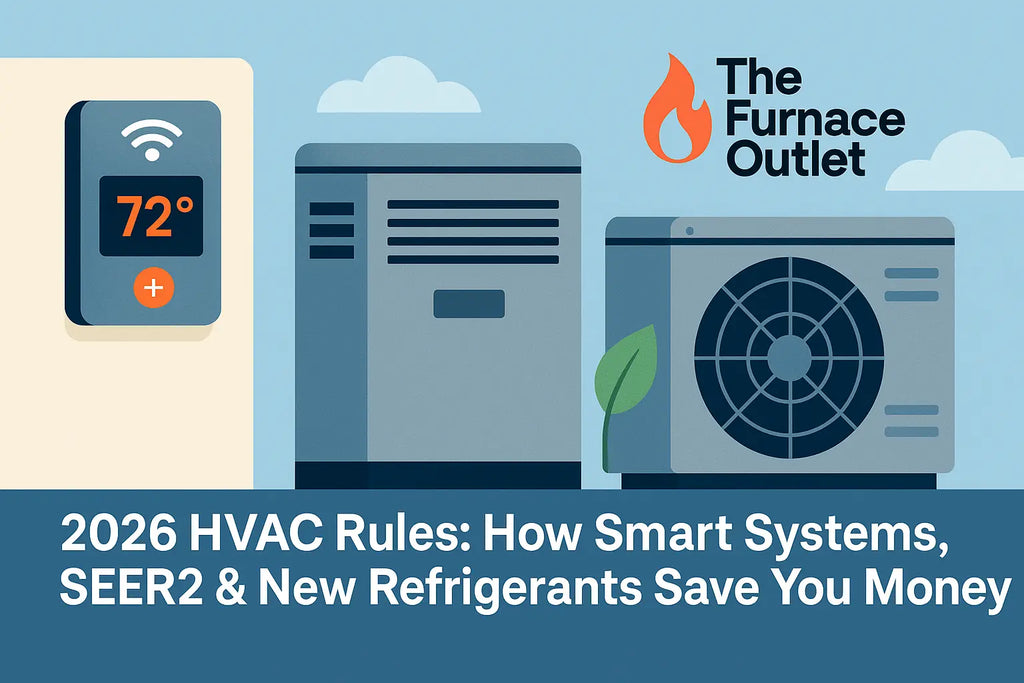
Predictive Efficiency: AI Learning Your Comfort
The core innovation in smart HVAC systems by 2026 will be predictive efficiency. Forget simply setting a schedule; AI algorithms will analyze a wealth of data to anticipate your heating and cooling needs before you even feel a change in temperature. This goes far beyond a basic thermostat learning your routine. These systems will factor in weather forecasts, occupancy patterns, and even individual preferences to optimize energy usage.
Think about it: the system learns that you typically lower the temperature at night, but also notices you often have guests over on Friday evenings. It will adjust the cooling accordingly, pre-emptively lowering the temperature before your guests arrive, without you having to lift a finger. It’s not just about timing, it’s about understanding the why behind your temperature adjustments.
This predictive capability relies on a network of sensors. Temperature and humidity sensors are standard, but we’ll see increased use of motion sensors, door/window sensors, and even sensors that detect sunlight levels. The system uses this data, combined with historical energy bills, to build a comprehensive model of your home’s thermal behavior and your personal comfort preferences. The more data, the more accurate the predictions become, leading to greater energy savings. It’s a continuous learning process.
The AI doesn’t just react to your habits; it learns from the performance of the HVAC system itself. If it notices the system is struggling to maintain a set temperature during peak hours, it can proactively adjust settings or alert you to potential maintenance needs.
Zoning Gets Smarter: Targeted Climate Control
Zoning – the ability to control temperatures in different areas of your home independently – is already a valuable feature, but it’s often limited by manual adjustments or basic timers. In 2026, AI will elevate zoning to a new level of sophistication. Instead of simply setting different temperatures for different rooms, the system will dynamically adjust airflow based on real-time conditions.
Imagine a scenario where the system detects that a guest bedroom is unoccupied and receives direct sunlight. It will automatically reduce airflow to that room, focusing cooling efforts on occupied areas. Or consider a home office where someone is actively working; the AI will prioritize comfort in that space, even if it means slightly adjusting temperatures in other areas. This targeted climate control maximizes comfort while minimizing energy waste.
For older homes without existing zoning, retrofit options will become more accessible and affordable. Smart vents and zoning control panels can be added to existing ductwork, enabling AI-powered zoning without a complete HVAC overhaul. Integration with smart blinds and window coverings will further enhance efficiency, allowing the system to automatically adjust shading to reduce solar heat gain.
Maintenance and Repair: AI’s Diagnostic Edge
AI won’t just improve comfort and efficiency; it will also revolutionize HVAC maintenance and repair. Predictive maintenance – identifying potential problems before they lead to breakdowns – will become increasingly common. The system will continuously monitor sensor data, looking for anomalies that could indicate a developing issue.
For example, subtle changes in vibration patterns, temperature fluctuations, or pressure readings could signal a failing component. The AI will flag these anomalies and alert you or your HVAC technician, allowing for proactive repairs. This can prevent costly emergency repairs and extend the lifespan of your equipment.
This doesn’t mean HVAC technicians will be out of a job. Quite the contrary. AI will augment their skills, providing them with valuable diagnostic information and enabling them to perform more efficient and targeted repairs. Technicians will need to adapt to working with these advanced systems, learning how to interpret the data and utilize the diagnostic tools. At Find HVAC Repair, we are already investing in training our technicians to handle these new technologies.
The shift towards predictive maintenance will also drive demand for more sophisticated sensors and data analytics. Expect to see HVAC manufacturers offering subscription-based monitoring services that provide ongoing diagnostics and support.
Energy Bill Impact: Real Savings or Just Hype?
The big question, of course, is: how much money will smart HVAC systems actually save you? According to ENERGY STAR, a smart thermostat can save homeowners up to 10% on heating and cooling costs. However, the savings with AI-powered systems are expected to be significantly higher – potentially exceeding 20% – as the technology becomes more refined.
It's important to be realistic. Actual savings will vary depending on a number of factors, including your climate, home insulation, usage habits, and the efficiency of your existing HVAC equipment. A poorly insulated home will still lose energy, even with the most advanced smart system. Similarly, frequent opening of doors and windows will negate some of the benefits.
The initial investment is a significant consideration. Smart thermostats currently range in price from $100 to $300, while a complete AI-powered system with zoning and advanced sensors could cost several thousand dollars. However, many utilities offer rebates and incentives to encourage the adoption of energy-efficient technologies. Check with your local utility provider to see what’s available.
To calculate your potential ROI, consider your current energy bills, the cost of the system, and the estimated savings. A typical homeowner might recoup their investment in 3-5 years, but this will vary depending on their individual circumstances. The long-term benefits – reduced energy consumption, increased comfort, and extended equipment lifespan – make smart HVAC systems a worthwhile investment for many.
Security and Privacy: Protecting Your Climate Data
With the increased connectivity of smart HVAC systems comes legitimate concerns about data privacy and security. These systems collect a significant amount of data about your home and your habits – when you’re home, when you’re away, your preferred temperatures, and more. It's crucial to understand how this data is being used and who has access to it.
Manufacturers have a responsibility to protect your data. Look for systems that employ strong encryption and adhere to industry best practices for data security. Ensure the manufacturer has a clear privacy policy that outlines how your data will be collected, used, and shared. Strong passwords and a secure home Wi-Fi network are also essential.
Be wary of systems that collect excessive data or share it with third parties without your consent. Consider the potential vulnerabilities of connected devices and take steps to mitigate them, such as regularly updating firmware and enabling two-factor authentication. It’s also wise to be mindful of the permissions you grant to smart home apps.
Ultimately, protecting your climate data is a shared responsibility. Homeowners need to be proactive about security, and manufacturers need to prioritize privacy in their product design and development.
Compatibility and Installation: What to Consider Now
If you’re considering upgrading to a smart HVAC system, it’s important to assess your existing setup. Not all systems are compatible with all smart technologies. Older HVAC equipment may require additional adapters or control modules to integrate with a smart thermostat or zoning system.
Installation can range from a simple DIY project to a more complex undertaking requiring a professional HVAC technician. Replacing a basic thermostat is typically straightforward, but installing a complete zoning system or retrofitting an older home with smart vents is best left to the experts. Improper installation can void warranties and compromise system performance.
At Find HVAC Repair, we specialize in the installation and maintenance of smart HVAC systems. Our experienced technicians can assess your existing setup, recommend the best solutions for your needs, and ensure a seamless installation process. We work with all major brands and can integrate your HVAC system with other smart home platforms, such as Amazon Alexa, Google Assistant, and Apple HomeKit.
When choosing a smart HVAC system, consider factors such as compatibility, features, ease of use, and security. Read reviews, compare prices, and don’t hesitate to ask questions. Investing in a well-designed and properly installed system will pay dividends in terms of energy savings, comfort, and peace of mind.
No comments yet. Be the first to share your thoughts!