
The Rise of the Intelligent Home
The smart home is growing, changing how we interact with our living spaces. Smart HVAC systems are part of this, moving beyond basic climate control to offer more comfort, convenience, and efficiency.
People are buying more smart home devices for energy savings and a connected lifestyle. Statista reported a 15% increase in smart home device ownership in 2024. This demand pushes manufacturers to innovate, with HVAC leading the way.
For years, HVAC systems just responded to thermostat settings. Now, they're proactive, learning habits and anticipating needs. This sets the stage for seamless climate control, optimized for comfort and energy conservation.
AI-Driven Climate Control: Beyond Thermostats
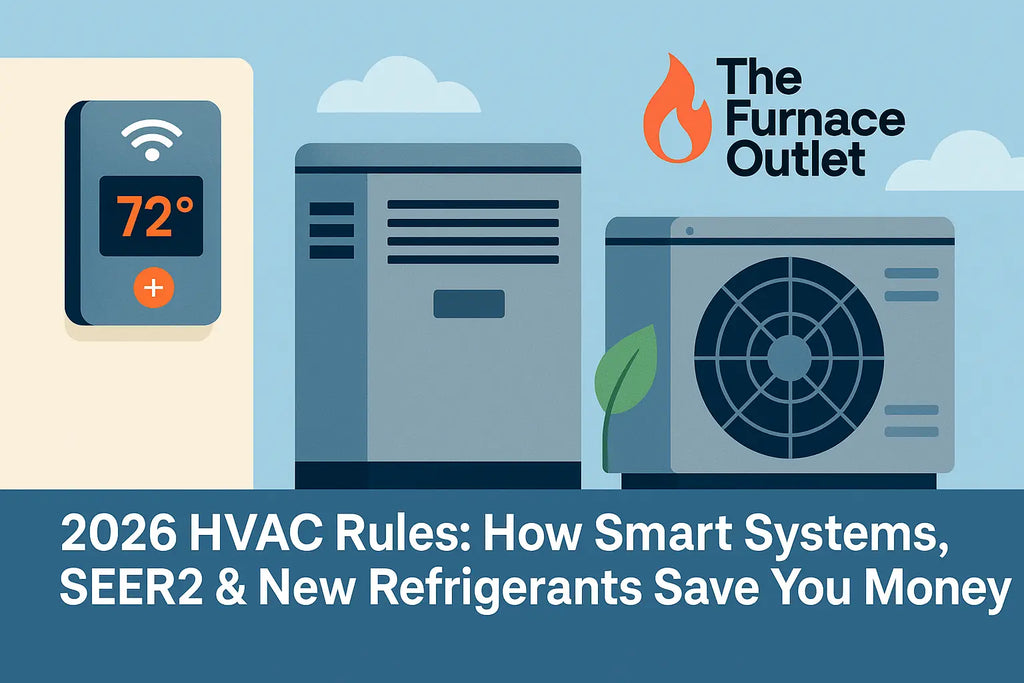
Programming a thermostat is becoming a thing of the past. AI is now integrated into HVAC systems for more sophisticated climate control. Machine learning algorithms analyze data, from past temperatures to weather forecasts, to predict fluctuations and optimize energy use.
This is about anticipating needs, not just setting a schedule. For example, an AI system can learn you arrive home at 6 PM and start pre-cooling, ensuring comfort when you walk in. It's a subtle but significant difference from a traditional thermostat.
These systems don't operate alone. Integrating with smart lighting and window shades allows a holistic approach to climate management. Imagine your HVAC working with smart blinds to minimize solar heat gain during the hottest part of the day – it's a coordinated effort for maximum efficiency.
Companies like Google (Nest Learning Thermostat) and ecobee are leading this charge, offering systems that learn and adapt to your preferences. They prove AI is a tangible benefit for homeowners, not just a buzzword.
Predictive Maintenance: Avoiding Costly Breakdowns
Predictive maintenance is one of the most promising applications of smart HVAC technology. Traditional HVAC maintenance relies on scheduled check-ups, often done after a problem has started. Smart systems are changing this.
These systems use sensors that continuously monitor key performance indicators like motor speed, refrigerant pressure, and airflow. AI algorithms analyze this data in real-time, looking for anomalies that could signal a potential failure. It's like a constant diagnostic check running in the background.
This proactive approach offers substantial benefits. Reducing unexpected repairs is the most obvious, but it also extends equipment lifespan and minimizes downtime. An average HVAC repair can cost hundreds of dollars, and a full system replacement thousands. Predictive maintenance aims to avoid both.
It's a shift from reactive to preventative care. Instead of waiting for your AC to stop working, you get an alert about a potential issue, allowing you to address it before it becomes a major problem. Some systems even automatically schedule service appointments with a technician. HVAC repair is increasingly about prevention.
For example, a sensor might detect a slight decrease in refrigerant pressure, indicating a potential leak. The system alerts you, allowing you to call for service before the compressor is damaged from running without enough refrigerant. This early detection can save money and hassle.
- Real-time system performance monitoring
- Anomaly detection using AI algorithms
- Early warning alerts for potential failures
- Reduced repair costs and downtime
- Extended equipment lifespan
Data Privacy and Security Concerns
Smart HVAC systems' increased connectivity raises data privacy and security concerns. These systems collect significant data – usage patterns, occupancy schedules, and even daily routines. It's important to understand how this data is collected, stored, and used.
Potential risks include hacking, data breaches, and unauthorized access to personal information. A compromised HVAC system could be used to access your home network, creating a security vulnerability. Current standards vary by manufacturer, but robust security measures are essential.
Manufacturers use security protocols like encryption, data anonymization, and strong password requirements. However, homeowners must take proactive steps to protect their data. This includes using strong, unique passwords, enabling two-factor authentication, and keeping firmware up to date.
Look for systems that comply with industry security standards and have a clear privacy policy outlining data handling. Pay attention to the manufacturer’s reputation and track record for security updates and vulnerability patches.
Energy Savings: Real Numbers and Incentives
A primary driver for adopting smart HVAC systems is the potential for significant energy savings. ENERGY STAR reports homeowners can save up to 20% on heating and cooling costs with a smart thermostat. That translates to substantial savings over the equipment's lifespan.
Savings come from optimized temperature settings, reduced energy waste, and proactive maintenance. By learning habits and adjusting temperature, smart systems eliminate heating or cooling an empty house.
Beyond direct energy savings, rebates, tax credits, and utility incentives are available to help offset the cost of installing smart HVAC technology. The Database of State Incentives for Renewables & Efficiency (DSIRE) is a resource for finding incentives in your area. These programs can significantly reduce the upfront investment.
An ENERGY STAR maintenance checklist can help ensure your system runs efficiently. Proper maintenance, combined with a smart system, can maximize energy savings and extend HVAC equipment life.
Smart HVAC Feature Comparison: Potential Energy Savings (2026 Outlook)
| Feature | Description | Potential Energy Savings | Implementation Complexity | Maintenance Needs |
|---|---|---|---|---|
| Geofencing | Utilizes location data to adjust temperature settings based on occupancy. Systems can detect when residents are approaching or leaving and adjust accordingly. | Medium | Low to Medium | Low - Primarily software-based, occasional location service verification. |
| Learning Thermostats | Employs algorithms to learn user preferences and automatically adjust temperature settings for optimal comfort and efficiency. | High | Medium | Low - Periodic software updates and sensor calibration may be needed. |
| Zone Control | Divides a home into distinct temperature zones, allowing for individualized climate control in each area. | Medium to High | Medium to High | Medium - Requires damper maintenance and potential sensor recalibration. |
| Remote Access | Enables users to monitor and control their HVAC system from a smartphone, tablet, or computer. | Low to Medium | Low | Low - Relies on stable internet connection and app updates. |
| Predictive Maintenance | Uses sensor data and machine learning to anticipate potential HVAC system failures and schedule maintenance proactively. | Medium to High | High | Medium - Requires data analysis and potentially specialized technician expertise. |
| Demand Response Integration | Connects HVAC systems to utility demand response programs, automatically adjusting energy usage during peak demand periods. | Medium | Medium | Low - Primarily managed through utility provider and smart thermostat integration. |
| Air Quality Monitoring Integration | Integrates with indoor air quality sensors to adjust HVAC operation for optimal ventilation and filtration. | Low to Medium | Medium | Medium - Requires sensor calibration and filter replacement based on readings. |
Illustrative comparison based on the article research brief. Verify current pricing, limits, and product details in the official docs before relying on it.
Installation and Compatibility: What to Consider
Installing a smart HVAC system requires careful consideration. DIY options exist for some thermostats, but professional installation is generally recommended, especially when integrating with existing HVAC equipment. A qualified technician can ensure proper installation, compatibility, and optimal performance.
Compatibility is a key concern. Not all smart thermostats work with all HVAC systems. It's essential to check the manufacturer’s compatibility list before purchasing. Factors to consider include the type of heating and cooling system (furnace, heat pump, central AC), voltage requirements, and unique wiring configurations.
Smart HVAC systems use different communication protocols, including Wi-Fi, Zigbee, and Z-Wave. Wi-Fi is common and convenient but can be susceptible to interference. Zigbee and Z-Wave offer greater reliability and security but require a compatible hub.
undefined on the best option for your specific situation.
The Future of HVAC: Integration and Automation
The future of HVAC is one of seamless integration and intelligent automation. We're moving beyond individual smart thermostats to a more interconnected ecosystem where HVAC systems work in harmony with the grid and other smart devices.
Emerging trends include integration with virtual power plants (VPPs), which aggregate distributed energy resources – like smart HVAC systems – to provide grid services. Demand response programs incentivize homeowners to reduce energy consumption during peak demand periods, helping to stabilize the grid.
Grid-interactive efficient buildings (GEBs) take this concept a step further, dynamically adjusting energy usage based on grid conditions. AI algorithms can optimize HVAC systems to minimize energy costs and maximize grid reliability.
This evolving landscape will require HVAC technicians to develop new skills and training. They’ll need to be proficient in data analytics, cybersecurity, and integration with other smart home technologies. HVAC Maintenance will be less about fixing what’s broken and more about optimizing performance and preventing issues.
The potential is enormous. Imagine a future where entire neighborhoods are managed as a single, intelligent energy system, with HVAC systems working together to optimize energy efficiency and resilience.
Finding a Qualified HVAC Technician
Installing, maintaining, and repairing smart HVAC systems requires specialized knowledge and expertise. Choosing a qualified and experienced HVAC technician is crucial to ensure optimal performance and reliability. At Find HVAC Repair, we connect you with trusted professionals who are well-versed in the latest HVAC technologies.
Our network of technicians has the skills and training to handle everything from initial installation to ongoing maintenance and complex repairs. We’re committed to providing exceptional customer service and ensuring your complete satisfaction. We also highlight HVAC apprenticeship opportunities for those looking to enter the field.
Don’t settle for just anyone when it comes to your HVAC system. Choose Find HVAC Repair for peace of mind and a comfortable, energy-efficient home. HVAC Services are our specialty.
No comments yet. Be the first to share your thoughts!