
5 signs your HVAC is failing
Most people don't think about their AC until the house hits 85 degrees. Some breakdowns are minor, but others are actual emergencies that can ruin your equipment or start a fire if you keep the power on.
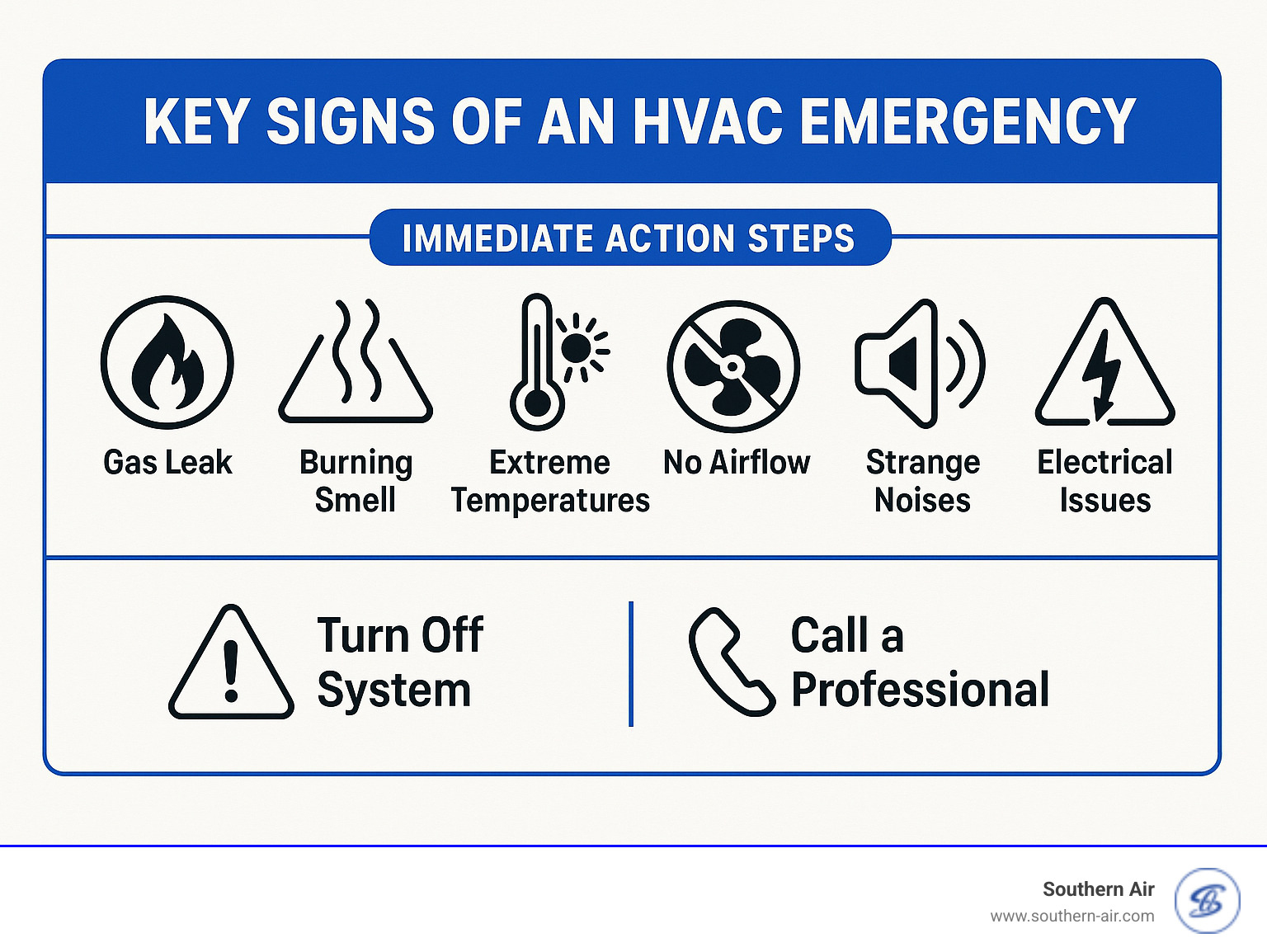
Five key indicators demand immediate attention: a complete system failure (no power, no airflow), a burning smell, unusually loud noises coming from the unit, water leaks around the indoor or outdoor unit, and visible ice buildup on the refrigerant lines or evaporator coil. These aren’t problems you can typically troubleshoot yourself; they often require a professional diagnosis and repair.
If you experience any of these, the first step is usually to shut down the system. Continuing to run a failing HVAC system can exacerbate the problem and potentially cause a fire or electrical shock. Don’t try to restart it repeatedly. Instead, contact a qualified HVAC technician. It’s far better to be safe than sorry when dealing with these kinds of issues.
I’ve seen firsthand how quickly a small issue can become a major headache if left unaddressed. A burning smell, for example, could indicate an electrical fault, which is a serious fire risk. Similarly, ignoring a water leak can lead to mold growth and structural damage. Prompt action is always the best policy.
No Cool Air, Just Warm? Investigate This
One of the most common complaints we hear at Find HVAC Repair is that the air conditioning unit is blowing warm air instead of cool. This can be frustrating, especially during a heatwave. While there are a few things you can check yourself, many causes require professional attention. Start with the basics: is your thermostat set correctly? Is the air filter clean?
A clogged air filter restricts airflow, making your system work harder and less efficiently. A dirty filter can definitely reduce cooling performance. Also, check the outdoor unit to ensure it’s not blocked by debris like leaves, grass clippings, or overgrown plants. Ensure nothing is obstructing the fan.
If the filters and coils are clean but the air is still warm, you likely have a refrigerant leak. You can't fix this yourself. Handling R-410A or R-22 requires an EPA 608 certification, and topping off a leaking system without fixing the hole is a waste of money and bad for the environment.
What those weird smells mean
Your HVAC system shouldn’t have a noticeable smell. Unusual odors are often warning signs of underlying problems. Different smells can point to different issues, so paying attention to what you smell is important. A burning smell is perhaps the most concerning, as it usually indicates an electrical issue—a potential fire hazard.
A musty or moldy smell often suggests mold growth within the system, likely due to condensation buildup and poor ventilation. This isn’t just an HVAC problem; it can affect your indoor air quality and potentially cause health issues. A sweet smell might indicate a refrigerant leak, which, as we discussed, requires professional attention.
These smells don't go away on their own. A technician needs to find the source—whether it's a fried circuit board or a moldy coil—before the damage spreads.
- Burning smells usually mean a motor is seizing or a wire is melting.
- Musty/Moldy Smell: Mold growth, poor ventilation
- Sweet Smell: Refrigerant leak
Water Leaks: Beyond a Simple Drip
Water leaks around your HVAC system are rarely a minor annoyance. They can cause significant water damage to your home, promote mold growth, and even create electrical hazards. Identifying the source of the leak is the first step, but often requires a professional assessment. Common sources include a clogged condensate drain, a cracked drain pan, or a refrigerant line issue.
The condensate drain is designed to remove moisture that accumulates during the cooling process. If it becomes clogged, water can back up and leak. You can sometimes clear a clogged drain yourself, but if the problem persists, it could indicate a more serious issue. A cracked drain pan requires professional replacement.
Refrigerant leaks are particularly concerning. Refrigerant is a chemical substance that needs to be handled by a licensed technician. Attempting to repair a refrigerant leak yourself is dangerous and illegal. It's best to call a professional immediately to prevent further leaks and environmental damage.
Ice Formation: A System Blockage
If you notice ice buildup on your air conditioner’s refrigerant lines or evaporator coil, it’s a sign of restricted airflow or low refrigerant. This is a serious issue that needs to be addressed quickly. Restricted airflow can be caused by a dirty air filter, blocked vents, or a malfunctioning blower fan. Low refrigerant, again, requires a professional to diagnose and repair.
Attempting to chip away at the ice yourself can cause further damage to the delicate components of your AC unit. It’s crucial to turn off the system and call a qualified technician. They'll identify the underlying cause of the ice buildup and restore your system to proper operation.
Preventative maintenance, as outlined in the ENERGY STAR Maintenance Checklist (energystar.gov), can help prevent ice formation. Regular air filter changes and keeping the outdoor unit clear of debris are essential steps in maintaining a healthy HVAC system. Ignoring ice buildup can lead to compressor failure, a costly repair.
- Restricted Airflow: Dirty air filter, blocked vents
- Low Refrigerant: Requires professional diagnosis and repair
Essential HVAC Maintenance Supplies for Emergency Preparedness

Non-acid deep cleaning foam · Easy application aerosol spray · Cleans HVAC coils
This coil cleaner helps maintain optimal HVAC performance by removing dirt and preventing corrosion, which can reduce efficiency and lead to more serious issues.
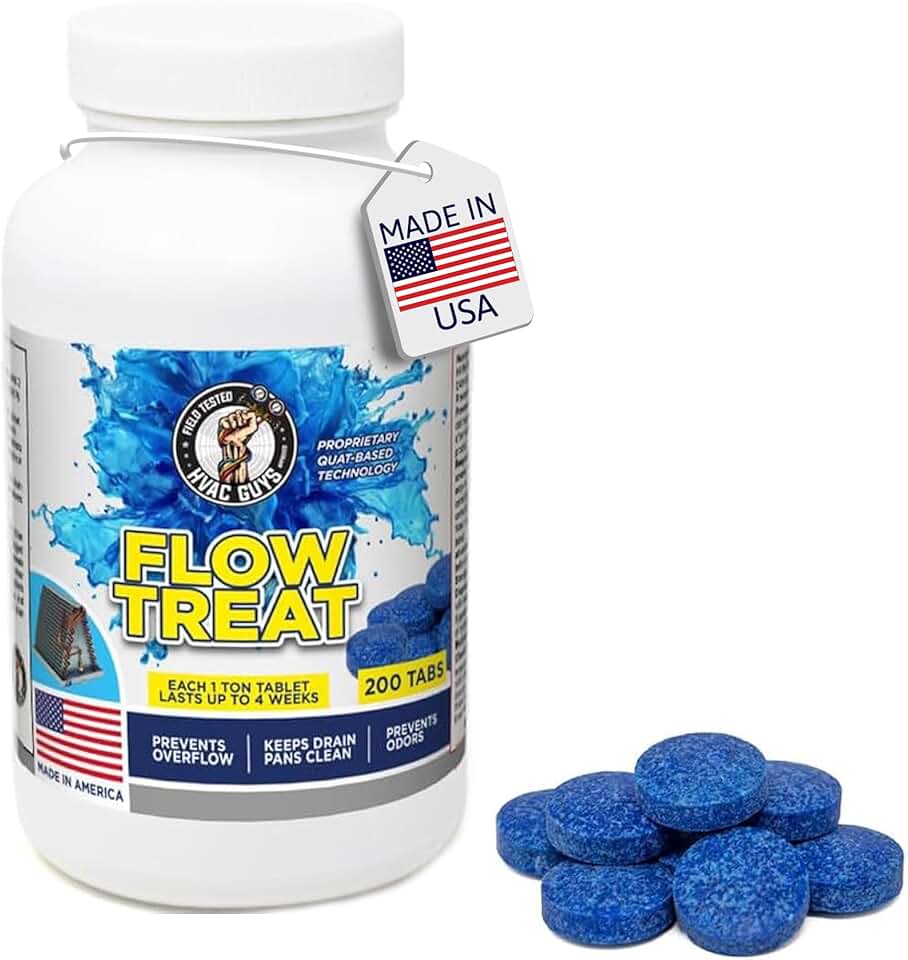
Prevents odors · Keeps AC drain pan clean · Prevents drain line overflow
Regular use of these tabs can prevent clogs and water damage caused by blocked drain lines, a common issue that can lead to costly repairs.

MERV 11 rating for superior filtration · Electrostatic pleated design · Effective for pet dander and allergens
Replacing air filters regularly with high-quality options like these improves air quality and reduces strain on your HVAC system, preventing potential breakdowns.

Detects refrigerant leaks · Easy spray application · Formulated for HVAC systems
Early detection of refrigerant leaks with this spray can prevent system inefficiency and potential damage, avoiding more expensive emergency repairs.
As an Amazon Associate I earn from qualifying purchases. Prices may vary.
When to call a pro
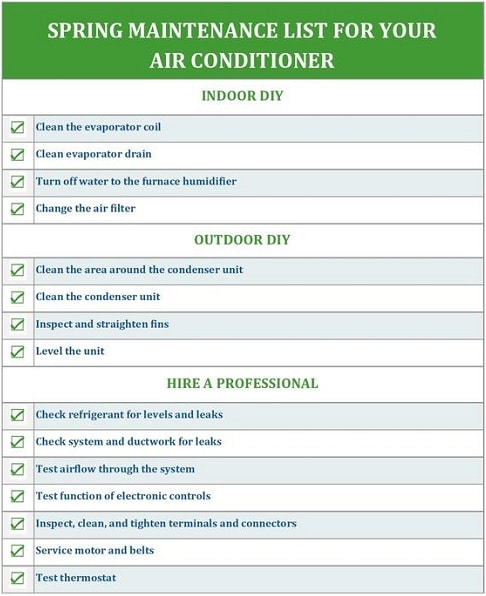
Knowing when to tackle an HVAC issue yourself and when to call a professional is crucial. Simple tasks like changing the air filter, cleaning around the outdoor unit, and adjusting the thermostat are generally safe for homeowners to handle. These tasks can improve your system’s efficiency and extend its lifespan.
However, any work involving electrical components, refrigerant, or the internal workings of the system should always be left to a qualified technician. Refrigerant handling requires EPA certification, and electrical repairs can be dangerous if not performed correctly. Ignoring this can lead to costly repairs or even personal injury.
I’m a firm believer in knowing your limits. It's far better to spend a little more money on a professional repair than to risk damaging your system further or creating a safety hazard. A small problem left unaddressed can quickly escalate into a major expense. Don't gamble with your comfort and safety.
- You can handle filter swaps, clearing brush away from the outside unit, and checking thermostat batteries.
- Professional Required: Refrigerant work, electrical repairs, compressor issues, complex diagnostics
DIY or Pro? Evaluating Common HVAC Issues
| Problem | DIY Difficulty | Safety Risk | Professional Required |
|---|---|---|---|
| Dirty Air Filter | Easy | Low | No |
| Frozen Evaporator Coil | Medium | Medium | No (with caution - can lead to compressor damage if not handled correctly) |
| Refrigerant Leak | Hard | High | Yes |
| Blower Motor Failure | Medium | Medium | Yes |
| Thermostat Malfunction (basic settings) | Easy | Low | No |
| Electrical Issues (burning smell, sparking) | Hard | High | Yes |
| Drainage Problems (clogged condensate drain) | Medium | Low | No (for simple clogs), Yes (for extensive issues or mold) |
| Strange Noises (banging, rattling) | Medium | Medium | Yes (often indicates internal component failure) |
Illustrative comparison based on the article research brief. Verify current pricing, limits, and product details in the official docs before relying on it.
Preventative Maintenance: Avoiding Emergencies
The best way to avoid costly emergency HVAC repairs is through regular preventative maintenance. Schedule annual tune-ups with a qualified technician to inspect and clean your system, check refrigerant levels, and identify potential problems before they escalate. Change your air filters every one to three months, depending on usage and air quality.
Keep the outdoor unit clear of debris, ensuring proper airflow. Trim any vegetation that’s growing too close to the unit. These simple steps can significantly extend the life of your HVAC system and improve its efficiency. I think people often underestimate the long-term savings that preventative maintenance can provide.
A well-maintained HVAC system not only operates more efficiently but also provides better indoor air quality and reduces the risk of unexpected breakdowns. Investing in preventative maintenance is an investment in your comfort, health, and peace of mind.
No comments yet. Be the first to share your thoughts!