

Narrow down the problem
Before calling a professional, isolate the specific symptom. AC issues often share similar causes, so identifying the exact behavior helps you communicate clearly with technicians and avoids unnecessary service fees. Start by observing when the unit fails and what it sounds like.
The unit won’t start at all. Check your thermostat first. Ensure it is set to "Cool" and the temperature is below the current room reading. If the display is blank, replace the batteries. If the display works but the outdoor unit remains silent, check your home’s circuit breaker panel. A tripped breaker for the AC system is a common, fixable issue. Reset it once; if it trips again immediately, stop and call an electrician.
The unit runs but blows warm air. This usually points to airflow or refrigerant problems. Inspect your air filter. A clogged filter restricts airflow, causing the evaporator coil to freeze and then melt into water, or simply preventing heat exchange. Replace a dirty filter immediately. If the air is still warm, the outdoor condenser coils may be dirty or the fan motor may be failing.
The unit runs but doesn’t cool effectively. Check the thermostat placement. If it’s in a hot spot or near a heat source, it will shut off prematurely. Also, listen for unusual noises. Grinding or squealing often indicates a failing motor bearing, while a loud banging sound could mean a loose internal component.
Water is leaking indoors. This is rarely a refrigerant leak and more often a clogged condensate drain line. Algae and debris can block the PVC pipe. You can often clear it with a wet/dry vacuum or a cup of distilled vinegar. If the leak persists, the drain pan may be cracked or the pump may be failing.
| Symptom | Likely Cause | First Check |
|---|---|---|
| No power | Tripped breaker or dead batteries | Reset breaker / Replace batteries |
| Warm air | Dirty filter or frozen coil | Replace filter / Thaw coil |
| Weak airflow | Clogged filter or blocked vents | Clean filter / Open all vents |
| Water leak | Clogged drain line | Clear drain pipe with vacuum |
If these basic checks don’t resolve the issue, the problem likely involves the compressor, capacitor, or refrigerant charge. These components require specialized tools and certification to repair safely.
Run these checks
Summer AC preparation starts with a systematic diagnostic sequence. You are not just cleaning parts; you are verifying the health of the entire cooling loop. A unit that fails mid-July costs far more than one that is maintained in May. Follow this ordered checklist to identify issues before the heat demands full capacity.

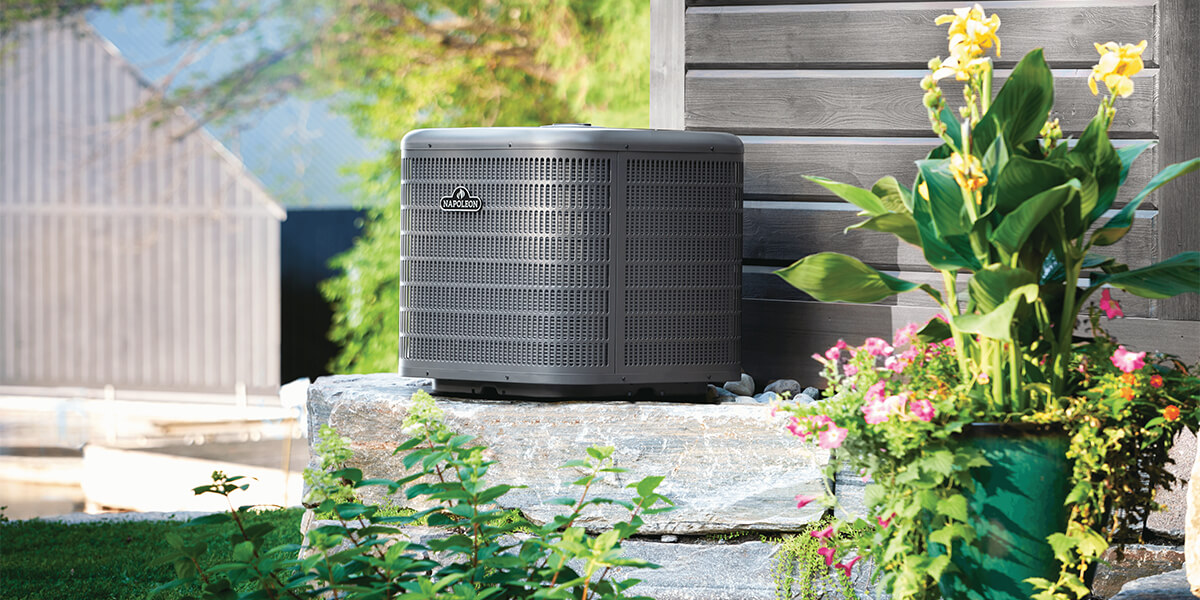
Remove leaves, grass clippings, and debris from around the condenser unit. Maintain at least two feet of clearance on all sides. The outdoor coil needs airflow to release heat; restricted airflow forces the compressor to work harder, raising energy bills and risking premature failure.

Check the return air filter. If it is disposable and looks gray or clogged, replace it immediately. A dirty filter restricts airflow across the evaporator coil, which can cause the coil to freeze up. For the best summer performance, replace filters every 30 to 90 days depending on household dust levels and pets.

Examine the aluminum fins on the outdoor condenser coil. If they are bent or crushed, use a fin comb to straighten them. Bent fins block airflow through the coil, reducing cooling efficiency. Handle the fins gently; they are thin and easily damaged, which can lead to refrigerant leaks if the coil is punctured.

Locate the condensate drain line, usually a PVC pipe near the indoor air handler. Pour a cup of distilled vinegar or a specialized drain tablet into the access tee to clear algae and sludge buildup. A clogged drain line can cause water damage to your ceiling or walls and may trigger a safety switch that shuts off the AC entirely.
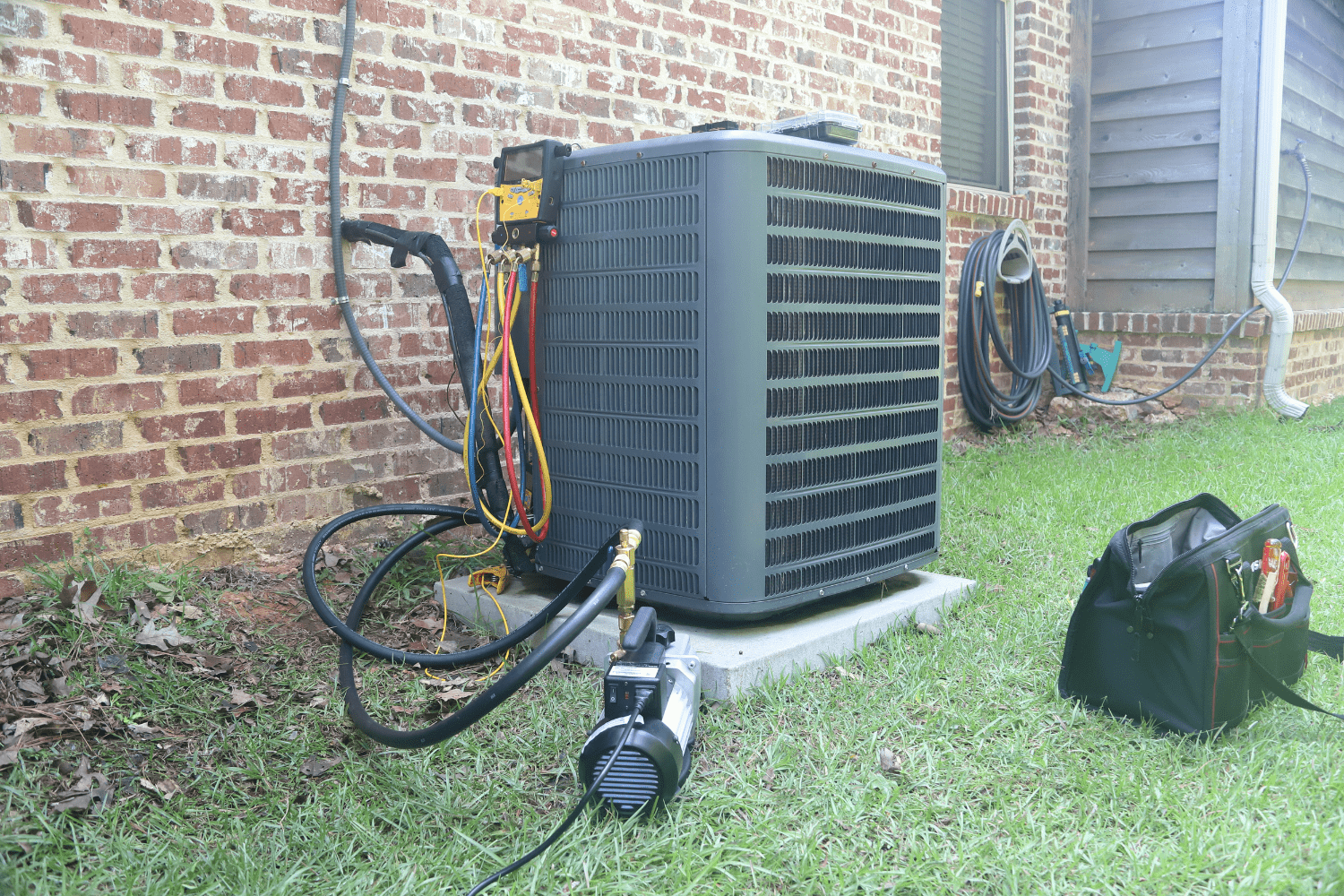
Test the thermostat by setting it to "cool" and lowering the temperature below the current room reading. The outdoor fan should start within a few minutes. If the system does not respond, check the thermostat batteries or wiring. A malfunctioning thermostat is a common reason homeowners call for emergency repairs when the unit itself is perfectly healthy.
After completing these checks, turn the system on and listen for unusual noises. Grinding, squealing, or rattling sounds indicate mechanical issues that require a professional technician. If the unit runs quietly and blows cold air, your summer AC preparation is complete.
What usually fixes it
When an air conditioner fails to cool effectively, the culprit is often a simple blockage rather than a mechanical failure. The most common and easily resolved issue is restricted airflow caused by a dirty air filter. A clogged filter forces the system to work harder, reducing efficiency and potentially freezing the evaporator coils. Replacing a standard 1-inch filter every one to three months during peak usage is the single most effective maintenance step you can take. If your system uses a thicker 4-inch media filter, check it every three to six months. This small change alone can restore proper airflow and stabilize indoor temperatures.
Another frequent fix involves the outdoor condenser unit. Over the winter, leaves, grass clippings, and debris can accumulate around the unit, blocking the fan and restricting heat exchange. Clearing a two-foot radius around the condenser ensures the fan can pull in enough air to dissipate heat efficiently. If the fins are bent, they can be gently straightened with a fin comb to restore airflow. However, if the unit is sitting in direct sunlight without shade, consider planting deciduous shrubs that provide summer shade but drop their leaves in winter, allowing sunlight to warm the unit during colder months.
Refrigerant leaks require professional intervention. If your AC blows warm air despite clean filters and clear coils, the system may be low on refrigerant. Unlike oil, refrigerant does not get "used up"; a low charge indicates a leak that must be located and sealed by a licensed technician. Simply adding more refrigerant without fixing the leak is a temporary fix that will fail again. Similarly, if the compressor fails to start or makes a humming noise, the issue could be a faulty capacitor or contactor. These electrical components are relatively inexpensive to replace but require specialized tools and safety knowledge to handle correctly.
For minor thermostat issues, check the batteries and ensure the unit is set to "cool" mode with the fan on "auto." If the system short-cycles—turning on and off too frequently—it may be due to a misaligned sensor or an oversized unit. In these cases, recalibrating the thermostat or consulting an HVAC professional for a load calculation can prevent unnecessary wear on the compressor. Regular professional maintenance, ideally scheduled in early spring, can identify these potential fixes before they become costly emergencies.
Common questions
How often should I change my AC filters before summer?
Change or clean your air filters every one to two months during peak usage. Clogged filters restrict airflow, forcing your compressor to work harder and raising energy bills. If you have pets or live in a dusty area, check them monthly. Replacing a $15 filter is far cheaper than repairing a burnt-out blower motor.
What is the difference between DIY maintenance and a professional tune-up?
DIY maintenance involves cleaning accessible parts like filters, clearing debris from the outdoor condenser, and ensuring vents are unblocked. A professional tune-up includes checking refrigerant levels, testing electrical components, and inspecting the evaporator coil for leaks. Think of DIY as daily brushing; a tune-up is the annual dental cleaning that catches hidden decay.
Can I prepare my AC myself or do I need a pro?
You can handle basic tasks like clearing leaves from the outdoor unit and verifying thermostat settings. However, handling refrigerant or electrical wiring requires certification and specialized tools. If your system is older than ten years, skip the guesswork and book a pre-season inspection to avoid mid-summer breakdowns.
How much does a pre-summer AC tune-up cost?
Most homeowners pay between $75 and $200 for a standard seasonal maintenance visit. This fee typically covers cleaning coils, checking airflow, and testing system performance. While it seems like an added expense, this proactive step prevents costly emergency repairs that often run into the thousands when a unit fails during a heatwave.
No comments yet. Be the first to share your thoughts!