
Why Winter HVAC Maintenance is Different (and More Important)
Waking up on a frigid winter morning to a furnace that won’t start is a common, unwelcome scenario. The house gets colder fast, leaving you scrambling. Winter HVAC maintenance is critical because your heating system works significantly harder during the colder months, constantly battling to maintain a comfortable indoor temperature.
This increased workload leads to more wear and tear. The system strains, translating to higher energy bills, or worse, a complete breakdown during peak demand when HVAC services are most expensive and difficult to schedule. Neglecting maintenance also creates safety hazards. A malfunctioning furnace can leak carbon monoxide, a dangerous colorless, odorless gas.
Preventative maintenance is an investment in your safety and finances, not just avoiding a chilly house. Regular upkeep costs less than emergency repairs or a full system replacement. It's like car maintenance: oil changes and tune-ups prevent larger, more costly problems. Ignoring your HVAC system's needs isn't worth the risk.
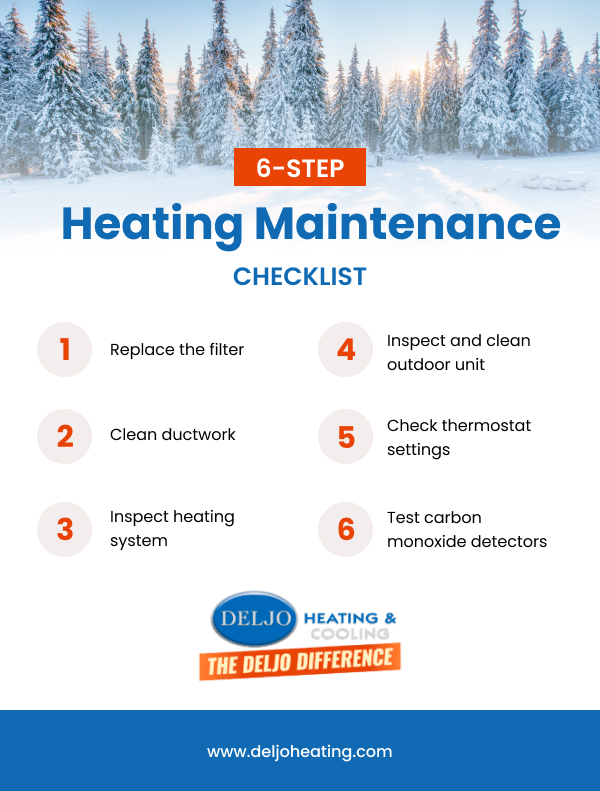
Step 1: The Thermostat Check – Beyond Just Setting the Temperature
Checking your thermostat involves more than just setting the temperature. Start with the batteries; a weak one can cause inaccurate readings or intermittent operation. Verify its accuracy by comparing its reading to a separate thermometer. A significant discrepancy signals a potential calibration issue.
If you have a programmable thermostat, ensure it’s set for efficient temperature setbacks when you're away or asleep. Smart thermostats offer greater control, letting you adjust temperatures remotely and learn your heating patterns for optimized energy savings. Set different temperatures for different times of day and days of the week.
Notice if your thermostat constantly overrides your set temperature or fails to maintain it. This could indicate a problem with the thermostat or the heating system. A thermostat frequently fighting the system to stay at the set temperature signals something is amiss.
Step 2: Air Filter Replacement – A Small Task with a Big Impact
A clean air filter is the most important, and easiest, HVAC maintenance task. Dirty filters restrict airflow, forcing your heating system to work harder to circulate air. This reduced efficiency leads to higher energy bills and can shorten your furnace or heat pump's lifespan. It also impacts indoor air quality by recirculating dust and allergens.
Air filters vary in type and filtration level. Fiberglass filters are inexpensive but offer minimal filtration. Pleated filters provide better filtration and are a good choice. HEPA filters offer the highest filtration but can restrict airflow if your system isn’t designed for them. The MERV (Minimum Efficiency Reporting Value) rating indicates a filter’s particle-capturing ability; higher ratings mean better filtration.
Replace your air filter monthly during peak heating season. Check it regularly and replace it if it appears dirty. A dirty filter harms your system and your wallet. This simple habit saves money and ensures your heating system runs efficiently for years.
- Fiberglass Filters: Least expensive, minimal filtration.
- Pleated Filters: Good all-around filtration.
- HEPA Filters: Highest filtration, may restrict airflow.
Step 3: Inspect and Clear the Outdoor Unit – Don’t Forget About Summer’s Friend
Even though your air conditioner isn't running in winter, the outdoor unit of a heat pump needs attention. Snow, ice, leaves, and debris can accumulate around the unit, restricting airflow and potentially damaging components. Regularly check the area and clear obstructions.
Avoid sharp objects when clearing debris, as they can damage the delicate fins. Use a soft brush or a garden hose with a gentle spray nozzle. Ensure at least two feet of clearance around the unit for proper airflow.
You can cover the unit to protect it from harsh weather, but avoid airtight covers, which trap moisture and promote corrosion. A breathable cover that allows ventilation is better. Proper airflow is essential, even when the system isn't running.
Step 4: Check Your Ductwork – The Hidden Highway of Heat
Your ductwork delivers heated air throughout your home. Leaky ducts waste significant energy; ENERGY STAR reports about 20 to 30 percent of air can be lost through leaks. This increases heating bills and reduces system efficiency.
Visually inspect accessible ductwork for gaps, tears, or disconnected sections. Pay attention to joints and seams, common leak areas. While professional equipment is needed for a thorough inspection, you can identify some problems yourself.
Professional duct sealing and insulation significantly improve energy efficiency. Sealing leaks prevents heated air escape, and insulation reduces heat loss. Addressing obvious ductwork issues makes a noticeable difference in home comfort and energy bills.
Step 5: Carbon Monoxide Detector Check – A Non-Negotiable Safety Step
Carbon monoxide (CO) is a dangerous, colorless, odorless gas produced by burning fuel. Furnaces, especially gas ones, can leak CO if malfunctioning. Working CO detectors are essential, particularly during heating season.
Test CO detectors monthly. Replace batteries as needed. CO detectors have a limited lifespan and should be replaced every five to seven years, or per manufacturer instructions. Check your specific model's recommendations.
Install CO detectors on every level of your home and near sleeping areas. These life-saving devices demand seriousness. Don’t ignore any alarm; evacuate immediately and call emergency services. Prioritizing CO detection is vital for winter HVAC safety.
Step 6: Professional HVAC Tune-Up – When to Call in the Experts
While DIY maintenance is important, a professional HVAC tune-up offers more. A qualified technician performs a comprehensive inspection, cleaning, and maintenance of your entire heating system, including the blower motor, burner, refrigerant levels, electrical connections, and moving parts.
A professional tune-up identifies potential problems before they become costly repairs, ensures peak system efficiency, and saves money on energy bills. It also extends equipment lifespan. Resources like Find HVAC Repair list over 46,827 businesses across 50 states.
The cost of a tune-up varies by location and system complexity, but findhvacrepair.com reports an average cost of $75 to $200. This is a small price for peace of mind.d and the potential to avoid expensive repairs. Investing in professional maintenance is a smart decision that will benefit you in the long run.
Step 7: Bleed Radiators (If Applicable) – Getting Rid of Trapped Air
If your home uses a radiator heating system, trapped air within the radiators can reduce their efficiency. Air prevents hot water from circulating properly, resulting in cold spots at the top of the radiator. Bleeding the radiators releases this trapped air, allowing the system to function optimally.
To bleed a radiator, you’ll need a radiator key (a small, specialized wrench). Locate the bleed valve on the radiator, usually near the top. Carefully insert the key and turn it counterclockwise until you hear a hissing sound, indicating air is escaping. Continue turning until water starts to drip out. Close the valve tightly once water is flowing steadily.
Be cautious when bleeding radiators, as the water can be very hot. Use gloves to protect your hands and have a towel nearby to catch any drips. This step doesn't apply to all homes, but it’s essential for those with radiator systems. There are many step-by-step guides available online if you prefer a visual demonstration.
No comments yet. Be the first to share your thoughts!