
Spot the early warning signs
Your HVAC system rarely fails without warning. Most breakdowns begin with subtle symptoms that escalate if ignored. Recognizing these early indicators is the first step in effective HVAC system repair. Catching issues early often prevents minor maintenance from turning into a full unit replacement.
Unusual noises
HVAC units are designed to run quietly. Rattling, grinding, or squealing noises signal mechanical problems. Loose belts, failing bearings, or debris in the fan assembly are common culprits. Ignoring these sounds can lead to compressor failure, which is expensive to fix.
Weak airflow
If your vents blow weak air, your system is struggling. This often points to clogged filters, blocked ducts, or a failing blower motor. Weak airflow forces the unit to work harder, increasing energy bills and wear on components. Checking and replacing filters is a simple first step.
Rising energy bills
A sudden spike in your electricity bill without increased usage is a red flag. It suggests your HVAC system is losing efficiency. Dirty coils, refrigerant leaks, or an aging unit may be the cause. An inefficient system wastes money and energy, making timely repair essential.
Short cycling
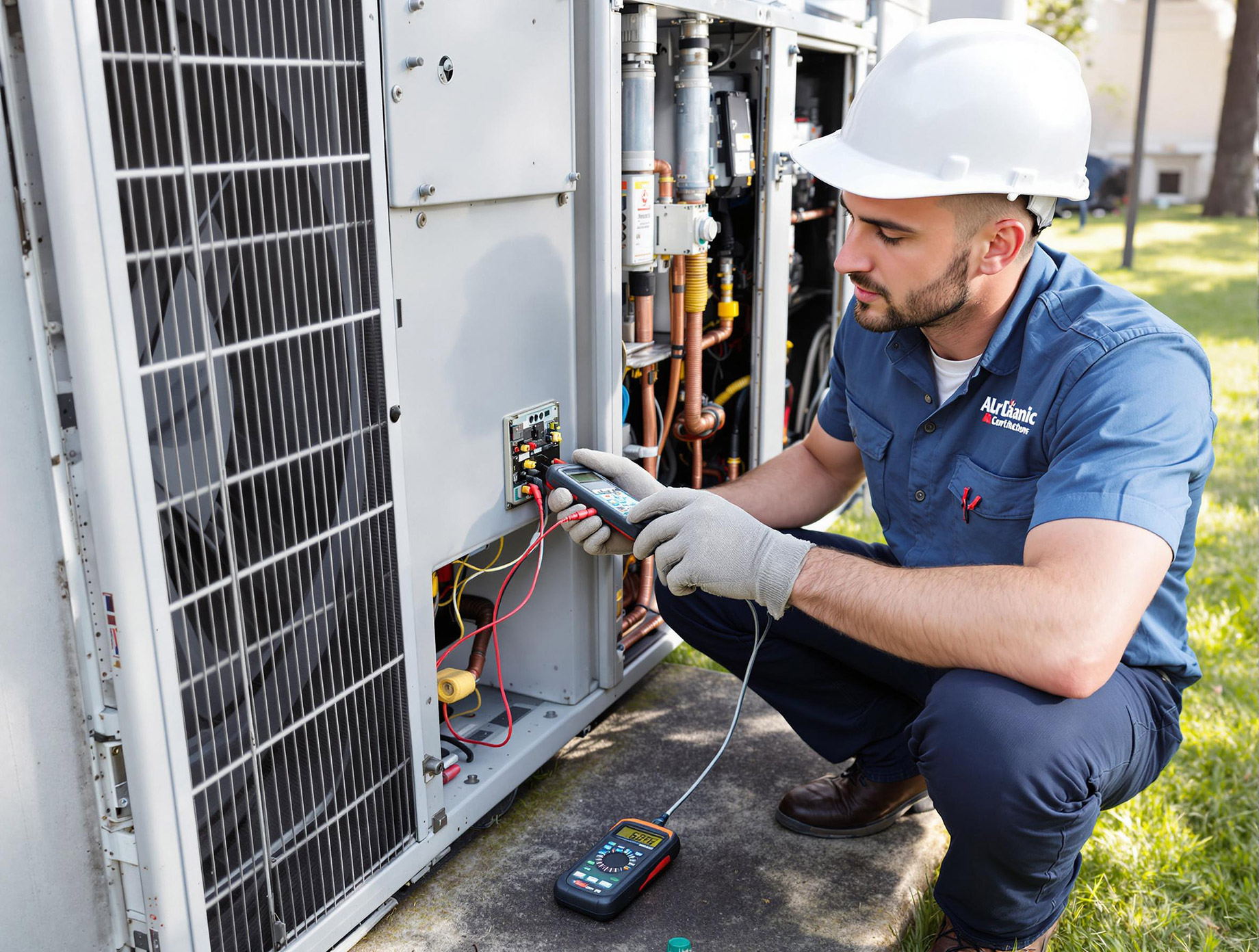
Short cycling happens when the system turns on and off too frequently. This wastes energy and strains the compressor. It can be caused by an oversized unit, thermostat issues, or overheating due to poor airflow. If your unit runs for only a few minutes at a time, it needs professional attention.
Apply the $5,000 replacement rule
When an HVAC technician hands you a repair estimate, the next step is to look at the age of your unit. This simple calculation, known as the $5,000 rule, helps you decide whether to invest in HVAC System Repair or start saving for a new system.
The math is straightforward: multiply the age of your unit in years by the cost of the repair. If the result is greater than $5,000, replacement is usually the smarter financial move.
Consider a 15-year-old furnace that needs a $400 heat exchanger repair. The calculation is 15 × $400 = $6,000. Since $6,000 exceeds the $5,000 threshold, you are likely throwing good money after bad. New units come with warranties and higher efficiency ratings, which can lower your monthly energy bills and provide peace of mind for years to come.
This rule serves as a baseline, not an absolute law. If your system is only five years old and requires a $2,000 fix, the math (5 × $2,000 = $10,000) might suggest replacement. However, a relatively new unit in good shape might still be worth repairing if the issue is isolated and the rest of the system is functioning well. Always weigh the financial heuristic against the actual condition of your equipment.
Check the age and efficiency rating
HVAC System troubleshooting should start with a clear boundary: what is actually broken, and what still works normally. Check the display, network connection, paired devices, app access, and recent updates before assuming the whole system needs a reset. A small connection failure can make the main screen feel unreliable even when the core system is fine. Work from low-risk checks to deeper resets. Confirm power state, safe parking, account access, and signal first. Then restart the interface, wait for it to reload completely, and test the original symptom. Avoid changing multiple settings at once because that makes it harder to know which step actually fixed the problem. If the issue affects safety information, repeats after every restart, or appears with warning messages, treat the reset as a temporary diagnostic step rather than the final fix. Document the symptom and move to official support instead of stacking more DIY attempts.
| Factor | What to check | Why it matters |
|---|---|---|
| Fit | Match the option to the primary use case. | A good deal still fails if it does not fit the job. |
| Condition | Verify age, wear, and service history. | Hidden condition issues erase upfront savings. |
| Cost | Compare purchase price with likely upkeep. | The cheapest option is not always the lowest-cost option. |
Verify repairs with a professional
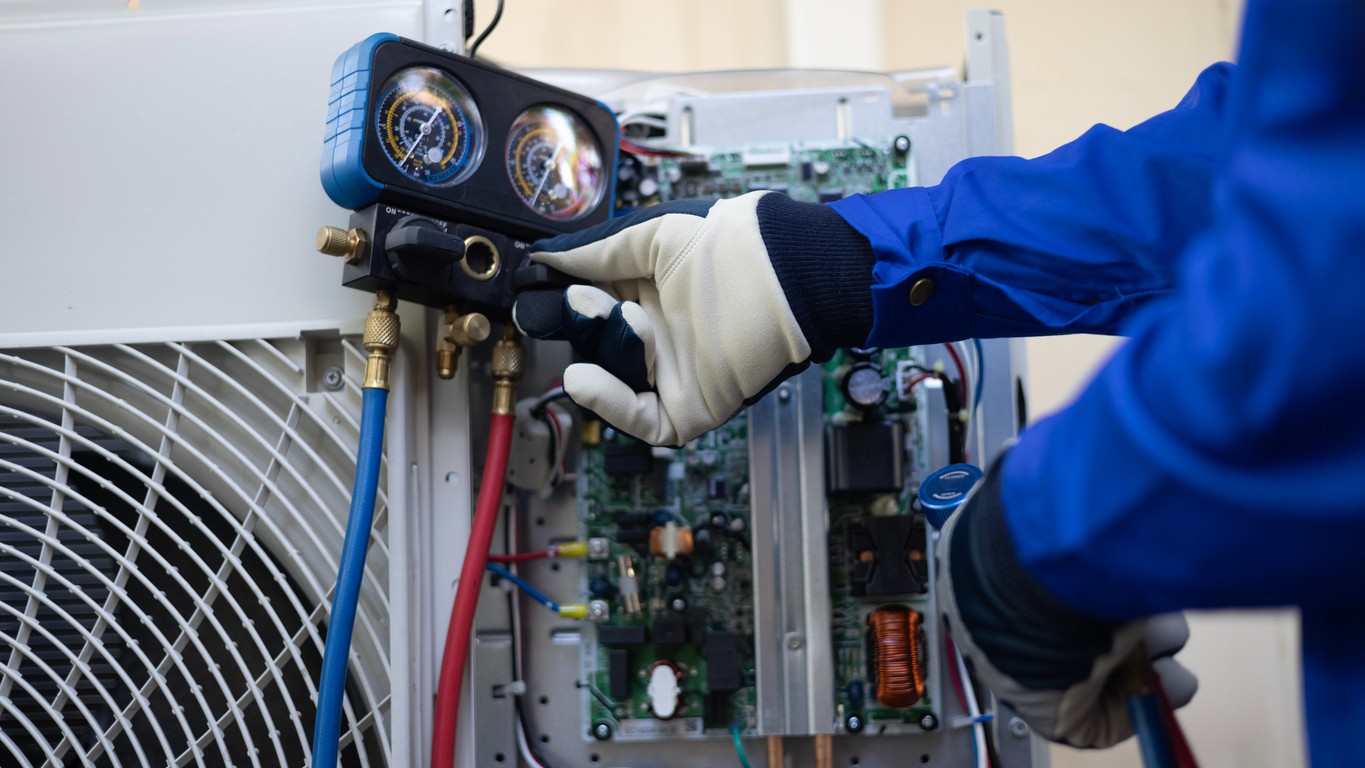
Before authorizing major work or starting the replacement process, a certified technician must validate the diagnosis. DIY assessments often miss underlying issues like refrigerant leaks or electrical degradation that only specialized gauges and multimeters can detect. Relying on unverified symptoms can lead to repeated HVAC system repair calls or a premature replacement of a unit that might have been restored.
A professional inspection provides a clear baseline for your unit’s health. The technician will check airflow balance, refrigerant pressure, and thermostat calibration. These metrics determine whether a simple fix is sufficient or if the system has reached the end of its operational life. This verification step protects you from paying for unnecessary parts or labor.
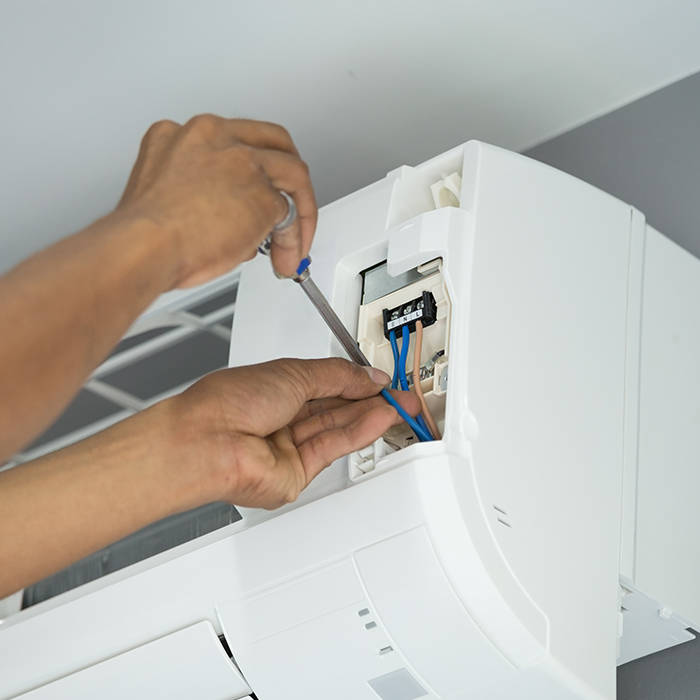
Confirm the technician holds current state licensing and insurance. This ensures they are qualified to handle complex electrical and refrigerant components safely.
Get a detailed breakdown of parts and labor costs. A transparent quote prevents surprise charges and allows you to compare repair costs against replacement prices.
Ask about manufacturer warranties on new parts and local energy efficiency rebates. These factors can significantly reduce the total cost of your HVAC system repair or upgrade.
-
Verify state licensing and insurance
-
Get a detailed written estimate
-
Check manufacturer warranty terms
-
Ask about energy efficiency incentives
This final verification acts as a safety net. It ensures that every dollar spent on HVAC system repair contributes to a lasting solution rather than a temporary patch.
Consider upgrades for better air quality
If your HVAC System Repair needs are driven by more than just temperature control, look at what’s circulating through your ducts. Older units often lack the filtration capabilities needed to trap fine particulates, leaving dust, pollen, and pet dander floating in your living space. This isn't just about cleanliness; it's about respiratory health.
Modern replacements offer significant upgrades in air quality management. High-efficiency particulate air (HEPA) filters can be integrated into the system to capture microscopic allergens that standard filters miss. For households dealing with mold or persistent odors, ultraviolet (UV) light systems installed within the ductwork can neutralize bacteria and viruses before they spread throughout the home.
These enhancements turn a basic heating and cooling unit into a comprehensive air purification tool. While the primary goal of HVAC System Repair is often restoring function, upgrading to a newer model with advanced filtration provides immediate relief for allergy sufferers and creates a healthier indoor environment for your family.
Common questions about repair vs replace
When an HVAC system starts showing age, deciding between repair and replacement can feel overwhelming. The right choice depends on your unit’s history, the cost of fixes, and your comfort needs. Here are answers to the most frequent questions homeowners ask about HVAC system repair.
These guidelines provide a clear framework for making a practical decision about your home's comfort systems.
No comments yet. Be the first to share your thoughts!