
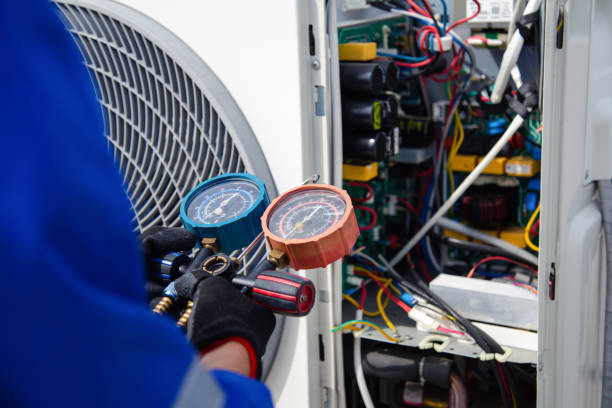

5 Smart HVAC Maintenance Tips for Summer 2026
Summer 2026 brings peak cooling demands, making proactive HVAC maintenance essential for energy efficiency and system longevity. The following tips focus on concrete actions and specific products to keep your unit running smoothly during the hottest months.
-
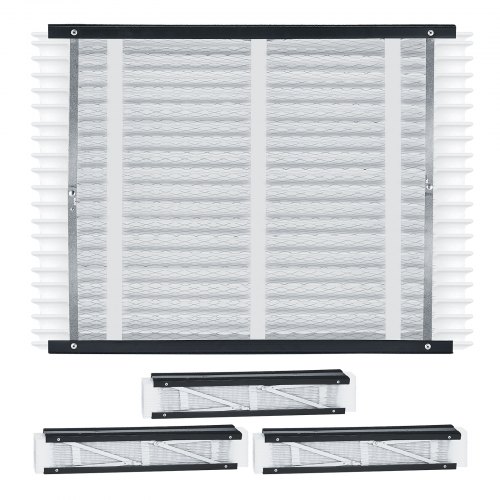
Upgrade to MERV 11 Pleated Filters
Swap standard 1-inch filters for high-efficiency MERV 11 options like the VEVOR electrostatic pleated set. This rating traps finer dust and pollen without choking airflow, protecting your evaporator coil from clogging. The electrostatic charge enhances particle capture, ensuring cleaner air circulation throughout your home while reducing the strain on your blower motor during peak summer heat. -
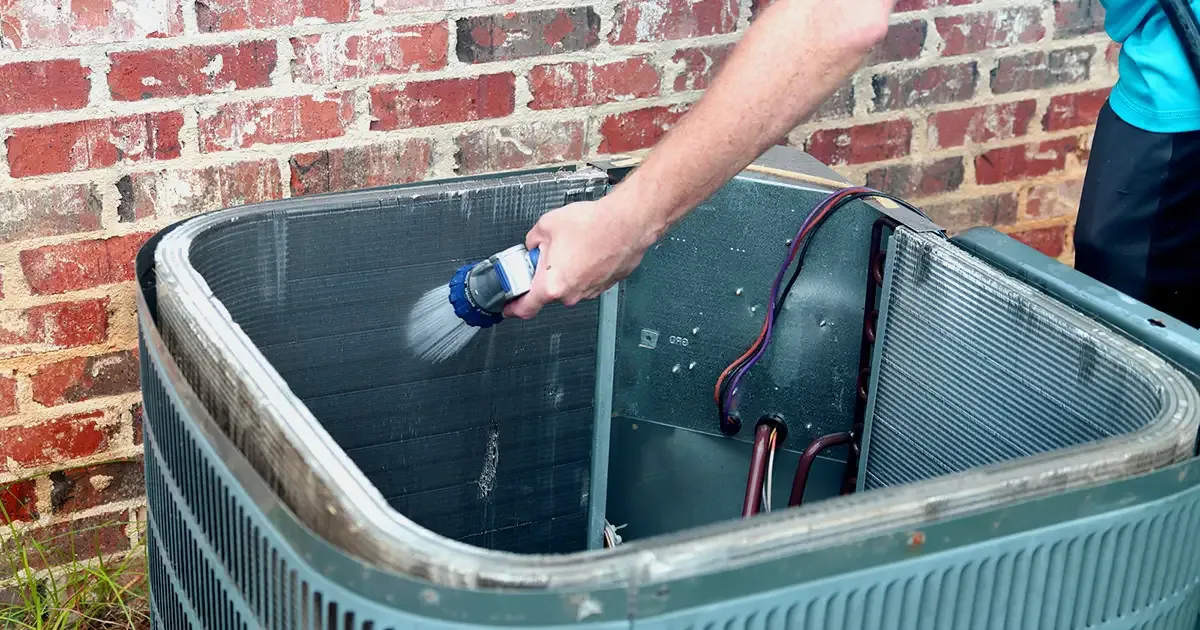
Spray Gentle Coil Cleaner on Condenser Coils
Dirt buildup on condenser coils acts like a winter coat in July, forcing your system to work harder. Apply a no-rinse coil cleaner spray to release embedded grime, then gently rinse with water. This simple maintenance step restores heat transfer efficiency, allowing your AC to cool your home faster while lowering energy consumption during the hottest months of the year. -

Straighten Bent Condenser Fins with a Fin Comb
Bent fins restrict airflow, creating hot spots that reduce cooling performance. Use a fin comb tool to carefully straighten any damaged aluminum fins on your outdoor unit. This precise repair restores uniform air passage, ensuring the condenser can dissipate heat effectively. Regular fin maintenance prevents compressor overheating and extends the overall lifespan of your outdoor HVAC equipment. -
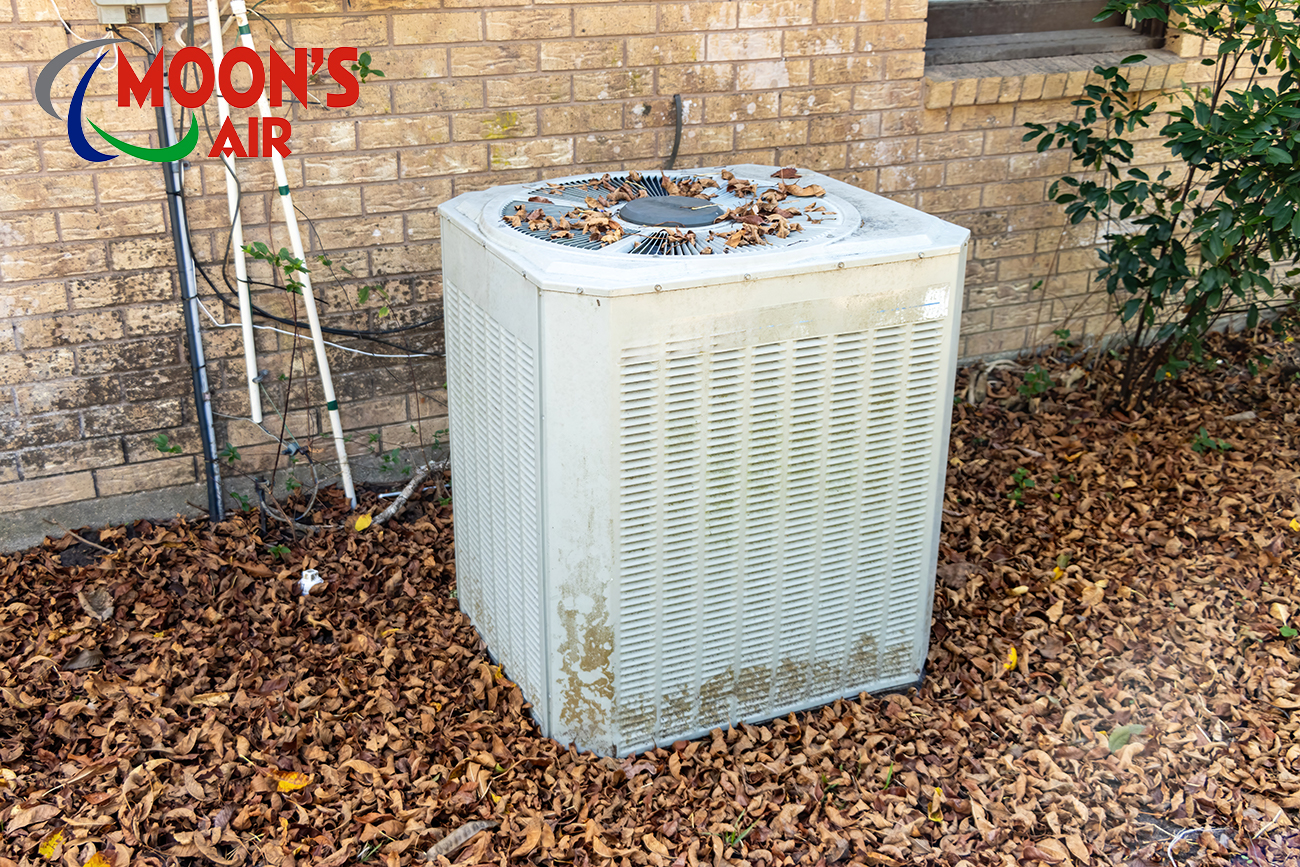
Clear Debris from Around the Outdoor Unit
Keep at least two feet of clear space around your condenser unit to ensure proper airflow. Remove leaves, grass clippings, and yard waste that accumulate near the base. This debris blocks air intake and exhaust, causing the system to overheat and cycle inefficiently. A clean perimeter allows your AC to breathe freely, maintaining optimal cooling capacity throughout the summer season. -
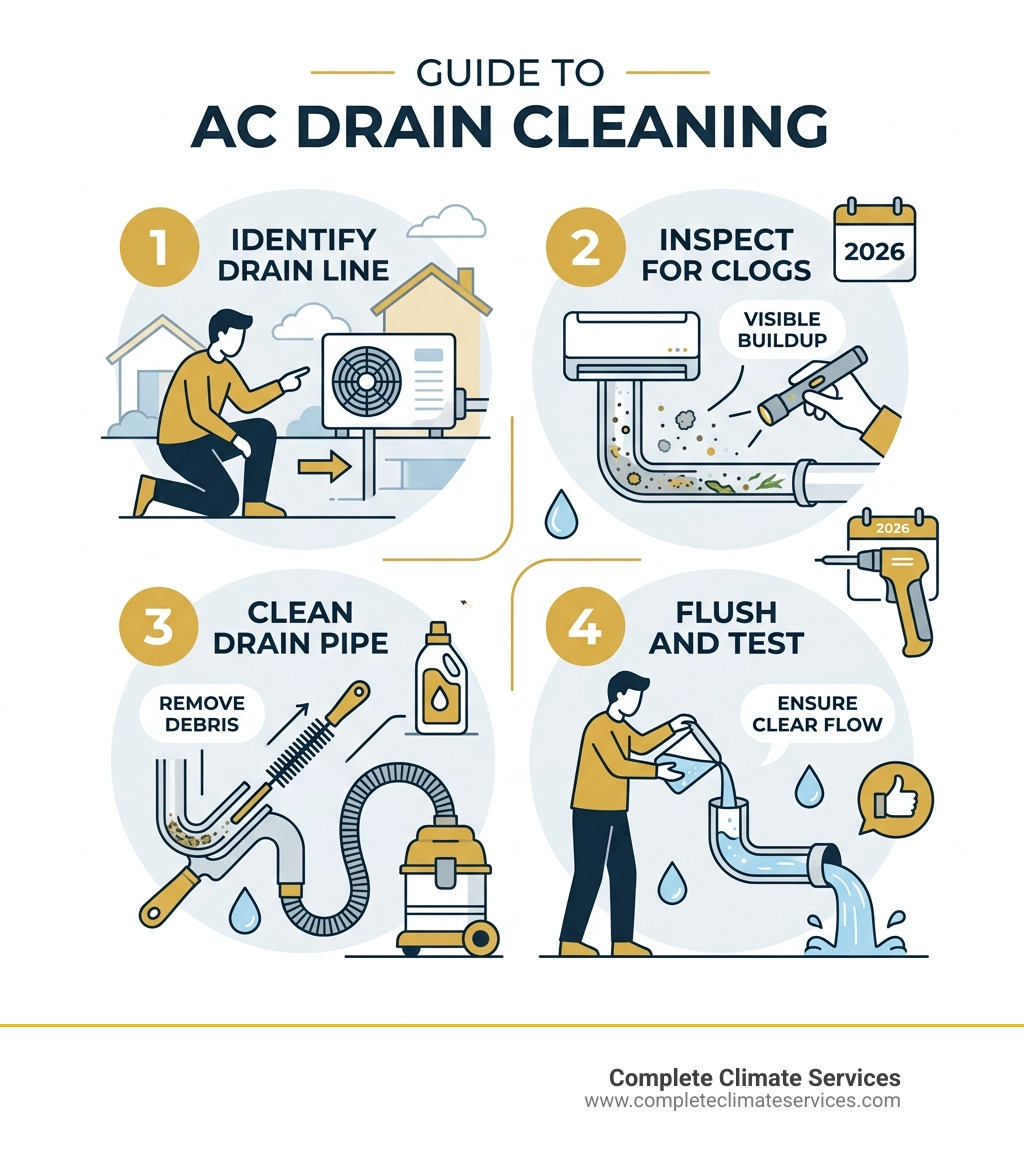
Flush Condensate Drain Line with Vinegar
A clogged drain line can cause water damage and shut down your system. Pour one cup of white vinegar into the condensate access line to kill algae and mold buildup. This acidic flush clears blockages, ensuring moisture drains properly away from your home. Regular flushing prevents costly water leaks and maintains indoor humidity levels, keeping your HVAC system running smoothly.
Calibrate your smart thermostat
A smart thermostat is only as good as its data. If the device reads the temperature incorrectly, it will cycle your AC too often or not enough, wasting energy and leaving you uncomfortable. Calibration ensures the unit matches the actual air in your home, not the air trapped against a wall or near a heat source.
Start by checking the placement. Thermostats should be mounted on an interior wall, roughly five feet from the floor, away from direct sunlight, drafts, or heat-emitting electronics. Even a small shift in location can skew readings by several degrees. If your thermostat is in a poor spot, recalibration might not be enough; consider moving it to a more representative location.
Next, verify the accuracy against a separate thermometer. Place a reliable digital thermometer next to the thermostat and wait 15 minutes. If the readings differ by more than two degrees, adjust the calibration setting in your device's menu. Most smart thermostats, including models like the Ecobee Smart Thermostat or Google Nest Thermostat, allow you to offset the temperature up or down in half-degree increments.
Finally, check the scheduling algorithm. Smart thermostats learn your habits over time, but they need a clean slate to start. Reset the learning period if you've recently changed your routine. Ensure the "home" and "away" sensors are active if your model supports them, so the system adjusts automatically when you leave. This simple routine keeps your system running efficiently without manual intervention.
- Check placement: Interior wall, 5 feet high, no drafts.
- Verify accuracy: Compare with a separate digital thermometer.
- Adjust calibration: Offset by ±2°F if readings differ.
- Reset learning: Clear history if routines have changed.
- Enable sensors: Use home/away detection for automatic adjustments.
Change your HVAC filters on a schedule
Your air filter is the first line of defense for your entire HVAC system. It traps dust, pet dander, and pollen before they can settle on your coils or clog your blower motor. When a filter gets too dirty, your system has to work harder to pull air through, which spikes your energy bills and accelerates wear on the compressor. During the heat of summer, this extra strain is the fastest way to trigger a breakdown.
The standard rule of thumb is to check your filter every month and replace it every three months. However, this timeline shifts depending on your household. If you have pets, open windows frequently, or live in a dusty area, you may need to swap it out every 60 days. Using a higher-grade filter, such as a MERV 11 or 13, captures smaller particles but requires a system that can handle the increased airflow resistance. Always check your unit’s manual to ensure your HVAC fan can push air through the density of the filter you choose.
To take the guesswork out of this routine, consider smart filters or simple digital reminders. Some modern filters have built-in sensors that track airflow restriction and send an alert to your phone when it’s time for a change. If that feels like overkill, a recurring calendar reminder set for the first of every quarter is just as effective. Consistency here prevents the most common summer AC complaints: weak airflow and frozen coils.
Keep the Outdoor Unit Clear
Your air conditioner’s condenser unit works like a radiator, pulling heat out of your home and releasing it outside. For this process to work efficiently, the unit needs to breathe. When the surrounding area is cluttered with leaves, grass clippings, or overgrown bushes, the fan struggles to pull in enough air. This forces the compressor to work harder, driving up your energy bills and increasing the risk of overheating during the peak heat of summer.
Aim to maintain at least two feet of clearance on all sides of the unit. This space allows for proper airflow and gives you easy access for routine checks. If you have shrubs or tall grass nearby, trim them back to create a clear zone. Avoid planting new vegetation too close to the unit, as falling leaves and debris will accumulate faster in tight spaces.
During the growing season, take a few minutes each week to sweep away debris from the top and sides of the condenser. If the fins are clogged with dirt, use a garden hose to gently rinse them down—never use a pressure washer, as the high pressure can bend the delicate aluminum fins and restrict airflow. Keeping the exterior clean is one of the simplest ways to ensure your HVAC maintenance routine supports a cool, efficient home.
Find ductwork leaks before they drain your budget
Ductwork is the circulatory system of your home's cooling setup. When those metal or fiberglass tubes develop gaps, the conditioned air escapes into your attic, crawls spaces, or walls. You end up paying to cool the outdoors, and your indoor air quality suffers as unfiltered dust and insulation fibers get pulled into the system.
Smart sensor technology has made detecting these hidden leaks significantly easier than relying on guesswork. Modern smart thermostats and dedicated duct sensors can monitor static pressure and temperature differentials in real time. If the system is running but the return air temperature doesn't drop as expected, or if static pressure spikes, it often points to a restriction or a leak downstream. These digital alerts give you a precise starting point before you ever call a technician.
However, for a definitive diagnosis, professional inspection remains the gold standard. HVAC pros use specialized tools like manometers to measure pressure drops or smoke pencils to visualize air movement at joints and seams. They can also perform a blower door test to quantify exactly how much air is escaping. This level of detail helps distinguish between a simple loose connection and a more serious separation in the duct line.
Addressing duct leaks is one of the highest-return maintenance tasks you can perform. Sealing a few major leaks with mastic sealant or metal tape can improve system efficiency by 20% or more. This not only lowers your summer energy bills but also ensures that the air reaching your living spaces is cleaner and more consistent.
Check refrigerant levels
Refrigerant is the blood of your air conditioner. It absorbs heat from inside your home and releases it outside. When levels are correct, your system cools efficiently and uses less electricity. When levels drop, the compressor works harder to chase the same temperature, driving up your energy bills and risking expensive damage.
Low refrigerant almost always means there is a leak in the sealed coil system. Unlike engine oil, refrigerant does not get used up over time. If your unit is low on Freon or R-410A, it needs a professional leak test and recharge. You cannot simply add more refrigerant to fix the problem; the leak must be sealed first.
Signs of low refrigerant
Watch for these indicators during the summer heat:
- Warm air from vents: The air coming from your registers feels lukewarm even when the thermostat is set low.
- Ice on coils: You might see frost or ice buildup on the copper lines or the indoor evaporator coil. This happens because low pressure causes the refrigerant to freeze.
- Hissing sounds: A faint hissing or bubbling noise near the outdoor unit often signals a leak in the line set.
An HVAC technician uses manifold gauges to measure the pressure in the lines. This is not a DIY task. Handling refrigerant requires EPA certification and specialized tools. Attempting to recharge the system yourself is dangerous and illegal under federal law.
Essential HVAC maintenance tools
You don't need a professional service truck to keep your cooling system running efficiently. A few basic tools and a smart thermostat can handle the routine checks that prevent costly breakdowns during the peak of summer.
Start with a digital multimeter to verify electrical connections and check voltage levels. A refrigerant leak detector helps spot invisible gas escapes before they drain your system's efficiency. For cleaning, a stiff brush and a vacuum with a hose attachment remove the dust and debris that clog coils and restrict airflow.
Upgrading to a smart thermostat is the most effective tool for long-term savings. These devices learn your schedule and adjust cooling automatically, reducing energy waste without sacrificing comfort. Pair this with high-quality HVAC filters to trap dust and allergens, keeping your indoor air clean and your system from working overtime.


As an Amazon Associate, we may earn from qualifying purchases.
Common HVAC maintenance: what to check next
Summer heat puts extra strain on cooling systems, making regular upkeep essential for efficiency and comfort. Here are answers to the most frequent questions homeowners ask about HVAC maintenance and repair decisions.
No comments yet. Be the first to share your thoughts!