

Heat pumps vs. HVAC in 2026
The standard setup of a furnace and air conditioner is losing its grip on the market. By 2026, heat pumps will be the default choice for many, driven by high gas prices and better technology. If you're looking at a replacement in the next year, the math has changed significantly.
Several factors are fueling the shift toward heat pumps. Electricity prices, while variable, are often more stable than fossil fuel costs like propane or oil. Plus, government incentives, like those outlined in the Inflation Reduction Act, are making heat pumps more affordable. We're seeing a real push for electrification in home comfort, and heat pumps are at the forefront of that movement.
I've broken down the 2026 projections for upfront costs, monthly bills, and how these units actually handle a cold snap. Efficiency ratings are fine on paper, but the total cost of ownership over fifteen years is what actually hits your bank account.
What a traditional split system costs
Let's start with the familiar: the traditional split system, consisting of a furnace for heating and an air conditioner for cooling. In 2026, expect a basic 16 SEER/80% AFUE system for a 2,000 square foot home to run between $6,000 and $12,000, including equipment and installation. This is a broad range, naturally, and heavily influenced by regional labor costs and the complexity of the installation.
The furnace itself will typically account for $2,000 to $4,000 of that cost, depending on the AFUE rating. Higher efficiency furnaces (90% AFUE and above) will have a higher upfront price but offer lower long-term operating costs. The air conditioner represents a similar investment, ranging from $3,000 to $6,000 for a 16-20 SEER unit. Keep in mind that SEER ratings impact energy usage – higher SEER means greater efficiency.
Labor usually eats up 30% to 50% of your bill. In the South, expect to pay between $1,500 and $3,000 for the install, while Northeast crews often charge north of $3,000. If your ducts are leaky or undersized, add another $1,000 to $5,000 to that total. Permitting fees vary by town, but they are rarely more than a few hundred dollars.
Looking ahead to 2026, annual cost increases of 3-5% for both equipment and labor are anticipated, driven by inflation and supply chain dynamics. It’s wise to get multiple quotes from local contractors and carefully review what’s included in each estimate. A comprehensive quote should detail equipment specifications, labor costs, ductwork modifications, permitting fees, and any applicable warranties.
The heat pump price tag
Heat pump costs are becoming increasingly competitive, but they still generally have a higher upfront investment than traditional systems. A standard air-source heat pump, capable of both heating and cooling a 2,000 square foot home, will likely cost between $7,000 and $15,000 in 2026. This range reflects variations in SEER and HSPF ratings, as well as installation complexity.
The heat pump unit itself typically runs from $3,500 to $8,000. HSPF (Heating Seasonal Performance Factor) is the key metric for heating efficiency, with higher numbers indicating better performance. SEER ratings for cooling remain important as well. Installation costs are similar to traditional systems, typically 30-50% of the equipment cost. However, heat pumps sometimes require electrical upgrades, such as a dedicated 240V circuit, which can add another $500 to $1,500 to the total.
Geothermal heat pumps, while significantly more efficient, have a much higher upfront cost – often exceeding $20,000 to $30,000, including the cost of ground loop installation. However, long-term operating costs are substantially lower, and geothermal systems qualify for generous federal tax credits. As of late 2023, the federal tax credit covers 30% of the total cost, including installation.
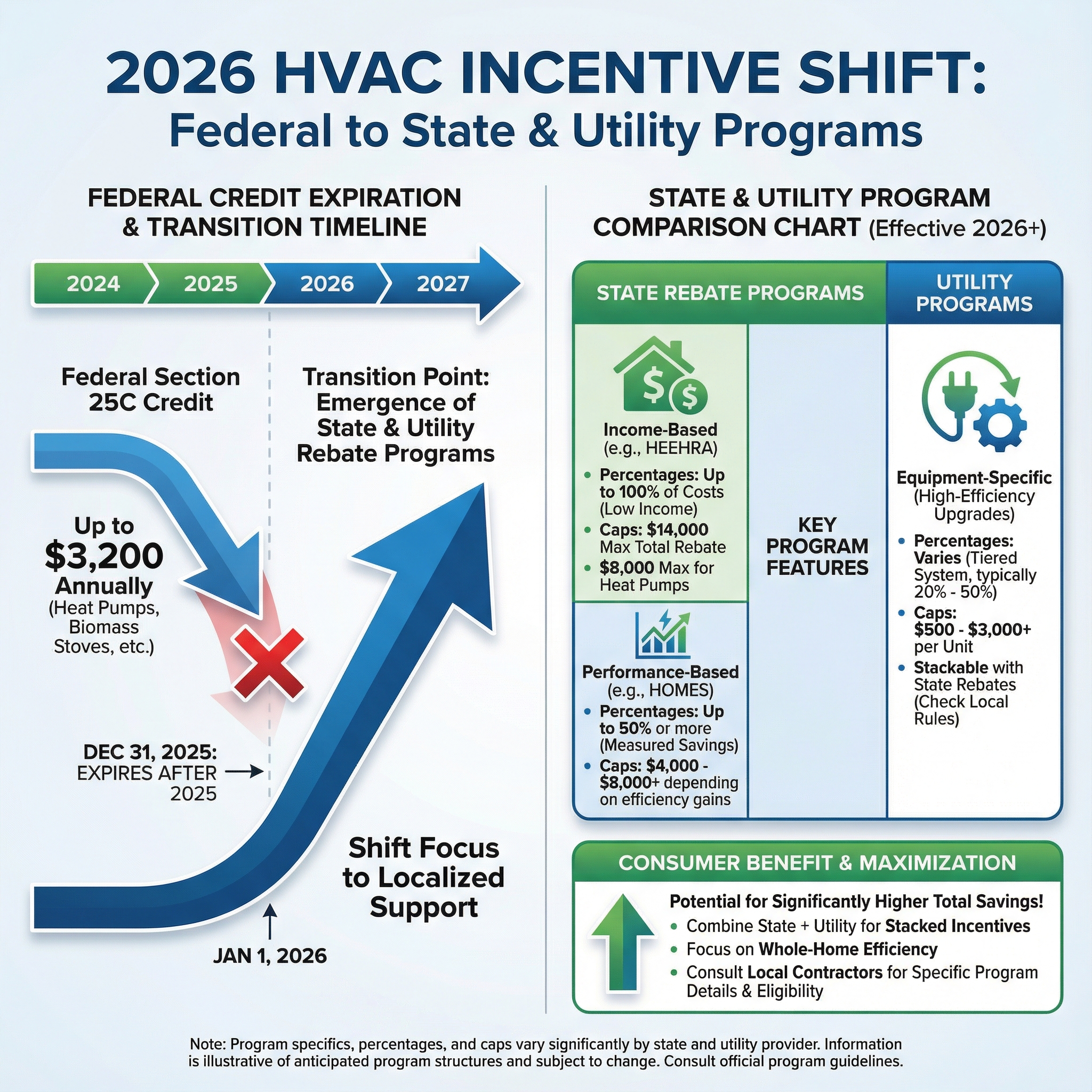
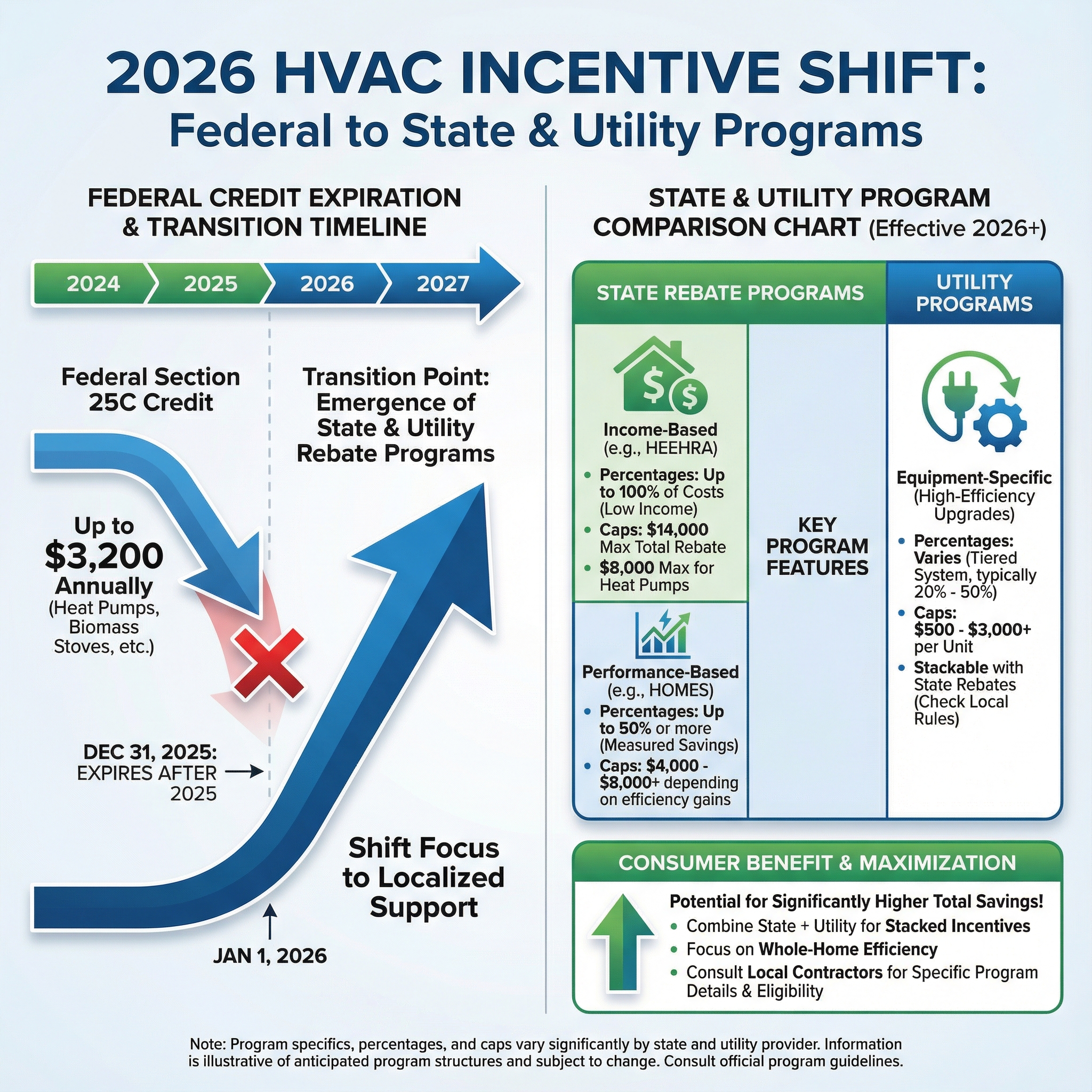
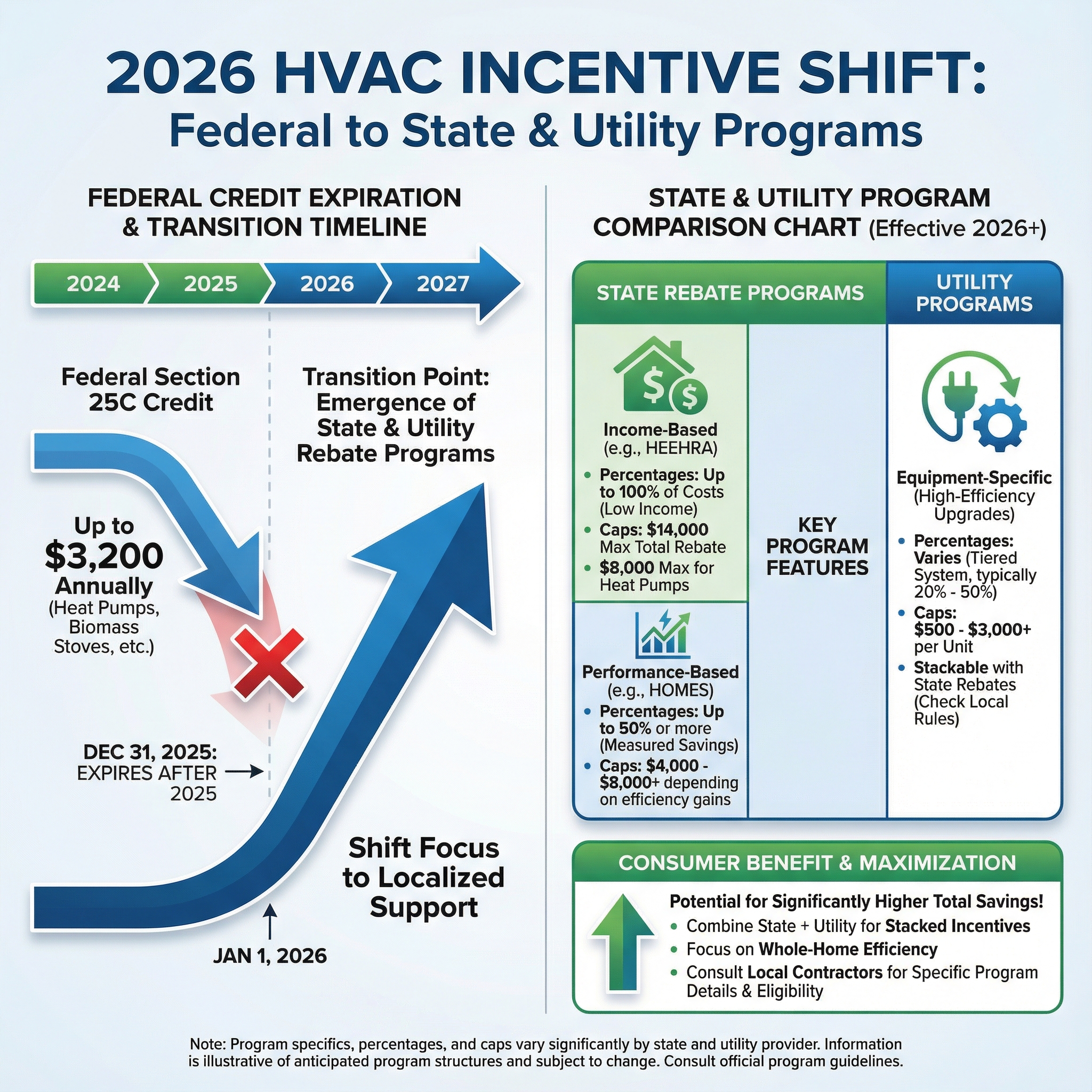
In 2026, several rebates and tax credits will likely be available to incentivize heat pump adoption. The Database of State Incentives for Renewables & Efficiency (DSIRE) is a valuable resource for finding programs in your area. These incentives can significantly reduce the overall cost, making heat pumps a more attractive option. It’s worth checking with your local utility company as well, as many offer rebates for energy-efficient upgrades.
Heating and cooling power
When it comes to performance, heat pumps and traditional HVAC systems have distinct strengths and weaknesses. Traditional furnaces excel at quickly raising the temperature on very cold days. Heat pumps, on the other hand, transfer heat rather than generate it, making them incredibly efficient in moderate climates. However, their efficiency drops as temperatures plummet.
HSPF is the key metric for heat pump heating efficiency, with higher numbers indicating better performance. A heat pump with an HSPF of 8.2 is considered very efficient. Traditional furnaces are rated by AFUE (Annual Fuel Utilization Efficiency). An 80% AFUE furnace means that 80% of the fuel is converted into usable heat. Modern condensing furnaces can achieve AFUE ratings of 95% or higher.
For cooling, both systems use SEER (Seasonal Energy Efficiency Ratio). A higher SEER rating indicates greater cooling efficiency. In 2026, the minimum SEER rating for new air conditioners will likely be 15, according to energy.ca.gov guidelines. Heat pumps perform comparably to air conditioners in cooling mode, but their overall efficiency advantage lies in their ability to provide both heating and cooling.
The biggest performance challenge for heat pumps is maintaining comfortable temperatures in extremely cold climates. When temperatures drop below freezing, heat pumps may struggle to extract enough heat from the outside air. This is where 'auxiliary heat' – typically electric resistance heating – kicks in, significantly reducing efficiency and increasing operating costs. Selecting a heat pump appropriate for your climate is crucial. Cold-climate heat pumps are designed to operate efficiently at lower temperatures.
How long they last
The typical lifespan of a traditional HVAC system is 15-20 years, with the furnace potentially lasting a bit longer than the air conditioner. Heat pumps generally have a slightly shorter lifespan, around 10-15 years, though advancements in technology are extending their longevity. Proper maintenance is essential for maximizing the lifespan of either system.
Routine maintenance for both systems includes regular filter changes (every 1-3 months), coil cleaning, and ductwork inspections. Heat pumps also require occasional refrigerant checks. Neglecting maintenance can lead to reduced efficiency, increased energy bills, and premature component failure. An annual professional tune-up is highly recommended.
Common repair issues for traditional HVAC systems include compressor failures, refrigerant leaks, and blower motor problems. Heat pump repairs often involve issues with the reversing valve, defrost cycle, or auxiliary heat system. Repair costs can vary widely, but expect to pay $150-$500 for a typical service call and $500-$2,000+ for major component replacements.
Here’s a quick comparison:
| System Type | Lifespan | Routine Maintenance | Common Repairs |
|---|---|---|---|
| Traditional HVAC | 15-20 years | Filter changes, coil cleaning, ductwork inspection | Compressor failure, refrigerant leaks, blower motor issues |
| Heat Pump | 10-15 years | Filter changes, coil cleaning, refrigerant checks, defrost cycle inspection | Reversing valve issues, auxiliary heat problems |
Heat Pump vs. Traditional HVAC: Performance & Cost Comparison (2026 Outlook)
| Factor | Traditional HVAC (Gas Furnace/AC) | Heat Pump |
|---|---|---|
| Lifespan | Medium | Medium |
| Routine Maintenance Effort | Medium | Medium |
| Common Repair Costs | Medium | Medium |
| Availability of Qualified Technicians | High | Medium |
| Upfront Cost | Medium | High |
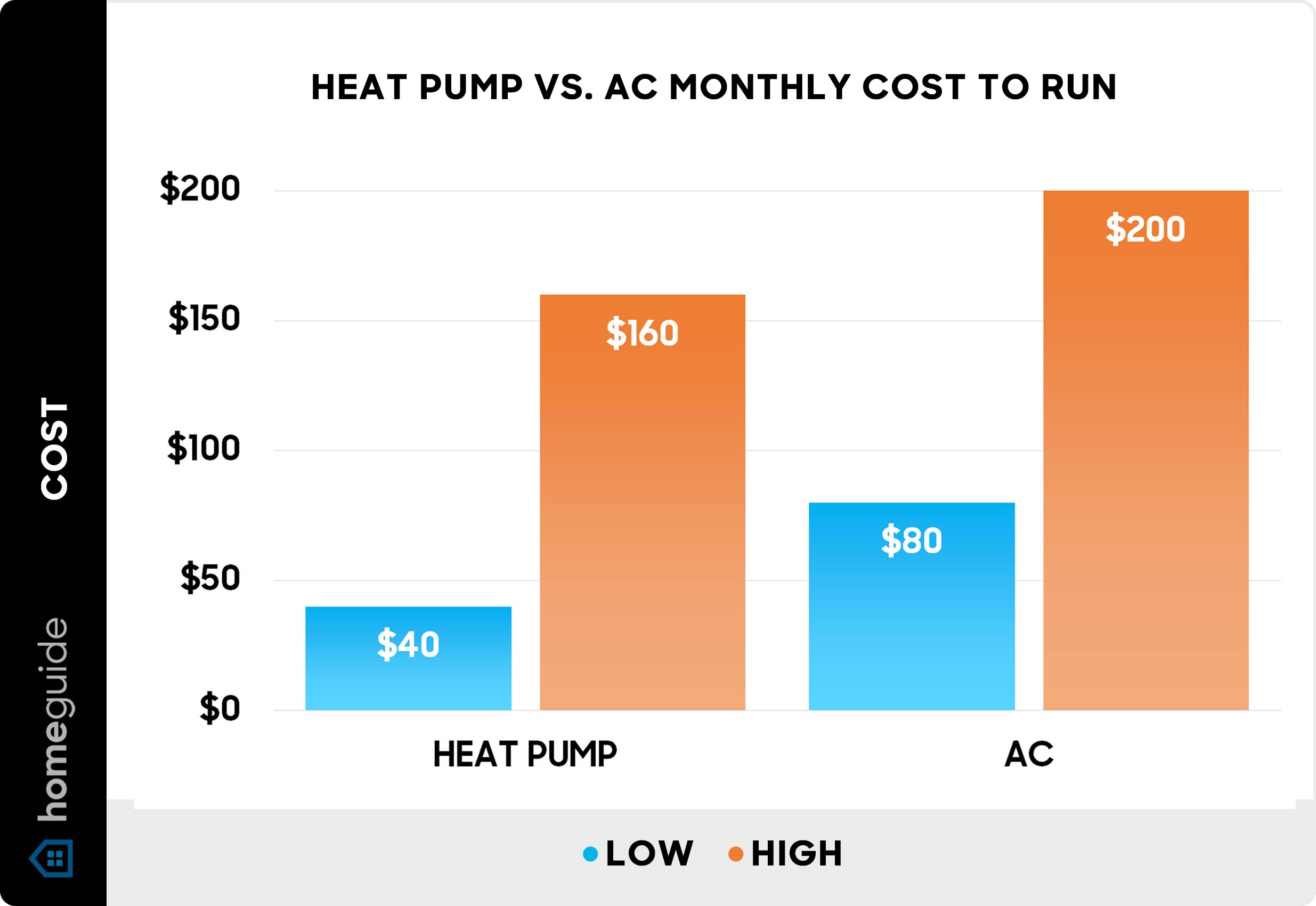
| Operating Costs (Heating) | High | Low |
| Operating Costs (Cooling) | Medium | Medium |
| Environmental Impact | High | Low |
Illustrative comparison based on the article research brief. Verify current pricing, limits, and product details in the official docs before relying on it.
Noise Levels: A Comfort Consideration
Noise levels are often an overlooked factor when choosing an HVAC system, but they can significantly impact homeowner comfort. Traditional air conditioners generally operate at around 60-70 decibels (dB), while furnaces are relatively quiet. Heat pumps, however, can sometimes be louder, particularly during defrost cycles.
The noise from a heat pump is primarily generated by the outdoor unit. Decibel levels can range from 55 to 75 dB, depending on the model and operating conditions. During defrost mode, the heat pump may briefly become louder as it reverses its cycle. A noise level of 60 dB is generally considered acceptable, but some people may find it disruptive.
When comparing systems, look for models with noise reduction features, such as variable-speed fans and sound-dampening materials. Proper installation is also crucial. A poorly installed system can generate more noise than a well-installed one. Consider the location of the outdoor unit and ensure it’s not directly adjacent to bedrooms or living areas.
Top Heat Pump & HVAC Brands (2026)
Choosing a reputable brand is essential for ensuring reliability and long-term performance. Carrier, Trane, and Lennox are consistently ranked among the top HVAC brands, known for their innovation, quality, and comprehensive warranties. Rheem is another solid choice, offering a good balance of price and performance.
For heat pumps specifically, Mitsubishi Electric is a standout brand, particularly for its ductless mini-split systems, which are known for their efficiency and quiet operation. Daikin is also gaining popularity, offering a wide range of heat pump solutions. Goodman offers more budget-friendly options, but their long-term reliability may not be as strong as some of the premium brands.
When researching brands, pay attention to customer reviews and warranty coverage. A longer warranty typically indicates greater confidence in the product's quality. It’s also important to choose a contractor who is authorized to install and service the brand you select. Find HVAC Repair can help connect you with trusted, local contractors in your area.
Here are a few standout models to consider:
• Carrier Infinity 20 Heat Pump with Greenspeed Intelligence: Known for its exceptional efficiency and comfort features.
• Trane XV20i TruComfort Variable Speed Heat Pump: Offers precise temperature control and quiet operation.
• Lennox Ultimate Comfort System: A comprehensive system with advanced features and a long-term warranty.
• Mitsubishi Electric M-Series Heat Pump: Ideal for ductless applications and energy-efficient heating and cooling.
Featured Products

9000 BTU cooling and heating capacity · SEER2 21.5 energy efficiency rating · Inverter technology for variable speed operation
This highly-rated, energy-efficient mini-split heat pump is ideal for homeowners seeking a cost-effective and high-performance heating and cooling solution for smaller spaces, aligning with the article's focus on modern HVAC comparisons.

12,000 BTU cooling and heating capacity · SEER2 20 energy efficiency rating · Inverter technology for precise temperature control and energy savings
This highly-rated, energy-efficient mini-split heat pump is ideal for homeowners seeking a cost-effective and high-performance heating and cooling solution for smaller spaces, aligning with the article's focus on modern HVAC comparisons.

12,000 BTU cooling and heating capacity · SEER 25 energy efficiency rating · Uses R32 refrigerant for improved environmental performance
This highly-rated, energy-efficient mini-split heat pump is ideal for homeowners seeking a cost-effective and high-performance heating and cooling solution for smaller spaces, aligning with the article's focus on modern HVAC comparisons.

12,000 BTU cooling and heating capacity · Designed for DIY installation · Inverter technology for efficient operation
This highly-rated, energy-efficient mini-split heat pump is ideal for homeowners seeking a cost-effective and high-performance heating and cooling solution for smaller spaces, aligning with the article's focus on modern HVAC comparisons.
As an Amazon Associate I earn from qualifying purchases. Prices may vary.
No comments yet. Be the first to share your thoughts!