
Unexpected HVAC Failures & Costs
Imagine this: it’s the hottest day of the year, and your air conditioning unit decides to quit. It’s a scenario many homeowners face, and unfortunately, it’s becoming more expensive. The cost of HVAC repair is steadily climbing, driven by factors like inflation, ongoing supply chain disruptions, and the increasing complexity of modern systems.
We’re seeing parts become harder to source, and skilled technicians are in high demand. This pushes labor costs up, too. It’s not a comforting thought when you’re already dealing with the discomfort of a broken system. This article aims to give you a realistic look at emergency HVAC repair costs in 2026, and more importantly, how to avoid them.
Common Emergency Repairs: A Price Breakdown
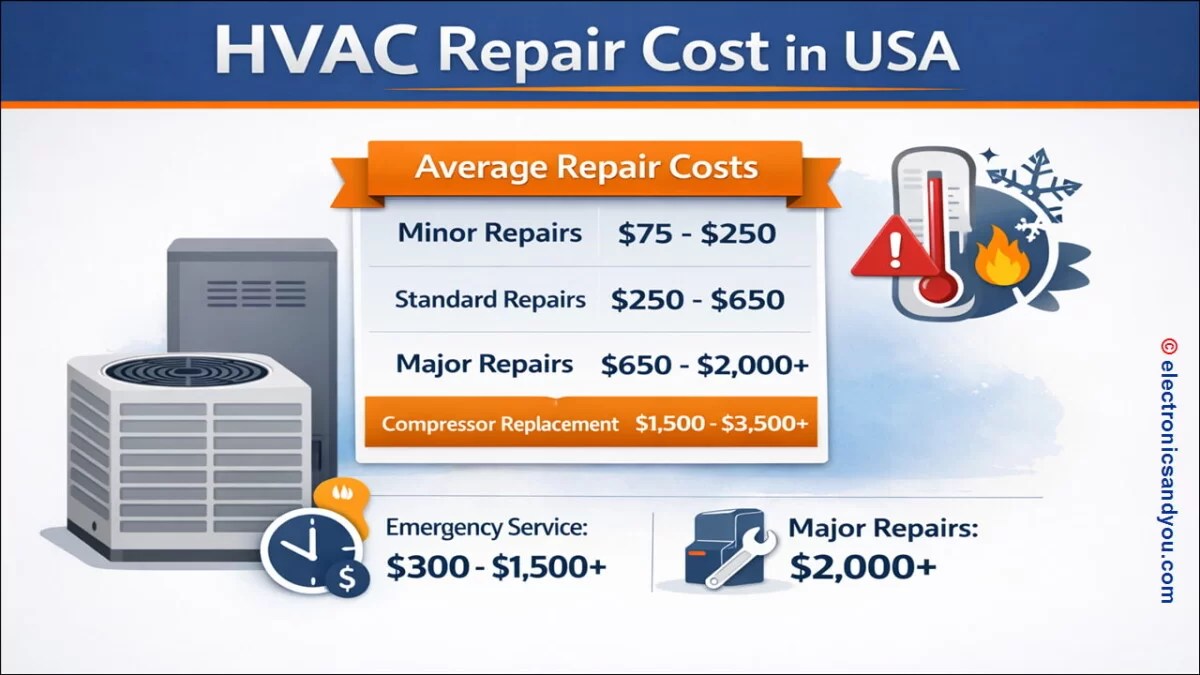
Certain HVAC issues consistently require emergency attention. Refrigerant leaks are a frequent culprit, often ranging from $250 to $1,300 in 2026 depending on the leak’s location and the type of refrigerant. A compressor failure is a major repair, generally costing between $1,500 and $3,500 to replace, including both parts and labor.
Problems with fan motors are also common, with repairs falling in the $150-$600 range. A capacitor failure, a smaller component but still disruptive, typically costs $100-$300 to fix. Don’t forget about frozen evaporator coils, which can happen when airflow is restricted – expect to pay $150 to $500 to address this. Finally, ductwork problems, like leaks or collapses, can range from $200 to over $1,000, depending on the extent of the damage.
These are national averages, and prices will certainly vary based on your location. Larger metropolitan areas usually have higher labor rates. A technician in Savannah, Georgia, for example, might charge less than one working in Hilton Head, South Carolina, simply due to the cost of living differences. Getting quotes from multiple companies is always a good idea.
It’s important to understand that these price ranges include both the cost of the replacement part and the labor involved. Sometimes, diagnosing the issue accurately can also add to the initial cost. A good technician will provide a clear breakdown of the charges before beginning any work.
After-Hours & Weekend Rates
Emergency HVAC service isn’t priced the same as a scheduled appointment. Technicians are charging a premium for their availability outside of normal business hours. Expect a significant markup for after-hours, weekend, and holiday repairs.
A repair that might cost $200 during regular hours could easily be $350 to $400 on a Sunday or holiday. This isn't about being gouged; it's about compensating technicians for working less desirable shifts and the limited availability of service. It also covers the overhead costs of running a business 24/7.
The markup often includes a higher hourly rate for the technician and potentially an emergency service fee. While it’s frustrating to pay more, it's the reality of getting your system fixed when it fails at an inconvenient time. Don't expect to bargain significantly, but always ask for a clear explanation of the charges.
The Impact of System Age
The age of your HVAC system plays a huge role in the cost of repairs. Older systems are simply more prone to breakdowns. Parts wear out, components become less efficient, and finding replacement parts can become increasingly difficult – and expensive.
There’s a point where the cost of repairs begins to outweigh the benefits. This is the concept of diminishing returns. Systems over 15 years old often face escalating repair bills, and it’s wise to start considering replacement at that point. Continuing to pour money into an aging system can be a losing battle.
Consider a scenario: a $400 repair on a 10-year-old unit is probably reasonable. But a $400 repair on a 18-year-old unit might be a sign that it’s time to cut your losses. Plus, newer systems are significantly more energy-efficient, which can save you money on your utility bills over time. It’s not just about fixing the immediate problem; it’s about long-term cost-effectiveness.
- 5-10 Years: Repairs are typically reasonable and don't necessarily indicate an imminent replacement.
- 10-15 Years: Repair costs may start to increase, but the system can likely be maintained for a few more years.
- 15+ Years: Repairs become increasingly frequent and expensive. Replacement should be seriously considered.
Average Annual HVAC Repair Costs by System Age (Estimated for 2026)
| System Age | Average Annual Repair Cost | Frequency of Repairs | Replace? |
|---|---|---|---|
| 5-10 Years | Generally $150 - $400 | Infrequent, typically preventative maintenance related | Consider |
| 11-15 Years | $300 - $600 | Increasing, may include minor component repairs | Consider |
| 16-20 Years | $600 - $1200 | More frequent repairs, potential for larger component failures | Likely |
| 20+ Years | $1200+ | Frequent and potentially costly repairs. Efficiency significantly decreased. | Likely |
| 12-14 Years | $250 - $500 | Repairs becoming more common, potential for refrigerant leaks | Consider |
| 17-19 Years | $700 - $1100 | Significant risk of major component failure. Reduced energy efficiency. | Likely |
Illustrative comparison based on the article research brief. Verify current pricing, limits, and product details in the official docs before relying on it.
Preventative Maintenance: Your Best Defense
The single best thing you can do to avoid expensive HVAC breakdowns is regular preventative maintenance. It's an investment that pays off in the long run by extending the life of your system and preventing costly emergency repairs. A well-maintained system simply runs more efficiently and is less likely to fail unexpectedly.
A typical maintenance visit includes several key checks: filter changes, coil cleaning (both indoor and outdoor), refrigerant level checks, ductwork inspection, electrical connection tightening, and thermostat calibration. These tasks ensure that all components are functioning properly and identify potential issues before they escalate into major problems.
You can expect to pay between $100 and $300 for an annual maintenance contract, depending on the provider and the scope of services. Some companies offer different tiers of service, with more comprehensive plans costing more. While it’s an upfront cost, it’s far less than the expense of an emergency repair or a premature system replacement.
Maintenance isn’t just about fixing things; it's about preventing them from breaking in the first place. It’s like changing the oil in your car – it’s a small investment that can save you from a major engine overhaul down the road. Don’t underestimate the value of a proactive approach.
DIY Checks: What You Can Do
Homeowners can take several simple steps to help maintain their HVAC systems. Regularly changing air filters is perhaps the most important thing you can do. Dirty filters restrict airflow, causing the system to work harder and potentially leading to overheating and breakdowns. Check your filters monthly and replace them as needed.
Keep outdoor units clear of debris, such as leaves, grass clippings, and snow. Obstructions can restrict airflow and damage the compressor. Also, check vents for obstructions and ensure they are open and unobstructed. You can find a helpful HVAC checklist from the EPA:
However, do not attempt complex repairs yourself. HVAC systems involve electrical components and refrigerants, which can be dangerous to handle without proper training and equipment.
When to Call a Pro: Red Flags
There are certain situations where a professional HVAC technician is absolutely required. Any suspected refrigerant leak should be addressed immediately by a qualified professional. Refrigerant is harmful to the environment and requires specialized handling. Electrical issues, such as burning smells or sparking components, are also a cause for concern and require professional attention.
Strange noises coming from your HVAC system – banging, rattling, or squealing – can indicate a mechanical problem that needs to be diagnosed. Significant temperature fluctuations, where some rooms are too hot or too cold, are another sign that something is wrong. Don’t ignore these warning signs; they can quickly escalate into more serious issues.
When choosing an HVAC contractor, always verify their licensing and insurance. Check online reviews and ask for references. A reputable contractor will be happy to provide this information and answer your questions thoroughly.
Financing & Protection Plans
Unexpected HVAC repairs can strain your budget. Fortunately, there are financing options available. Many HVAC companies offer financing plans, and you can also consider using a credit card or a personal loan. Carefully evaluate the terms and interest rates before making a decision.
HVAC protection plans, also known as extended warranties, can provide coverage for repairs and replacements. However, these plans aren’t always worth the cost. Read the fine print carefully to understand what is covered and what is not. Consider your system’s age, your risk tolerance, and the cost of the plan before enrolling.
No comments yet. Be the first to share your thoughts!