

Big Savings Are Here: Understanding 2024 HVAC Tax Credits
As a homeowner, are you aware you might qualify for significant tax credits just by upgrading your heating and cooling system? Many people aren't, and they're missing out on a chance to save thousands. The federal government is offering substantial incentives through the 2024 Energy Efficient Home Improvement Credit, designed to encourage energy-efficient upgrades. This isn’t a temporary offer either; these credits are available through 2032, giving you plenty of time to plan.
We at Find HVAC Repair want to make sure you have the information you need to take advantage of these savings. This isn’t about complicated rebates or confusing paperwork, but about a direct reduction in your tax liability. The goal is to make upgrading to a more efficient system more affordable, and ultimately, to help reduce energy consumption across the country.
The credit applies to a wide range of HVAC improvements, from installing a new heat pump to replacing an aging furnace. While the details can be a bit nuanced, the potential savings are real. We’ll break down the specifics, eligibility requirements, and how to claim your credit.

What HVAC Systems Qualify for the 2024 Tax Credit?
Not every HVAC system qualifies for the tax credit. Air-source heat pumps are a major focus because they’re incredibly efficient. Ductless mini-split systems also qualify, offering a great solution for homes without existing ductwork. Both types need to meet certain efficiency standards, measured by the Heating Seasonal Performance Factor (HSPF) and Seasonal Energy Efficiency Ratio (SEER).
Central air conditioning units and gas/oil furnaces are also eligible, but with lower credit limits. To qualify, these systems must meet minimum Annual Fuel Utilization Efficiency (AFUE) ratings. For example, a qualifying gas furnace typically needs an AFUE of 95% or higher. Hot water boilers also qualify, needing to meet specific efficiency standards. Proper HVAC installation ensures you get the full benefits.
Don’t assume a system is eligible simply because it’s new. Always check the manufacturer’s specifications and ensure it meets federal requirements. The Energy Star website has detailed information on qualifying products and their efficiency ratings. The goal is to incentivize efficient upgrades, so older, less efficient models won’t be covered.
Decoding the Credit Amounts: How Much Can You Actually Save?
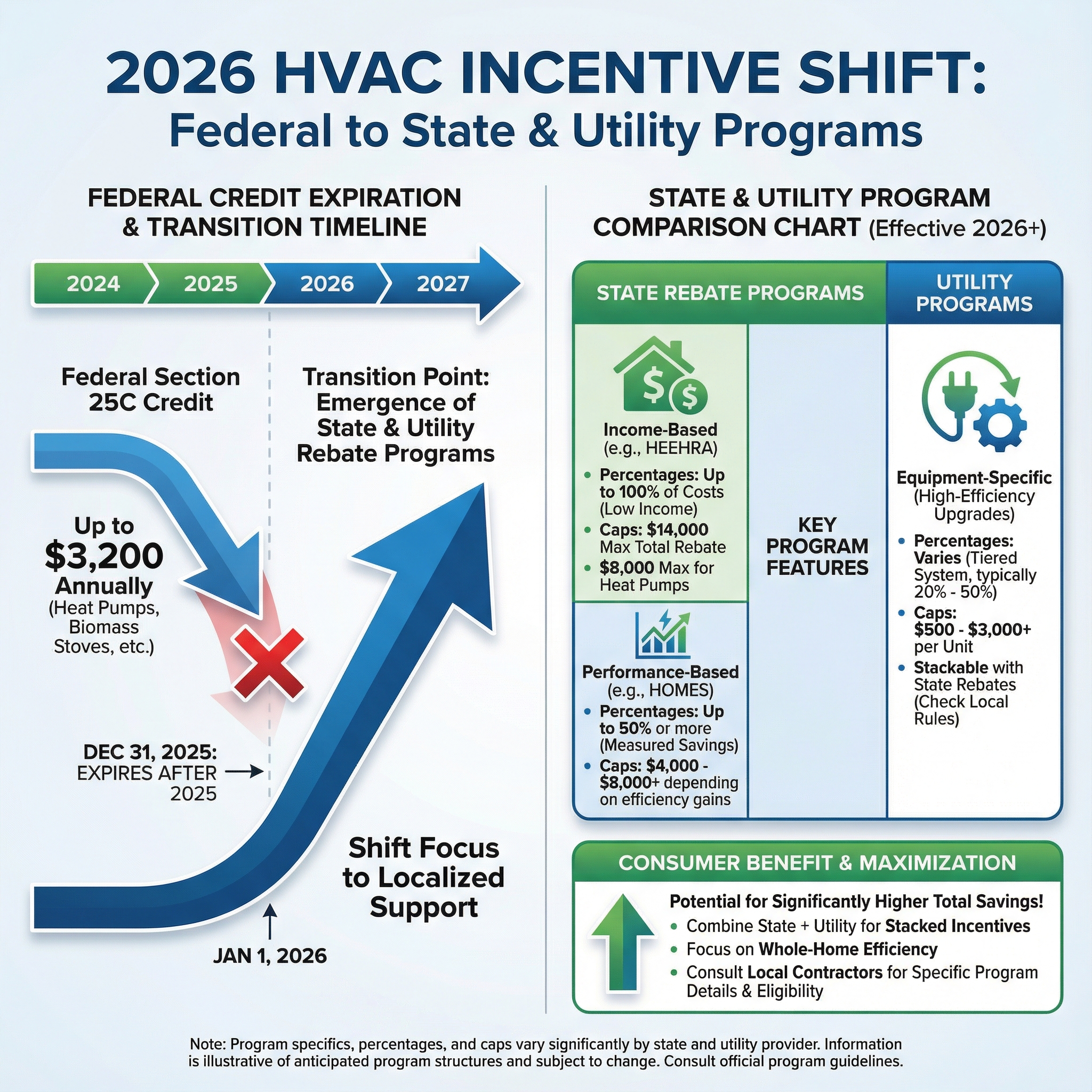
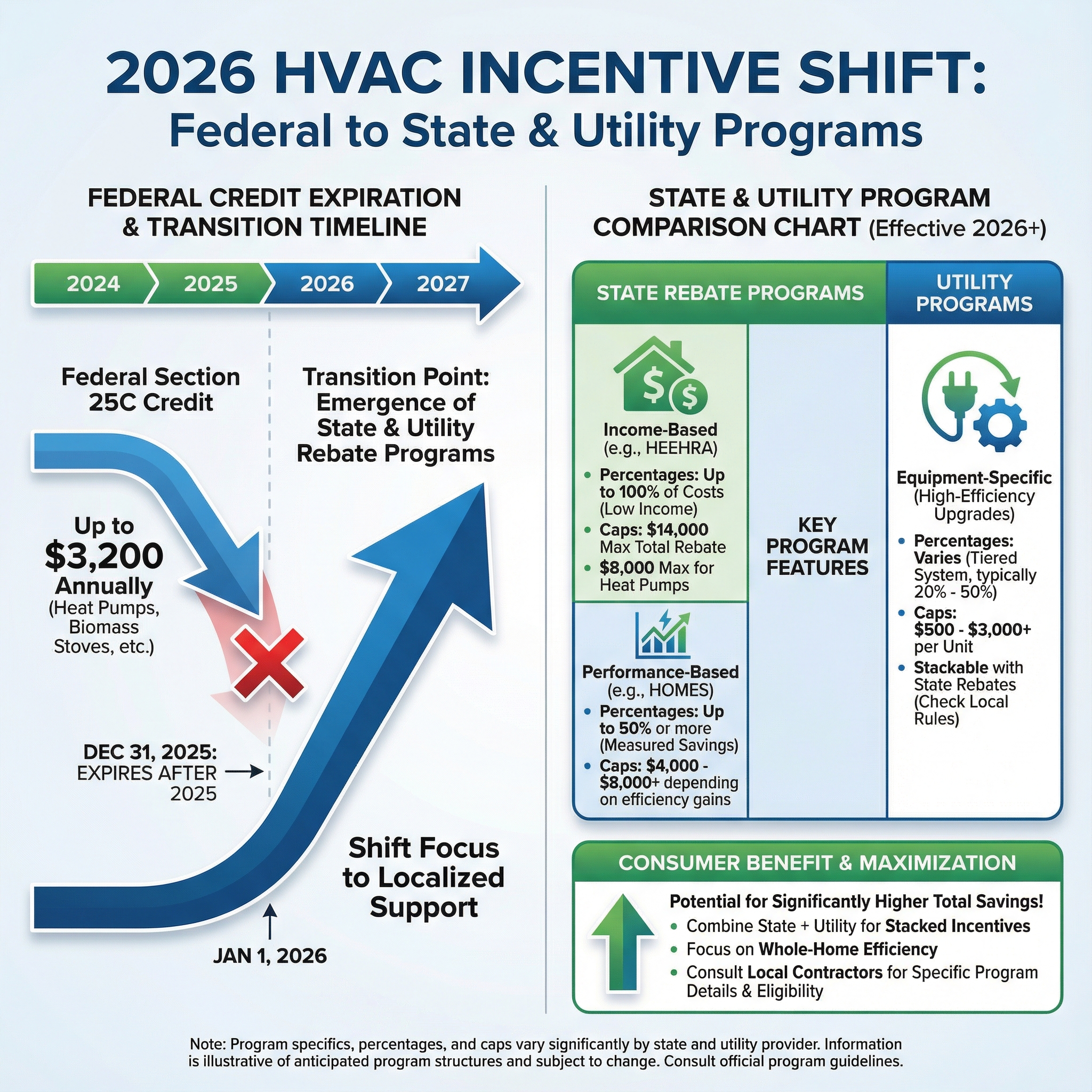
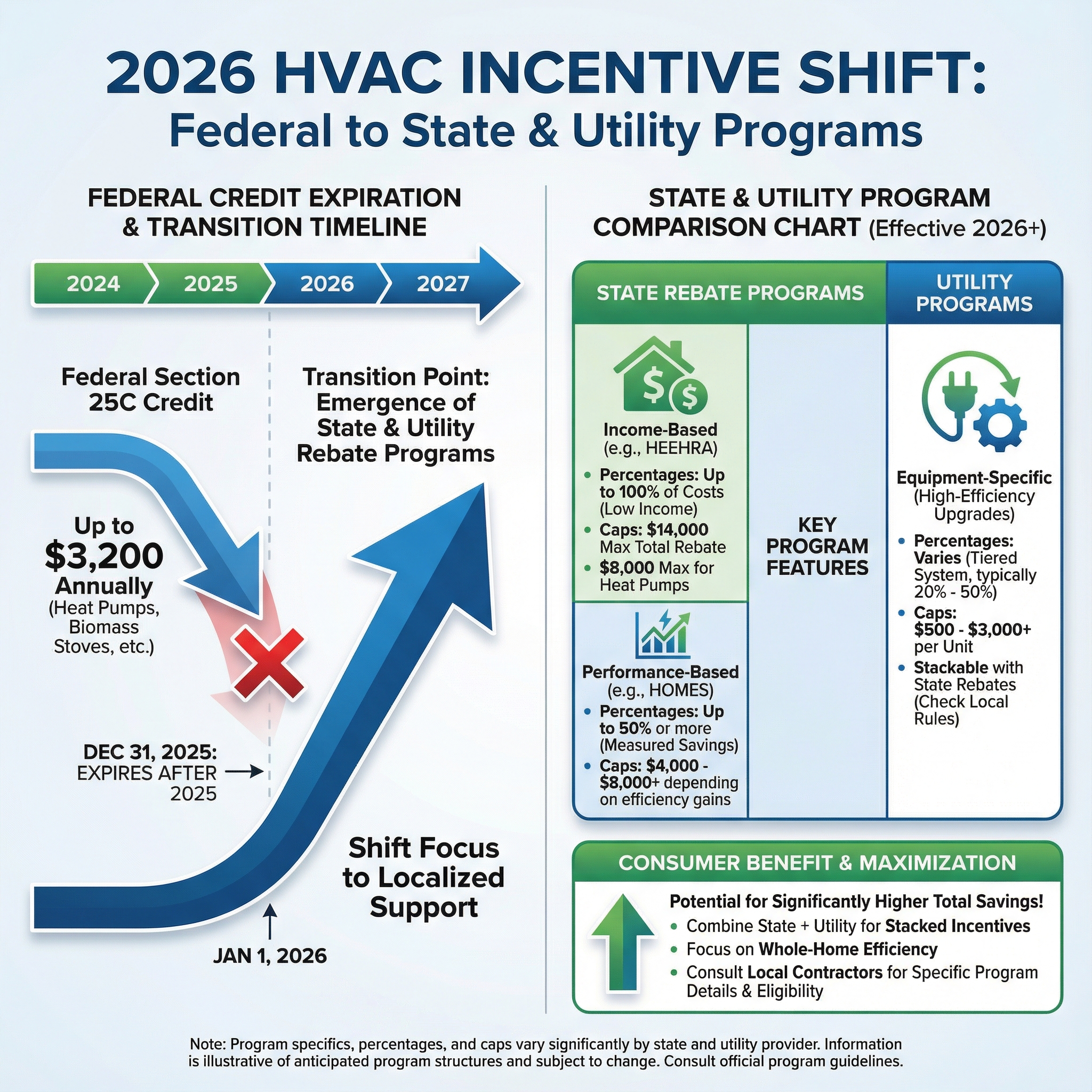
The federal tax credit offers a maximum annual benefit of $3,200 for all qualifying energy-efficient home improvements combined. The amount you can claim for HVAC specifically is capped at $2,000 for heat pumps and biomass stoves/boilers, and $600 for central air conditioners, gas/oil furnaces, and hot water boilers. This is a credit, not a tax deduction. A credit directly reduces the amount of tax you owe, dollar for dollar, whereas a deduction only reduces your taxable income.
If you install a heat pump costing $5,000, you could receive a $1,500 tax credit (30% of $5,000, up to the $2,000 limit). If you also replace your old gas furnace with a high-efficiency model costing $3,000, you could claim an additional $180 (30% of $600, the maximum for furnaces). This brings your total potential credit to $1,680, well within the $3,200 annual cap.
The credit is calculated as 30% of the total cost, including both the equipment and installation. Keep detailed records of all expenses. The IRS has specific guidelines on how to calculate and claim this credit, and it’s best to consult with a tax professional if you have questions. I’m not a tax professional, so this isn’t financial advice, but my understanding is this is a pretty straightforward credit to claim.
There’s been some conflicting information circulating about the overall annual cap – some sources state $1,200, while others say $3,200. I recommend checking the latest IRS guidelines on their website to confirm the current limit before filing your taxes. It’s always better to be safe than sorry when it comes to tax matters.
Installation Costs: What’s Included in the Tax Credit?
The good news is that the tax credit isn’t limited to the cost of the HVAC equipment itself. It also includes the cost of installation labor, which can be a significant portion of the overall expense. This is a major benefit, as it helps offset the total cost of upgrading your system. Permits required for the installation also generally qualify as part of the total cost.
However, there are some limitations. Replacing ductwork may qualify, but it depends on whether the ductwork is directly related to the new HVAC system and contributes to increased energy efficiency. Smart thermostats are a bit of a gray area; while they can contribute to energy savings, they aren’t explicitly listed as qualifying property in the current guidelines.
It's also worth noting that costs associated with routine maintenance or repairs aren’t eligible for the credit. The credit is specifically for new installations or replacements of existing systems, not for fixing an old one. Keep detailed records of all expenses related to the installation, including invoices from the contractor, receipts for equipment, and permits.
Navigating the Timeline and Eligibility Requirements
The eligibility timeline for these tax credits is quite generous: improvements made between January 1, 2023, and December 31, 2032, qualify. This means you have several years to take advantage of these savings. You can claim the credit annually for multiple years, as long as you continue to make qualifying improvements to your home.
To claim the credit, you’ll need to keep detailed documentation, including receipts, invoices, and manufacturer specifications for the equipment. These documents will serve as proof of your expenses and demonstrate that the system meets the efficiency requirements. The IRS Form 5695 is the form you’ll likely need to file with your taxes.
If you made improvements in 2022 or earlier, you would have used a previous version of Form 5695. However, the current guidelines and form requirements are different, so be sure to use the correct form for the year in which you made the improvements. It’s always a good idea to consult with a tax professional to ensure you’re filing correctly.
Beyond Federal: State and Local HVAC Incentives
While the federal tax credits are significant, many states and local municipalities offer additional incentives for energy-efficient HVAC upgrades. For example, Texas has the HOMES program, which can provide up to $2,000 or 30% of the installation costs when replacing central HVAC equipment with qualifying ductless mini-splits or heat pumps.
These state and local incentives can often be combined with the federal tax credits, potentially leading to even greater savings. However, the availability and amount of these incentives vary widely by location. It’s crucial to research what’s available in your area before making any decisions.
The Database of State Incentives for Renewables & Efficiency (DSIRE) is a great resource for finding state and local incentives. You can find it online at dsireusa.org. This database provides comprehensive information on incentives for a wide range of energy-efficient technologies, including HVAC systems. Don’t leave money on the table – take the time to explore all available options.
Common Mistakes to Avoid When Claiming Your HVAC Tax Credit
There are a few common mistakes homeowners make when claiming the HVAC tax credit. First, make sure the system actually qualifies. Don’t assume it does just because it’s new. Verify the SEER, HSPF, and AFUE ratings meet the minimum requirements. Second, ensure the installation is performed by a qualified contractor. The IRS may require proof of professional installation.
Perhaps the biggest mistake is forgetting to keep the necessary documentation. You’ll need receipts, invoices, and manufacturer specifications to support your claim. Without these documents, your credit could be denied. It’s also important to understand the annual caps and how they apply to different types of improvements. Don’t overestimate your potential savings.
Here are a few frequently asked questions:
Q: What if my system doesn’t meet the efficiency requirements? A: Unfortunately, you won’t be eligible for the credit. Make sure to choose a system that meets the current federal standards.
Q: Can I claim the credit for multiple homes? A: The credit applies to your primary residence. You can’t claim it for a second home or rental property.
Q: What if I don’t itemize my taxes? A: You may still be eligible for the credit, even if you don’t itemize. Consult with a tax professional to determine your eligibility.
- Q: What if my system doesn’t meet the efficiency requirements? A: Unfortunately, you won’t be eligible for the credit. Make sure to choose a system that meets the current federal standards.
- Q: Can I claim the credit for multiple homes? A: The credit applies to your primary residence. You can’t claim it for a second home or rental property.
- Q: What if I don’t itemize my taxes? A: You may still be eligible for the credit, even if you don’t itemize. Consult with a tax professional to determine your eligibility.
No comments yet. Be the first to share your thoughts!