
Beat the Freeze: Why Winter HVAC Maintenance Matters Now
Imagine waking up on a frigid December morning, turning up your thermostat, and… nothing. No warm air, just a silent, unresponsive furnace. It’s a scenario nobody wants to face when temperatures plummet. Too many homeowners wait for that emergency before thinking about their heating system, which is a costly mistake.
Preventative HVAC maintenance before the cold season arrives is a smart investment. Emergency repairs are almost always more expensive than routine maintenance, and they often mean scrambling to find a technician during their busiest time. Proactive effort now can save you headaches and money later.
Your HVAC system works harder in winter, battling low temperatures and constantly cycling on and off. This strain can lead to breakdowns, reduced efficiency, and higher energy bills. An inefficient system costs more each month and increases the risk of unexpected failures. Addressing small issues before they become major problems is much easier.
Ignoring maintenance shortens your equipment's lifespan. A well-maintained furnace or heat pump lasts significantly longer than one that’s neglected. Think of it like a car: regular oil changes and tune-ups keep it running smoothly for years. The same applies to your HVAC system. Don’t wait for the first cold snap to realize you should have prepared.
The Pro Tune-Up: What a Technician Checks (and Why It’s Worth It)
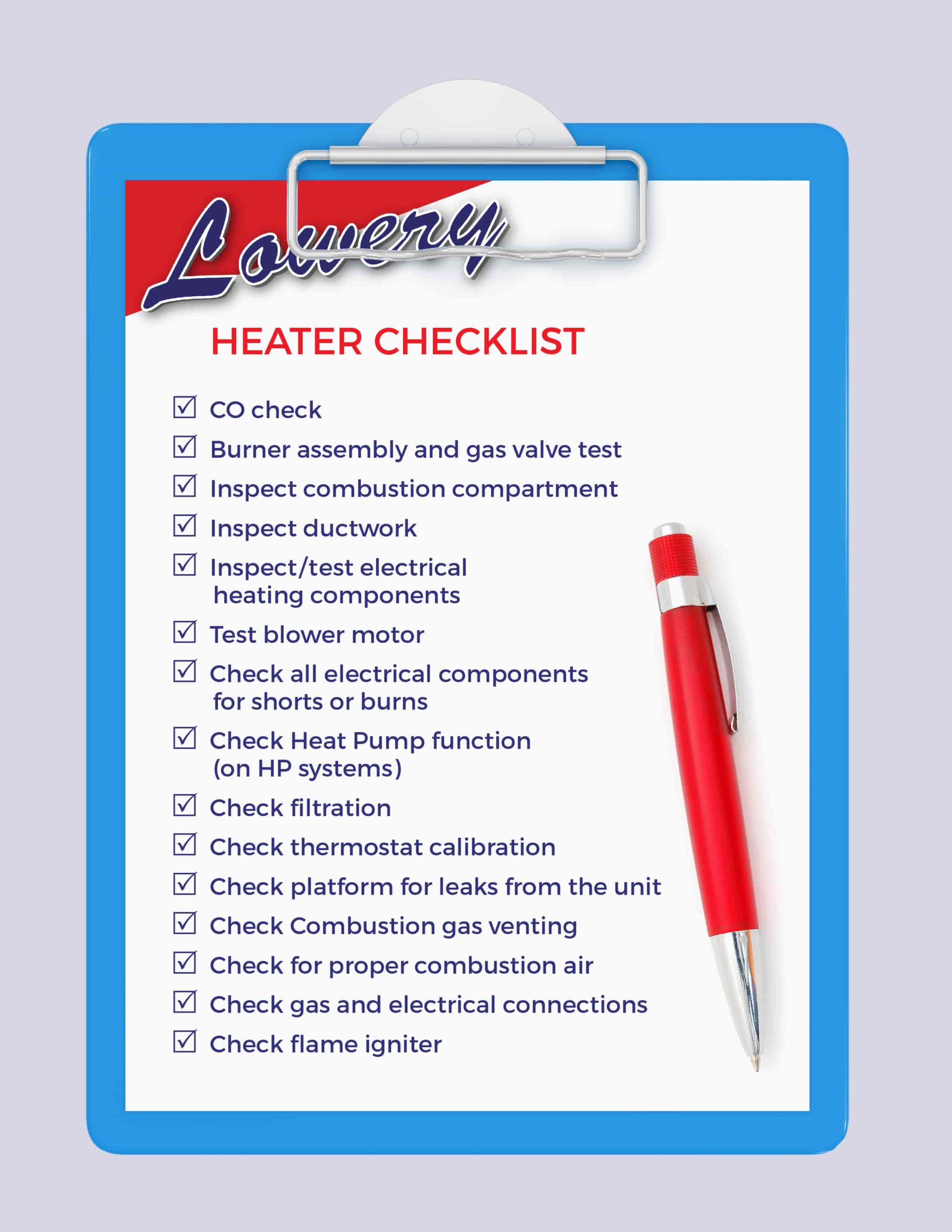
A professional HVAC tune-up is more comprehensive than simply changing the filter. It's a thorough inspection and cleaning of your heating system's critical components, designed to identify potential problems before they cause a breakdown. It's an investment in peace of mind that often pays for itself in energy savings and avoided repairs.
Let’s take the heat exchanger, for example. This component is responsible for transferring heat from the burner to your home. If it cracks, it can release dangerous carbon monoxide into your living space – a potentially fatal hazard. A technician will carefully inspect the heat exchanger for any signs of damage. You can't reliably check this yourself.
Beyond the heat exchanger, a tune-up includes cleaning and adjusting the burner for efficient combustion, testing electrical connections to prevent shorts and fires, and calibrating the thermostat for accurate temperature control. Technicians also inspect the blower motor and fan for proper operation and check refrigerant levels (for heat pumps).
Don't overlook ductwork. Technicians inspect ductwork for leaks, which can significantly reduce efficiency and increase energy bills. Leaky ducts force your system to work harder to maintain the desired temperature. Sealing these leaks improves airflow and lowers energy consumption. The cost of a tune-up varies by location and system type, but expect to pay between $75 and $200 for basic service.
Airflow is Everything: Filters, Vents, and Ductwork
Clean airflow is essential for an efficient and healthy HVAC system. A dirty air filter restricts airflow, forcing your furnace to work harder to circulate air. This reduces efficiency and can lead to overheating and premature component failure. Regularly replacing or cleaning your air filter is a simple, important maintenance task.
Filters come in various types, from inexpensive fiberglass to advanced pleated and electronic air cleaners. Your choice depends on your budget and air quality needs. Pleated filters offer better filtration and last longer than fiberglass. Check your filter monthly and replace it when dirty – typically every 1-3 months.
ut your vents and registers! Dust and debris can accumulate in these openings, restricting airflow. Simply vacuuming them regularly can improve airflow and indoor air quality. It’s also a good idea to ensure that vents aren’t blocked by furniture or curtains. This is a quick task that can make a noticeable difference.
Ductwork is often overlooked, but it's a critical component of your HVAC system. Leaky ducts can waste up to 30% of your heating energy, according to the Department of Energy. Signs of leaky ducts include high energy bills, uneven temperatures throughout your home, and dust accumulation near vents. Professional duct sealing is often necessary to address significant leaks, and can dramatically improve efficiency.
DIY Checks: Simple Steps You Can Take Today
You don’t need to be an HVAC expert to perform some basic maintenance tasks. There are several simple checks you can do yourself to help keep your system running smoothly. Start with your thermostat – make sure it’s programmed correctly and that the temperature settings are appropriate for your schedule.
Walk around your home and check for drafts around windows and doors. Sealing these drafts with weather stripping or caulk can reduce heat loss and lower your energy bills. If you have a humidifier connected to your HVAC system, inspect it for cleanliness and proper operation. Follow the manufacturer’s instructions for cleaning and maintenance.
Most importantly, always check your smoke and carbon monoxide detectors. Replace batteries as needed and test the detectors regularly to ensure they’re functioning properly. These devices are crucial for your safety and can save your life. This is the single most important DIY task you can perform.
Remember, these DIY checks are supplemental to a professional tune-up. They’re not a substitute for a thorough inspection and cleaning by a qualified technician. If you’re unsure about anything, or if you encounter a problem you can’t resolve, don’t hesitate to call a professional.
Electrical and Mechanical: What to Listen and Look For
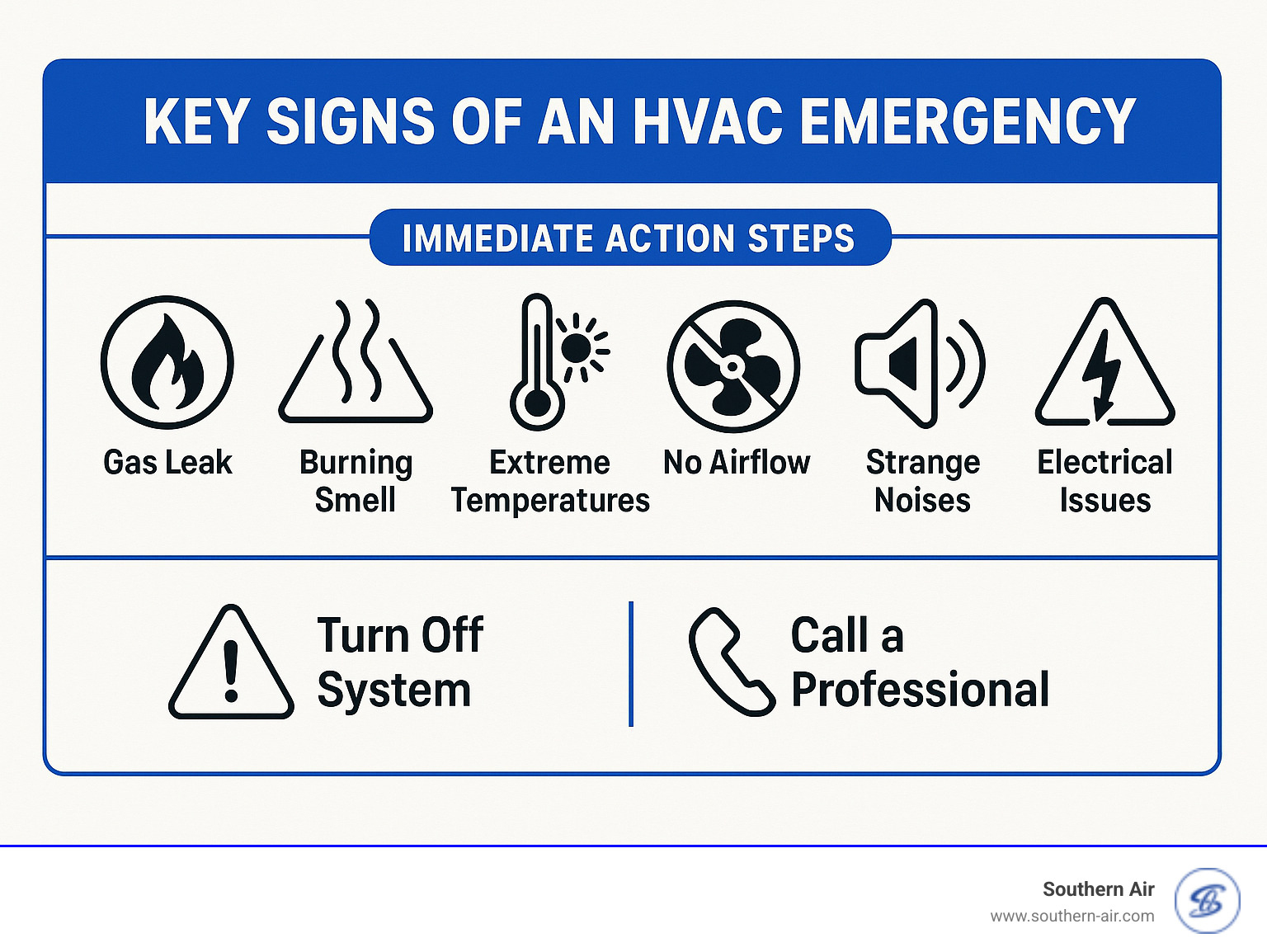
Your heating system will make some noise during operation – that’s normal. However, unusual noises can indicate a problem. Listen for banging, rattling, squealing, or grinding sounds. These could be signs of a failing motor, loose components, or other mechanical issues. Don't ignore these sounds; report them to a professional.
Pay attention to any unusual smells. A burning smell could indicate an electrical problem, while a musty odor might suggest a mold or mildew issue. Visible corrosion on electrical connections is another warning sign. If you notice any of these issues, turn off the system and call a technician immediately.
Thermostat calibration is also important. If your thermostat isn't accurately reading the temperature, it can cause your system to run inefficiently or cycle on and off frequently. Many thermostats have a calibration feature that allows you to adjust the reading. Consult your thermostat’s manual for instructions.
Lubricating moving parts can help reduce friction and wear, but this is generally best left to a professional. Improper lubrication can actually cause more harm than good. A technician has the proper tools and expertise to lubricate components safely and effectively.
Refrigerant and Condensate: Hidden Trouble Spots
Refrigerant is the lifeblood of a heat pump, and low refrigerant levels can significantly reduce its efficiency and cooling capacity. However, refrigerant handling requires specialized equipment and certification. It’s illegal and dangerous to attempt to add refrigerant yourself. If you suspect a refrigerant leak, call a qualified HVAC technician.
Condensate drains are another often-overlooked component. These drains remove moisture from the air during the cooling season, and can become clogged with algae, mold, or debris. A clogged condensate drain can cause water damage and potentially shut down your system. You might notice water pooling around the indoor unit, or a musty smell.
You can often clear a minor clog yourself by flushing the drain line with a mixture of water and vinegar. However, if the clog is severe, or if you’re not comfortable attempting this yourself, call a professional. A technician has the tools and expertise to safely and effectively clear condensate drains.
Regularly inspecting the area around the condenser and evaporator coils for debris can also help prevent drain clogs. Keeping these areas clean ensures proper airflow and efficient operation.
Repair or Replace? Knowing When to Call It Quits
Facing a major HVAC repair can be a tough decision. It's tempting to try and keep an old system running, but sometimes replacement is the more cost-effective option. A good rule of thumb is the $5,000 rule: multiply the age of your system by the cost of the repair. If the total exceeds $5,000, it’s usually more sensible to replace the system.
For example, if your furnace is 15 years old and the repair estimate is $600, the total is $9,000. In this case, replacement is likely the better choice. However, the $5,000 rule isn’t the only factor to consider. The efficiency of the old system versus a new one is also important. A new, high-efficiency system can save you significant money on energy bills over its lifespan.
Also, check for available rebates and incentives for upgrading to a more efficient system. Many utility companies and government agencies offer rebates to encourage energy conservation. These incentives can help offset the cost of a new system. Don't forget to factor in the potential for increased home value too.
Let's say you have a 10-year-old furnace with a $800 repair bill. That's $8,000, leaning towards replacement. But a new furnace might cost $4,000 installed, and offer a 20% improvement in efficiency. Over 10 years, that efficiency gain could save you enough on energy bills to offset the initial cost difference. It’s a complex calculation, but a qualified HVAC technician can help you weigh the pros and cons.
Finding a Qualified HVAC Technician: What to Look For
Choosing the right HVAC technician is crucial. Start by verifying that the technician is licensed and insured. Many states and municipalities require HVAC technicians to be licensed, and insurance protects you from liability in case of accidents. NATE (North American Technician Excellence) certification is a highly respected credential that demonstrates a technician’s knowledge and skills.
Read online reviews on sites like Google, Yelp, and the Better Business Bureau. Pay attention to both positive and negative reviews, and look for patterns. Get quotes from multiple technicians before making a decision. A reputable technician will be happy to provide a detailed estimate in writing.
During the initial consultation, ask about the technician’s experience with your specific type of system. Don’t be afraid to ask questions about their qualifications, their process, and their warranty policies. A good technician will be happy to answer your questions and explain everything in clear, understandable terms.
At Find HVAC Repair, we connect you with qualified, vetted HVAC professionals in your area. While I’m certainly biased, we strive to make the process of finding a reliable technician as easy and stress-free as possible. Ultimately, the goal is to find someone you trust to keep your home comfortable and safe all winter long.
No comments yet. Be the first to share your thoughts!