

Beat the rush: spring HVAC tune-ups
Spring is the ideal time to schedule HVAC maintenance. It's easy to forget about your air conditioner when you aren't actively using it, but getting ahead of potential problems now can save you a lot of trouble – and money – later. Proactive maintenance prevents breakdowns when your system is working hardest during the summer heat.
Summer is peak season for HVAC repair, meaning technicians are booked solid and response times are longer. Waiting until your AC stops working means dealing with discomfort, and potentially paying a premium for emergency service. Scheduling a tune-up now means you'll likely have more appointment options and avoid those frustrating delays.
A well-maintained system runs more efficiently and lowers your energy bills. Neglecting the unit leads to poor performance and eventually forces an expensive replacement. Spending a little on a tune-up now prevents a much larger bill in July.
Cleaning air conditioner coils
Dirty condenser and evaporator coils are a major cause of AC inefficiency. These coils are responsible for heat transfer – the condenser releases heat outside, and the evaporator absorbs heat inside. When coated in dirt, dust, and debris, they can’t do their job effectively, forcing your system to work harder and consume more energy.
ENERGY STAR estimates that dirty coils can reduce an AC’s efficiency by up to 10%. That translates to a noticeable increase in your energy bill over the cooling season. The condenser coil, located in the outdoor unit, is particularly vulnerable to dirt and leaves. The evaporator coil, inside your home, can accumulate dust and mold.
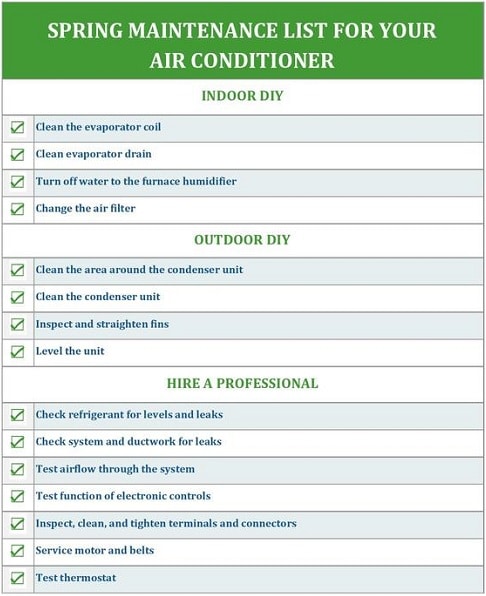
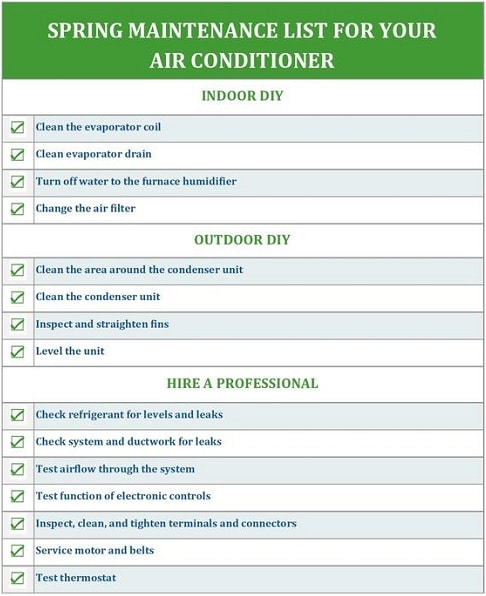
Cleaning the condenser coil involves turning off the power to the unit, removing any surrounding debris, and gently brushing the fins with a soft brush or fin comb. You can then use a commercially available coil cleaner, following the manufacturer’s instructions. The evaporator coil is more delicate and often requires professional cleaning, but you can vacuum around it to remove loose dust. Always disconnect power before any cleaning.
You'll need a few tools: a fin comb to straighten bent fins, coil cleaner specifically designed for AC units, a soft brush, and gloves. Safety is paramount – wear eye protection and a mask when using coil cleaner. Remember to rinse thoroughly with water after applying the cleaner to avoid corrosion.
Choosing the right filter
Changing your air filter is the single most important thing you can do to maintain your HVAC system. However, it’s not just when you change it, but what filter you use. A dirty filter restricts airflow, making your system work harder, reducing efficiency, and potentially causing it to overheat.
Filters are rated using a MERV (Minimum Efficiency Reporting Value) scale. Higher MERV ratings mean the filter captures more particles, but also restricts airflow more. For most residential systems, a MERV rating of 8-11 is a good balance. If someone in your household has allergies or asthma, you might consider a higher MERV rating (11-13), but be sure your system can handle the increased airflow restriction.
Electrostatic filters use static electricity to attract particles and are often washable. While they reduce waste, they are more expensive and don't fit every system. Check your manufacturer’s manual before switching from standard pleated filters.
As a general rule, change your filter every 1-3 months, depending on usage and air quality. If you have pets, allergies, or live in a dusty environment, you’ll need to change it more frequently. Regularly checking the filter is the best way to determine when it needs replacing.
- MERV 8-11 filters work for most homes to capture dust, pollen, and pet dander.
- MERV 11-13 filters are better for households with allergy or asthma sufferers because they catch smaller particles like mold spores.
- MERV 13+ filters are usually too thick for residential systems and can choke your airflow, leading to motor damage.
Clearing the drain line
Your air conditioner produces condensation as it cools air. This water is collected and drained through a condensate drain line. A clogged drain line can cause water damage, mold growth, and even shut down your system. Preventing clogs is far easier than dealing with the consequences.
Signs of a clogged drain line include standing water around the indoor unit, leaks near the drain line, or a musty odor. Ignoring these signs can lead to significant water damage to your floors, walls, and ceilings. It's something I've unfortunately seen happen too many times.
You can often clear a clog yourself using a wet/dry vacuum to suck out the blockage. Alternatively, you can pour a cup of white vinegar down the drain line, let it sit for 30 minutes, and then flush it with water. Never use harsh chemicals like bleach, as they can corrode the drain line.
If you're uncomfortable clearing the clog yourself, or if the problem persists, call a professional. A clogged drain line is a relatively simple fix for an HVAC technician, but it can cause major headaches if left unaddressed.
Electrical safety
Working with electricity is dangerous. Always turn off the power to your HVAC system at the breaker box before attempting any inspection or maintenance. Homeowners can safely check for loose connections and frayed wires, but any more complex electrical work should be left to a qualified professional.
Visually inspect the electrical components for signs of damage, such as loose wires, corrosion, or burnt insulation. Tighten any loose connections carefully. If you notice any damage, do not attempt to repair it yourself – call an HVAC technician immediately.
Checking refrigerant levels, testing capacitors, and diagnosing electrical faults require specialized tools and expertise. These tasks should only be performed by a licensed HVAC professional. Tampering with refrigerant can be harmful to the environment and is illegal in many areas. Do not attempt these repairs yourself.
Blower motor inspection
The fan and blower motor are essential for circulating air throughout your home. A malfunctioning fan or blower motor can significantly reduce your system’s efficiency and cause discomfort. Listen for unusual noises, such as squealing, grinding, or rattling sounds, which could indicate a problem.
Check the motor for dust buildup, which acts as insulation and causes overheating. You can vacuum the area to remove debris, but keep moisture away from the housing. A healthy motor should hum quietly without any rhythmic clicking or grinding.
If you notice any unusual noises or suspect a problem with the motor, it’s best to call a professional. Replacing a fan or blower motor can be complex and requires specialized knowledge. A technician can accurately diagnose the issue and recommend the appropriate repair.
Clear debris from the outdoor unit
Keeping the area around your outdoor unit clear of debris is crucial for efficient operation. Leaves, branches, snow, and other obstructions can restrict airflow, causing the unit to overheat and work harder. This can lead to increased energy bills and premature failure.
Trim any vegetation that’s growing too close to the unit. Ensure there’s at least two feet of clearance on all sides. Regularly remove any debris that accumulates around the unit, especially after storms. It's a simple task that can make a big difference.
When to call a professional
A professional HVAC tune-up goes beyond what a homeowner can do. Technicians will perform a comprehensive inspection of your entire system, including checking refrigerant levels, detecting leaks, calibrating thermostats, and cleaning components. They have the tools and expertise to identify potential problems before they become major issues.
A typical tune-up includes checking the electrical connections, lubricating moving parts, inspecting the blower motor, and cleaning the coils. They’ll also verify that your system is operating at peak efficiency and identify any areas that need attention. The EPA requires technicians to be certified to handle refrigerants, ensuring they are handled safely and responsibly.
Investing in a professional tune-up is a smart decision. It can extend the lifespan of your system, improve energy efficiency, and prevent costly repairs. While it's an expense, it's often far less than the cost of a major breakdown or system replacement. Think of it as preventative healthcare for your HVAC system.
DIY vs. Professional HVAC Maintenance – Spring 2026
| Task | Difficulty | Safety Risk | Required Tools | Cost |
|---|---|---|---|---|
| Filter Change | Low | Low | New Filter | Low |
| Coil Cleaning | Medium | Medium | Fin Comb, Coil Cleaner | Medium |
| Drain Line Clear | Medium | Low | Wet/Dry Vacuum, Stiff Wire or Pipe Cleaner | Low to Medium |
| Refrigerant Check | High | High | Manifold Gauges, Refrigerant Recovery Unit (Professional Only) | High – Professional Service Required |
| Electrical Inspection | High | High | Multimeter, Insulated Tools (Professional Only) | High – Professional Service Required |
| Condensate Pan Cleaning | Medium | Low | Wet/Dry Vacuum, Cleaning Solution | Low to Medium |
| Fan Blade Inspection | Medium | Low | Screwdriver | Low |
Illustrative comparison based on the article research brief. Verify current pricing, limits, and product details in the official docs before relying on it.
No comments yet. Be the first to share your thoughts!