
Beyond the Thermostat: What 'Smart' Really Means for HVAC in 2026
For years, "smart’ thermostats were the extent of most homeowners’ experience with intelligent heating and cooling. But the term is evolving. In 2026, a truly smart HVAC system is less about remote control and more about proactive optimization, driven by data and – increasingly – artificial intelligence. It"s a shift from reacting to temperature changes to anticipating them.
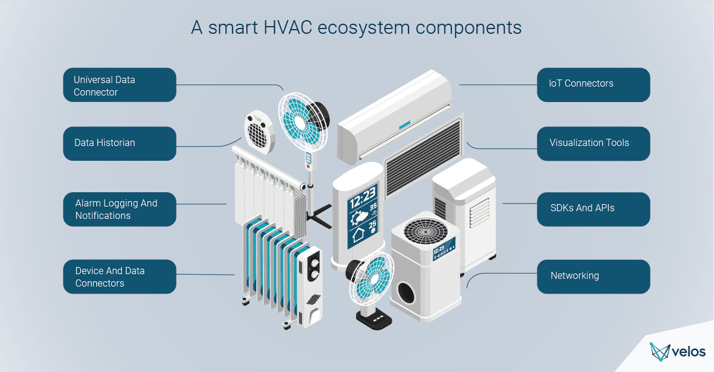
The core of this transformation involves a network of sensors monitoring everything from temperature and humidity to air quality and occupancy. These sensors connect via Wi-Fi, Bluetooth, or Zigbee protocols, feeding data to a central controller. That controller then uses algorithms to adjust system operation, aiming for comfort and efficiency. We’re past the point of simple scheduling; these systems are learning.
Most 'AI' on the market today is just basic pattern recognition. But the foundation is being laid for more sophisticated applications. The California building codes outlined in energy.ca.gov Chapter 4 establish minimum standards for HVAC systems, and smart technology offers a pathway to significantly exceed those requirements – a move towards greater energy responsibility.
The value proposition isn’t just about convenience; it’s about tangible energy savings and improved indoor air quality. And while the market is flooded with buzzwords, the focus needs to remain on systems that demonstrably deliver on these promises. The hype around complete automation often overshadows the practical benefits available today.
The Data Flood: How Smart HVAC Systems Learn Your Comfort Preferences
Smart HVAC systems are, at their heart, data collectors. They’re continuously gathering information about your home environment and your behavior. This includes obvious data points like indoor and outdoor temperature, humidity levels, and the time of day. But it goes further: occupancy sensors detect when rooms are in use, and the system learns your preferred temperature settings for different times and activities.
This data isn’t just passively recorded; it’s used to build a profile of your comfort preferences. The system identifies patterns in your behavior. For example, if you consistently override the programmed schedule to raise the temperature in the evening, the system will learn to anticipate this and adjust accordingly. That’s where the "learning’ aspect comes in – it"s a continuous process of refinement.
However, the collection of this data raises legitimate privacy concerns. You should check what data your system collects and where it goes. Reputable manufacturers should offer clear privacy policies and robust security measures. Some systems allow you to opt out of certain data collection features, giving you more control.
The effectiveness of these systems relies heavily on the quality of the data. Inaccurate sensors or inconsistent user behavior can lead to suboptimal performance. But even with imperfections, the ability to learn and adapt makes smart HVAC systems significantly more efficient than traditional systems. The key is finding a balance between data collection and user privacy.
- Temperature (indoor and outdoor)
- Humidity
- Occupancy
- Time of day
- User-defined settings
- Weather forecasts
AI-Powered Predictive Maintenance: Avoiding Costly Breakdowns
One of the most promising applications of AI in HVAC is predictive maintenance. Traditionally, HVAC maintenance has been reactive – you wait for something to break down and then call a technician. Predictive maintenance aims to prevent breakdowns before they happen by identifying potential problems early on. This is done by analyzing data from sensors monitoring the system's performance.
Here’s how it works: sensors can detect subtle anomalies – a slight increase in vibration in a fan motor, a gradual rise in temperature in a compressor, or a change in electrical current draw. These anomalies might not be noticeable to the naked eye, but AI algorithms can identify them as early warning signs of a potential failure. This allows technicians to proactively address the issue before it escalates into a costly repair.
The usbr.gov Design Guide for HVAC Systems emphasizes the importance of documenting system performance. Predictive maintenance takes this concept to the next level by using that performance data to forecast future issues. While full-blown predictive maintenance is still an evolving field, the technology is becoming increasingly sophisticated and accessible.
The benefits are clear: reduced downtime, lower repair costs, and extended equipment lifespan. However, it’s important to remember that predictive maintenance isn’t foolproof. It relies on accurate data and reliable algorithms. This doesn't replace regular maintenance, but it adds a layer of protection.
Zoning and Variable Refrigerant Flow (VRF): Targeted Comfort, Reduced Waste
Smart technology isn’t creating new HVAC techniques; it’s making existing ones far more effective. Zoning – the ability to heat or cool only the rooms you’re using – is a prime example. Traditionally, zoning systems relied on dampers and thermostats. Smart zoning systems add intelligence, optimizing airflow based on occupancy and individual room preferences.
Variable Refrigerant Flow (VRF) systems take this concept even further. VRF systems adjust the amount of refrigerant flowing to individual zones based on their specific heating or cooling needs. This allows for precise temperature control and significant energy savings. A smart controller can fine-tune VRF operation, maximizing efficiency and comfort.
The key is the data. A smart system knows which rooms are occupied, what the desired temperature is in each room, and what the outdoor conditions are. It uses this information to optimize refrigerant flow and airflow, ensuring that energy isn’t wasted heating or cooling unoccupied spaces. It’s about delivering the right amount of heating or cooling, to the right place, at the right time.
These systems aren't new, but the integration of smart controls makes a substantial difference. What once required manual adjustments and guesswork can now be automated and optimized, leading to lower energy bills and a more comfortable home. The initial investment might be higher, but the long-term savings can be significant.
Integration with the Smart Home: Beyond Temperature Control
Smart HVAC systems now connect to the rest of your home. This allows for seamless control and automation, extending beyond just temperature regulation. Voice assistants like Alexa and Google Assistant allow you to adjust the temperature with a simple voice command.
Integration with smart lighting systems can create energy-saving scenarios. For example, when you leave a room, the lights turn off and the temperature is automatically adjusted to a setback setting. Smart blinds can also be integrated, automatically adjusting to block sunlight and reduce cooling loads during the hottest part of the day.
Perhaps even more significant is the potential for demand response programs. These programs allow your HVAC system to automatically adjust during peak hours, reducing strain on the grid and lowering your energy costs. You essentially get paid to let the utility company temporarily adjust your thermostat.
Find HVAC Repair offers comprehensive heating and cooling services, including installation and integration of these smart systems. We can help you connect your HVAC system to your existing smart home setup and ensure that everything is working optimally. The future of home comfort is interconnected, and we're equipped to help you navigate it.
Content is being updated. Check back soon.
The 40% Savings Claim: Realistic Expectations and How to Achieve Them
The claim of a 40% reduction in energy bills with a smart HVAC system is often touted, but it’s crucial to approach it with a healthy dose of skepticism. While significant savings are certainly possible, the actual amount will vary depending on a wide range of factors. There’s no one-size-fits-all answer.
Climate is a major factor. Homes in hotter climates will naturally see greater savings from improved cooling efficiency. Home insulation also plays a critical role. A poorly insulated home will lose energy regardless of how efficient your HVAC system is. The efficiency of your existing HVAC system is another key consideration. Upgrading from an old, inefficient system to a smart, high-efficiency system will yield the greatest savings.
User behavior is perhaps the most unpredictable factor. If you consistently override the programmed settings or leave windows open, you’ll negate many of the benefits of a smart system. The specific features of the smart system itself also matter. Systems with advanced zoning capabilities or predictive maintenance features will generally deliver greater savings.
To maximize your savings, focus on a holistic approach. Improve your home’s insulation, seal air leaks, and use your smart HVAC system wisely. Regularly monitor your energy usage and adjust settings as needed. While a 40% reduction might not be achievable for everyone, significant savings are within reach with the right system and the right habits.
HVAC Apprenticeship and the Future of Smart Systems: Skills for a Changing Industry
The rise of smart HVAC systems is creating a demand for skilled technicians who can install, maintain, and repair these complex systems. Traditional HVAC training is no longer sufficient. Technicians need to understand networking, sensors, data analytics, and software programming.
Find HVAC Repair recognizes this need and offers comprehensive HVAC apprenticeship programs designed to equip technicians with the skills they need to succeed in this evolving industry. Our programs cover not only the fundamentals of HVAC but also the latest smart technologies and diagnostic techniques.
The demand for qualified HVAC technicians is projected to grow significantly in the coming years. As more homes and businesses adopt smart HVAC systems, the need for skilled professionals will only increase. This represents a tremendous opportunity for individuals seeking a rewarding and stable career.
This isn’t just about fixing broken equipment; it’s about optimizing system performance, troubleshooting complex issues, and ensuring that customers are getting the most out of their investment. The future of HVAC is intelligent, and we’re committed to training the next generation of technicians to lead the way.
- Networking fundamentals
- Sensor technology
- Data analytics
- Software programming
- Smart thermostat configuration
- VRF system diagnostics
Skills for the Smart HVAC Technician
- Data Analysis - Smart HVAC systems generate significant data on energy usage, system performance, and environmental conditions. Technicians will need to interpret this data to identify inefficiencies and optimize system operation.
- Network Troubleshooting - These systems rely on robust network connectivity for remote monitoring, control, and software updates. Technicians must be proficient in diagnosing and resolving network issues, including Wi-Fi and Ethernet connections.
- Software Updates & Management - Regular software updates are critical for security and performance improvements in smart HVAC systems. Technicians will be responsible for installing and managing these updates, often remotely.
- Sensor Calibration & Maintenance - Accurate data relies on properly calibrated sensors. Technicians will need to understand how to calibrate and maintain various sensors measuring temperature, humidity, air quality, and more.
- AI Diagnostic Interpretation - Smart systems employ AI for predictive maintenance and fault detection. Technicians will need to understand the AI’s diagnoses, validate findings, and implement appropriate repairs.
- Integration with Building Management Systems (BMS) - Smart HVAC systems are increasingly integrated with broader BMS. Technicians will need to understand communication protocols like BACnet and Modbus to ensure seamless operation.
- Cybersecurity Awareness - As connected devices, smart HVAC systems are potential targets for cyberattacks. Technicians need to be aware of security best practices and how to protect systems from vulnerabilities.
Looking Ahead: Emerging Trends in Smart HVAC Technology
The evolution of smart HVAC is far from over. Several emerging trends promise to further transform the industry. AI-powered load forecasting, for example, will allow systems to anticipate heating and cooling needs with even greater accuracy, optimizing energy usage and reducing costs.
Grid-interactive efficient buildings (GEBs) represent another exciting development. GEBs actively communicate with the power grid, adjusting their energy consumption based on grid conditions. This can help to stabilize the grid and reduce reliance on fossil fuels. Blockchain technology could also play a role, enabling peer-to-peer energy trading and incentivizing energy conservation.
We’re also likely to see more sophisticated integration with other smart home devices and platforms. The goal is to create a truly seamless and automated home environment, where everything works together to optimize comfort, efficiency, and sustainability.
While these technologies are still in their early stages of development, they have the potential to revolutionize the way we heat and cool our homes. The future of HVAC is intelligent, connected, and sustainable – and we’re excited to be a part of it.
Upgrade your indoor comfort with expert HVAC installation in New York. Our technicians provide complete installation services designed to maximize efficiency, airflow, and system reliability. Call us today: 718-300-4375 or Visit https://t.co/kZxu0lwKCo, #AirQualityMatters pic.twitter.com/vKPckP2hgt
— Revenue Air Conditioning Inc (@inc_revenue) April 12, 2026
No comments yet. Be the first to share your thoughts!