
The Rising Tide of Extreme Weather and Your HVAC System
We’re seeing a clear trend: extreme weather events are becoming more frequent and more intense. From devastating hurricanes along the coast to record-breaking heatwaves inland, our HVAC systems are facing unprecedented strain. This isn't just about comfort anymore; it’s about ensuring functional, and even life-sustaining, indoor environments. The past few years have demonstrated how quickly these events can overwhelm even well-maintained systems.
Climate change is a major driver of this increased demand. Warmer temperatures mean longer cooling seasons and greater reliance on air conditioning, pushing compressors to their limits. Simultaneously, shifting weather patterns contribute to more severe storms, increasing the risk of power outages and physical damage to HVAC equipment. I've noticed a significant uptick in emergency calls following major weather events like the recent storms in the Southeast.
The types of failures we’re seeing are evolving too. It’s not just older units giving out under stress; even newer, high-efficiency systems can be vulnerable. We’re seeing more compressor failures due to prolonged operation in extreme heat, and increased instances of refrigerant leaks caused by physical impact from storms. Modern units are more complex, which creates more failure points. If you skip maintenance, a small leak becomes a $2,000 emergency repair.
Understanding HVAC Vulnerabilities During Specific Weather Events
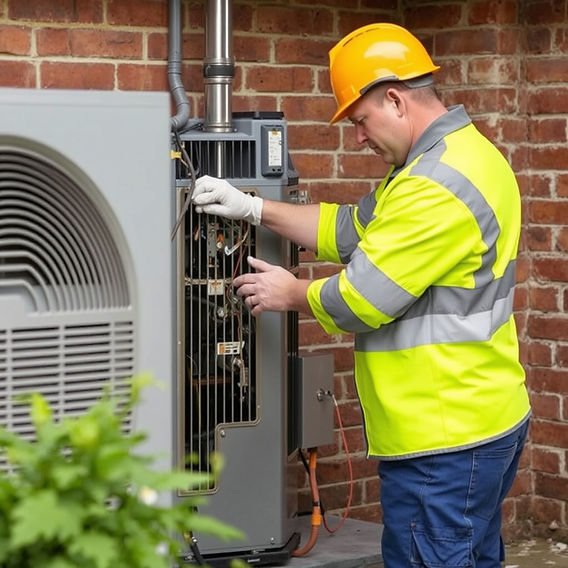
Different weather events present unique challenges to your HVAC system. Hurricanes, for example, often bring flooding and widespread power outages. Flooding can submerge outdoor units, causing irreparable damage to motors and electrical components. Even if the unit isn't fully submerged, standing water can corrode vital parts over time. Power outages can lead to frozen coils if the system shuts down during extremely cold weather.
Heatwaves put immense stress on air conditioning compressors. Prolonged operation at maximum capacity can lead to overheating and premature failure. Air quality also becomes a concern as increased temperatures can worsen ground-level ozone, potentially clogging air filters and reducing system efficiency. I've seen compressors burn out after just a few days of sustained 100+ degree temperatures.
Blizzards pose a different set of risks. Frozen coils and refrigerant lines are common issues, restricting airflow and reducing cooling capacity. Ice buildup can also damage fan blades and motors. Severe thunderstorms bring the threat of power surges and lightning strikes, which can fry sensitive electronic components within the HVAC system. A good surge protector is a small investment compared to replacing an entire control board.
Even seemingly mild weather events can cause problems. Heavy rain can overwhelm condensate drains, leading to water damage. Strong winds can blow debris into outdoor units, damaging fans or coils. You need to look at every threat, from wind-blown debris to drainage issues, before the season starts.
Pre-Season HVAC Checklists for Climate Resilience
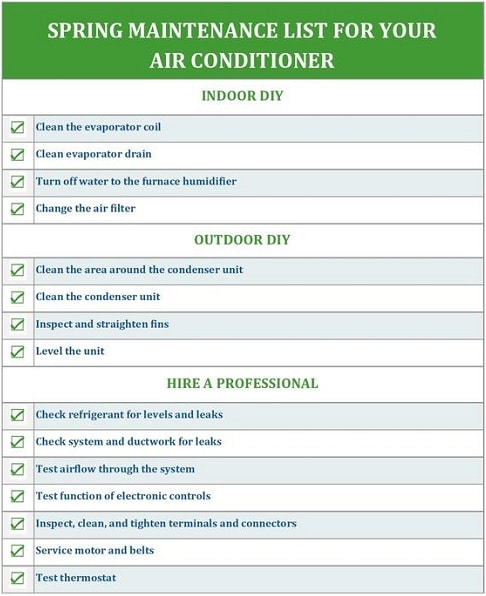
Prep your system before the storm hits. The EPA’s 2024 maintenance guide is a good place to start. Begin by clearing away any debris around your outdoor unit – leaves, branches, and even overgrown vegetation can restrict airflow and cause the system to work harder. Ensuring at least two feet of clearance on all sides is a good rule of thumb.
Next, check your refrigerant levels. Low refrigerant can significantly reduce cooling efficiency and potentially damage the compressor. This is a task best left to a qualified technician, as handling refrigerant requires specialized training and equipment. Inspect your ductwork for leaks. Leaky ducts can waste significant energy and reduce system performance. Sealing leaks with mastic sealant or metal tape is a relatively simple DIY project.
Proper ventilation is crucial for maintaining indoor air quality. Ensure that your outside air intake is unobstructed and functioning correctly. Clean or replace your air filters regularly, especially during periods of high pollen or dust. Finally, have a backup power plan in place. A generator or battery storage system can keep your HVAC system running during a power outage.
Deciding between professional maintenance and DIY tasks is important. While some tasks, like filter changes and debris removal, are easy for homeowners, others – like refrigerant checks and electrical repairs – should always be handled by a qualified technician. Investing in a professional tune-up each year can significantly extend the life of your HVAC system and prevent costly breakdowns.
- Clear Debris: Remove leaves, branches, and vegetation around outdoor units.
- Check Refrigerant: Have a technician verify refrigerant levels.
- Inspect Ductwork: Seal any leaks with mastic or metal tape.
- Ensure Ventilation: Confirm outside air intake is unobstructed.
- Replace Filters: Clean or replace air filters regularly.
- Backup Power: Consider a generator or battery storage.
Emergency HVAC Repair: What to Do When Disaster Strikes
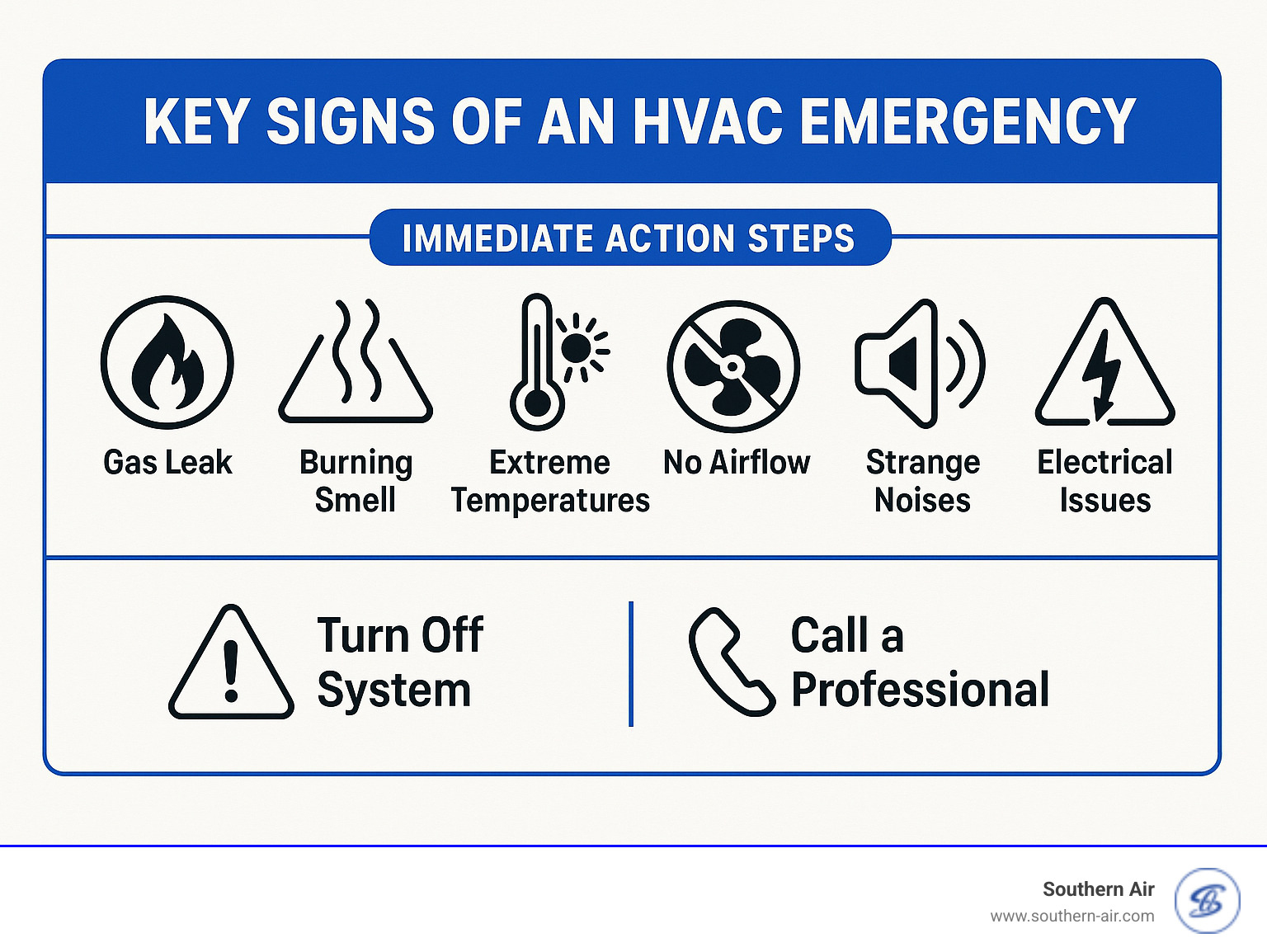
When an extreme weather event occurs, safety is paramount. Avoid downed power lines and never enter a flooded basement. Once the immediate danger has passed, carefully assess the damage to your HVAC system. Look for obvious signs of damage, such as bent fins, broken fans, or water intrusion. Don’t attempt to operate the system if you suspect it has been damaged.
Contacting a qualified HVAC technician is the next step. Look for a company that is licensed, insured, and has a proven track record of handling emergency repairs. Be wary of companies that offer suspiciously low prices or pressure you into immediate repairs. Ask for references and check online reviews. I've seen a lot of price gouging after major storms.
Dealing with insurance claims can be complex. Document all damage thoroughly, taking photos and videos. Keep copies of all repair bills and correspondence with your insurance company. A reputable HVAC technician can assist you with the claims process. Temporary solutions, like portable AC units or generators, can provide some relief while you wait for repairs.
Remember, attempting to repair a damaged HVAC system yourself can be dangerous and may void your warranty. It’s always best to leave complex repairs to the professionals. Finding a reliable HVAC repair service is crucial during emergencies. Services like Find HVAC Repair can help you locate qualified technicians in your area.
🔥 Need thermostat installation or furnace repair in Happy Valley? Our expert team offers emergency HVAC repair & furnace installation services! Get your home comfortable today! 👇 https://t.co/tK7DNO6aGu
— Amy Howard (@AmyHowa55347915) April 12, 2026
Finding Reliable Emergency HVAC Services: A Regional Guide
In areas prone to extreme weather, like Savannah and Hilton Head, finding a qualified HVAC technician during peak demand can be challenging. Demand surges after major storms, leading to longer wait times and potentially higher prices. It's important to be proactive and have a list of potential repair services ready before disaster strikes.
When vetting HVAC companies, check their licensing and insurance credentials. Read online reviews on platforms like Yelp and Google to get a sense of their reputation. Ask about their experience with emergency repairs and their response time. Don't hesitate to ask for references from previous customers. A quick search on Yelp shows many options for Hvac Maintenance in New York, NY, demonstrating the importance of research.
Beware of surge pricing, where companies inflate their rates during emergencies. Ask for a clear, written estimate before authorizing any repairs. Don't be afraid to get multiple quotes. We built Find HVAC Repair to connect you with technicians who won't gouge prices when a hurricane hits.
Stick with companies that offer 24/7 service and keep parts in stock locally. This ensures you aren't waiting a week for a simple capacitor while the house is 95 degrees.ures they can respond quickly and efficiently to your needs. Building a relationship with a local HVAC company before an emergency can also give you peace of mind.
Long-Term HVAC Investments for Climate Preparedness
While emergency repairs are sometimes unavoidable, investing in long-term HVAC improvements can significantly reduce your risk of future problems. Upgrading to a more energy-efficient HVAC system can lower your energy bills and reduce the strain on the grid during peak demand. Systems with variable-speed compressors are particularly resilient, as they can adjust their output to match the cooling load.
Considering backup power options is another smart investment. A generator can keep your HVAC system running during a power outage, providing critical cooling or heating. Battery storage systems are becoming increasingly popular, offering a cleaner and quieter alternative to generators. These systems can be expensive upfront but offer long-term benefits.
Smart thermostats with remote monitoring capabilities can provide valuable insights into your HVAC system's performance. These thermostats allow you to adjust the temperature remotely, monitor energy usage, and receive alerts if there's a problem. Some models can even detect and diagnose certain issues automatically.
Investing in resilient HVAC infrastructure is a long-term commitment that can pay dividends in terms of comfort, energy savings, and peace of mind. While
HVAC System Resilience & Suitability for Extreme Weather (2026 Considerations)
| HVAC System Type | Energy Efficiency | Climate Suitability | Extreme Weather Resilience | Typical Repair Complexity |
|---|---|---|---|---|
| Central Air Conditioning | Moderate | Best for hot, humid climates | Vulnerable to power outages; outdoor unit susceptible to debris damage | Generally High - requires specialized knowledge |
| Ductless Mini-Splits | High | Good for varied climates; zoning capabilities | More resilient due to multiple indoor units; less reliance on central ductwork | Moderate - component-level repairs common |
| Heat Pumps | Very High | Effective in moderate climates; increasing capabilities in colder regions | Performance degrades in extreme cold without supplemental heat; outdoor unit susceptible to ice/snow | Moderate to High - refrigerant handling is critical |
| Evaporative Coolers (Swamp Coolers) | High (in dry climates) | Best for hot, *dry* climates | Ineffective in humid conditions; requires consistent water supply | Low - simpler mechanical systems |
| Geothermal HVAC | Extremely High | Suitable for most climates, consistent underground temperatures | Highly resilient as ground temperature is stable; requires power for circulation | High - specialized installation and repair expertise needed |
| Window Air Conditioners | Low | Localized cooling; suitable for single rooms | Limited capacity; vulnerable to power outages and weather exposure | Low - often DIY repairable |
Qualitative comparison based on the article research brief. Confirm current product details in the official docs before making implementation choices.
HVAC Apprenticeship and the Future of a Climate-Ready Workforce
The increasing frequency of extreme weather events is driving a growing demand for skilled HVAC technicians. As HVAC systems become more complex, the need for qualified professionals who can install, maintain, and repair these systems will only increase. This creates a stable and rewarding career path for those interested in the trades.
Find HVAC Repair recognizes this growing need and offers a comprehensive apprenticeship program designed to train the next generation of HVAC professionals. Our program combines classroom instruction with hands-on experience, providing apprentices with the skills and knowledge they need to succeed in this rapidly evolving field. Investing in a qualified workforce is essential for building a climate-ready future.
HVAC is no longer just about keeping people comfortable; it's about ensuring public health and safety. Skilled technicians are needed to maintain indoor air quality, prevent the spread of disease, and respond to emergencies. A career in HVAC offers the opportunity to make a real difference in your community. You can learn more about our apprenticeship program and career opportunities on the Find HVAC Repair careers page.
No comments yet. Be the first to share your thoughts!