

Why annual maintenance matters
Treating HVAC maintenance as a reactive expense is a costly habit. Waiting for a breakdown often means paying for emergency service calls, which can easily double or triple the price of a standard tune-up. Routine service acts as an insurance policy for your home’s comfort and your wallet, catching minor wear before it turns into a catastrophic failure.
The financial logic is straightforward. A seasonal tune-up typically starts around $99 for an A/C unit, heat pump, or furnace. This upfront cost protects a system that represents a significant portion of your home’s value. Neglecting this small investment increases the risk of inefficient operation, driving up monthly energy bills and shortening the lifespan of expensive components like compressors and heat exchangers.
Timing is critical for maximizing these benefits. Most homes benefit from maintenance once per year, ideally scheduled in the spring before the heavy cooling season begins. This proactive approach ensures your system is calibrated for peak performance when you need it most, supporting consistent cooling and reducing the strain on your unit during peak summer heat.
By shifting your mindset from repair to prevention, you gain control over your home’s environment. Regular checkups allow technicians to clean coils, check refrigerant levels, and tighten electrical connections, ensuring your HVAC system operates safely and efficiently throughout the year.
5 Essential HVAC Maintenance Tips for 2026
Staying ahead of 2026’s stricter efficiency standards requires more than guesswork; it demands precise maintenance of specific components. This guide cuts through the noise with actionable steps and concrete product recommendations to optimize your system's performance and longevity.
-

Upgrade to a 2026 compliant smart thermostat
Invest in a smart thermostat that meets 2026 efficiency standards to automate temperature adjustments based on your daily routine. These devices learn your habits, reducing energy waste when you are away or asleep. Look for models with geofencing capabilities and integration with local utility demand-response programs for potential rebates. This small hardware swap often yields the highest return on investment by optimizing system runtime without sacrificing comfort. -
Replace MERV 13+ pleated air filters monthly
High-efficiency MERV 13+ filters trap microscopic particles like pollen, pet dander, and fine dust that standard filters miss. However, their dense media restricts airflow faster, requiring monthly replacements to prevent strain on your blower motor. Check your filter every four weeks during peak heating and cooling seasons. Clogged filters force the system to work harder, increasing energy bills and potentially causing premature component failure due to excessive heat buildup. -
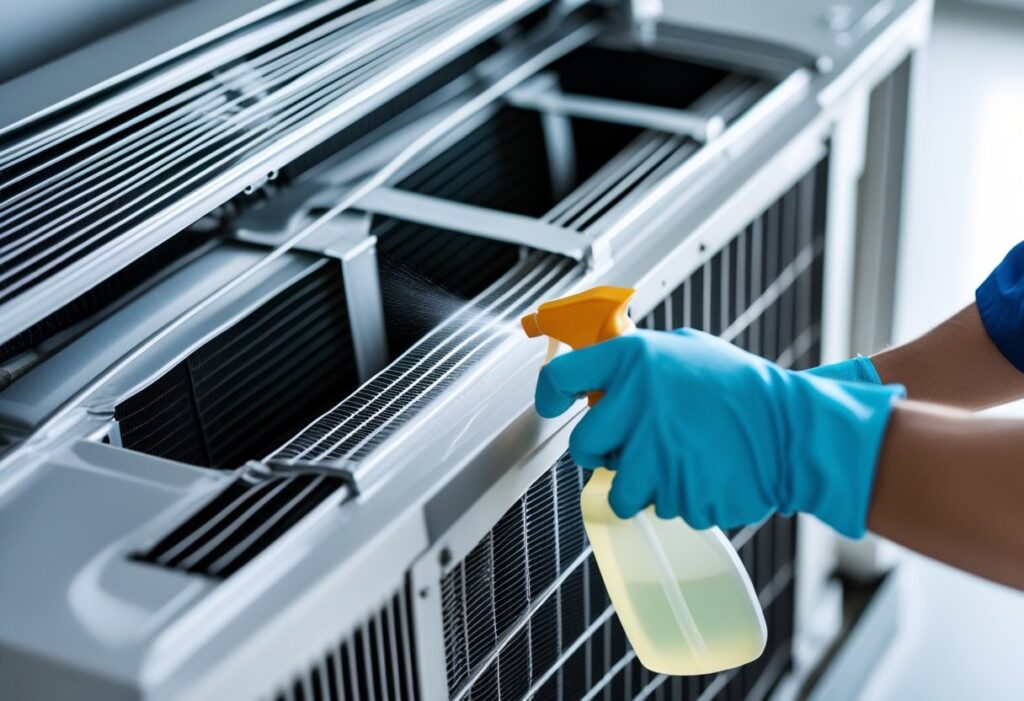
Clean condenser coils with non-acidic solution
Dirty condenser coils act like an insulated blanket, trapping heat and forcing your compressor to run longer cycles. Use a commercially available, non-acidic coil cleaner specifically designed for HVAC systems to dissolve grime without corroding the aluminum fins. Spray the solution evenly across the coils, let it sit for the recommended time, and gently rinse with low-pressure water. This simple maintenance step can restore up to 15% of lost efficiency. -

Seal ductwork with mastic sealant tape
Leaky ducts can waste up to 30% of conditioned air, sending it into unconditioned attics or crawlspaces. Avoid standard cloth duct tape, which dries out and peels over time. Instead, use mastic sealant or foil-backed tape specifically rated for HVAC applications. Apply mastic with a brush to all joints and seams, creating an airtight seal that ensures every bit of heated or cooled air reaches your living spaces efficiently. -
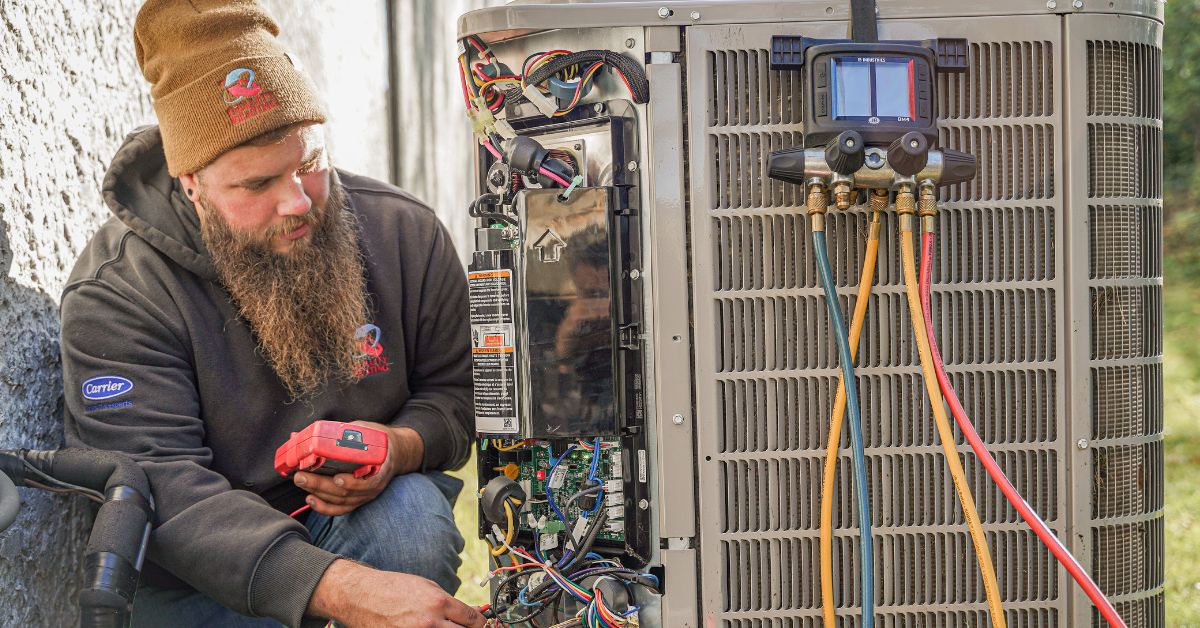
Schedule professional refrigerant level inspection
Refrigerant levels are critical for heat exchange efficiency, and low levels indicate a leak that must be repaired before recharging. A professional technician uses specialized gauges to measure pressure and superheat, ensuring the system operates at its designed capacity. Incorrect refrigerant charge can damage the compressor, leading to costly replacements. Annual inspections catch these subtle issues early, preserving system longevity and maintaining peak cooling performance.
Change air filters monthly
Your HVAC system’s air filter is the first line of defense for both your equipment’s efficiency and your household’s air quality. A clogged filter forces the blower motor to work harder, driving up energy bills and accelerating wear on internal components. In 2026, with tighter efficiency standards, maintaining clean airflow is more critical than ever for keeping your system within its rated performance envelope.
Most manufacturers recommend replacing standard fiberglass or pleated filters every 30 days. However, this frequency shifts based on your home’s environment. If you have pets, smoke indoors, or live in a dusty area, you may need to swap filters every two weeks. Conversely, if you live in a clean, smoke-free home with no pets, a three-month interval might suffice for high-efficiency pleated options. Always check the MERV rating on the filter packaging; a MERV 8-11 rating is ideal for most residential systems, balancing filtration with airflow resistance.
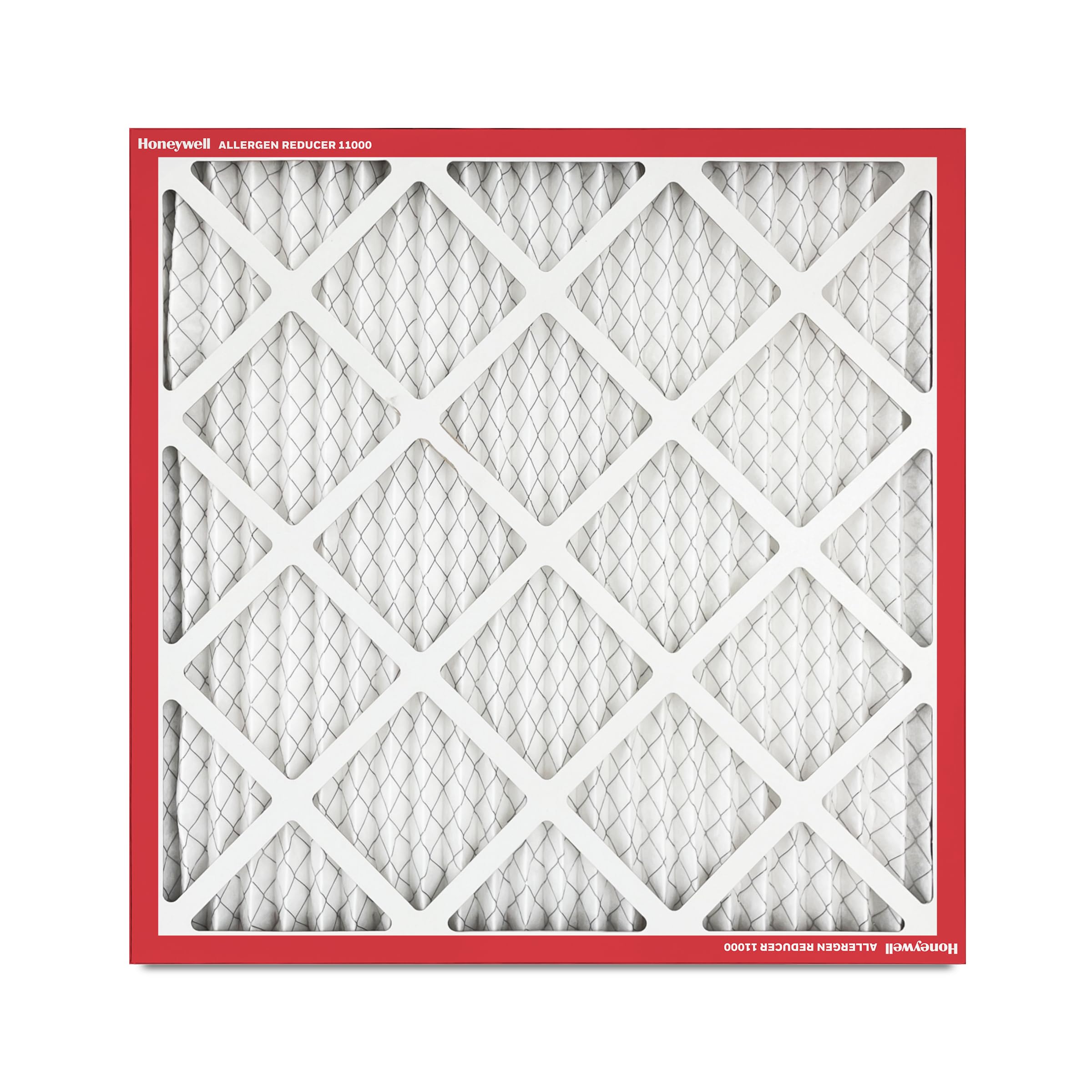
Choosing the right filter matters as much as the timing. High-quality pleated filters capture smaller particles like pollen, mold spores, and fine dust without restricting airflow as quickly as cheaper alternatives. Below are top-rated HVAC air filters available on Amazon that meet 2026 efficiency expectations.

As an Amazon Associate, we may earn from qualifying purchases.
Clear debris from outdoor units
Your outdoor condenser unit needs room to breathe. When leaves, grass clippings, or tangled vines pile up around the base, they restrict airflow and force the compressor to work harder to release heat. In 2026, with stricter energy efficiency standards, even minor airflow restrictions can noticeably spike your electricity bills. Think of the condenser coil as a radiator; if it can't shed heat, your entire AC system struggles.
Start by turning off power to the unit at the breaker. Remove large debris by hand, then use a garden hose to gently spray the fins from the inside out. Never use a pressure washer, which can bend the delicate aluminum fins and trap dirt deeper inside. Trim back any shrubs or plants to maintain at least two feet of clearance on all sides. This simple 10-minute task can improve cooling efficiency by up to 15%.
Keeping the area around your outdoor unit clear is the most cost-effective maintenance step you can take. Pair this with regular filter changes to ensure your system runs at peak performance throughout the summer. If you notice the unit making unusual noises or blowing warm air, it may be time to call a professional rather than attempting further DIY repairs.
Inspect ductwork for leaks
Your ductwork acts as the arterial system of your HVAC setup, but hidden leaks can waste up to 30% of conditioned air before it ever reaches a room. In 2026, with stricter energy efficiency standards, even small gaps in attics, crawl spaces, or unfinished basements become significant cost drivers. Sealing these breaches is one of the highest-return maintenance tasks a homeowner can perform, often paying for itself within a single heating or cooling season.
Start by visually inspecting accessible duct sections for disconnected joints or obvious tears in the flexible lining. For a more precise check, turn on your system and feel for air escaping around seams; a simple lit incense stick can also reveal drafts by showing smoke blowing away from the duct surface. Any gaps found should be sealed immediately using mastic sealant or UL-181 listed foil tape, as standard cloth duct tape degrades quickly under heat and humidity.
Proper insulation is equally critical for ducts running through unconditioned spaces. If the outer jacket feels cold to the touch during summer or hot during winter, the insulation has likely failed or was never installed correctly. Adding new insulation sleeves or replacing damaged sections ensures your air stays at the intended temperature, reducing the load on your compressor and blower motor.
To simplify the sealing process, consider using a specialized duct sealing kit that includes mastic, gloves, and applicators. These kits provide everything needed to tackle minor leaks without calling a professional. For larger or more complex systems, a professional duct cleaning and sealing service may be necessary to restore full airflow efficiency.


As an Amazon Associate, we may earn from qualifying purchases.
Schedule professional tune-ups
Homeowners can handle basic upkeep, but certified technicians possess the specialized tools and training required for complex HVAC system repair. While you can change filters and clear debris, professional inspections catch subtle issues like refrigerant leaks, electrical wear, or heat exchanger cracks that DIY efforts miss. This boundary between routine maintenance and technical repair is where efficiency and safety are truly preserved.
A certified technician performs a comprehensive system performance check that goes beyond visual inspection. They tighten electrical connections, measure airflow, and verify safety controls to ensure your unit operates at peak efficiency. This preventative maintenance is critical for longevity, especially as 2026 efficiency standards become more stringent. Skipping these professional visits often leads to costly breakdowns when temperatures are at their extremes.
The cost of a professional tune-up is an investment in prevention. One-time maintenance typically starts around $99 for a seasonal checkup of your A/C unit, heat pump, or furnace [1]. This service often includes air filter replacement and a detailed safety audit. By scheduling these visits annually, you protect your home’s comfort and avoid the high costs of emergency repairs.
DIY vs. Professional Service
| Task | DIY or Professional? | Why? |
|---|---|---|
| Replace air filters | DIY | Simple, frequent, low risk. |
| Clean condenser coils | DIY | Accessible, requires basic cleaning. |
| Check refrigerant levels | Professional | Requires gauges and EPA certification. |
| Inspect electrical components | Professional | Safety hazard; requires multimeter. |
| Clean ductwork | Professional | Requires specialized vacuum equipment. |
[1] Source: Expert HVAC Maintenance at Lowe's
HVAC Maintenance FAQ
Homeowners often have specific questions about the costs and logistics of keeping their systems running efficiently. Here are answers to the most common inquiries regarding residential HVAC maintenance.
No comments yet. Be the first to share your thoughts!