How to troubleshoot HVAC repair issues
Before calling a technician, clarify what the problem is and what you can safely do yourself. HVAC repair refers to the diagnosis and fixing of problems within heating, ventilation, and air conditioning systems to restore proper performance and indoor comfort. Starting with the basics prevents unnecessary service calls and keeps you safe.
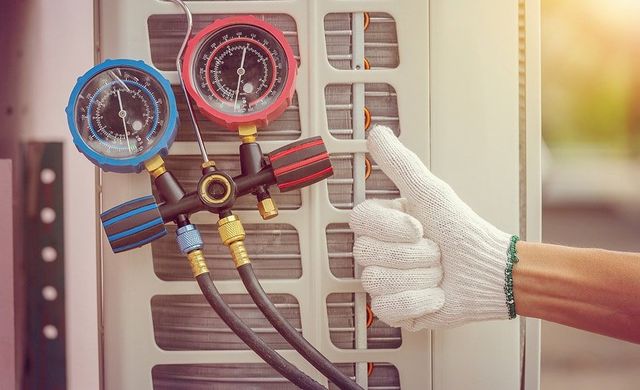
Check the thermostat first. Replace dead batteries and ensure the system is set to "cool" with a temperature lower than the current room reading. If the display is blank or unresponsive, the issue may be electrical rather than mechanical.
Inspect the air filter. A clogged filter restricts airflow, causing the evaporator coil to freeze and the system to shut down. Pull the filter from the return grille; if it looks gray or matted, replace it immediately. This simple step resolves many false alarms.
Verify the circuit breaker. Locate your home’s electrical panel and look for a tripped switch in the "off" or middle position. Flip it firmly to "on." If it trips again immediately, stop and call a pro—this indicates a serious electrical fault.
Clear debris around the outdoor unit. The condenser unit outside needs space to breathe. Remove leaves, grass clippings, and branches from within two feet of the unit. Gently rinse the fins with a garden hose, spraying from the inside out to push debris away.
Do not attempt internal repairs. Refrigerant leaks, compressor failures, and electrical wiring issues require licensed professionals. Tampering with these components can void warranties and pose safety risks. Stick to these external checks to identify obvious issues before hiring a pro.
Work through the steps
Troubleshooting should start with a clear boundary: what is actually broken, and what still works normally. Check the display, power state, and recent updates before assuming the whole system needs a reset. A small connection failure can make the main screen feel unreliable even when the core system is fine.
Work from low-risk checks to deeper resets. Confirm power state first. Then restart the interface, wait for it to reload completely, and test the original symptom. Avoid changing multiple settings at once because that makes it harder to know which step actually fixed the problem.
If the issue affects safety information, repeats after every restart, or appears with warning messages, treat the reset as a temporary diagnostic step rather than the final fix. Document the symptom and move to official support instead of stacking more DIY attempts.
-
Park and note the symptomPut the system in a safe idle state, then write down whether the thermostat is frozen, blank, slow, disconnected, or only failing in one app.
-
Try the normal restart firstUse the standard screen or interface restart before changing settings, deleting profiles, or disconnecting accessories.
-
Retest one feature at a timeCheck touch response, audio, navigation, phone pairing, Wi-Fi, and app access separately so the failing path is clear.
-
Escalate repeated failuresContact official support when the screen stays black, warnings appear, or the same issue returns after a clean restart.
Fix common mistakes
Most homeowners lose money not because parts are expensive, but because they miss simple errors during the hiring process. A small oversight in communication or verification can turn a $200 repair into a $1,000 mistake. Avoid these three frequent pitfalls to ensure your air conditioning repair costs stay reasonable.
Skipping the equipment age check
Technicians often recommend immediate replacement for units older than 10-15 years. While this can be valid, it is also a high-margin upsell. Before approving a full system replacement, ask for a repair estimate first. If the repair cost exceeds 50% of a new unit's price, replacement makes sense. Otherwise, you might be paying for a new system when a capacitor or coil swap would have sufficed.
Ignoring the written estimate
Verbal quotes are not binding. A reputable HVAC repair pro will provide a detailed written estimate that breaks down labor, parts, and trip fees. If a technician refuses to put the price in writing, walk away. This protects you from "surprise" charges added to the final bill for minor complications that were easily foreseeable.
Failing to verify credentials
Not all HVAC repair services are equal. Hiring an unlicensed handyman for complex electrical or refrigerant work is dangerous and often illegal. Always verify that your provider holds current state licensing and carries liability insurance. This step ensures you are not liable for accidents on your property and that the work meets local building codes.
Hvac repair: what to check next
Before hiring a pro, clear up the basics. Here are the most common questions readers ask about air conditioning repair costs and process.
Work through the guide
No comments yet. Be the first to share your thoughts!