

5 HVAC Apprenticeship Programs for 2026
This section evaluates five distinct HVAC apprenticeship programs for 2026, emphasizing the critical differences between union and non-union pathways to help you choose the right career trajectory. Each recommendation focuses on concrete training structures and industry recognition rather than abstract categories.
1. Joint apprenticeship training committees
Union-sponsored committees combine classroom instruction with paid on-the-job training. This model ensures standardized education across regions while guaranteeing competitive wages and benefits. It is the gold standard for long-term career stability and collective bargaining power in the skilled trades sector.
2. State-certified installer programs
These government-regulated programs focus on local code compliance and safety standards. They provide a direct pathway to licensure by emphasizing regional regulations and environmental requirements. Ideal for those seeking immediate local employment without the long-term commitment of union membership.
3. Manufacturer-sponsored technician tracks
Major brands like Carrier or Trane offer specialized training on their proprietary systems. This track provides deep technical expertise in specific equipment lines, making graduates highly valuable to service companies. It often includes certification exams and direct hiring pipelines from the manufacturer.

4. Private trade school partnerships
Private institutions partner with local employers to create customized curricula. These programs blend academic learning with practical internships, often leading to job placements upon graduation. They offer flexibility for non-traditional students and focus on practical skills needed for immediate entry into the workforce.

5. Employer-led in-house training
Large HVAC companies train new hires directly within their operations. This approach provides immediate exposure to real-world jobs and company-specific protocols. It allows apprentices to earn while they learn, often with a clear path to promotion based on performance and skill acquisition.
How to choose an hvac apprenticeship
Choosing the right path for your hvac apprenticeship starts with understanding the two main routes available: union programs and non-union or employer-sponsored training. Each path offers distinct advantages depending on your career goals, financial situation, and preferred work environment.
Union vs. Non-Union Programs
Union apprenticeships, often sponsored by trade organizations like the United Association (UA) or local Joint Apprenticeship and Training Committees (JATCs), provide structured classroom instruction combined with paid on-the-job training. These programs typically last four to five years and include comprehensive training in safety, tools, math, and science. Union programs often have rigorous application processes and may feature waiting lists, as seen with programs like UA Local 440, which accepts applications for specific program years. The benefit is a standardized curriculum and strong job placement networks.
Non-union or employer-sponsored programs, such as Trane’s Commercial HVAC Technician Apprenticeship Program, are tied directly to specific companies. These programs offer hands-on training while you work, often with a more flexible entry process. They may not have the same extensive classroom component as union programs but provide immediate income and direct experience with specific brands and systems. This path is ideal if you prefer learning on the job and want to commit to a particular employer from the start.
Setting Expectations
Regardless of the path you choose, expect a commitment of several years. You’ll balance classroom learning with practical work experience, gradually taking on more complex tasks as you advance. The goal is to become a fully licensed technician capable of installing, maintaining, and repairing heating, ventilation, air conditioning, and refrigeration systems. Consider your long-term goals: do you want the broad network and standardized training of a union, or the specialized, company-specific experience of a non-union program? Your answer will help guide you toward the right hvac apprenticeship program.
Essential tools for new apprentices
Starting an HVAC apprenticeship means showing up with a reliable set of hand tools. Your toolkit is your primary investment, so focus on durable, professional-grade items that will last through years of fieldwork.
The specific requirements often depend on whether you are joining a union or a non-union program. Union apprentices, such as those in the UA Local 440 or JATC programs, typically receive a comprehensive, standardized tool kit as part of their training. Non-union apprentices, particularly those in commercial programs like Trane’s TAP, often need to purchase their own initial gear before starting. Always check your program’s specific handbook or speak with your lead technician to avoid buying duplicates.
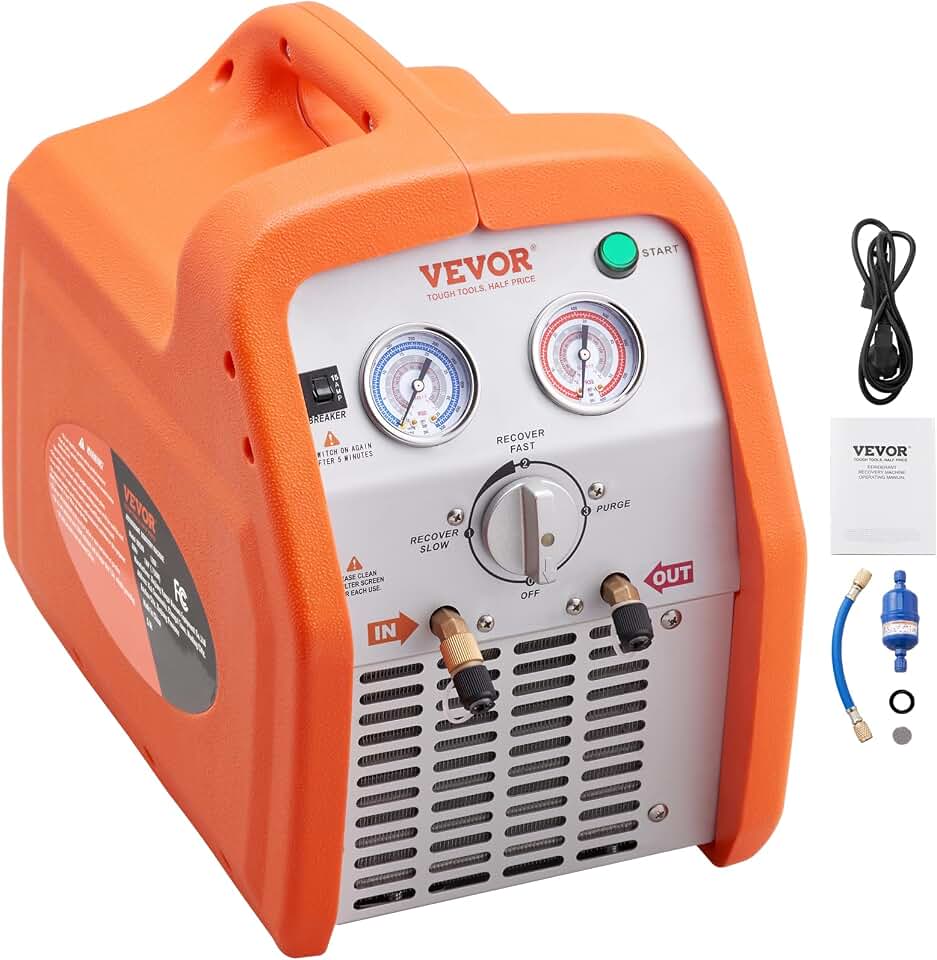
For those who must buy their own, a solid starter kit includes a quality multimeter, refrigerant gauges, tube cutters, and a set of screwdrivers. Below are some of the most recommended starter kits and essential hand tools for new technicians.


As an Amazon Associate, we may earn from qualifying purchases.
HVAC apprenticeship program comparison
Choosing the right path depends on your budget, timeline, and preference for union versus non-union training. The table below breaks down the five primary apprenticeship models available for 2026, highlighting the key differences in cost, duration, and job placement support.
| Program Type | Duration | Est. Cost | Job Placement |
|---|---|---|---|
| Union JATC (e.g., UA Local 440) | 4-5 years | Low (paid training) | High (guaranteed interview) |
| Union JATC (e.g., LA/Orange Counties) | 5 years | Low (paid training) | High (guaranteed interview) |
| Company-Sponsored (e.g., Trane TAP) | 4 years | Free (employer-paid) | High (internal hire) |
| Trade School + Apprenticeship | 3-4 years | High ($10k-$20k tuition) | Moderate (self-directed) |
| Independent Union/Non-Union | 3-5 years | Variable | Low (competitive) |
Union programs like those run by the United Association (UA) typically offer the most structured path. You earn while you learn, with wages increasing as you complete classroom hours. Non-union or independent routes may have lower upfront costs but often require you to secure your own training materials and job placements.
No comments yet. Be the first to share your thoughts!