

Start with verified local networks
Random internet searches often surface unvetted leads, leaving you with technicians who may lack proper licensing or insurance. To find HVAC repair pros who can handle your system before the summer heat arrives, start with directories that enforce professional standards. These networks act as a filter, removing the noise and connecting you directly with established local experts.
Use the Air Conditioning Contractors of America (ACCA) contractor locator to find nationally recognized professionals. This non-profit organization identifies contractors who adhere to specific industry standards, ensuring a baseline of competence. You can also check the Better Business Bureau (BBB) for accredited heating and air conditioning companies in your area, which provides a record of customer complaints and business reliability.
Manufacturer locators are another powerful tool. Many major brands, such as Carrier, maintain lists of authorized dealers who are factory-trained on specific equipment. This specialization can significantly reduce diagnostic time and improve repair accuracy. Using these verified networks ensures your shortlist consists of qualified technicians rather than general handymen.
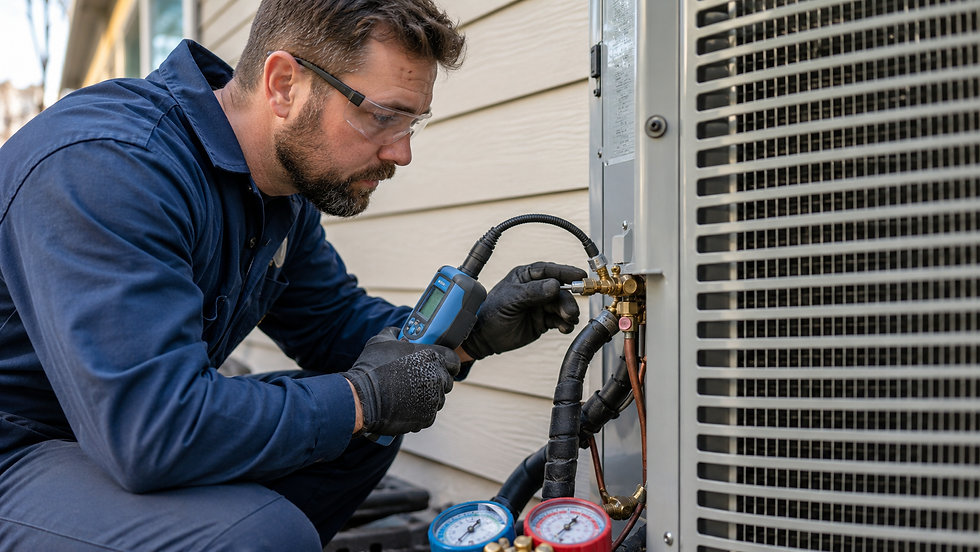
Visit the ACCA and BBB websites to generate a list of accredited local contractors. Filter by your zip code and verify their standing in the community.
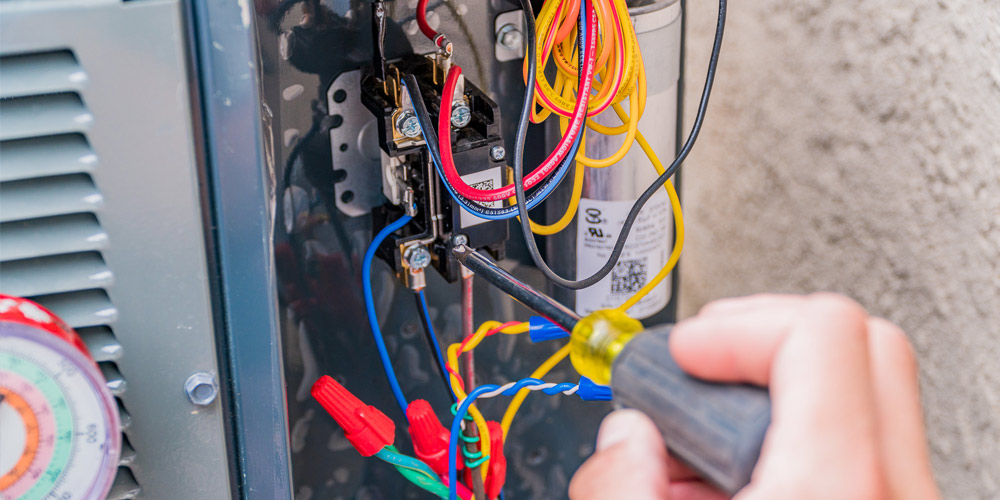
Go to your HVAC brand’s official website and use their dealer locator. Prioritize dealers who are authorized for service and repair on your specific model.
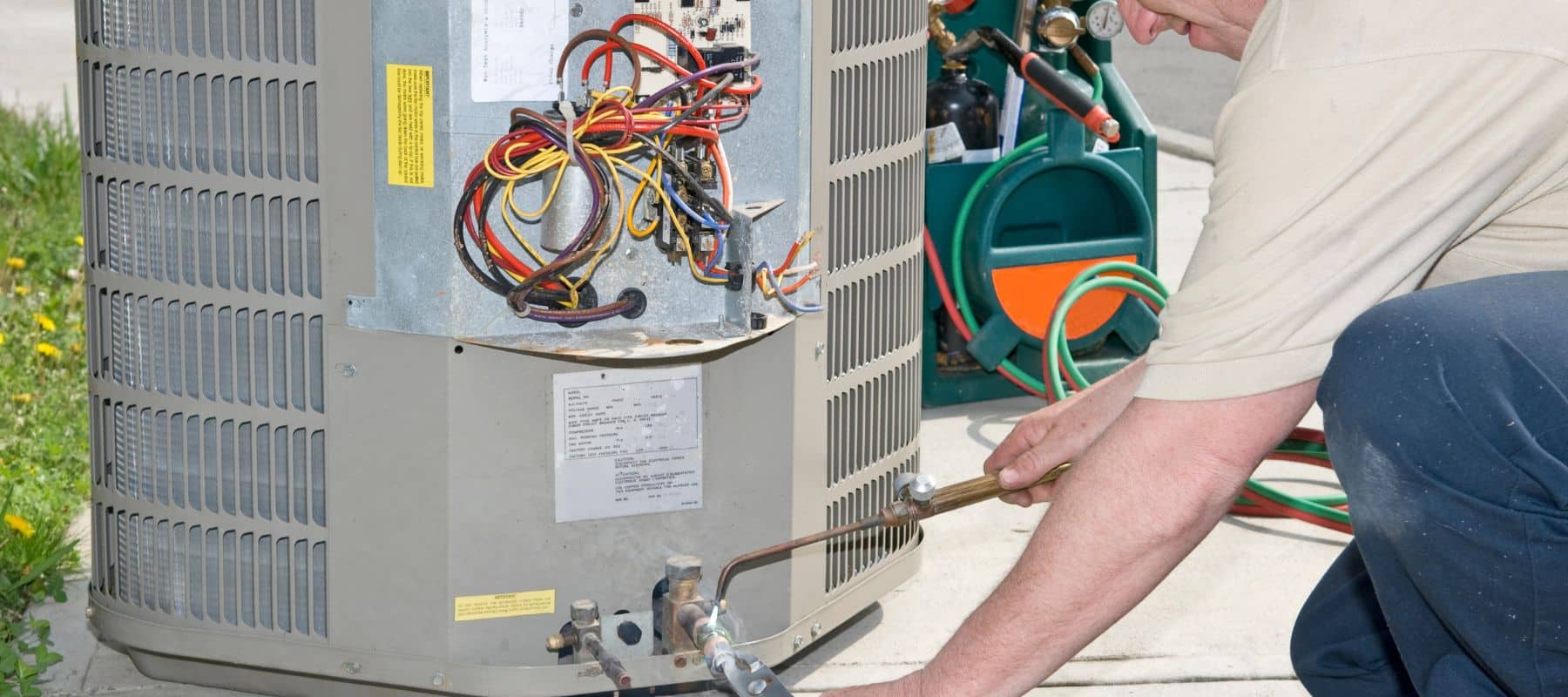
Compile a list of three to five technicians who meet these verification criteria. Contact them early to gauge availability before summer demand peaks.
Check licenses and insurance first
Before scheduling a repair, verify that the HVAC company holds a valid state license and carries liability insurance. This step protects you from personal liability if a technician is injured on your property or accidentally damages your home during the work. Reputable Service Experts and local contractors maintain these credentials to operate legally and safely.
Verify the state license
Ask for the company’s license number and check it against your state’s licensing board database. Most states require HVAC contractors to hold a specific mechanical or specialty license. If the technician cannot provide a number or the online lookup returns no results, do not hire them. A valid license ensures the company meets minimum safety and competency standards.
Confirm liability and workers’ compensation insurance
Request a certificate of insurance (COI) directly from the company’s provider. Ensure the policy is current and covers both general liability (for property damage) and workers’ compensation (for on-the-job injuries). If the company claims to be "self-insured," ask for proof of that coverage. Never rely on verbal assurances; get it in writing before work begins.
Request the contractor’s state license number before they arrive. Write it down and note the issuing state. This number is your primary key for verification.
Visit your state’s official licensing board website. Enter the license number to confirm the status is "active" and that there are no recent disciplinary actions or complaints on file.
Ask the company to email you a Certificate of Insurance (COI). Look for the policy expiration date and the specific coverage types: General Liability and Workers’ Compensation.
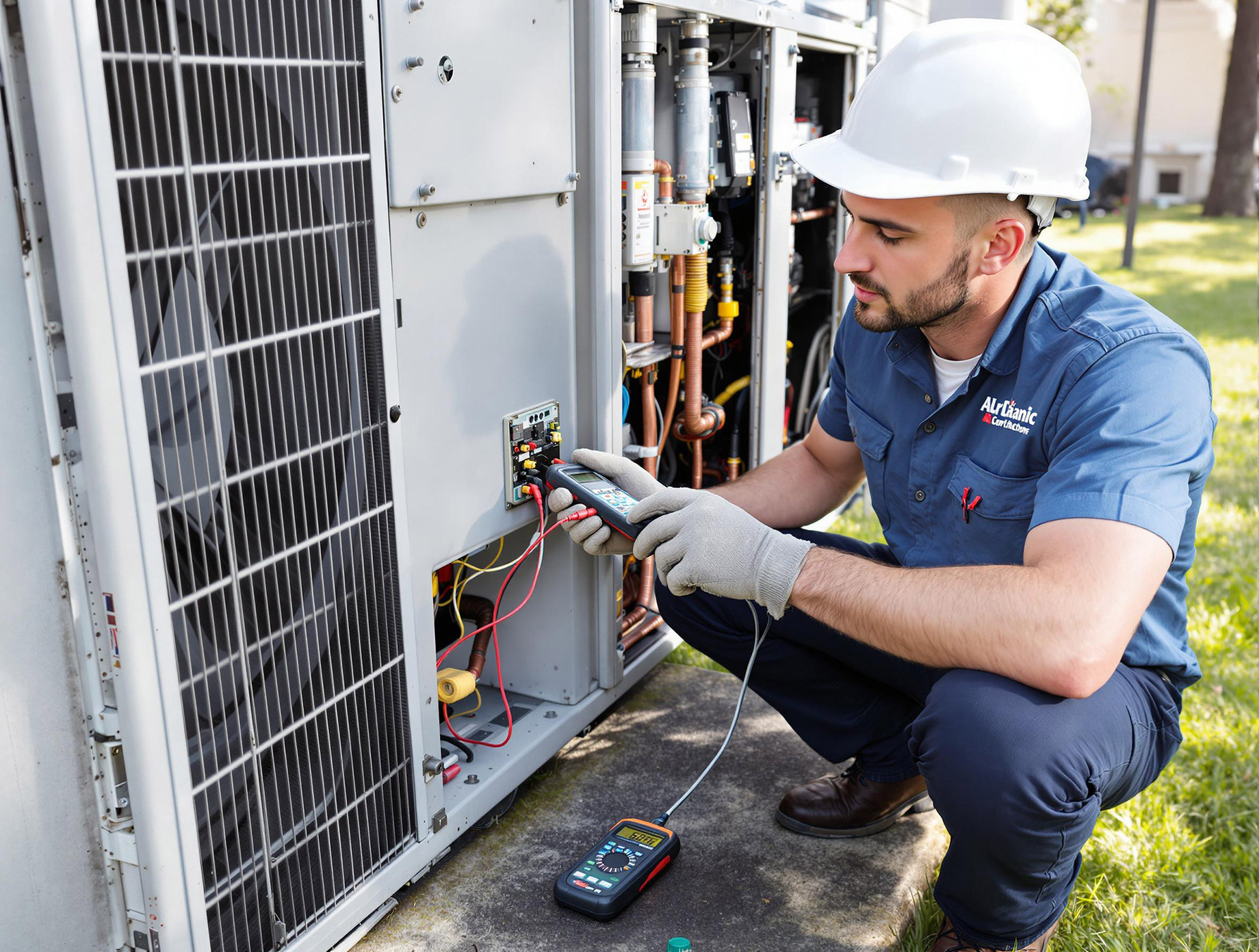
Ensure the liability coverage is at least $1 million per occurrence. This amount is standard for home service professionals and provides adequate protection for your property.
Save copies of the license verification and insurance certificate in a digital folder. Keep these documents alongside your service contract in case of future disputes or claims.
Get three detailed written quotes
Hiring an HVAC repair pro before summer hits requires more than a quick phone estimate. A verbal quote is a snapshot; a detailed written quote is a contract. You need three written estimates to compare apples to apples, ensuring you aren't just picking the lowest number, but the most accurate one.
Vague quotes often hide costs. A proper estimate must break down labor hours, specific part numbers, and warranty terms. Without these details, you risk surprise fees or inferior replacements. Use a comparison table to track these specifics side-by-side.
| Line Item | Quote A | Quote B | Quote C |
|---|---|---|---|
| Diagnostic Fee | $75 (waived if repair) | $100 (non-refundable) | Free |
| Labor Rate | $95/hr | $110/hr | $95/hr |
| Part Warranty | 1 year parts | 2 years parts | 1 year parts |
| Total Estimated Cost | $450-$550 | $480-$600 | $420-$520 |
When reviewing these documents, look for transparency. A reputable technician will list the exact model of the part being replaced. This prevents them from swapping in cheaper, lower-efficiency components later. It also clarifies who pays for the initial trip charge.
Warranty terms are your safety net. Does the warranty cover both parts and labor? If a compressor fails in six months, will the technician return for free? Quotes that offer extended labor warranties often signal higher confidence in their workmanship.
Once you have these three written documents, you can spot red flags. If one quote is significantly lower than the others, ask why. Is it skipping a necessary inspection? Is it using refurbished parts? The goal is value, not just the lowest price tag.
Read recent customer reviews carefully
Star ratings are often inflated by a single happy customer or deflated by one bad experience. To find reliable HVAC repair pros before summer hits, you need to look past the aggregate score and read the recent reviews for specific patterns. Focus on punctuality, cleanliness, and pricing transparency. These three indicators reveal how a company operates when the job is already underway.
Start by filtering reviews to the last six months. HVAC companies can change management or staff quickly, so older reviews may not reflect current service levels. Look for comments about arrival windows. Did the technician arrive within the promised two-hour window, or did they call with a two-hour delay? Consistent complaints about lateness suggest poor dispatching, which often leads to rushed, sloppy work during peak summer heat.
Next, scan for mentions of cleanliness. A professional technician should lay down a drop cloth, wear shoe covers, and clean up after themselves. Reviews that mention "messy" or "left tools everywhere" are red flags. HVAC work involves dust, insulation fibers, and refrigerant lines; a clean job site indicates respect for your home and attention to detail that likely extends to the repair itself.
Finally, watch for pricing transparency. Look for reviews that mention clear quotes before work began. Did the technician explain why a part was needed? Were there surprise fees added to the final bill? Companies that are upfront about costs tend to have better communication throughout the repair process. Avoid reviews that mention "high-pressure sales" or "unexpected charges," as these often signal companies that prioritize upselling over solving your AC problem.
Use this checklist to evaluate each review:
- Punctuality: Did they arrive on time or call ahead?
- Cleanliness: Did they protect and clean your home?
- Transparency: Was the price clear before work started?
If a company has consistent positive feedback on these points, they are likely a solid choice. If reviews are mixed, dig deeper into the negative ones to see if the issues are recurring or isolated incidents.
Ask about emergency response times
When the thermostat reads 90 degrees and the AC stops, standard service windows don’t apply. You need to know if a contractor offers emergency HVAC repair and what that actually means for your timeline. Most companies distinguish between urgent same-day service and true 24/7 emergency dispatch. The difference often comes down to staffing and dispatch protocols.
Ask specifically about their average response time for emergency calls. In many urban areas, this window is typically two to four hours. If a company claims they can be there in 30 minutes, ask how they sustain that speed during peak heat waves. Reliable contractors often have dedicated on-call technicians for emergencies, separate from those handling scheduled maintenance.
Request details on after-hours fees. Emergency service often carries a premium rate, especially for nights and weekends. Knowing these costs upfront prevents surprise charges when the system fails during a heatwave. Also, confirm whether they provide temporary cooling solutions, like portable units, while waiting for permanent repairs.
Write down the specific phone number for emergency dispatch. Many companies have separate lines for after-hours calls to keep main offices uncluttered. Ensure you save this number in your phone now, before you need it. Having the right contact ready can shave critical hours off your repair time when comfort is on the line.
Verify warranty and service guarantees
Before signing the repair order, ask for written details on both parts warranties and labor guarantees. A reputable HVAC technician stands behind their work, but coverage terms vary widely between companies. Without clear documentation, you risk paying twice for the same issue if a component fails shortly after installation.
Parts warranties typically range from one to ten years, depending on the manufacturer. Labor guarantees, which cover the technician’s time and effort, usually last between one and five years. Ensure both are explicitly stated in the contract. If a company hesitates to provide these terms in writing, it is a red flag that should give you pause.
Request a copy of the warranty card or service agreement before work begins. This document should list specific coverage periods, what is excluded, and the process for filing a claim. Keep this paperwork in a safe place alongside your HVAC maintenance records. Having these guarantees in hand protects your investment and ensures you get the support you paid for.
Common mistakes when hiring HVAC pros
Finding HVAC repair pros before summer hits requires more than just picking the first name that appears in a search. The most expensive mistake isn’t paying for the repair; it’s paying for the wrong repair or hiring someone who isn’t qualified to touch your system. Many homeowners rush the process, leading to inflated bills or safety hazards.
Ignoring credentials and licensing
The cheapest bid is often the most costly in the long run. Technicians who quote significantly lower than competitors may be skipping necessary steps, using inferior parts, or, worse, operating without proper insurance. Always verify that your technician holds a valid state license and carries both liability and workers’ compensation insurance. You can check national standards through the Air Conditioning Contractors of America ACCA to find nationally recognized contractors who meet rigorous industry benchmarks.
Skipping the written contract
Verbal agreements are the primary source of billing disputes. Never start work without a detailed, written contract that specifies the scope of work, the total price, and the timeline for completion. A clear contract protects you from "scope creep," where a technician claims additional fees for tasks they should have included in the initial quote. Ensure the document also outlines the warranty on both parts and labor.
Failing to check recent reviews
A high overall rating can mask recent declines in service quality. Look for reviews from the last six months specifically. Pay attention to comments about punctuality, cleanliness, and how the technician handled unexpected issues. Platforms like Thumbtack allow you to compare services and read verified customer experiences, helping you filter out providers with consistent complaints about hidden fees or poor communication.
Not asking about warranties
Reputable HVAC pros stand behind their work. If a technician hesitates to provide a written warranty, it’s a red flag. A solid warranty covers both the parts they install and the labor they perform. Standard warranties typically range from one to five years for labor, with longer coverage available for specific components. Always get the warranty terms in writing before signing the contract.
- Verify state licensing and insurance certificates before work begins.
- Get at least three detailed written quotes to compare pricing and scope.
- Read recent customer reviews to gauge reliability and communication.
- Ensure the contract includes a clear, written warranty for parts and labor.
- Avoid verbal agreements; insist on detailed documentation for all work.
Frequently asked questions about finding HVAC repair
How much does HVAC repair cost? Prices vary by issue and region. Minor fixes like capacitor replacements often run $150–$300, while major compressor repairs can exceed $1,000. Use platforms like Thumbtack to get local estimates before booking. Always ask for a flat-rate quote to avoid hourly billing surprises.
Should I hire a general handyman or a licensed HVAC specialist? Hire a licensed HVAC specialist for anything involving refrigerant, electrical components, or gas lines. General handymen can handle basic tasks like filter changes or thermostat wiring, but they cannot legally or safely service sealed refrigerant systems. Licensing ensures compliance with local codes and safety standards.
What if my AC breaks down on a weekend? Many HVAC companies offer 24/7 emergency services, but these typically come with a premium rate. Call ahead to confirm availability and ask if there is a separate trip charge for after-hours calls. For non-life-threatening issues, waiting until business hours can save you significant money.
How do I verify an HVAC contractor’s credentials? Check for state licensing, liability insurance, and workers’ compensation coverage. You can also look for NATE certification or ACCA membership, which indicates adherence to industry standards. Never hire a technician who refuses to provide proof of insurance.
Is a maintenance contract worth it? Annual maintenance plans often cover tune-ups and priority service, which can extend equipment life and prevent costly breakdowns. However, read the fine print to ensure the contract covers the specific parts most prone to failure in your climate. Compare the annual cost against potential emergency repair savings.
No comments yet. Be the first to share your thoughts!