
Is an HVAC apprenticeship worth the effort
The job market for heating, air conditioning, and refrigeration mechanics is expanding rapidly. The U.S. Bureau of Labor Statistics projects strong growth for this field, driven by the need for system maintenance and new construction. Unlike traditional college paths that often leave graduates with significant debt and no work experience, an apprenticeship offers a direct route into the trades with immediate income.
The primary advantage is the "earn while you learn" model. You are paid for the hours you work while simultaneously receiving classroom instruction. This structure allows you to become debt-free as you gain the technical skills required to become a journeyman. According to the United Association, this approach allows workers to top out their debt while building a career in the pipe and HVAC trades.
Job security in this sector is high because HVAC systems are essential infrastructure for both residential and commercial buildings. As these systems age or require upgrades, skilled technicians are needed to install and repair them. The Bureau of Labor Statistics lists "Heating, Air Conditioning, and Refrigeration Mechanics and Installers" as a key occupation with consistent demand.
The path is rigorous but straightforward. You commit to a multi-year program that combines on-the-job training with technical education. By the end of the apprenticeship, you hold a recognized credential that validates your skills to employers. This contrasts sharply with the uncertain job market faced by many four-year graduates, where entry-level positions are competitive and often underpaid.
How to find a registered apprenticeship program
Finding a registered apprenticeship requires a structured approach to ensure you select a program that aligns with your career goals and local market needs. The process involves identifying eligible sponsors, understanding the specific training requirements, and evaluating the financial support offered.

What you will learn in the first year
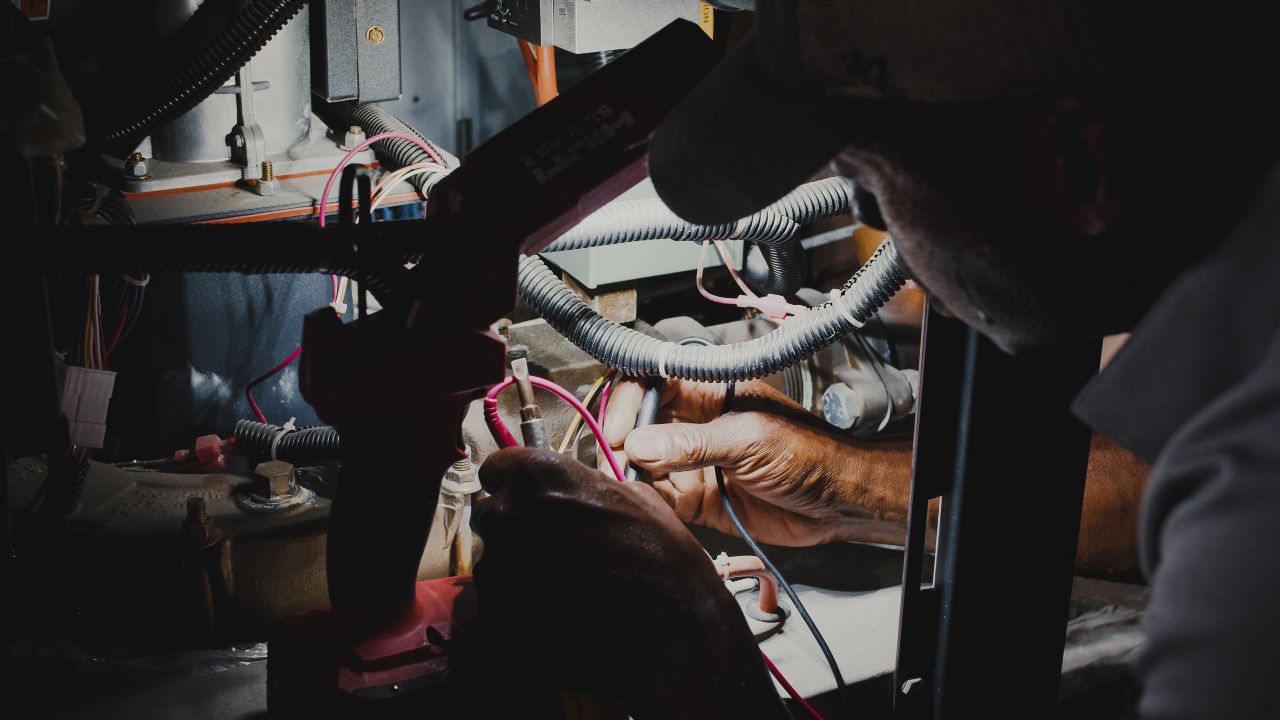
The first year of an HVAC apprenticeship focuses on foundational safety, basic tool usage, and introductory system concepts. You will spend significant time in the classroom learning codes and regulations, followed by supervised field work.
Key learning areas include:
- Safety Protocols: Understanding OSHA standards, electrical safety, and proper handling of refrigerants.
- Basic Tools: Mastering the use of multimeters, gauges, pipe cutters, and hand tools.
- System Components: Identifying compressors, condensers, evaporators, and thermostats.
- Installation Basics: Assisting in the installation of residential split systems and ductwork.
This foundational year is critical for building the muscle memory and technical vocabulary needed for advanced troubleshooting in subsequent years.
Common mistakes new apprentices make
New apprentices often stumble by underestimating the physical demands or overestimating their theoretical knowledge. Avoid these common pitfalls to ensure a smooth start to your career.
- Neglecting Safety: Assuming that because you are supervised, you can skip safety protocols. Always wear appropriate PPE and follow lockout/tagout procedures.
- Poor Communication: Failing to ask questions when unsure. It is better to ask and look inexperienced than to make a costly or dangerous error.
- Ignoring Documentation: Not keeping a log of your training hours and skills. This documentation is essential for progressing through the apprenticeship levels.
- Focusing Only on Comfort: HVAC work is physically demanding. Neglecting your physical health and ergonomics can lead to early burnout or injury.
Certification and career progression paths
Career progression in HVAC is typically structured around the completion of apprenticeship years and the acquisition of specific certifications. Most apprenticeships last four years, after which you become a journeyman.
Typical Progression:
- Apprentice (Years 1-4): Paid training with increasing wages as you complete milestones.
- Journeyman: Fully qualified technician who can work independently. Requires passing state or local licensing exams.
- Master Technician: Often requires additional years of experience and advanced licensing. Can pull permits and supervise others.
- Specialization: Many technicians specialize in commercial refrigeration, medical gas systems, or building automation.
Key Certifications:
- EPA Section 608 Certification: Mandatory for handling refrigerants. Available in Type I, II, III, and Universal categories.
- NATE Certification: Nationally recognized credential that validates technical proficiency in specific HVAC areas.
- State Licensing: Requirements vary by state. Some states require a journeyman license, while others require a master contractor license for independent work.
Frequently asked questions about HVAC apprenticeships
Before committing to the trade, it helps to clarify the basic logistics. An HVAC apprenticeship is a paid, on-the-job training program that combines classroom instruction with hands-on experience. Here are the most common questions about pay, time, and requirements.
Quick checklist
-
Verify program registrationEnsure the apprenticeship is registered with the Department of Labor or a recognized state agency.
-
Review wage progressionConfirm that pay increases are tied to completed training milestones and classroom hours.
-
Check tuition coverageVerify if related technical instruction costs are covered by the sponsor or employer.
-
Confirm safety standardsEnsure the program emphasizes OSHA compliance and proper PPE usage from day one.
No comments yet. Be the first to share your thoughts!