

Get hvac maintenance right
Proper HVAC maintenance isn't just about swapping parts; it's about having the correct tools and safety gear to handle electrical components and refrigerant lines safely. Skipping this step can lead to damage or injury.
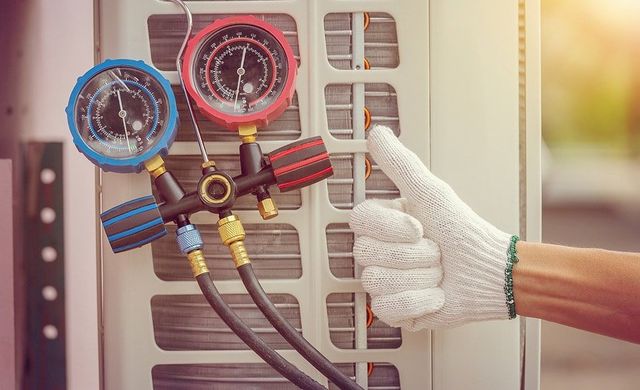
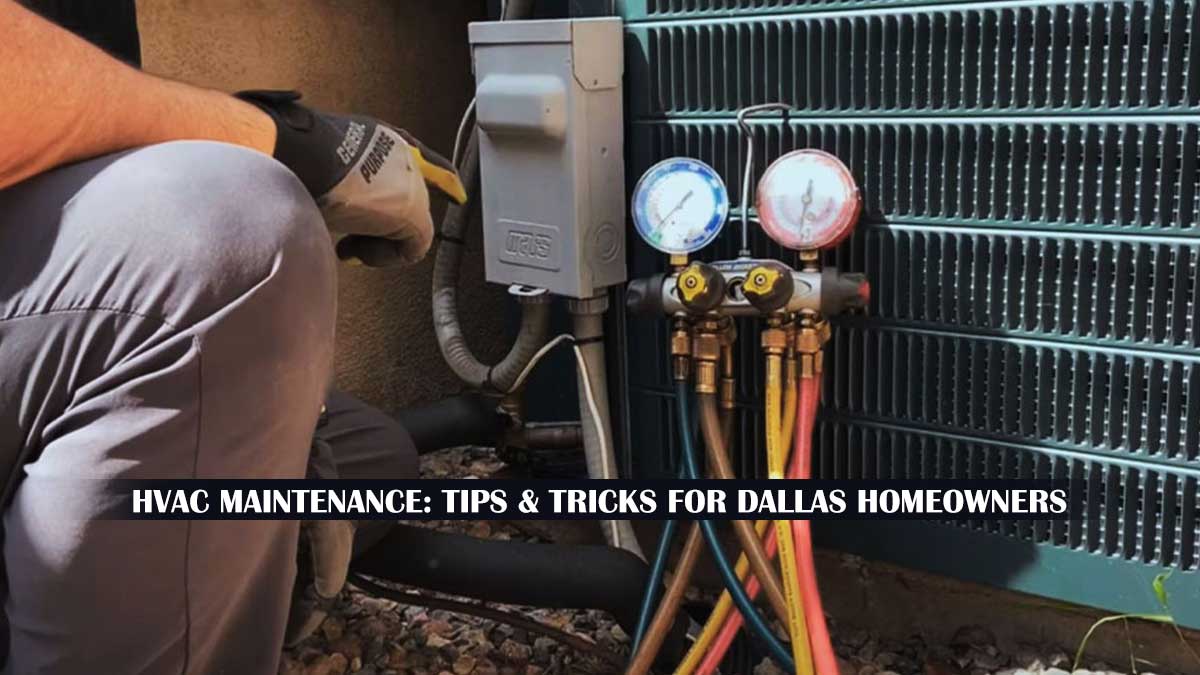
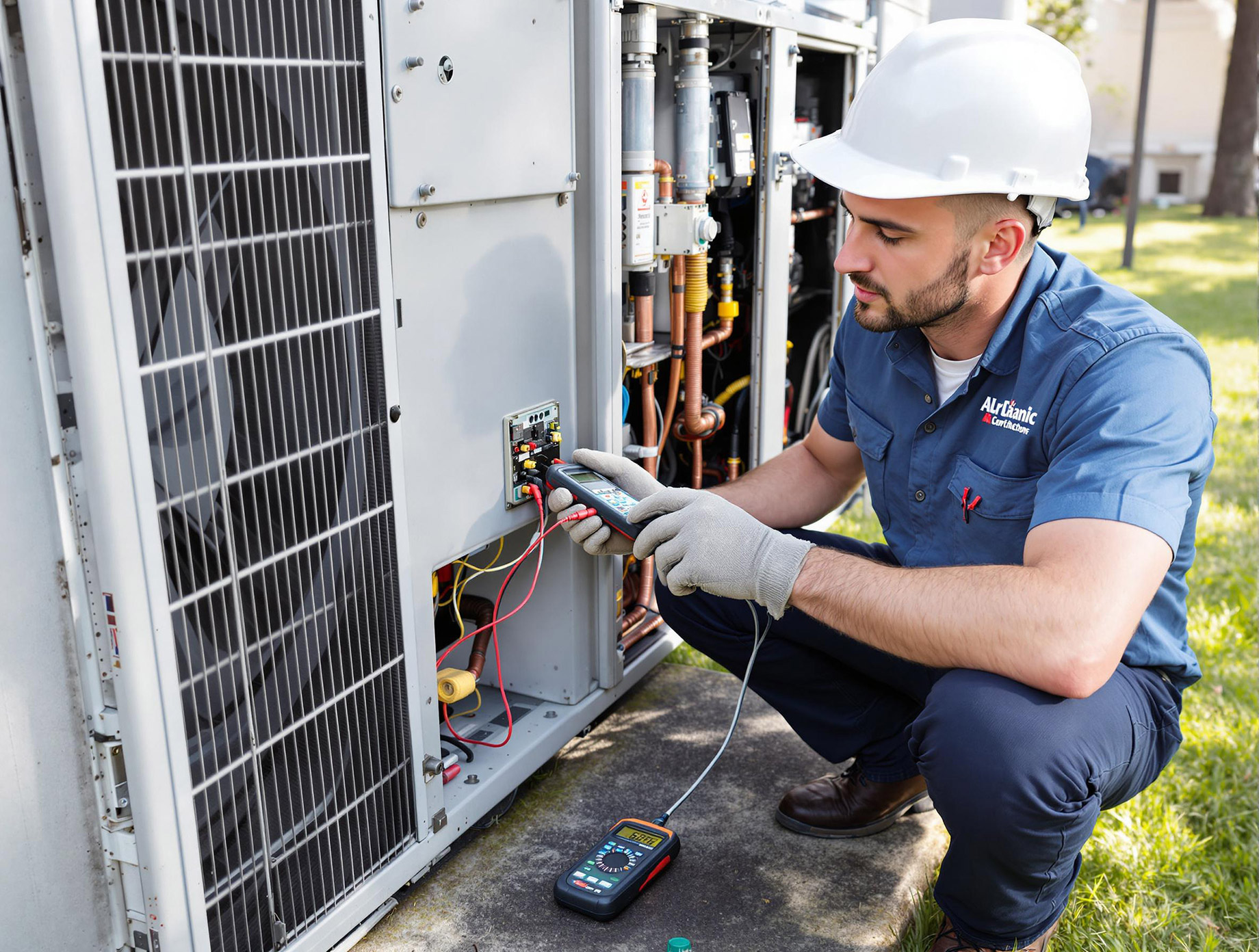
You will need a few basic items. A sturdy ladder is essential for reaching rooftop condensers or attic units. A multimeter helps verify power is off before you begin working on electrical connections. A coil cleaner, fin comb, and a garden hose with a spray nozzle are standard for cleaning the outdoor unit. Finally, a vacuum with a brush attachment clears debris from the indoor return vents.
Safety is your first priority. Always turn off the power at the disconnect box and the breaker panel before opening any panels. If you are unsure about handling refrigerant or complex electrical wiring, hire a professional. DIY maintenance covers cleaning, filter changes, and visual inspections, but major repairs require licensed expertise. This approach keeps your system running efficiently while protecting your home and your wallet.
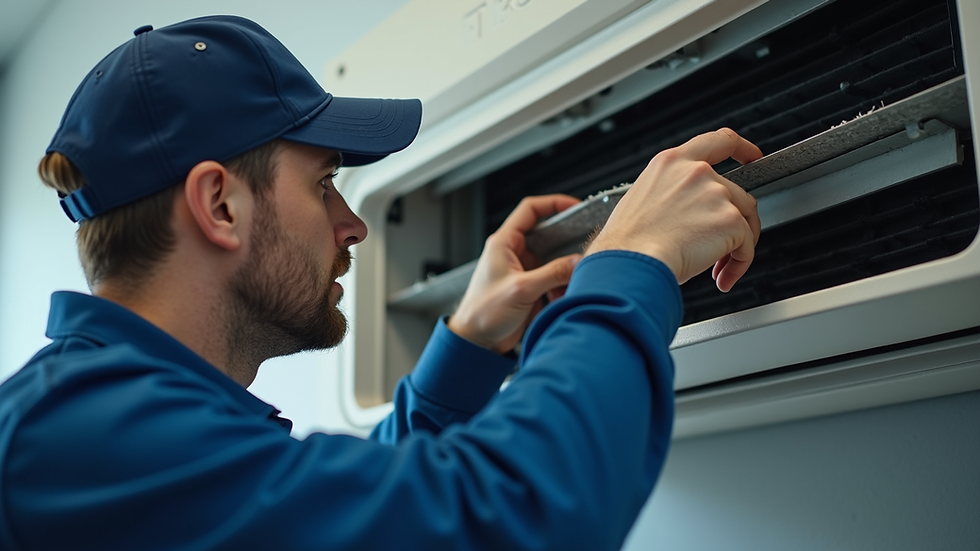
Work through the steps
HVAC maintenance is the difference between a system that fights you all summer and one that quietly keeps your home cool. Skipping these checks invites higher bills and unexpected breakdowns when the heat hits hardest. Follow this sequence to cover the essentials: cleaning, inspecting, and verifying.
A clogged filter is the most common cause of reduced airflow. It forces the blower to work harder, raising energy use and straining the compressor. Check your filter monthly during peak season. If it looks gray or dusty, replace it immediately. Use a MERV 8-11 filter for standard residential systems; higher ratings can restrict airflow if your unit isn't designed for them.
The outdoor unit needs to breathe. Leaves, grass clippings, and weeds can block the fins, trapping heat and reducing efficiency. Turn off power at the disconnect box, then gently hose off the fins from the inside out. Trim back any shrubs to maintain at least two feet of clearance around the unit. This simple step can restore lost cooling capacity.

A clogged drain line can cause water damage and shut down your system. Locate the PVC pipe near the indoor air handler. Pour a cup of distilled vinegar through the access tee to kill algae and mold buildup. If water backs up, use a wet/dry vacuum to clear the blockage from the outlet end. A clear drain line protects your home from leaks and keeps the system running efficiently.
An inaccurate thermostat makes your system run longer than necessary. Test it by comparing the display reading to a separate thermometer in the same room. If there's a discrepancy, recalibrate or replace the unit. Ensure it's set to "Auto" fan mode rather than "On" to avoid running the blower constantly, which wastes energy. Smart thermostats can learn your schedule and adjust automatically, saving up to 10% on cooling costs.
Closed or blocked vents create pressure imbalances that strain the system. Make sure all supply and return registers are open and unobstructed by furniture or rugs. Vacuum the grill covers to prevent dust from entering the ductwork. If certain rooms feel noticeably warmer, you may have a zoning issue that requires professional balancing. Proper airflow ensures even cooling and reduces wear on the compressor.
-
Replace air filter if dirty
-
Clear debris from condenser unit
-
Flush condensate drain line
-
Test thermostat accuracy
-
Ensure all vents are open
Fix common HVAC maintenance mistakes
Skipping maintenance is like ignoring a check-engine light. You might still drive, but the engine wears down faster and breaks down when you need it most. These errors cost more in repairs than the service fee ever would.
Ignoring the air filter
A clogged filter is the most common reason systems fail. It restricts airflow, forcing the compressor to work harder. This spikes your energy bills and can freeze the evaporator coils. Check your filter monthly. Replace it immediately if you can’t see light through it. Use the exact MERV rating recommended by your manufacturer; going too high restricts airflow just as much as a dirty filter.
Letting the outdoor unit get buried
The condenser unit outside needs to breathe. Leaves, grass clippings, and weeds trap heat and debris against the coils. This forces the system to run longer cycles to reach your set temperature. Keep a two-foot clearance zone around the unit. Trim back shrubs and rake away debris regularly. Never cover the unit with a tarp; it traps moisture and invites rodents.
Skipping the condensate drain check
Air conditioners produce water. If the drain line clogs with algae or sludge, water backs up into your home. This causes ceiling damage and triggers safety switches that shut your system down. Pour a cup of distilled vinegar down the drain access tube every few months. This prevents buildup before it becomes a leak.
Leaving the thermostat in "Auto" fan mode
Many homeowners leave their fans on "Auto." This means air sits stagnant in the ducts when the AC cycles off. In humid climates, this moisture settles back into your home. Switch the fan to "On" during summer months. This circulates air through the filter, removing humidity and keeping temperatures even throughout the house.
Waiting for breakdowns
HVAC systems are designed to last 15-20 years. But without annual professional inspections, that lifespan drops significantly. A technician checks refrigerant levels, electrical connections, and motor wear. Catching a loose wire or low refrigerant now saves thousands in a total compressor failure later.
Locate the return air grille or the filter slot near the furnace. Slide out the old filter. Note the arrow on the frame pointing toward the blower motor. Insert the new filter with the arrow facing the same direction. Ensure it fits snugly with no gaps.
Turn off power to the outdoor unit at the disconnect box. Remove large debris by hand. Use a garden hose to spray the coils from the inside out, pushing dirt away from the fins. Bend any bent fins back with a fin comb. Ensure the two-foot clearance zone is clear.
Find the PVC drain line exiting your indoor air handler. Locate the T-shaped access port. Pour one cup of distilled white vinegar into the port. Let it sit for 30 minutes to kill algae. Flush with water to ensure clear drainage into the outside drain.
Hvac maintenance: what to check next
Before you schedule a service call or grab your tools, clear up the common uncertainties around HVAC upkeep. These answers address the practical checks, costs, and timing that matter most for keeping your system efficient during the summer heat.
No comments yet. Be the first to share your thoughts!