


Hvac apprenticeship budget
Think of an HVAC apprenticeship like buying a used truck. You can find a beat-up model for cheap, but it might break down before you pay off the loan. Or you can lease a newer one with low monthly payments but higher long-term costs. The goal is finding the sweet spot where the upfront cost doesn’t crush your wallet, but the training is good enough to get you hired.
Tuition and Certification Costs
Most union-affiliated programs, like the Trane Commercial HVAC Technician Apprenticeship Program (TAP), offer paid training where you earn while you learn. However, you still need to budget for textbooks, safety gear, and state licensing exams. Non-union community college programs often charge per credit hour, which can add up quickly if you take longer to finish.
Concrete Budget Checklist:
- Safety Gear: Steel-toed boots, gloves, and eye protection ($150–$300).
- Licensing Exams: State-specific trade exams ($50–$200 each).
- Transportation: Gas or public transit to job sites and classrooms.
Age and experience choices that change the plan
Your age affects which programs you qualify for. Many apprenticeships target recent high school graduates or career changers under 30. If you’re older, look for programs that value prior construction or mechanical experience. Some employers offer tuition reimbursement if you already have relevant skills, reducing your out-of-pocket expense.
Hidden Costs to Watch
Don’t forget the opportunity cost. Even in paid apprenticeships, starting wages are lower than journeyman rates. Budget for 1–2 years of reduced income while you train. Also, check if your program requires you to buy your own tools or if they provide a starter kit. Some programs include tool allowances, while others expect you to invest $500+ in a basic toolset immediately.


As an Amazon Associate, we may earn from qualifying purchases.
Shortlist real options
Use this section to make the Breaking Into the Trade decision easier to compare in real life, not just on paper. Start with the reader's actual constraint, then separate must-have requirements from details that are merely nice to have. A practical choice should survive normal use, maintenance, timing, and budget. If a recommendation only works in an ideal situation, call that out plainly and give the reader a fallback path.
| Factor | What to check | Why it matters |
|---|---|---|
| Fit | Match the option to the primary use case. | A good deal still fails if it does not fit the job. |
| Condition | Verify age, wear, and service history. | Hidden condition issues erase upfront savings. |
| Cost | Compare purchase price with likely upkeep. | The cheapest option is not always the lowest-cost option. |
Inspect the expensive parts
HVAC systems are complex machines where a single failed component can cost thousands to replace. For apprentices, learning to identify high-risk parts early saves money and builds trust with homeowners. This section focuses on the expensive failure points that require careful inspection.
The compressor is the heart of the system and often the most expensive part to replace. Listen for unusual humming or clicking sounds, which may indicate internal failure. Check for excessive heat on the compressor housing and verify that the start/run capacitors are functioning correctly.
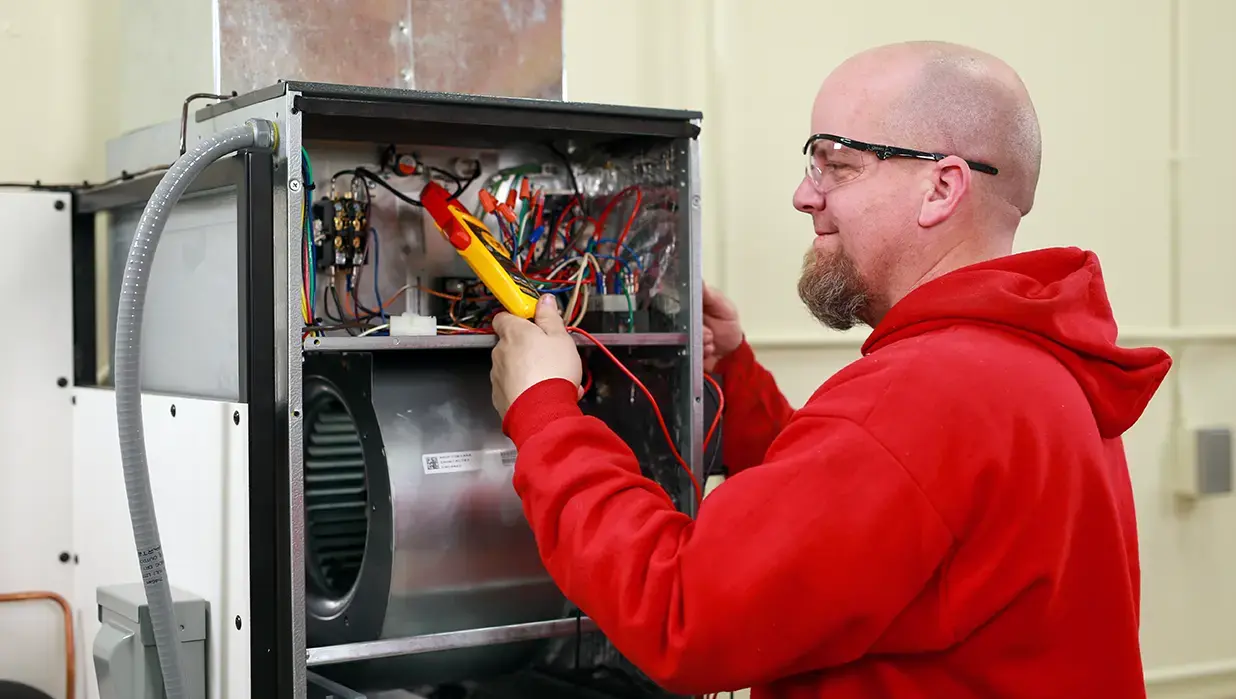
Cracks in the heat exchanger can lead to dangerous carbon monoxide leaks. Use a borescope or visual inspection to check for rust, corrosion, or visible cracks. Look for signs of soot or discoloration around the burner area, which may indicate incomplete combustion.
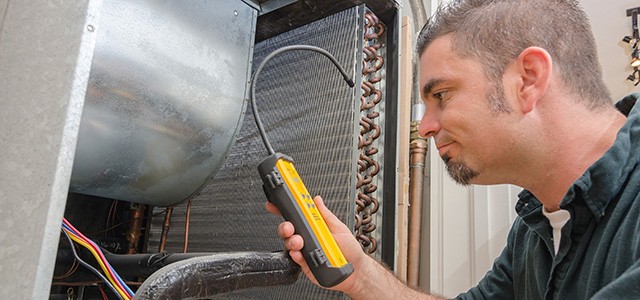
Blower motors wear out over time due to friction and dust buildup. Check for unusual noises like grinding or squealing, which may indicate bearing failure. Ensure the motor belt is properly tensioned and free of cracks. Verify that the motor spins freely by hand when power is disconnected.
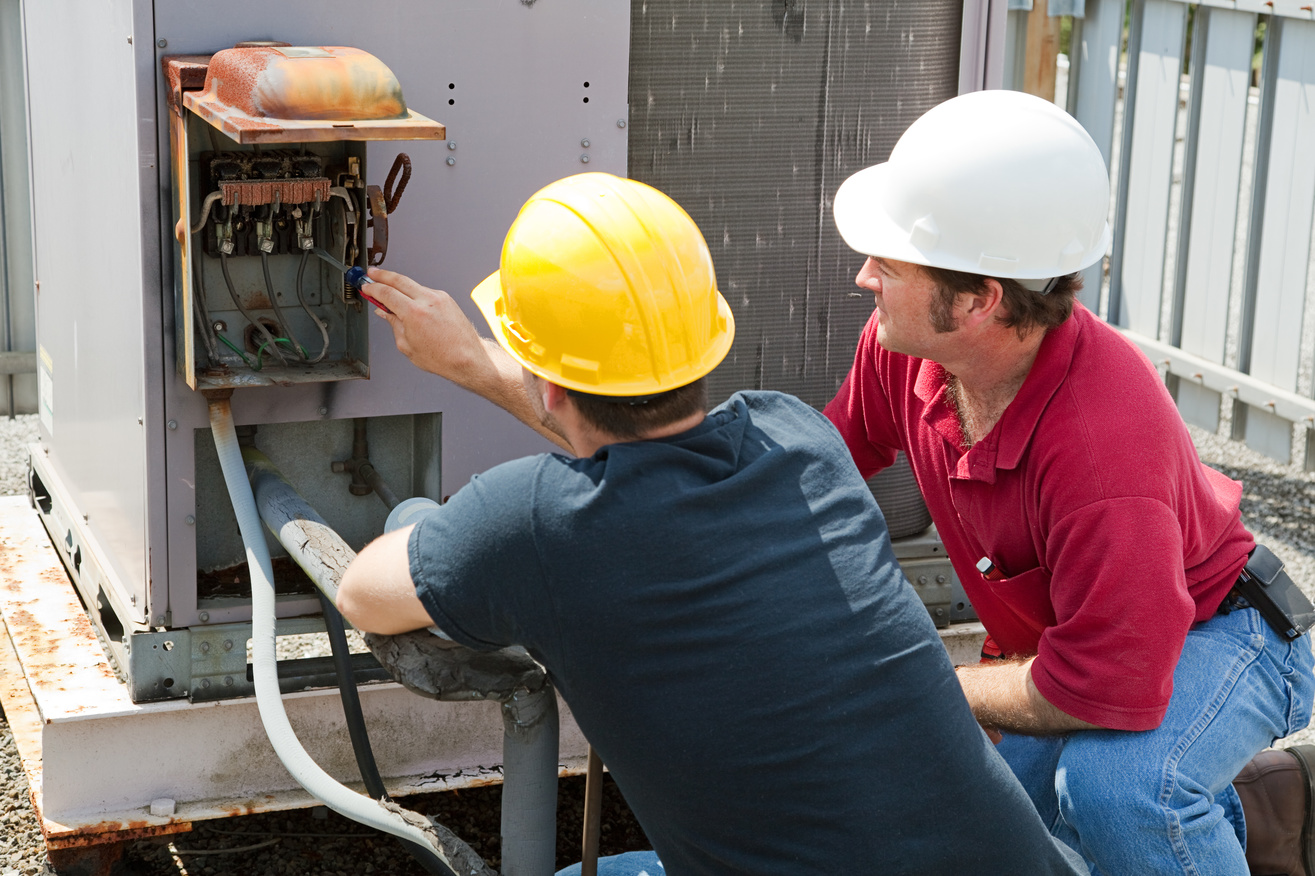
Refrigerant leaks are common and can damage the compressor if left unchecked. Use an electronic leak detector or soap solution to find leaks at fittings and coils. Check for oil stains on the lines, which may indicate a slow leak. Ensure the insulation on the suction line is intact to prevent condensation.
Plan for ownership costs
An apprenticeship is rarely just about tuition. Most programs are paid, but the upfront costs of entering the trade can add up quickly before your first paycheck clears. You should budget for licensing exams, toolkits, and transportation long before the salary stabilizes.
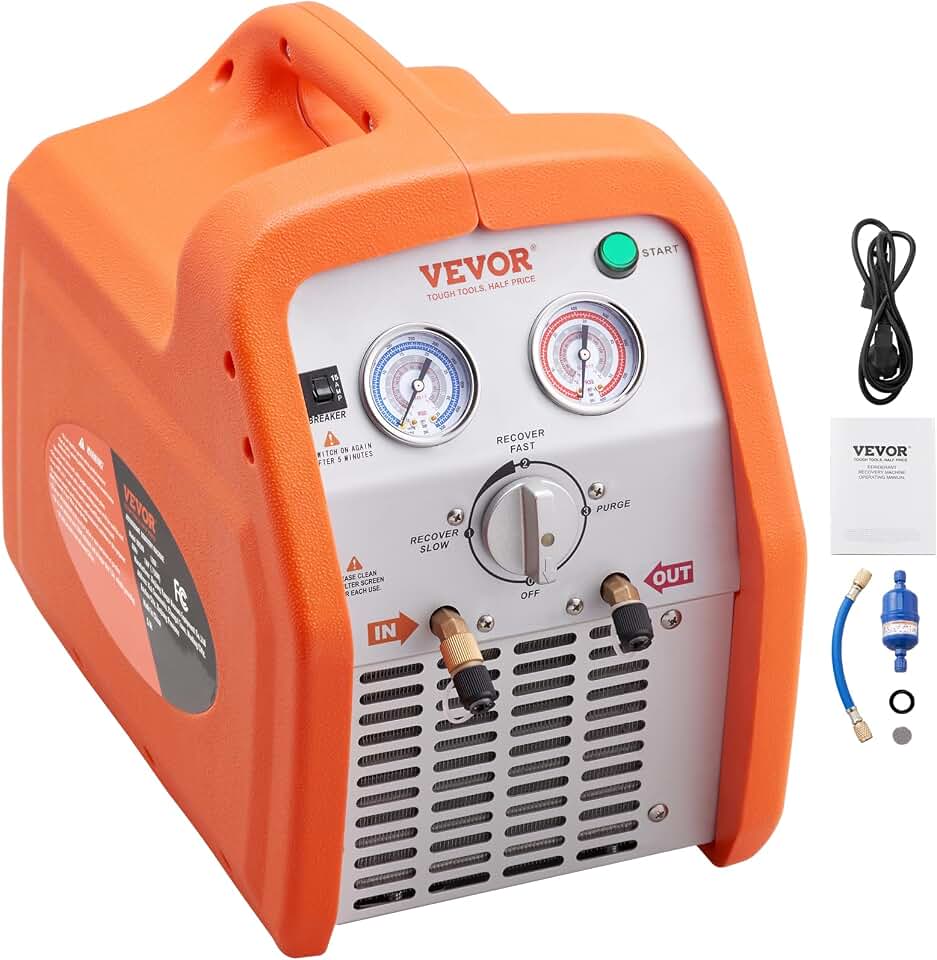
The biggest surprise for new technicians is the cost of tools. A basic starter kit—feet of tubing, vacuum pumps, gauges, and safety gear—often runs several hundred dollars. While some employers provide vehicles and major equipment, you are usually expected to carry your hand tools. Buying quality tools early prevents the "cheap buy" trap; cheap tools break on the first job, costing more in replacements and lost time.
Transportation and certifications are other hidden expenses. Many apprentices need reliable vehicles to reach job sites, and fuel costs are rarely reimbursed unless you are in a company fleet. Additionally, while the apprenticeship covers technical training, you may need to pay out-of-pocket for EPA 608 certification exams or background checks required by certain contractors.
When a cheap buy stops being cheap, it is usually because the initial savings erode through frequent repairs or inefficiency. In HVAC, reliability matters. Investing in durable tools and proper safety gear protects your income and your health. Treat your startup costs as an investment in your career longevity, not just an expense.


As an Amazon Associate, we may earn from qualifying purchases.
Hvac apprenticeship: what to check next
Do HVAC apprenticeships pay? Yes. Most programs are paid apprenticeships. You earn a wage while you learn. Pay usually starts modest and increases as you complete training milestones. The goal is to leave the program with no student debt and a recognized credential.
How long does it take to finish? A standard program takes three to four years. You will need roughly 2,000 hours of on-the-job training and about 144-200 hours of classroom instruction each year. Completion means you are a journeyman technician ready to work independently.
What do I need to apply? You generally need a high school diploma or GED. Basic algebra and physics skills help with the math and thermodynamics involved. Many programs require a drug test and a valid driver’s license because you will likely drive a company vehicle to job sites.
Are these programs union or non-union? Both exist. Union programs often go through the UA Local 150 or similar unions. Non-union options are available through independent contractors or large firms like Trane. Union programs typically offer stronger benefits packages, while non-union paths might offer faster entry in some markets.
No comments yet. Be the first to share your thoughts!