

Why HVAC Maintenance Matters
Skipping regular upkeep is like ignoring a check engine light. You might keep driving for a while, but the cost of repair eventually skyrockets. The Department of Energy notes that maintaining filters, coils, and refrigerant lines is essential for efficient performance. When these components degrade, your system works harder to cool your home, driving up energy bills and accelerating wear on critical parts.
Regular HVAC maintenance extends the lifespan of your unit by 5 to 10 years. This isn't just about avoiding a sudden breakdown in July; it's about protecting your investment. A well-maintained system runs smoother, uses less electricity, and requires fewer emergency service calls. By handling simple tasks yourself, you prevent minor issues from becoming expensive, complex repairs that only professionals can fix.
Prep Your Tools and Safety Gear
Before you touch your air conditioner, gather the right tools and protect yourself. HVAC maintenance involves electrical components and sharp metal fins, so proper preparation prevents injury and damage. You don't need a professional toolkit, but you do need specific items to handle the job safely and effectively.
Essential Safety Gear
Always start by turning off the power to your AC unit at the circuit breaker. This is non-negotiable for safety. Wear heavy-duty work gloves to protect your hands from sharp sheet metal edges and debris. Safety glasses are also recommended to keep dust and loose particles out of your eyes while cleaning the outdoor condenser coil.
Tools You'll Need
Keep these items within reach before you begin:
- Screwdrivers: A flathead and a Phillips head are essential for removing access panels.
- Vacuum Cleaner: Use a brush attachment to remove loose dirt and leaves from the outdoor unit.
- Garden Hose: For rinsing the condenser coil after vacuuming. Never use a pressure washer, as the high pressure can bend the delicate fins.
- Fin Comb: If you notice bent fins on the condenser coil, a fin comb can gently straighten them to restore airflow.
- Filter Wrench or Knife: Some filters are tight; a small knife or dedicated wrench helps remove them without bending the frame.
Having everything laid out before you start keeps the process smooth and focused on the task at hand.
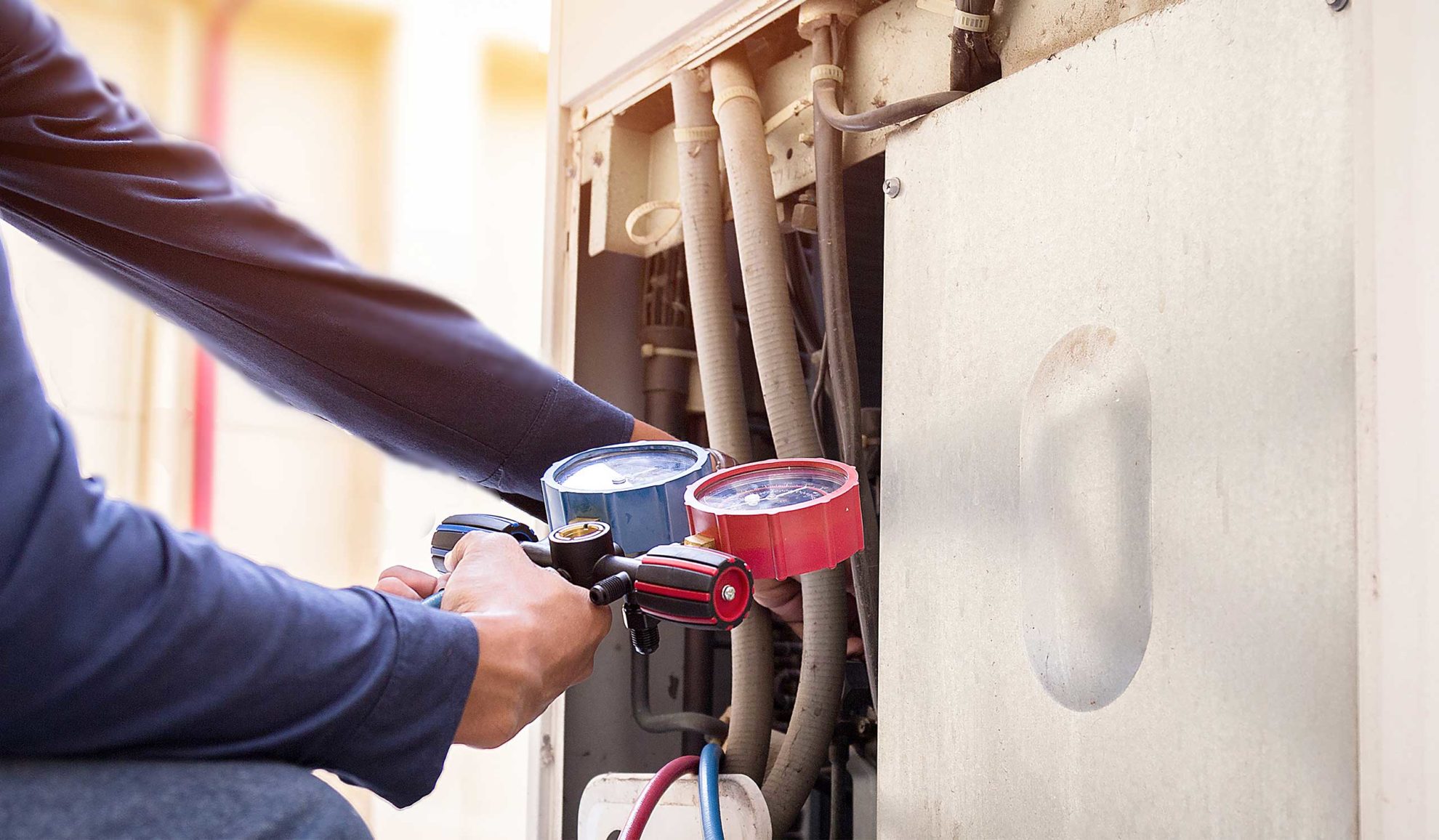
Locate your home's circuit breaker panel and switch off the breaker labeled for your air conditioner. Double-check that the outdoor unit has stopped running before proceeding. This step eliminates the risk of electrical shock while you work on the unit.
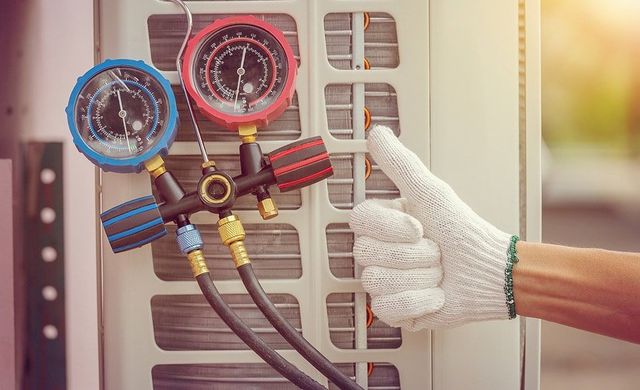
Lay out your screwdrivers, vacuum, hose, and gloves on a clean surface. If you have a fin comb, check it for damage. Organizing your tools now prevents you from having to leave the work area mid-task, which keeps the workflow efficient and safe.
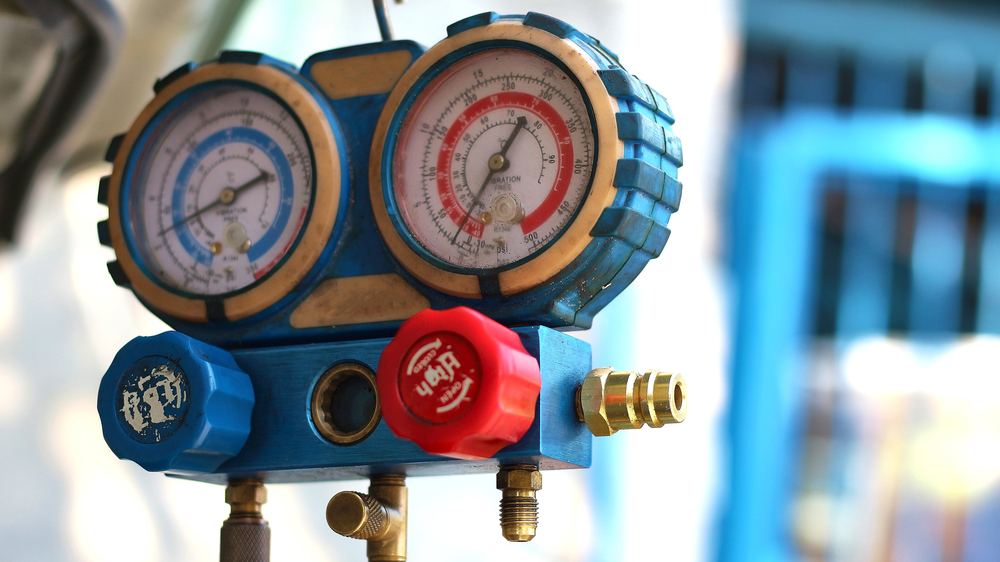
Put on your work gloves and safety glasses. Ensure your gloves fit well enough to allow dexterity but provide protection against sharp metal. Safety glasses should sit securely on your face. This preparation is your first line of defense against common HVAC maintenance injuries.
Clean or Replace Air Filters
Air filters are the first line of defense in HVAC Maintenance. They trap dust, pollen, and debris before it reaches your coils and blower motor. A clogged filter restricts airflow, forcing the system to work harder and increasing energy bills.
Locate and Inspect the Filter
Filters are typically found in the return air ductwork or inside the air handler unit. Look for a removable panel on the side, top, or bottom of the unit. Slide the filter out and hold it up to a light source. If you cannot see light through the media, it is time for a change. Even if it looks relatively clean, replace it every 90 days as a standard HVAC Maintenance practice.
Check Airflow Direction
Before installing the new filter, look for an arrow printed on the frame. This arrow must point toward the blower motor (into the unit). Installing it backward blocks airflow and can damage the system. If your filter is the wrong size, do not force it. Measure the opening and order the correct dimensions to ensure a tight seal.
Insert and Secure
Slide the new filter into the slot, ensuring the arrow points in the correct direction. Push it in firmly until it sits flush against the frame. Replace the access panel and secure any screws or latches. A properly seated filter prevents unfiltered air from bypassing the media and entering your home.
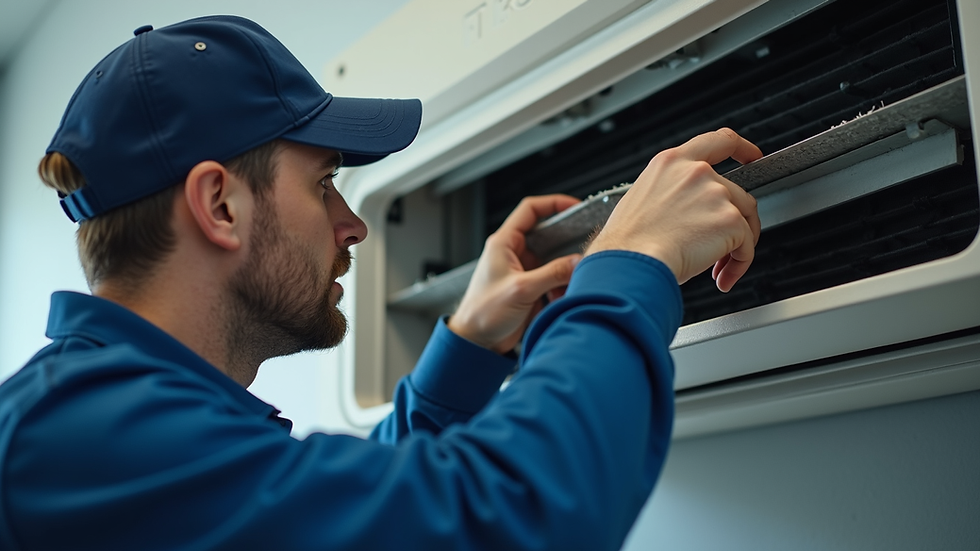
Clear Debris from the Outdoor Unit
The outdoor condenser unit acts like the lungs of your HVAC Maintenance routine. When leaves, grass clippings, or dirt clog the fins, the system struggles to pull in enough air. This forces the compressor to work harder, leading to higher energy bills and premature wear.
Before you start, turn off the power to the unit at the disconnect box or circuit breaker to prevent accidental startup. Remove any large debris by hand. Use a garden hose to gently spray the fins from the inside out, pushing dirt away from the coils rather than driving it deeper. Avoid high-pressure washers, which can bend the delicate aluminum fins and damage the unit.
Trim back any vegetation at least two feet around the unit. This clearance ensures proper airflow and makes future service easier. The Department of Energy notes that regular maintenance of coils and fins is essential for efficient performance, so keeping this area clear is one of the highest-impact tasks you can perform.
Check the Condensate Drain Line
A clogged condensate drain line is one of the most common reasons for AC shutdowns and water damage. As your system removes humidity from the air, it produces water that flows through this line to a drain pan or outside. Over time, algae, mold, and dust build up inside the pipe, creating a blockage that can cause the drain pan to overflow.
Before you begin, locate the PVC drain line exiting your outdoor condenser unit. It will have a T-shaped or U-shaped access point near the unit, capped with a white or black plastic piece. This access point allows you to clear clogs without dismantling the entire system.
Unscrew or pull off the plastic cap on the T-branch of the drain line. Have a small bucket or rag ready underneath to catch any standing water that may spill out when you remove the cap.
Pour about one cup of distilled white vinegar directly into the open drain line. Vinegar is mild enough to be safe for PVC pipes but acidic enough to kill algae and mold that cause clogs. Let it sit for 30 minutes to dissolve the buildup.
If the water doesn't drain after the vinegar soak, use a wet/dry vacuum. Place the vacuum hose over the open end of the drain line (outside) and seal it tightly with a rag or duct tape. Turn the vacuum on for a few seconds to suck out the blockage. Repeat until water flows freely.
Screw the cap back on securely. Turn your AC back on and check the drain line to ensure water is flowing out properly. If water is leaking from the indoor unit, the clog may be deeper, requiring professional HVAC Maintenance assistance.
Performing this check every few months is a simple part of routine HVAC Maintenance that prevents costly repairs. If you notice standing water in the drain pan or a musty smell from your vents, the line is likely blocked and needs immediate attention.
When to Call HVAC Services
HVAC Maintenance is most effective when you know where your role ends and a licensed technician’s begins. Routine tasks like changing filters or clearing debris around the outdoor unit are safe DIY projects. However, several critical issues require professional Residential HVAC Repair to ensure safety and compliance.
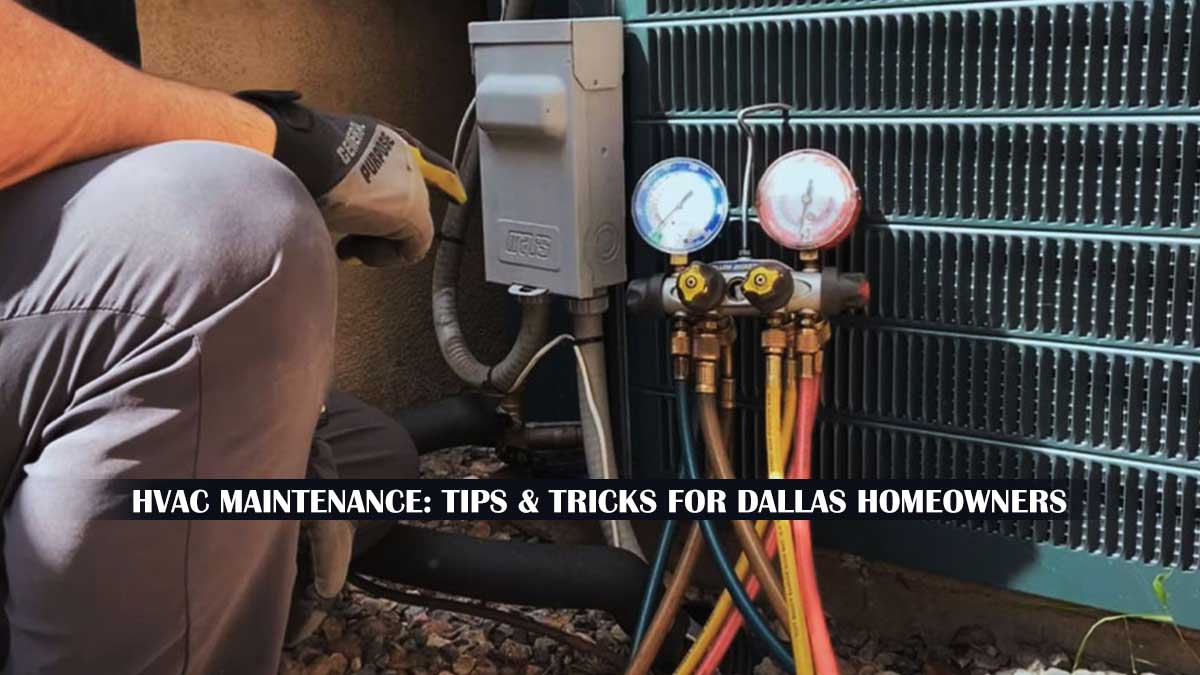
Never attempt to open the refrigerant lines or electrical panels yourself. These tasks require licensed HVAC technicians and specialized tools. Handling refrigerants without certification violates EPA regulations and can permanently damage your compressor. Similarly, working with high-voltage electrical components poses serious shock and fire hazards.
Call a pro if you notice refrigerant leaks, strange burning smells, or frequent breaker trips. These symptoms indicate complex mechanical or electrical failures that simple fixes cannot resolve. Regular inspections by a certified technician, as outlined in standard HVAC maintenance contracts, help catch these issues before they become costly emergencies.
HVAC Maintenance Checklist
Use this concise summary as your reference during your maintenance session. It captures the essential steps for keeping your system running efficiently.
- Change the air filter: Replace or clean the filter every one to three months to ensure proper airflow and indoor air quality.
- Clean the outdoor unit: Remove dirt, leaves, and debris from around the condenser to prevent overheating and strain on the compressor.
- Flush the condensate drain: Pour a cup of vinegar down the drain line to prevent clogs and potential water damage.
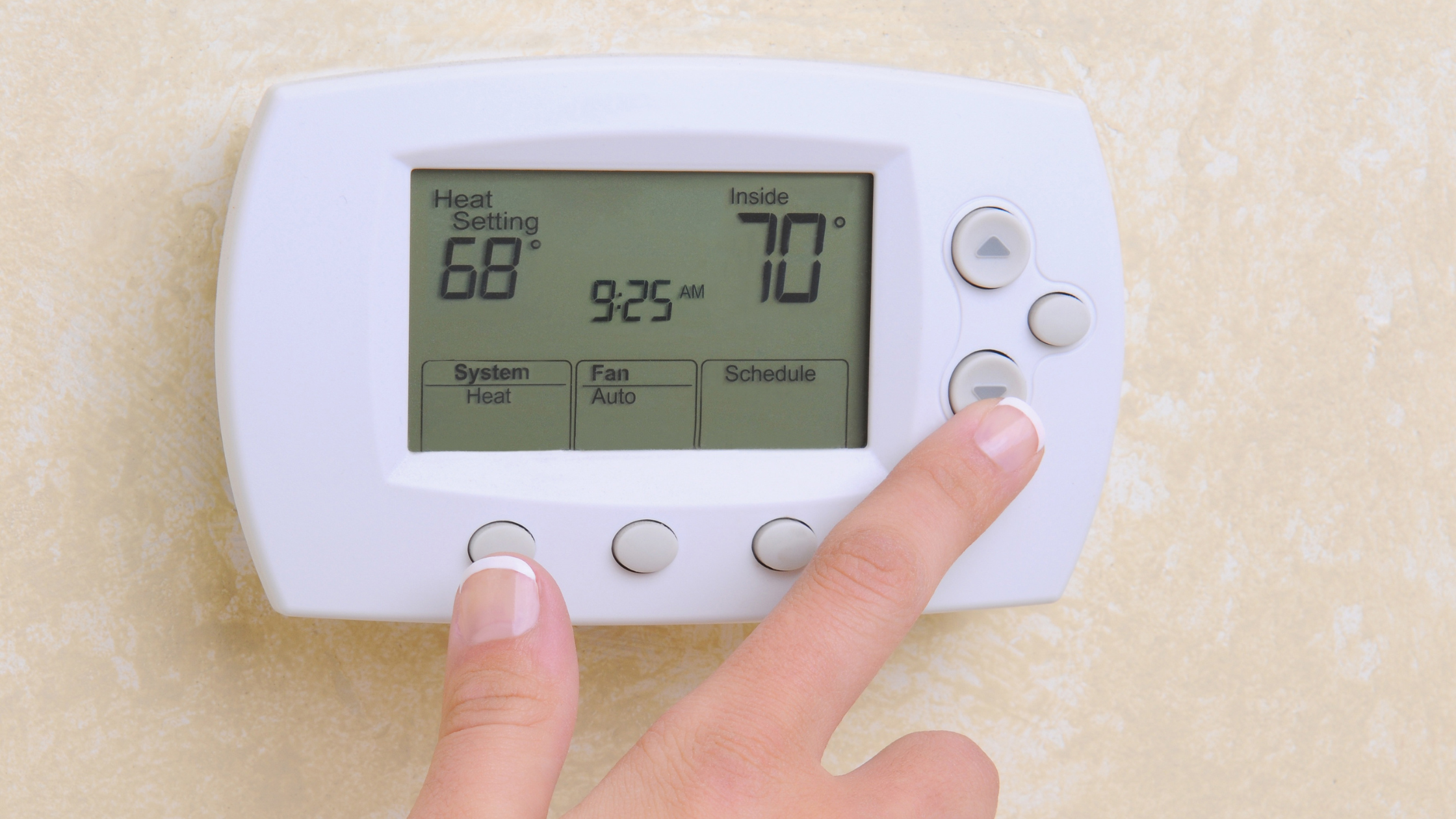
- Check the thermostat: Verify calibration and settings to ensure accurate temperature control and energy efficiency.
- Schedule professional inspection: Have a certified technician check refrigerant levels, electrical connections, and coils annually.
Common hvac maintenance: what to check next
Answering specific questions about upkeep helps you balance DIY tasks with professional needs. Here are the most frequent inquiries regarding system care.
How often should I change AC filters?
Replace disposable filters every one to three months. Heavier usage or homes with pets may require monthly changes. Clogged filters restrict airflow, forcing the system to work harder and increasing energy bills.
Can I clean my own AC unit?
You can perform basic exterior maintenance. Turn off power, remove debris like leaves from around the outdoor condenser, and gently rinse the fins with a hose. Avoid high-pressure sprays, which can bend the delicate fins and damage the coil.
What does a professional HVAC maintenance visit include?
A thorough service goes beyond filter changes. Technicians inspect refrigerant levels, check electrical connections, lubricate moving parts, and clean coils. This preventive care extends equipment life and maintains warranty coverage.
No comments yet. Be the first to share your thoughts!