5 Common HVAC Maintenance Mistakes That Lead to Expensive Repairs
Neglecting routine HVAC Maintenance often turns minor wear into costly system failures. We identified five critical oversights that drive up repair bills, helping you protect your home comfort and wallet.
-
Ignoring Air Filter Replacement
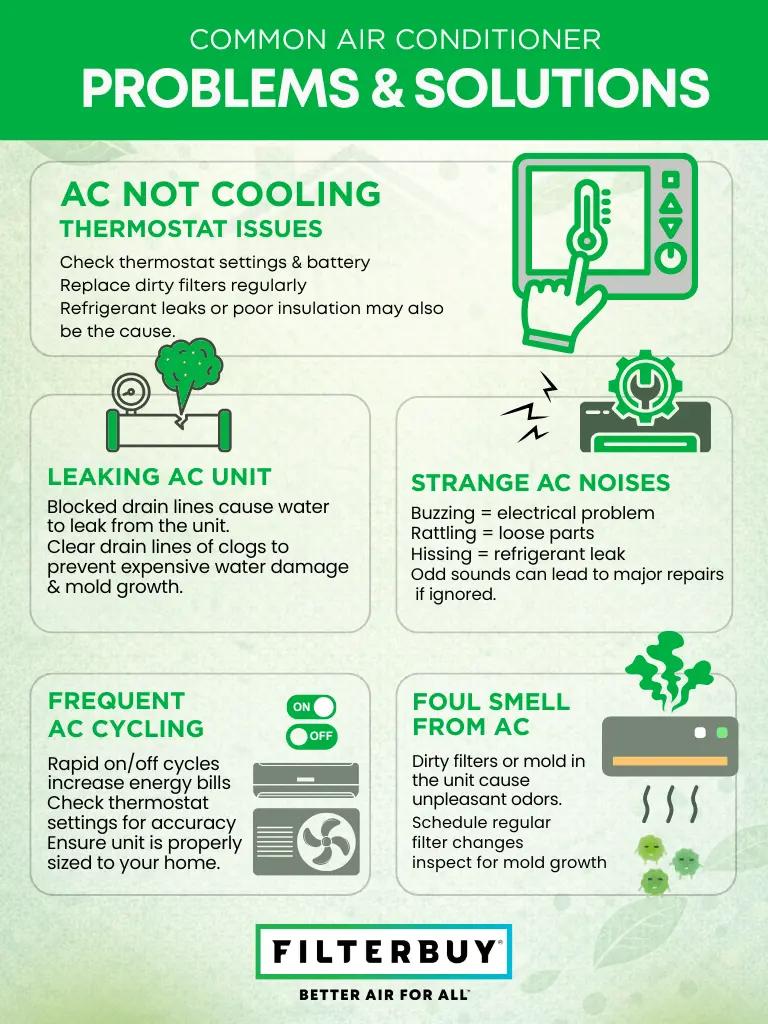
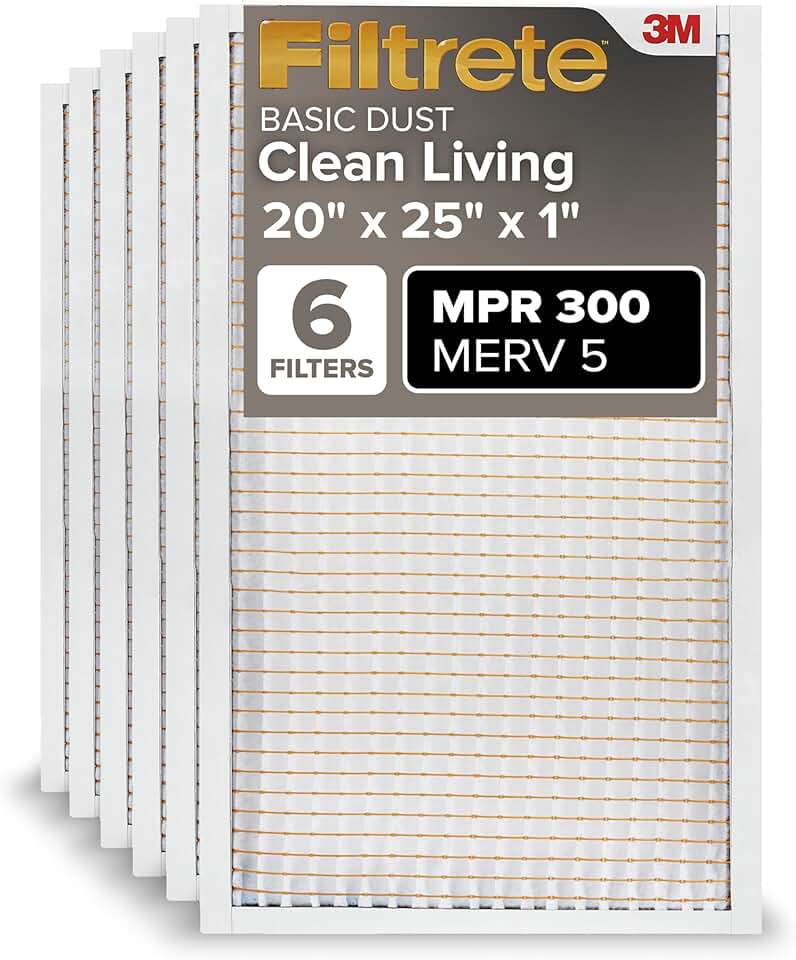
<cite "Air filters are the lungs of your HVAC system."</cite Clogged filters restrict airflow, forcing the blower motor to work harder and overheat. This strain accelerates wear on mechanical components and significantly reduces energy efficiency. Replace disposable filters every one to three months, or more frequently if you have pets or allergies. Using a high-MERV filter without checking compatibility can also cause excessive static pressure, leading to premature system failure and costly repairs down the line. -
Neglecting Condenser Coil Cleaning
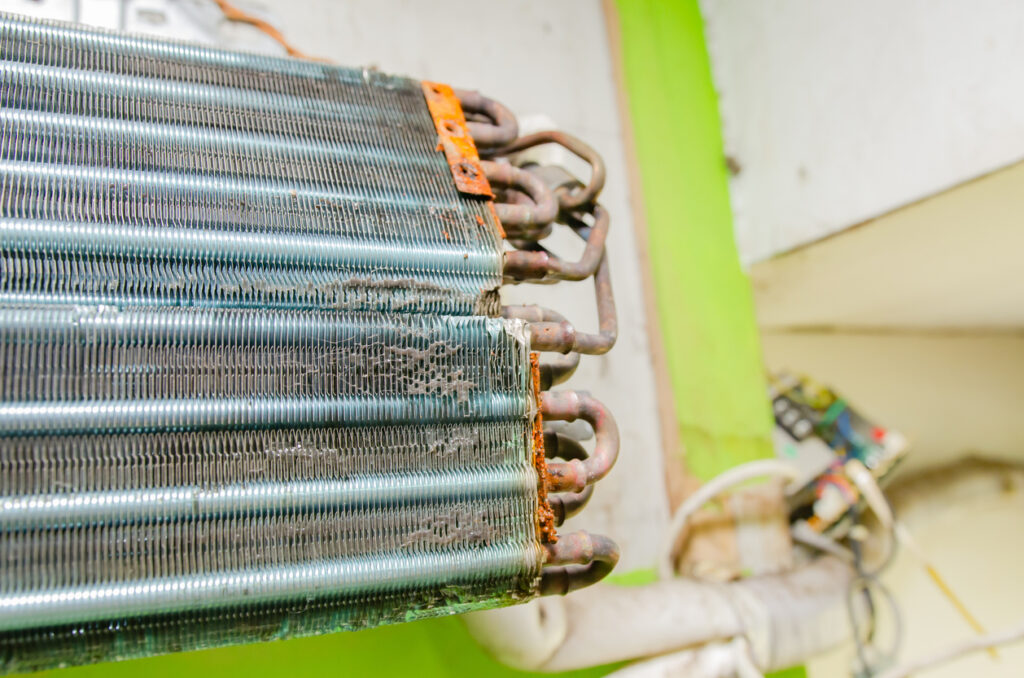
Dust, pollen, and debris accumulate on outdoor condenser coils, creating an insulating layer that traps heat. When coils cannot release heat effectively, the compressor struggles to maintain pressure, leading to overheating and potential burnout. Gently rinse coils with a hose annually, avoiding high pressure that might bend fins. Professional cleaning every few years removes deep grime that household methods miss, ensuring optimal heat exchange and preventing expensive compressor replacements during peak summer demand. -
Obstructing Outdoor Unit Vents
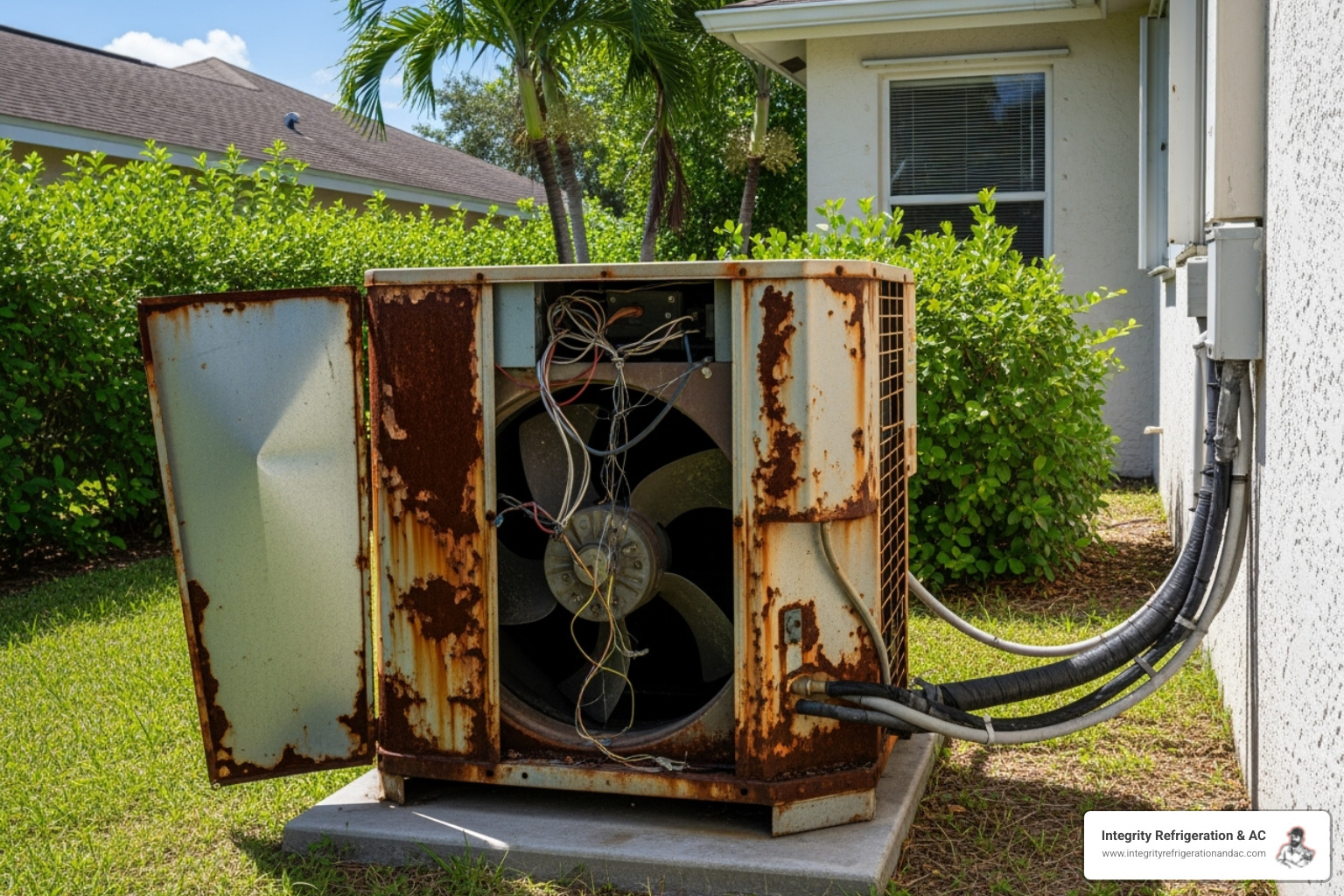
Leaving leaf litter, shrubs, or furniture around the outdoor condenser unit blocks essential airflow. The system needs clear space to intake cool air and exhaust hot air. Obstructions cause the unit to short-cycle, running inefficiently and wearing out components faster. Maintain at least two feet of clearance around the unit. Trim back vegetation regularly to ensure unimpeded air circulation. This simple habit prevents overheating and extends the lifespan of the condenser fan motor and compressor. -

Skipping Annual Professional Inspections
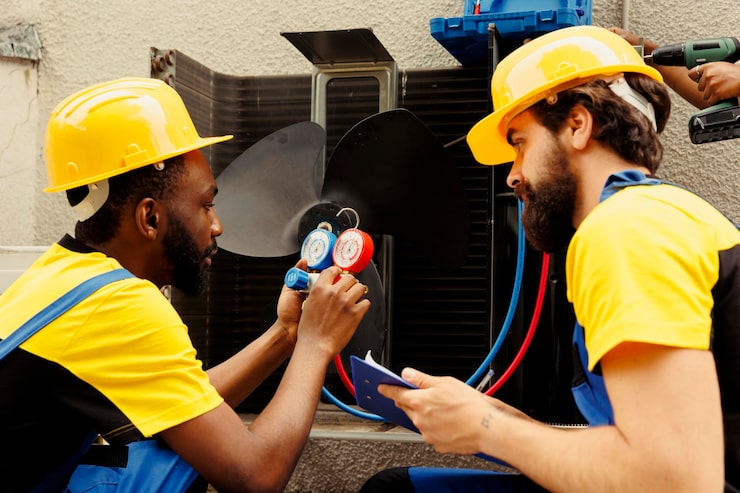
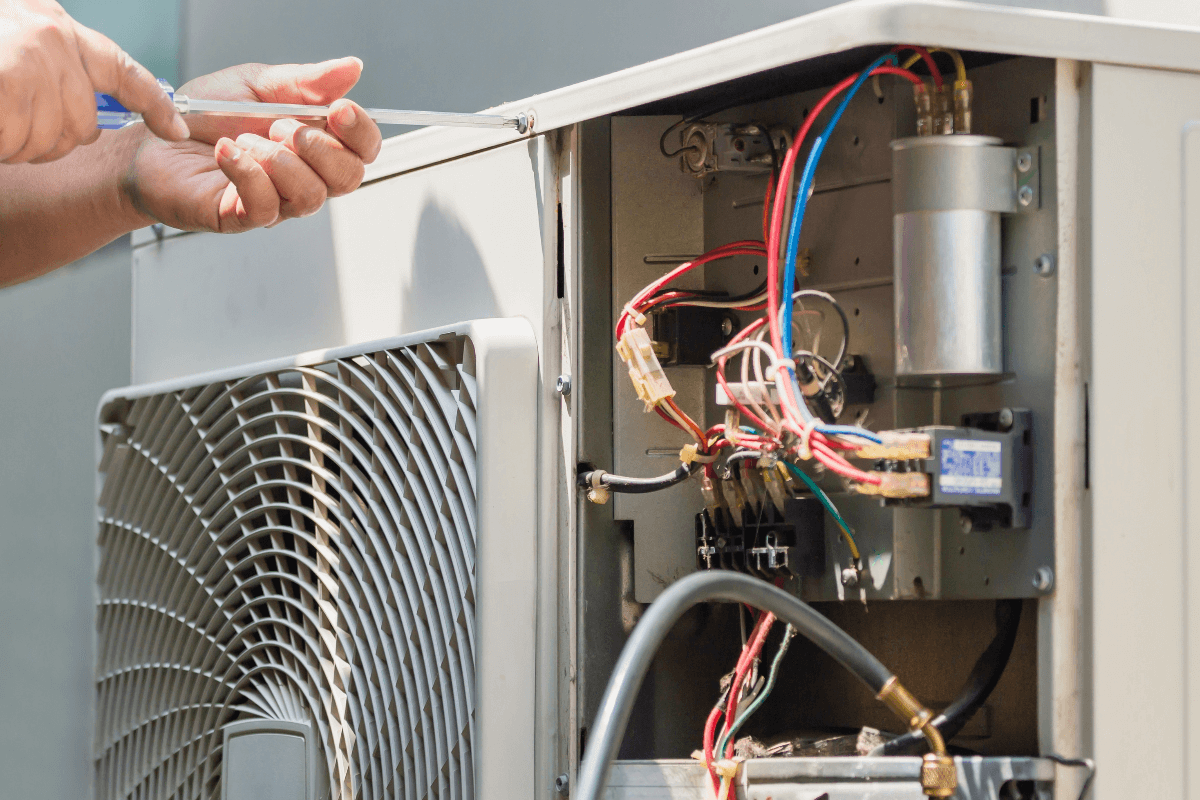
DIY maintenance misses critical checks like refrigerant levels, electrical connections, and heat exchanger integrity. A certified technician identifies small issues, such as loose wires or minor leaks, before they become catastrophic failures. Annual inspections ensure the system runs safely and efficiently, catching wear on belts and motors early. This proactive approach prevents unexpected breakdowns during extreme weather and avoids the high costs associated with emergency repairs or full system replacements due to neglect. -

Disregarding Thermostat Calibration
An uncalibrated thermostat misreads room temperature, causing the HVAC system to run longer than necessary. This inefficiency drives up energy bills and increases wear on components. If your home feels too hot or cold despite the set temperature, the thermostat may be faulty. Recalibrate digital models according to manufacturer instructions or replace outdated mechanical units with smart thermostats. Proper calibration ensures precise temperature control, optimizing comfort and preventing unnecessary strain on the heating and cooling equipment.
Skip the filter change
Your HVAC system relies on a steady flow of air to move heat in and out of your home. The air filter is the first line of defense, trapping dust, pet dander, and pollen before they reach the blower motor and evaporator coils. When you skip this simple maintenance task, you aren't just letting dirt accumulate; you are actively choking the system.
A clogged filter acts like a straw with a kink in it. As airflow restricts, the blower motor has to work harder to pull air through the blockage. This increased strain drives up your energy bills and causes premature wear on mechanical components. In severe cases, restricted airflow can cause the evaporator coils to freeze, leading to water damage and costly compressor repairs. Experts recommend checking your filter every 30 to 90 days, depending on usage and household factors like pets or allergies.
Choosing the right filter is part of the equation. MERV ratings indicate filtration efficiency, but higher isn't always better for every system. A filter that is too dense for your blower's capacity will create the same airflow problems as a dirty one. Stick to the specifications in your owner's manual or consult a professional to ensure your HVAC maintenance routine supports, rather than hinders, your system's efficiency.
Ignore outdoor unit debris
Leaves, grass clippings, and accumulated dirt around your outdoor condenser unit act like a suffocating blanket. When debris blocks the intake louvers or clogs the fins, the system cannot draw in enough air to release the heat it has absorbed from your home. This restriction forces the compressor to work significantly harder to maintain the desired temperature, turning what should be a routine cooling cycle into an exhausting, high-stress operation.
The consequences of this neglect go beyond just higher electricity bills. The constant strain on the compressor accelerates wear on internal components, leading to premature failure that often requires a full replacement rather than a simple repair. Think of your HVAC Maintenance routine as the first line of defense; keeping the area around the unit clear is the easiest way to prevent costly breakdowns during peak summer heat.
To protect your system, simply trim back any vegetation at least two feet away from the condenser and remove fallen leaves or grass after mowing. A quick visual inspection each season can reveal if debris has built up inside the coil fins, which can be gently cleaned with a garden hose (never a pressure washer, which can bend the delicate fins). This small habit preserves airflow, keeps energy costs down, and extends the lifespan of your entire HVAC Maintenance setup.
Delay professional tune-ups
Skipping annual HVAC maintenance is like ignoring a check engine light. You might still drive the car, but small issues quickly escalate into costly failures. While changing filters and clearing debris around the outdoor unit are valuable DIY tasks, they cannot replace the comprehensive inspection a licensed technician performs.
Professional tune-ups catch hidden problems before they become emergency repairs. Technicians check for refrigerant leaks, test electrical connections, and calibrate controls. A minor refrigerant leak, for instance, reduces efficiency and can damage the compressor if left unaddressed. Similarly, loose electrical connections can lead to short circuits or system shutdowns during peak usage.
Routine maintenance also ensures your system runs at peak efficiency. Dirty coils, clogged drains, and worn belts force your HVAC system to work harder, driving up energy bills. According to industry standards, regular maintenance can keep your system running at optimal performance, preventing the kind of major breakdowns that require expensive part replacements or premature system replacement.
Neglecting ductwork leaks
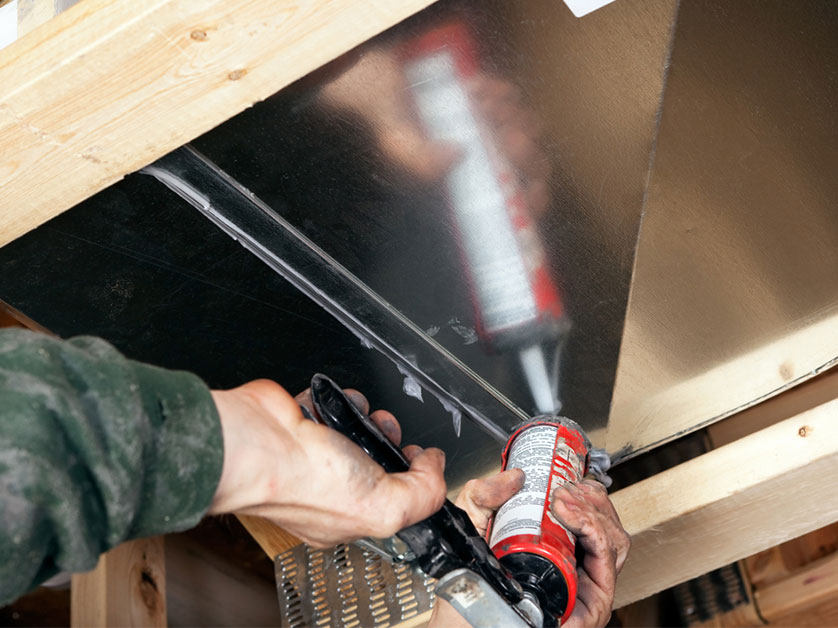
Unsealed or damaged ducts are a silent drain on your HVAC maintenance budget. When conditioned air escapes through gaps in the attic, crawlspace, or walls, your system must work significantly harder to maintain the desired temperature. This inefficiency leads to uneven temperatures throughout the home and noticeably higher utility costs, turning routine HVAC maintenance into a costly repair job.
Think of your ductwork as the veins of your home’s heating and cooling system. If those veins have leaks, the blood—your conditioned air—never reaches the extremities. The result is rooms that are too hot or too cold, forcing the HVAC system to run longer cycles. Over time, this extra strain wears down components like the blower motor and compressor, accelerating wear and tear.
To prevent this, inspect accessible ducts for visible gaps, loose connections, or disconnected sections. Use mastic sealant or metal-backed tape to seal joints, avoiding standard cloth duct tape which degrades quickly. For a comprehensive check, consider hiring a professional to perform a duct leakage test, which can quantify exactly how much air is being lost.
Overlook thermostat settings
Your thermostat is the brain of your HVAC system, but it only works if you program it correctly. One of the most common HVAC maintenance mistakes is setting the temperature too low in summer or too high in winter. When you force the system to bridge a wide gap between indoor and outdoor temperatures, the compressor and furnace run longer than necessary. This excessive cycling wears down components faster and spikes your energy bill.
Placement matters just as much as programming. A thermostat mounted on a wall that receives direct sunlight or sits near a heat-generating appliance will sense false heat. The system will think the house is warmer than it is, causing it to run continuously even when comfort levels are already reached. This constant operation creates unnecessary strain on the motor and blower.
Smart settings can prevent this wear and tear. Modern programmable thermostats allow you to set different temperatures for when you are home, asleep, or away. By lowering the cooling load during the day when no one is home, you give the system breaks it needs to stay healthy. This simple adjustment reduces mechanical stress and extends the lifespan of your HVAC equipment.
Choosing the right device makes these adjustments easier. Look for smart thermostats that learn your schedule or allow remote control via an app, ensuring your system runs efficiently without constant manual tweaking.


As an Amazon Associate, we may earn from qualifying purchases.
Preventive maintenance checklist
Skipping regular upkeep is the fastest way to turn a minor issue into a costly repair. A structured HVAC maintenance checklist helps you catch small problems before they escalate, keeping your system efficient and your bills predictable. By following these five steps, you protect your investment and extend the life of your equipment.


As an Amazon Associate, we may earn from qualifying purchases.
Hvac maintenance: what to check next
Understanding the basics of HVAC maintenance helps homeowners avoid the costly repairs mentioned earlier. Regular care is not just about comfort; it is about protecting your investment and ensuring your system runs efficiently throughout the year.
No comments yet. Be the first to share your thoughts!