
Start with verified local directories
Find HVAC Pros troubleshooting should start with a clear boundary: what is actually broken, and what still works normally. Check the display, network connection, paired devices, app access, and recent updates before assuming the whole system needs a reset. A small connection failure can make the main screen feel unreliable even when the core system is fine.
Work from low-risk checks to deeper resets. Confirm power state, safe parking, account access, and signal first. Then restart the interface, wait for it to reload completely, and test the original symptom. Avoid changing multiple settings at once because that makes it harder to know which step actually fixed the problem.
If the issue affects safety information, repeats after every restart, or appears with warning messages, treat the reset as a temporary diagnostic step rather than the final fix. Document the symptom and move to official support instead of stacking more DIY attempts.
The simplest way to use this section is to keep the setup small, verify each change, and record the stable configuration before adding optional accessories.
Check credentials and insurance proof
Before scheduling a repair, verify that the HVAC contractor holds the proper state license and carries active insurance. This step protects you from financial liability if a technician is injured on your property or if equipment damage occurs during the service call. Unlicensed work often voids manufacturer warranties and can lead to costly code violations.
Verify the state license
Request the contractor’s license number and check its status through your state’s licensing board website. Most states maintain an online database where you can confirm the license is active, in good standing, and covers the specific type of work you need (such as refrigeration or gas fitting). Do not rely solely on a business card; the number must match official state records.
Request a certificate of insurance
Ask for a current Certificate of Insurance (COI) that lists your home as an "additional insured" for both general liability and workers' compensation coverage. Call the insurance provider directly using the phone number on the certificate to confirm the policy is active and has not expired. A COI obtained last year is likely invalid for a current job.
Check for bonding
Many reputable HVAC companies are bonded, which provides an extra layer of protection if the contractor fails to complete the job or pay for permits. Verify the bond amount with the surety company to ensure it is sufficient to cover potential costs. This is particularly important for larger installations or complex repairs.
Ask the contractor for their state license number before they arrive on site. Write it down and note the expiration date.
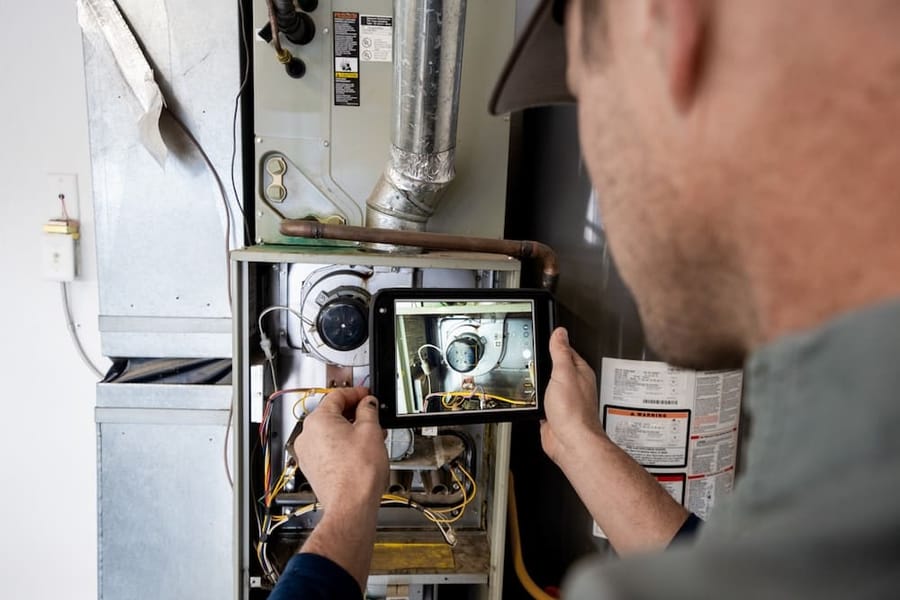
Visit your state’s licensing board website. Enter the license number to confirm the contractor is authorized to perform HVAC repairs in your area and has no recent violations.
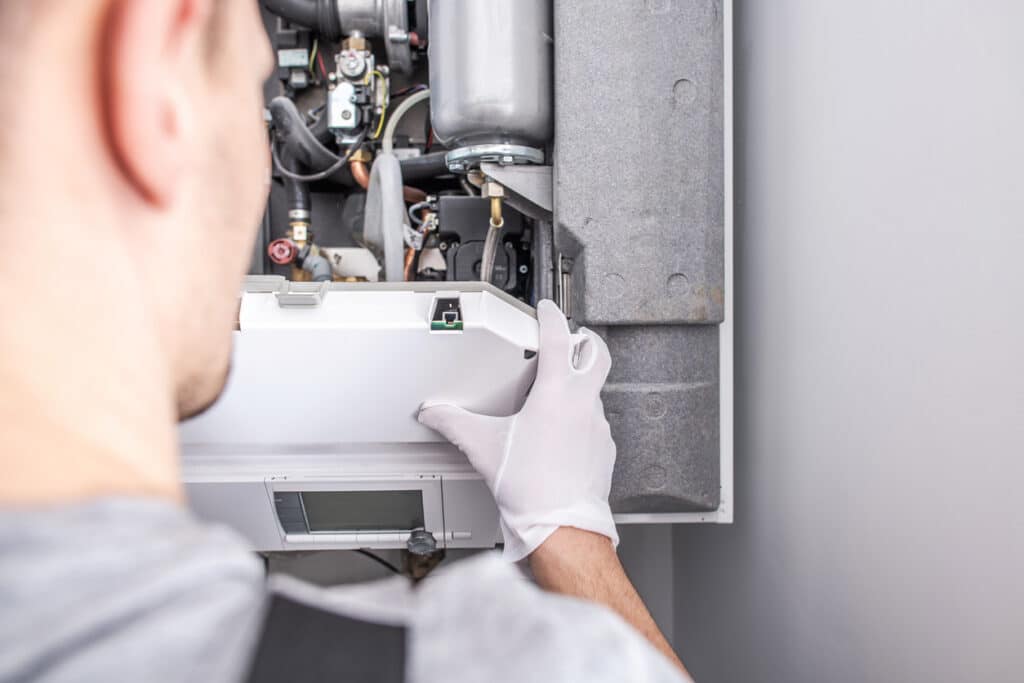
Request a Certificate of Insurance that includes general liability and workers' compensation. Ensure the policy dates cover the day of the repair.
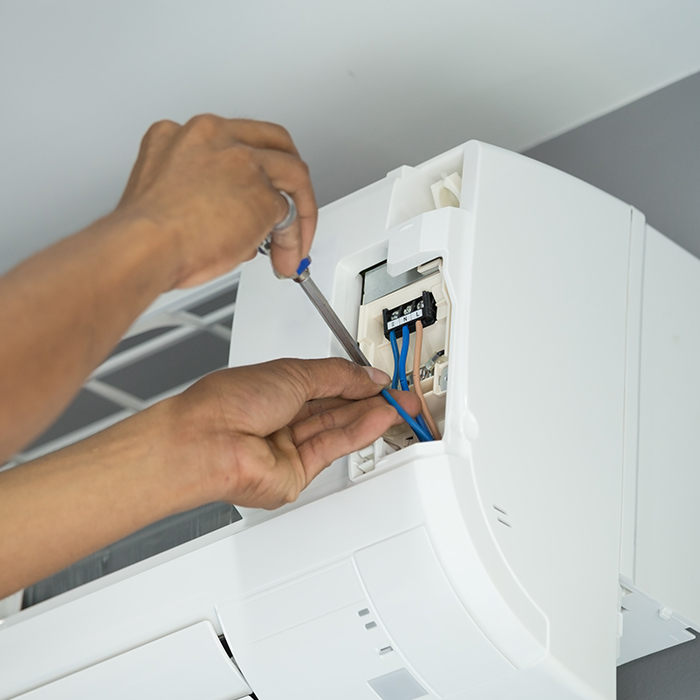
Do not just read the phone number on the COI. Call the insurance company directly to confirm the policy is active and that your property is listed as an additional insured.
Compare quotes using a structured table
Reading an HVAC estimate requires looking past the bottom line. Two quotes for the same repair can differ by hundreds of dollars based on how the contractor breaks down labor, parts, and warranty coverage. A structured comparison reveals which provider is offering genuine value versus which is cutting corners on critical details.
Use a side-by-side table to evaluate three distinct scenarios. This framework highlights the trade-offs between upfront cost, long-term protection, and project timeline. Pay close attention to the "Notes" column, where contractors often hide exclusions or specify the exact model of replacement parts.
| Provider | Total Price | Warranty | Timeline | Notes |
|---|---|---|---|---|
| Budget Local | $350 | 90 Days | 2 Weeks | Labor only; parts billed separately. |
| Mid-Range Co | $520 | 2 Years | 5 Days | Includes brand-new capacitor and labor. |
| Premium Service | $680 | 5 Years | Next Day | Full system diagnostic and priority scheduling. |
When reviewing these options, notice how the mid-range option often provides the best balance of value. The budget quote may seem cheaper initially, but if you are paying extra for parts that are included in the mid-range quote, the final cost converges. The premium option justifies its higher price through speed and extended coverage, which is valuable if you need the system operational immediately.
Always verify that the warranty covers both parts and labor. Many contractors offer lengthy warranties on parts but only 30 days on labor. If a new part fails due to a installation error within the first year, you could be stuck paying for a second service call.
Watch for red flags in communication
Finding reliable HVAC repair pros often comes down to spotting the warning signs before you hire. Unprofessional behavior during the initial consultation is usually a reliable indicator of future headaches. Watch for three specific red flags that signal a contractor may not be worth your time or money.
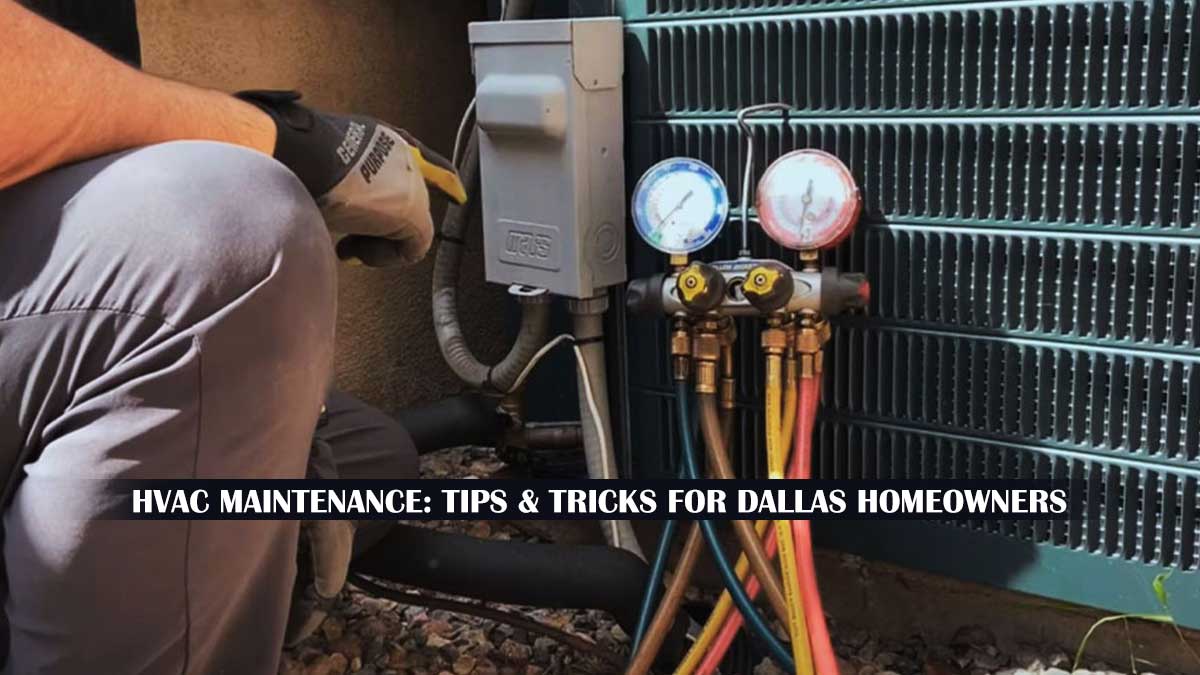
Legitimate contractors provide time to think. If a technician pushes you to sign a contract immediately or claims a "limited-time discount" that expires today, step back. High-pressure sales tactics often mask inflated prices or unnecessary repairs. A professional HVAC repair service will give you 24-48 hours to review estimates without judgment.
Verbal quotes are not contracts. Reputable HVAC repair pros always provide detailed, written estimates that break down labor, parts, and warranty terms. If a provider refuses to put numbers on paper, they may be hiding hidden fees or planning to change the price once they are inside your home. Always insist on a documented scope of work before any repair begins.
A trustworthy contractor is happy to share proof of licensing and insurance. If they hesitate to provide references from recent customers or cannot produce a current license number, this is a major warning sign. You can verify these credentials through your state’s licensing board or the Better Business Bureau to ensure they are operating legally and safely.
These communication breakdowns often lead to costly disputes later. By recognizing these red flags early, you can filter out unreliable providers and focus on HVAC repair pros who value transparency and professionalism.
Finalize the hire with a written contract
Before handing over a deposit or allowing access to your home, insist on a detailed written agreement. Verbal promises are easy to forget or misinterpret; a contract protects both you and the HVAC technician by defining exactly what will be done. This document is your primary insurance policy against scope creep and unexpected billing.
Step 1: Verify scope and equipment details
Ensure the contract explicitly lists the specific models, part numbers, and quantities of equipment being installed or repaired. Vague descriptions like "fix furnace" leave room for the technician to replace only the cheapest parts. If you are replacing a unit, the contract should specify the exact SEER rating and tonnage you agreed to. This prevents the "bait and switch" where a higher-efficiency unit is quoted but a lower-grade model is installed.
List every task, including removal of old equipment, ductwork modifications, and electrical updates. Ambiguity here is the leading cause of change orders.
Specify brand, model, and efficiency ratings. Ensure the contract matches the equipment you selected during the estimate phase.
Avoid large upfront deposits. Standard practice is a small deposit for materials, with the balance due only after successful completion and inspection.
Step 2: Lock in cost and timeline
The agreement must state the total price, including labor, materials, and disposal fees. Ask if this is a fixed price or a time-and-materials estimate. If it’s the latter, request a maximum cap to prevent runaway bills. Additionally, include a start date and an estimated completion window. HVAC repairs often face delays due to part availability, but the contract should outline how the contractor communicates those delays to you.
Step 3: Check permits and warranties
Major HVAC installations typically require a local building permit. The contract should specify who pulls the permit—usually the contractor—and who pays the fee. This ensures the work meets local codes and doesn’t cause issues when you sell your home. Finally, verify that the contractor provides a written warranty covering both labor and manufacturer parts. A reputable HVAC repair professional stands behind their work with clear, written guarantees.
Common HVAC repair questions answered
These questions address the most frequent points of confusion when scheduling maintenance or planning a replacement. Use these benchmarks to evaluate quotes and decide whether a repair is worth the investment.
What is the average cost of a HVAC service call?
Most standard diagnostic visits range from $150 to $250. This fee typically covers the technician’s time to identify the issue and provide a repair estimate. Many companies apply this service fee toward the cost of the actual repair if you proceed with the work on the same day. Be wary of quotes that are significantly lower than this range, as they may indicate hidden fees or inexperienced technicians.
What is the $5,000 rule for HVAC?
The $5,000 rule helps determine if you should repair or replace your unit. Multiply the age of your system by the cost of the repair. If the result is less than $5,000, repair it. If it exceeds $5,000, replace the system. For example, a 15-year-old unit needing a $400 repair results in 6,000, signaling that replacement is the more economical long-term choice.
What is the most common HVAC problem?
Dirty air filters are the leading cause of system failures and reduced efficiency. A clogged filter restricts airflow, forcing the compressor to work harder and potentially causing the evaporator coil to freeze. This issue is easily resolved by replacing the filter every 1-3 months. Other frequent problems include faulty thermostats and refrigerant leaks, which require professional diagnosis.
Which AC brand lasts the longest?
Industry data suggests that premium brands like Carrier, Trane, and Lennox often achieve 15-20 years of service life when properly maintained. While budget brands may have lower upfront costs, they often have shorter lifespans and higher long-term maintenance needs. Durability depends heavily on installation quality and regular maintenance rather than the brand name alone.
No comments yet. Be the first to share your thoughts!