
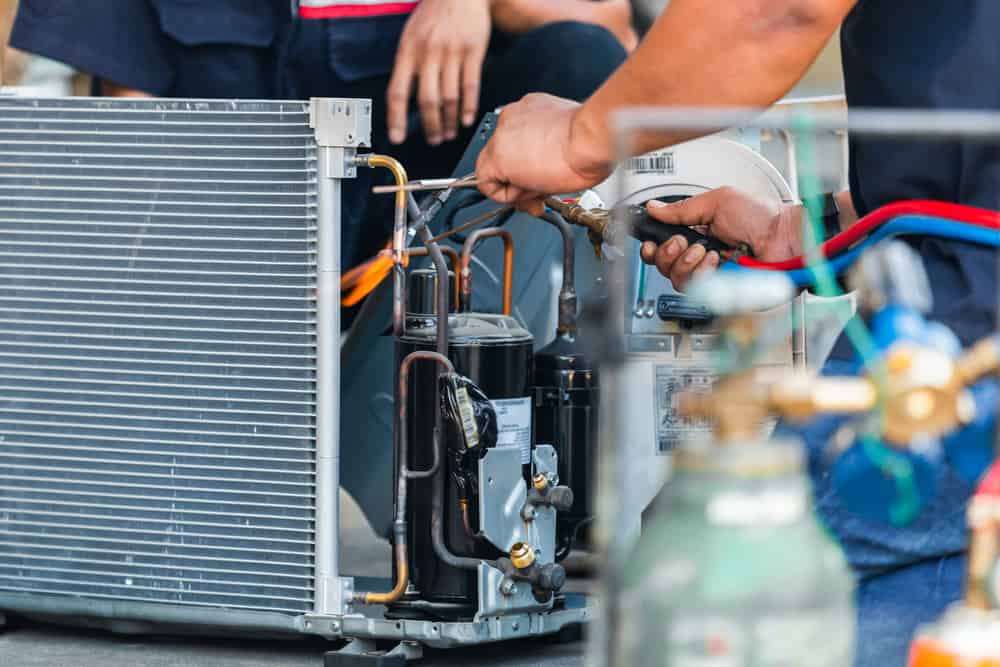

Hvac repair choices that change the plan
Deciding between repair and replacement often comes down to the $5,000 rule: multiply the equipment’s age by the repair cost. If the total exceeds $5,000, replacement is usually the smarter financial move. However, this is just one variable in a complex equation. A 15-year-old unit with a $300 capacitor swap is still a candidate for repair, while a 5-year-old system with a cracked heat exchanger might need immediate replacement for safety reasons.
The decision also hinges on your immediate comfort needs versus long-term efficiency. An old system with a failing compressor can be repaired to restore cooling for another two or three years, but it will continue to consume significantly more energy than a modern unit. If you plan to stay in your home long-term, the higher upfront cost of a new system often pays back through lower utility bills and reduced maintenance frequency.
Service call costs and warranty coverage further influence this tradeoff. A typical diagnostic fee ranges from $50 to $100, often credited toward the repair. If your system is under a manufacturer’s warranty, parts may be covered, making repair a no-brainer. Conversely, if your warranty has expired, you are paying full price for labor and components, which pushes the decision closer to replacement, especially if other major components are showing signs of wear.
| Feature | Repair | Replacement | Best For |
|---|---|---|---|
| Upfront Cost | Low ($100-$1,500) | High ($5,000-$12,000+) | Tight budgets |
| Energy Efficiency | Same as current | Up to 30% better | Reducing bills |
| System Lifespan | 2-5 more years | 15-20 years | Long-term stability |
| Warranty Coverage | Limited parts/labor | Full 10-year coverage | Peace of mind |
| Comfort Consistency | May vary by age | Uniform throughout | Uneven heating/cooling |
Where each option wins
Deciding between HVAC repair and maintenance often comes down to the age of your unit and the severity of the issue. Think of maintenance as a routine oil change and tune-up—it keeps the engine running smoothly. Repair is like replacing a blown head gasket; it’s necessary, but it signals that something has already broken.
When maintenance is the smarter choice
Maintenance is the clear winner for systems that are less than ten years old and have no major mechanical failures. If your unit is blowing cool air but struggling to keep up on the hottest days, or if you hear a minor rattling noise, a scheduled tune-up can often resolve these issues with filter changes, coil cleaning, and refrigerant checks. This approach preserves the manufacturer’s warranty and extends the lifespan of a healthy system. It is also the most cost-effective strategy for homeowners who want to avoid emergency service calls during peak summer or winter months.
When repair is the only option
Repair becomes the necessary path when a critical component fails. If your compressor stops working, the heat exchanger cracks, or the system stops cooling entirely, maintenance cannot fix the problem. This is also the time to consider the $5,000 rule: if the cost of repairs plus the age of the unit exceeds $5,000, replacement is usually more economical than repair. However, if you have a newer unit (under 8-10 years) and the repair is isolated to a capacitor, contactor, or motor, fixing it is often cheaper than buying a new system. Immediate repair is also required if you smell gas or see water leaking from the unit, as these pose safety risks.
The middle ground: targeted repairs
Sometimes, a system needs a specific part replaced rather than a full overhaul. This is common with wear-and-tear items like blower motors or fan belts. If your HVAC technician identifies a single failing part on a otherwise healthy system, a targeted repair extends the life of the unit without the high cost of a full replacement. This is particularly relevant for mid-range systems (5-10 years old) that have been well-maintained.
Details Worth Checking
Before scheduling a repair, verify the scope of work. Many service calls cover only diagnostic fees, while the actual fix falls under separate line items. Ask if the quoted price includes parts, labor, and any necessary permits. Without this clarity, unexpected charges can double the initial estimate.
Common Exclusions and Risks
- Refrigerant leaks: If your system is low on refrigerant, the leak must be found and fixed before refilling. Simply topping off the gas is a temporary patch that will fail again.
- Warranty voids: DIY adjustments or unlicensed repairs can void manufacturer warranties. Always confirm who holds the warranty before work begins.
- Age of the unit: If your system is over 10–15 years old, repairs might be a waste of money. Compare the repair cost against the price of a new, high-efficiency unit.
The $5,000 Rule
A common industry heuristic is the $5,000 rule. Multiply the age of your unit by the repair cost. If the result exceeds $5,000, replacement is usually the smarter financial move. For example, a 10-year-old unit needing a $600 repair results in $6,000—suggesting it’s time for a new system.
Service Call Costs
Expect a service call fee between $75 and $150. This is often waived if you proceed with the recommended repair. Be wary of technicians who refuse to provide a flat-rate quote before starting work. Transparency protects you from hourly billing surprises.
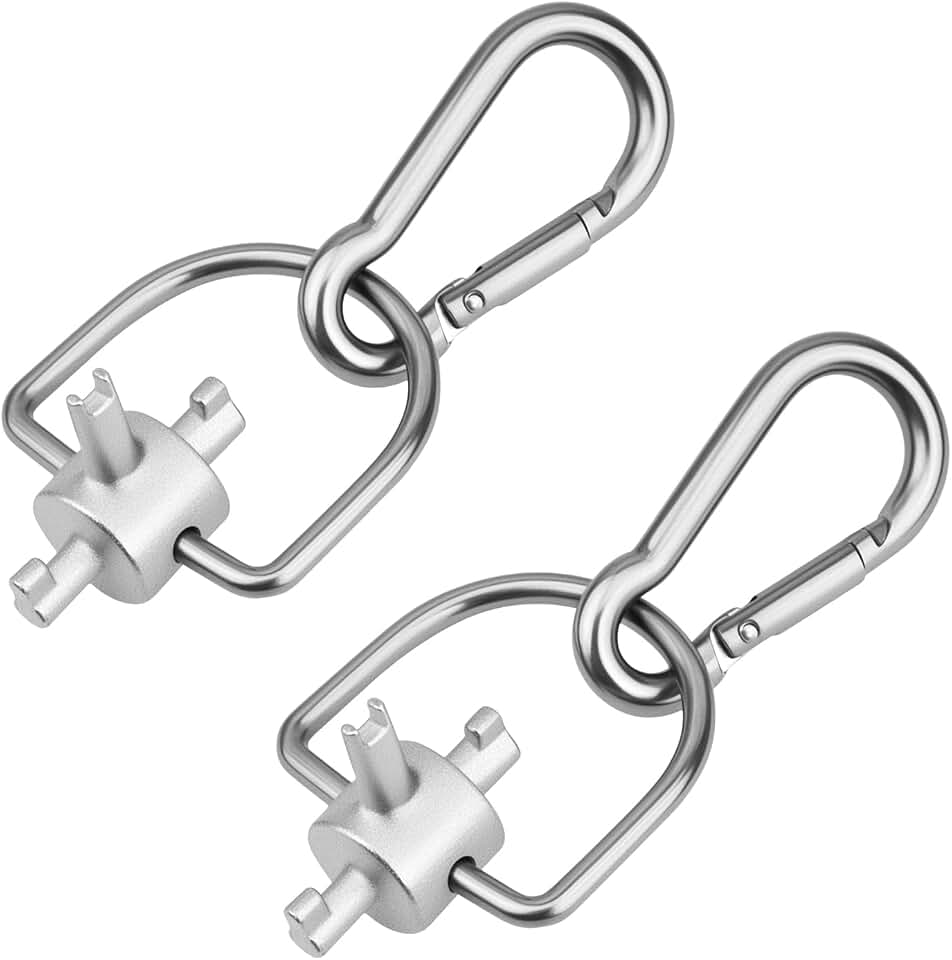
Helpful gear
Use these product recommendations as a starting point, then choose the size, material, and price point that fit how you actually use the gear.


As an Amazon Associate, we may earn from qualifying purchases.
No comments yet. Be the first to share your thoughts!