
Spot the signs you need repair
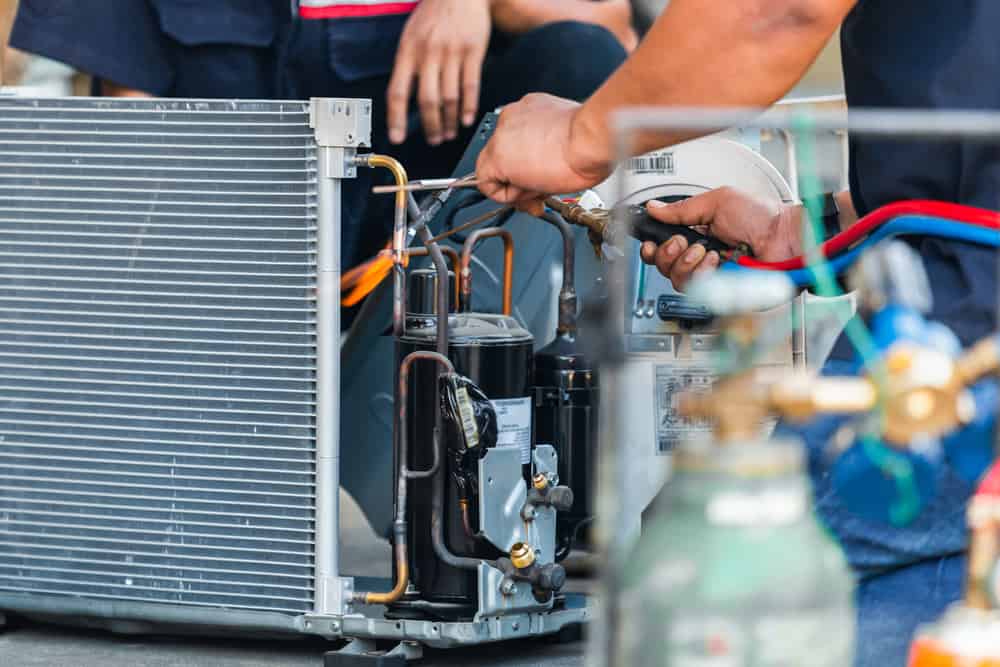
Your HVAC system rarely announces its failures with a warning label. Instead, it communicates through subtle shifts in performance or audible cues. Recognizing these early symptoms is the first step to finding HVAC repair before a minor glitch becomes a catastrophic failure. Ignoring these signs often leads to higher energy bills and more expensive emergency service calls.
Unusual Noises and Odors
A healthy system hums quietly. If you hear grinding, squealing, or banging, mechanical components like belts, bearings, or motors may be failing. Similarly, musty smells often indicate mold growth in the ductwork, while burning odors suggest electrical issues. These sensory red flags demand immediate attention to prevent safety hazards or further damage.
Inconsistent Temperatures
Uneven cooling or heating across different rooms suggests airflow restrictions or duct leaks. If one room is freezing while another is sweltering, the system is struggling to distribute air properly. This inefficiency forces the unit to work harder, driving up costs and wearing down components faster than normal.
Short Cycling
Short cycling occurs when the system turns on and off more frequently than usual. This often stems from a clogged filter, thermostat issues, or an oversized unit. Frequent starts and stops place immense strain on the compressor, leading to premature wear and reduced lifespan.
Rising Energy Bills
A sudden spike in utility costs without a change in usage habits is a strong indicator of declining efficiency. When an HVAC system struggles to maintain temperature, it consumes more energy to do the same work. This inefficiency is often a precursor to major component failure.
The Repair vs. Replace Decision
When these signs appear, the next logical step is to evaluate whether repair or replacement makes financial sense. Our interactive tool below helps you weigh the costs of ongoing repairs against the long-term savings of a new installation. Input your current system’s age and repair frequency to see where you stand.
Calculate repair versus replacement costs
Deciding whether to repair or replace your HVAC system often comes down to a simple financial calculation, but hidden variables can skew the numbers. A new unit offers higher efficiency and reliability, while repair extends the life of your current system at a lower upfront cost. This calculator helps you quantify that trade-off by estimating the break-even point based on your specific system age, repair quote, and energy efficiency ratings.
The decision isn't just about the immediate bill; it's about long-term operating costs. Older units often suffer from lower SEER (Seasonal Energy Efficiency Ratio) ratings, meaning they consume significantly more electricity to produce the same amount of cooling or heating. By inputting your current system's efficiency and the price of a new unit, you can see how quickly energy savings might offset the installation cost.
Enter your details below to see the estimated break-even timeline. If the repair cost is high relative to the system's age, or if the break-even period is long, replacement may be the more economical choice for your home.
Compare local HVAC service options
Once you decide to proceed with a repair, choosing the right technician matters as much as the cost estimate. The market offers distinct paths: DIY fixes, big-box store services, and independent licensed professionals. Each option carries different risks regarding warranty, safety, and long-term system health.
To help you decide which route fits your situation, compare the key attributes below. This comparison highlights why professional verification is essential for complex HVAC work.
| Attribute | DIY Fixes | Big-Box Stores | Licensed Pro |
|---|---|---|---|
| Warranty Coverage | None | Limited (90 days) | Full system warranty |
| Safety Compliance | Unverified | Basic | Code-certified |
| Diagnostic Depth | Surface-level | Standard | Comprehensive |
| Long-Term Cost | Low upfront | Moderate | Predictable |
When vetting local HVAC repair professionals, prioritize verification over price alone. Look for technicians who are licensed, insured, and accredited by the Better Business Bureau. Reputable platforms like Angi provide verified customer reviews that can help you gauge reliability before scheduling a service call.
A licensed technician ensures that repairs comply with local building codes and manufacturer specifications. This protection is critical because improper repairs can void your equipment warranty or create safety hazards. While DIY or big-box options may seem cheaper initially, they often lack the diagnostic depth needed to address root causes, leading to recurring issues and higher costs down the line.
Avoid common hiring mistakes
Finding the right technician for your HVAC repair is only half the battle; knowing what to expect from the service call protects your wallet. Many homeowners lose money not because of bad parts, but because of vague quotes and ignored maintenance history. A clear contract prevents surprise fees, while a complete service record helps the technician diagnose issues faster and more accurately.
Request a detailed, written estimate that breaks down labor, parts, and potential additional costs before work begins. This transparency allows you to compare bids fairly and ensures you aren't paying for diagnostic time if the repair fails. Always ask for a copy of the service report, which serves as proof of work for warranty claims and future reference.
Do not overlook the technician's review of your system's maintenance history. A technician who knows your unit's background can spot recurring issues that a new technician might miss. This context is vital for deciding whether a repair is a temporary fix or if it’s time to consider an HVAC replacement.
If your system is over 10-15 years old, frequent repairs may signal that replacement is more cost-effective. Use the cost calculator to weigh your current repair options against the long-term savings of a new installation. This data-driven approach removes the guesswork from your decision, ensuring you invest in a solution that fits your budget and comfort needs.
Prepare for your service visit
Before the technician arrives, clear the path and gather the right information. This preparation helps the technician diagnose the issue quickly and accurately, saving you time and potentially reducing labor costs. When you are deciding between repair and replacement, a precise diagnosis is the first step toward making the right choice.
Clear debris, furniture, or storage items blocking the outdoor condenser and indoor furnace. Technicians need at least two feet of clearance on all sides to safely access the system and perform a thorough inspection.
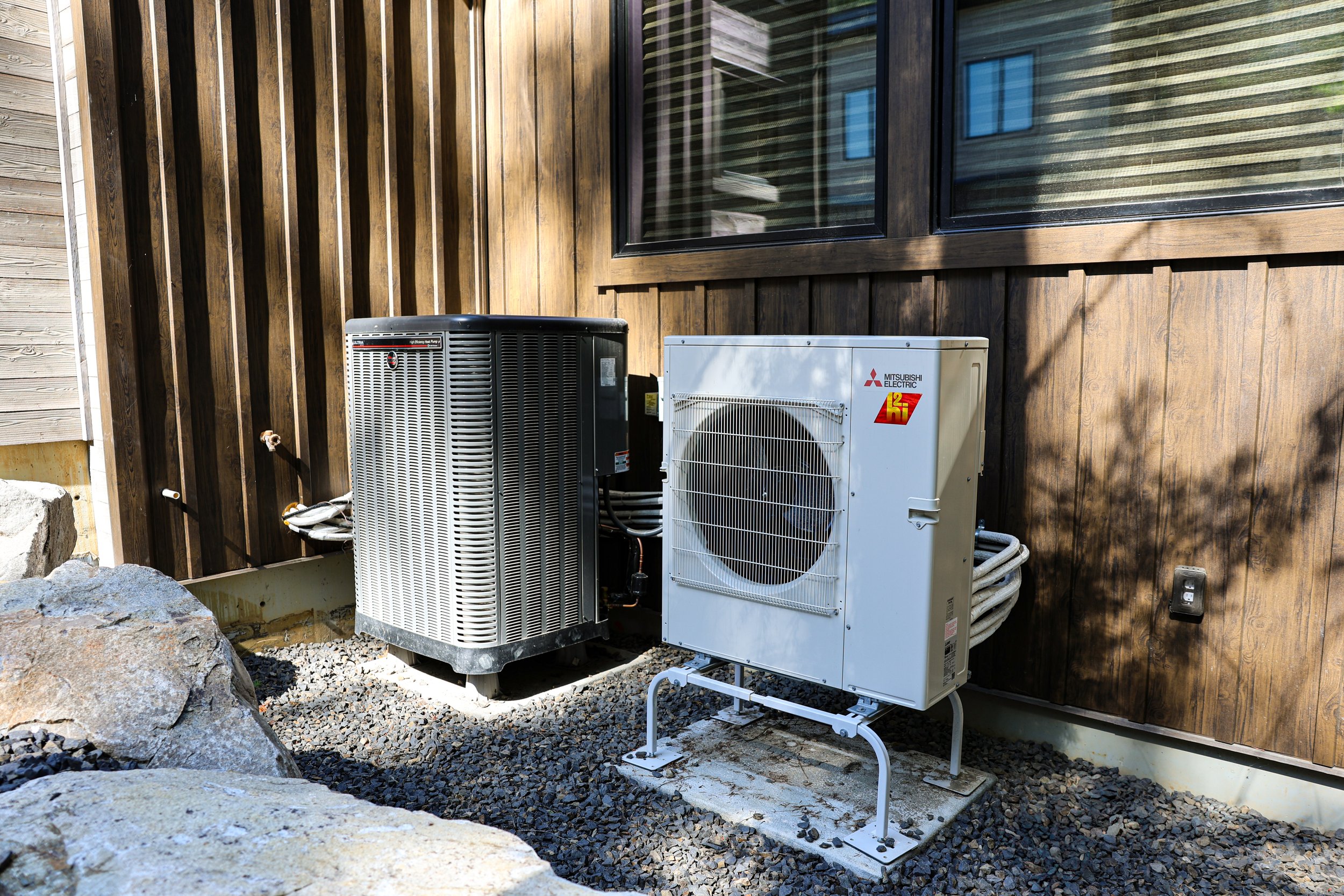
Find the data plate on your HVAC unit, usually on the side or back panel. Write down the model and serial numbers. This information allows the technician to order the correct parts beforehand if a repair is needed, avoiding a second visit.
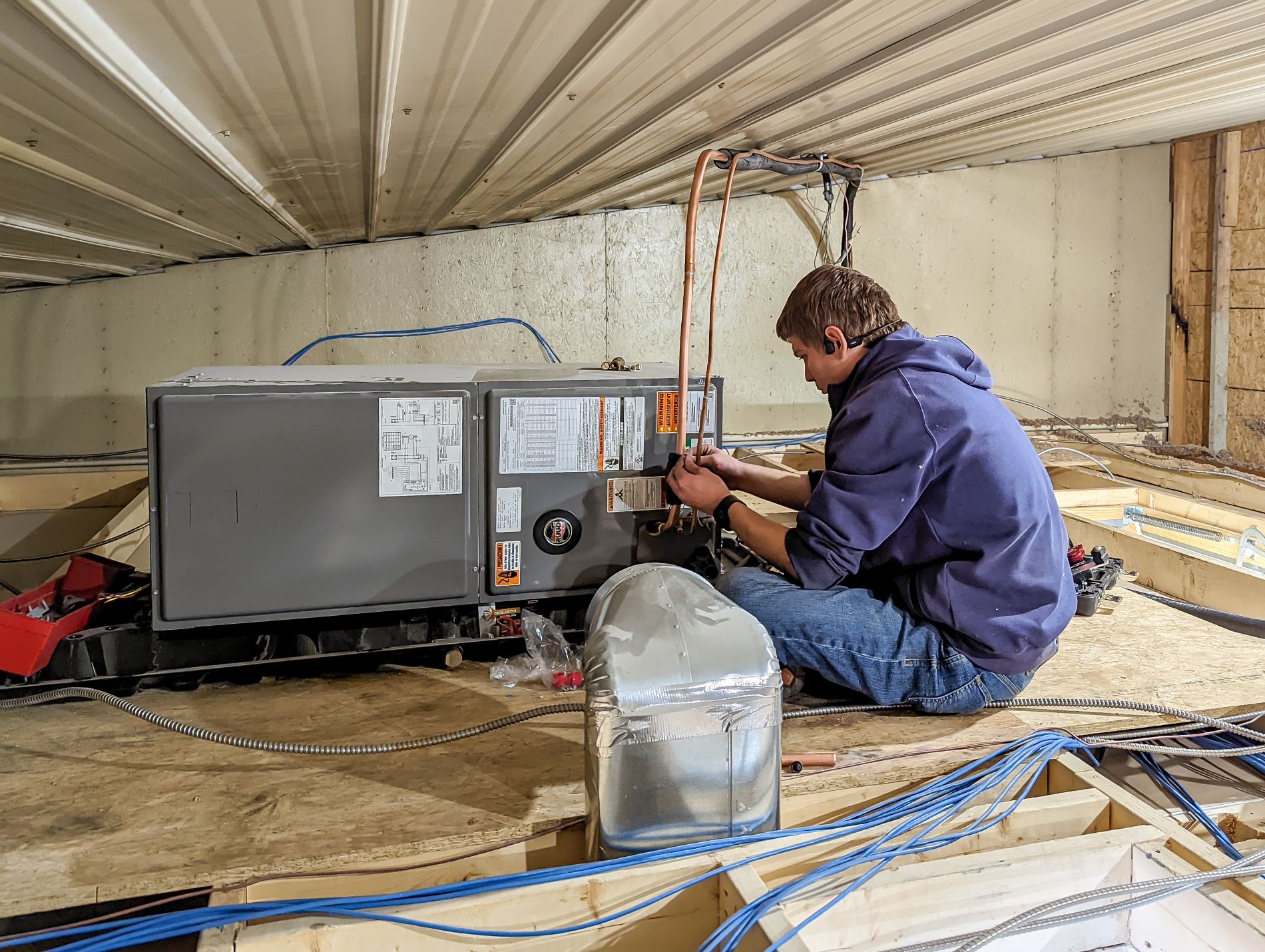
Verify the thermostat is set to the correct mode (heat or cool) and has fresh batteries. Check your electrical panel to ensure the breaker for the HVAC system hasn’t tripped. Note any error codes displayed on the thermostat or the unit itself.
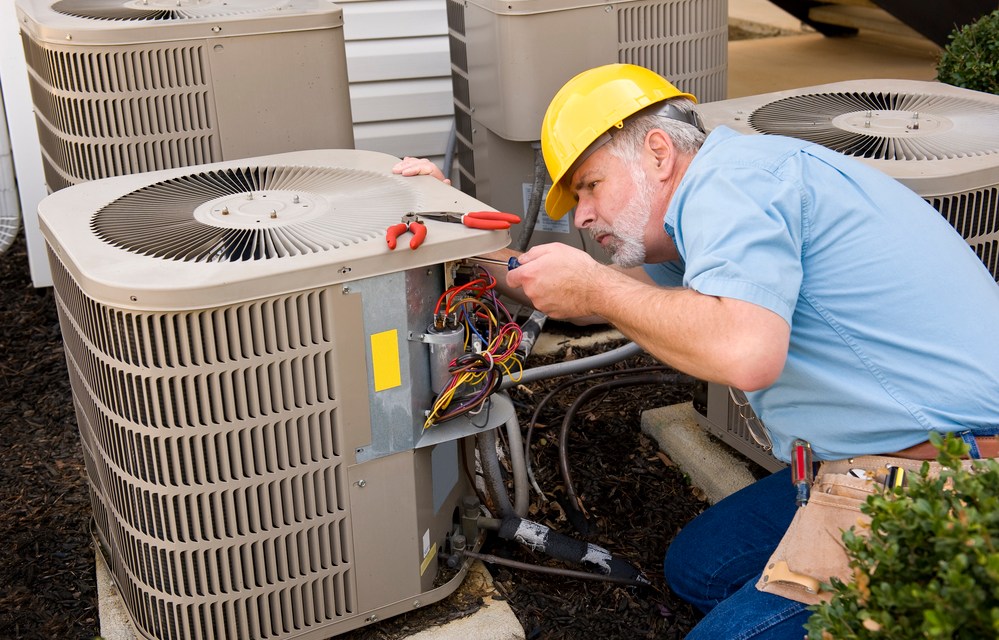
Write down when the issue started, what noises you hear (rattling, grinding, or clicking), and if the system blows warm or cool air. Specific details help the technician bring the right tools and parts, streamlining the repair or replacement assessment.
Once you have gathered this information, you are ready for the technician’s assessment. Use the data collected to discuss whether a repair makes sense or if it is time to consider a new installation. The following calculator can help you estimate the costs for both options based on your specific situation.
Frequently asked questions about HVAC costs
Understanding the financial difference between repairing and replacing your system helps you avoid unnecessary expenses. Use the calculator above to estimate your specific situation based on unit age and local energy rates.
How much does HVAC repair cost?
Minor repairs, such as replacing a capacitor or cleaning coils, typically range from $150 to $400. Major repairs involving the compressor or heat exchanger can exceed $1,000, often nearing the cost of a new installation. If the repair cost is more than 50% of a new unit’s price, replacement is usually the smarter financial choice.
When should I replace my HVAC system?
Industry standards suggest replacing a unit when it is over 10–15 years old. Older systems lose efficiency, leading to higher monthly energy bills. If your system requires frequent repairs or uses outdated refrigerant like R-22, replacement offers immediate savings and reliability.
How long do HVAC repairs last?
Most repairs provide immediate relief but do not extend the system's overall lifespan significantly. If your unit is near the end of its service life, a new part might only buy you a year or two. For older systems, investing in a new, energy-efficient model often provides better long-term value than repeated fixes.
No comments yet. Be the first to share your thoughts!