

HVAC apprenticeship budget
An HVAC apprenticeship is a paid training model, but you still need a financial runway. Most programs are registered with the U.S. Department of Labor and pay you while you learn, typically starting at 40–50% of a journeyman’s wage. This structure means your primary budget item isn’t tuition, but rather the gear and tools required to perform the job safely.
Essential Starter Gear
Before you start your first day, you need a professional toolkit. Employers often provide large compressors and vacuums, but you are responsible for your hand tools. A basic set includes a quality multimeter, tubing cutter, propane torch, and a comprehensive screwdriver set. Buying durable tools now prevents costly replacements later.


As an Amazon Associate, we may earn from qualifying purchases.
Hidden Costs to Plan For
Beyond tools, budget for certification exams and background checks. Many apprenticeships require a pre-employment drug screen and a clean criminal record. You may also need to purchase specific safety gear like respirators or insulated gloves, depending on your employer’s policy. These upfront costs usually range from $200 to $500.
Age and financial choices that change the plan
Is 27 too old to get into HVAC? No. Many technicians start in their late twenties or thirties. The tradeoff is that you may have less disposable income during the first two years compared to a traditional career path. However, the long-term earning potential often offsets this initial period of lower wages. Plan your budget to cover living expenses for at least six months of apprenticeship pay.
Compare HVAC Apprenticeship Programs
Choosing the right apprenticeship depends on whether you want to specialize in commercial systems or gain broad residential experience. The landscape includes union-sponsored tracks, manufacturer-specific programs, and independent contractor models. Each path offers different training structures, wage progression, and job placement networks.
The following comparison highlights the primary apprenticeship models available. Use this table to evaluate which structure aligns with your career goals, whether that means rapid entry into the workforce or long-term specialization in complex commercial systems.
| Program Type | Typical Duration | Primary Sponsor | Training Focus |
|---|---|---|---|
| Joint Apprenticeship (UA/UA Local) | 3-4 years | United Association (Union) | Residential & Light Commercial |
| Trane TAP | 4 years | Trane Technologies | Commercial HVAC Systems |
| Independent Contractor | 2-5 years | Local HVAC Company | Varies by Company |
| Community College Track | 2 years | Public College | Theory & Certification Prep |
Union programs, such as those sponsored by the United Association, typically offer the most structured wage progression and comprehensive benefits. They are ideal for candidates seeking stability and a clear path to journeyman status. Manufacturer programs like Trane TAP provide deep technical expertise in specific equipment but may limit your initial job pool to partners of that brand. Independent apprenticeships offer flexibility and immediate hands-on work but often lack the standardized curriculum of union or school-based programs.
Inspect the expensive parts
HVAC systems are complex machines where a single failed component can cost thousands to replace. For apprentices, learning to identify these high-risk failure points early is the difference between a quick fix and a major liability. This checklist focuses on the most expensive components to replace, ensuring you know what to look for before a small issue becomes a catastrophic repair.
The compressor is the heart of the system and often the most expensive part to replace. Listen for unusual knocking or grinding noises that indicate internal wear. Check for excessive heat on the compressor housing, which can signal overheating and imminent failure. A failing compressor often leads to a complete system shutdown, so early detection is critical.
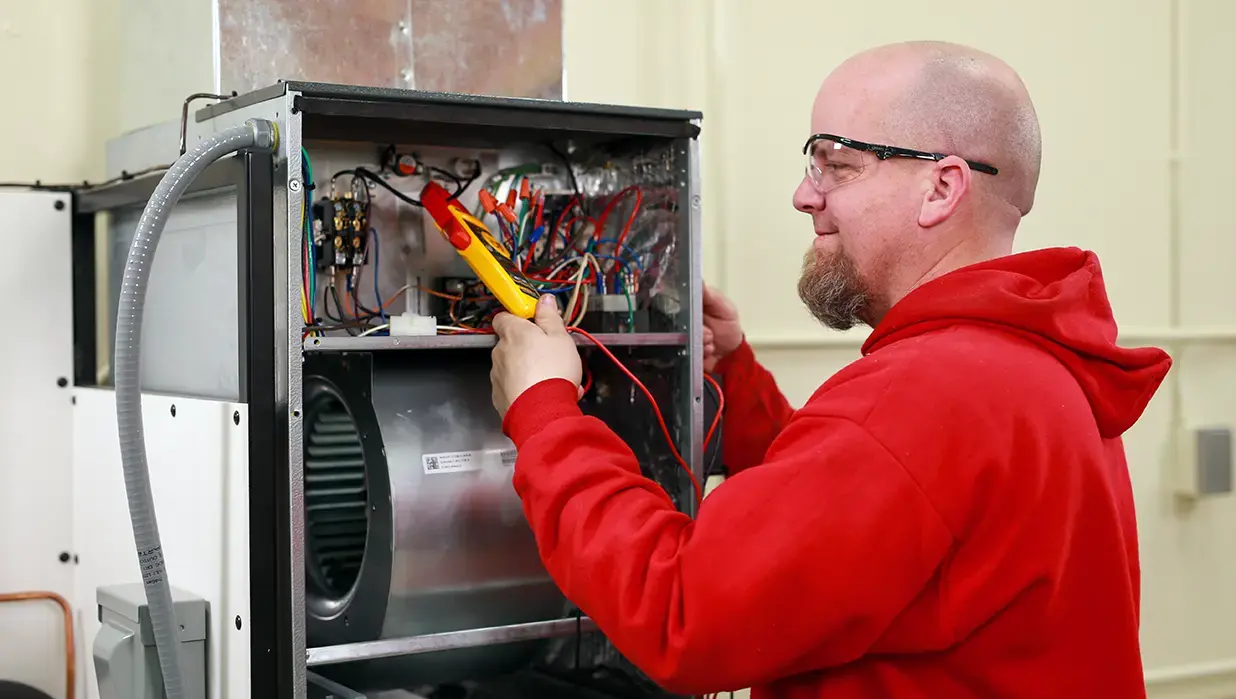
Refrigerant is expensive and tightly regulated. Use electronic leak detectors or soap solution to check all connections, valves, and the evaporator coil. A slow leak reduces efficiency and can damage the compressor over time. Document the location of any leaks found, as frequent recharging is a sign of a deeper issue that needs professional repair.
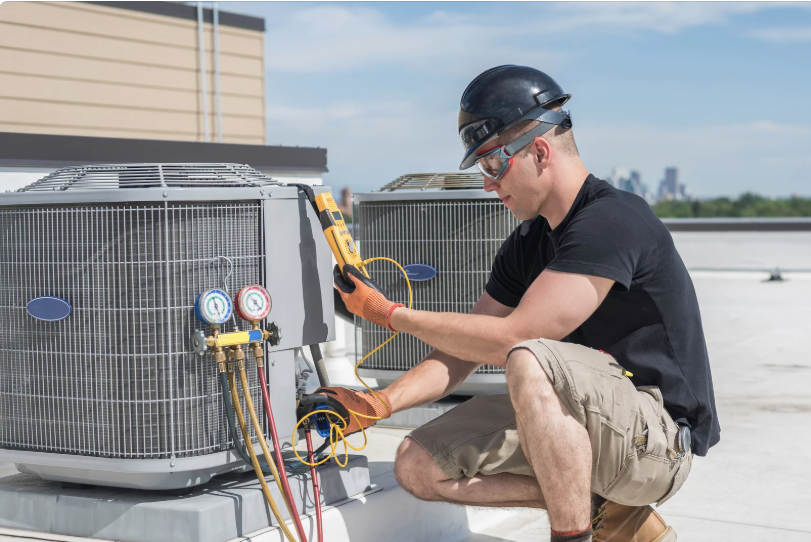
The outdoor condenser coil is exposed to the elements and prone to dirt buildup. Inspect the fins for bending or debris that restricts airflow. Clean coils improve efficiency and reduce strain on the compressor. Look for signs of corrosion or physical damage that could lead to refrigerant leaks. Straighten bent fins carefully with a fin comb to restore airflow.
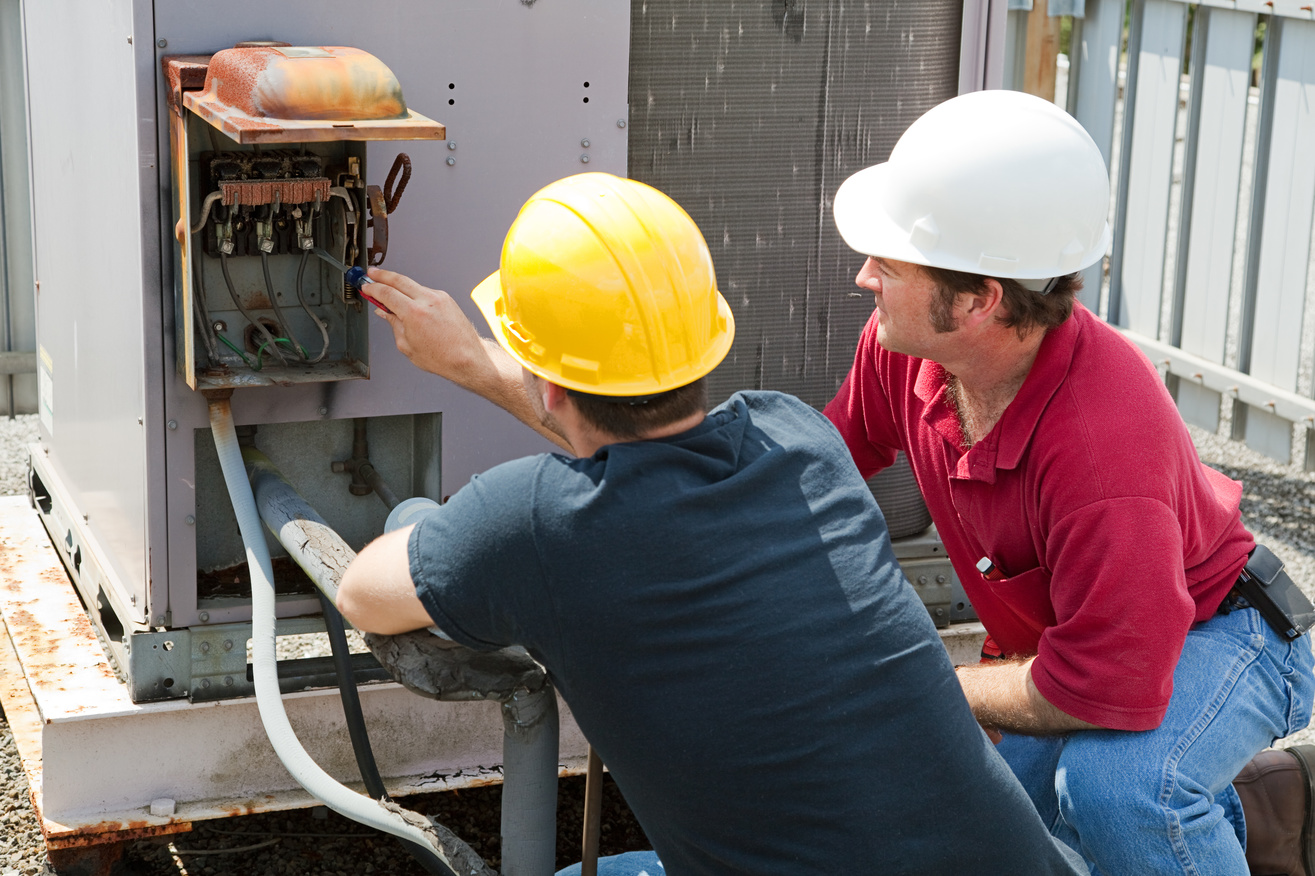
Loose or corroded electrical connections cause voltage drops and component failures. Check all terminals, contactors, and relays for signs of arcing or burning. Tighten any loose connections and replace any components with visible damage. Poor electrical connections are a common cause of premature compressor and fan motor failure.

An inaccurate thermostat can cause the system to run excessively, wasting energy and wearing out components. Verify the thermostat reads accurately compared to a separate thermometer. Check for proper placement away from direct sunlight or drafts. Calibrate or replace old thermostats to ensure the system cycles correctly and maintains consistent temperatures.


As an Amazon Associate, we may earn from qualifying purchases.
Mastering these inspections protects both the client's investment and your reputation. These five areas represent the most common and costly failures in residential and light commercial HVAC systems.
Plan for ownership costs
The sticker price of HVAC tools is only the first expense. Like buying a car, the real cost comes from maintenance, replacement parts, and the inevitable surprise repairs when you skip on quality. A cheap buy stops being cheap the moment it breaks mid-job, costing you time, labor, and reputation.
Invest in durable core tools that handle daily abuse. Cheaper alternatives often fail under pressure, leading to higher long-term costs. Focus on items you use every day, like quality multimeters and pipe wrenches, rather than niche gadgets that sit idle.


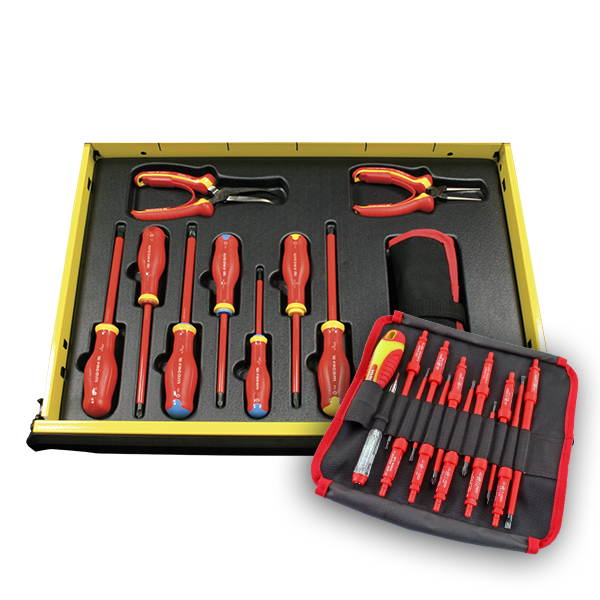
As an Amazon Associate, we may earn from qualifying purchases.
Factor in the cost of consumables and safety gear. Gloves, safety glasses, and replacement probes add up quickly. Budgeting for these small items prevents unexpected expenses and ensures you stay compliant with safety standards. Quality gear protects your hands and eyes, which are your most valuable assets in this trade.
Hvac apprenticeship: what to check next
Most people considering this trade have the same practical concerns before signing up. Below are direct answers to the most common questions about starting an HVAC apprenticeship, based on current industry standards and program requirements.
No comments yet. Be the first to share your thoughts!