
HVAC Apprenticeship Budget
Starting an HVAC apprenticeship is a calculated financial tradeoff, not a simple purchase. You are trading time for credentials and hands-on experience. The primary cost is not tuition—many union and non-union programs offer paid training—but rather the tools and certifications required to work safely.
Tool Investment
You cannot build a career without reliable gear. While some employers provide basic kits, you will eventually need to own high-quality diagnostic and hand tools. Budget for a foundational set that includes a quality multimeter, refrigerant gauge set, vacuum pump, and core hand tools. This initial investment typically ranges from $500 to $1,500 depending on brand and quality.


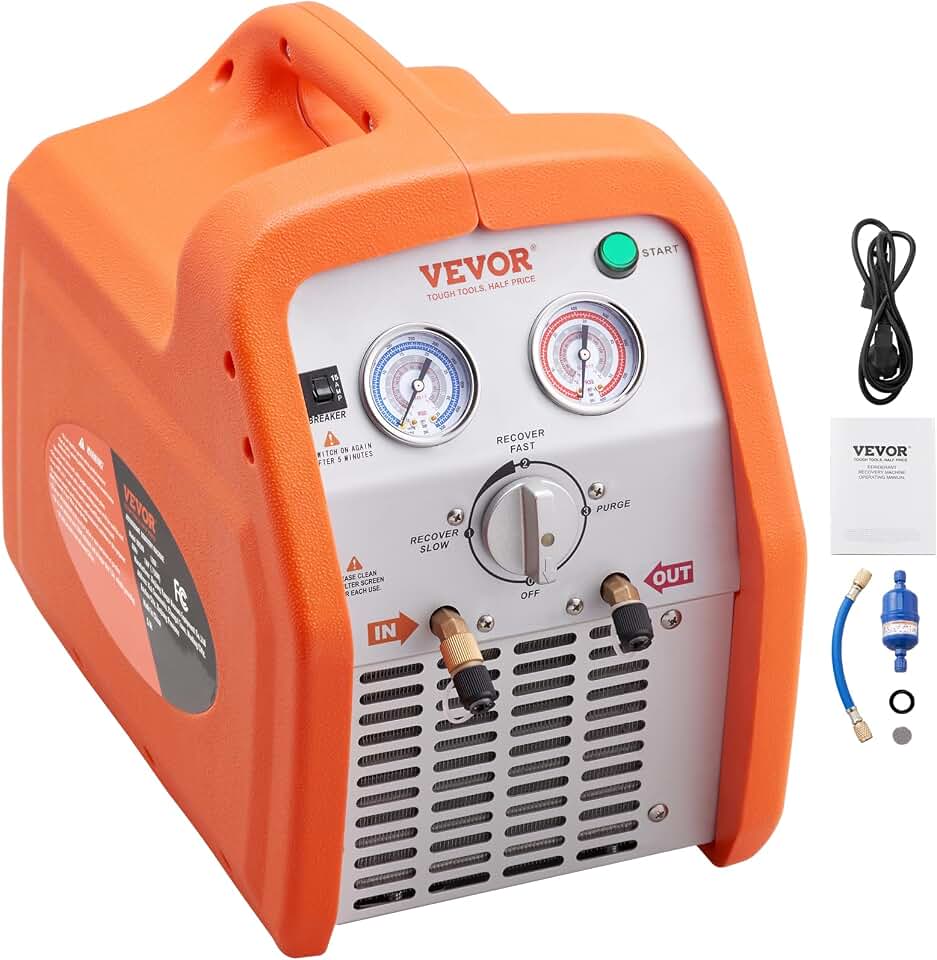
As an Amazon Associate, we may earn from qualifying purchases.
Certification and Licensing Costs
Beyond tools, budget for EPA Section 608 certification, which is mandatory for handling refrigerants. Exam fees typically range from $100 to $200. Additional costs may include OSHA safety training cards and local licensing exams, which vary by municipality. These are one-time or infrequent expenses that add credibility to your resume.
Earnings Reality
Apprenticeship programs are paid positions, but wages start modestly. According to the Bureau of Labor Statistics, the average salary for an HVAC Apprentice in Chicago, IL is $51,680 per year. This figure varies significantly by region and union membership. As you progress through your apprenticeship years, your wage increases in step with your skill level, eventually leading to journeyman status and higher earning potential.
Shortlist real options
Is It Time for an HVAC Apprenticeship? Top Career Trends in Residential HVAC troubleshooting should start with a clear boundary: what is actually broken, and what still works normally. Check the display, network connection, paired devices, app access, and recent updates before assuming the whole system needs a reset. A small connection failure can make the main screen feel unreliable even when the core system is fine. Work from low-risk checks to deeper resets. Confirm power state, safe parking, account access, and signal first. Then restart the interface, wait for it to reload completely, and test the original symptom. Avoid changing multiple settings at once because that makes it harder to know which step actually fixed the problem. If the issue affects safety information, repeats after every restart, or appears with warning messages, treat the reset as a temporary diagnostic step rather than the final fix. Document the symptom and move to official support instead of stacking more DIY attempts.
| Factor | What to check | Why it matters |
|---|---|---|
| Fit | Match the option to the primary use case. | A good deal still fails if it does not fit the job. |
| Condition | Verify age, wear, and service history. | Hidden condition issues erase upfront savings. |
| Cost | Compare purchase price with likely upkeep. | The cheapest option is not always the lowest-cost option. |
Inspect the expensive parts
An apprenticeship is your first chance to see what actually breaks. Residential systems fail in predictable ways, and the repair bills for those failures are steep. Learning to spot these expensive failure points early separates a technician who charges for labor from one who charges for parts replacements.
Start by examining the heat exchanger. Cracks here allow carbon monoxide to leak into your home. If a system is over a decade old, look for rust or discoloration around the burner assembly. A hairline fracture is expensive to fix and dangerous to ignore.
Next, check the compressor and condenser fan motor. These components drive the cooling cycle. Listen for grinding noises or see if the fan shrouds are cracked. A failed compressor often means a full system replacement rather than a simple repair. Knowing when to replace versus repair is a core apprenticeship skill.
Finally, inspect the control board and capacitors. These are the electrical brain and muscles of the unit. Look for bulging capacitors or burnt marks on the board. These parts fail frequently but are cheap to replace. Mastering this diagnosis teaches you where to focus your wrench and where to call for a full unit swap.
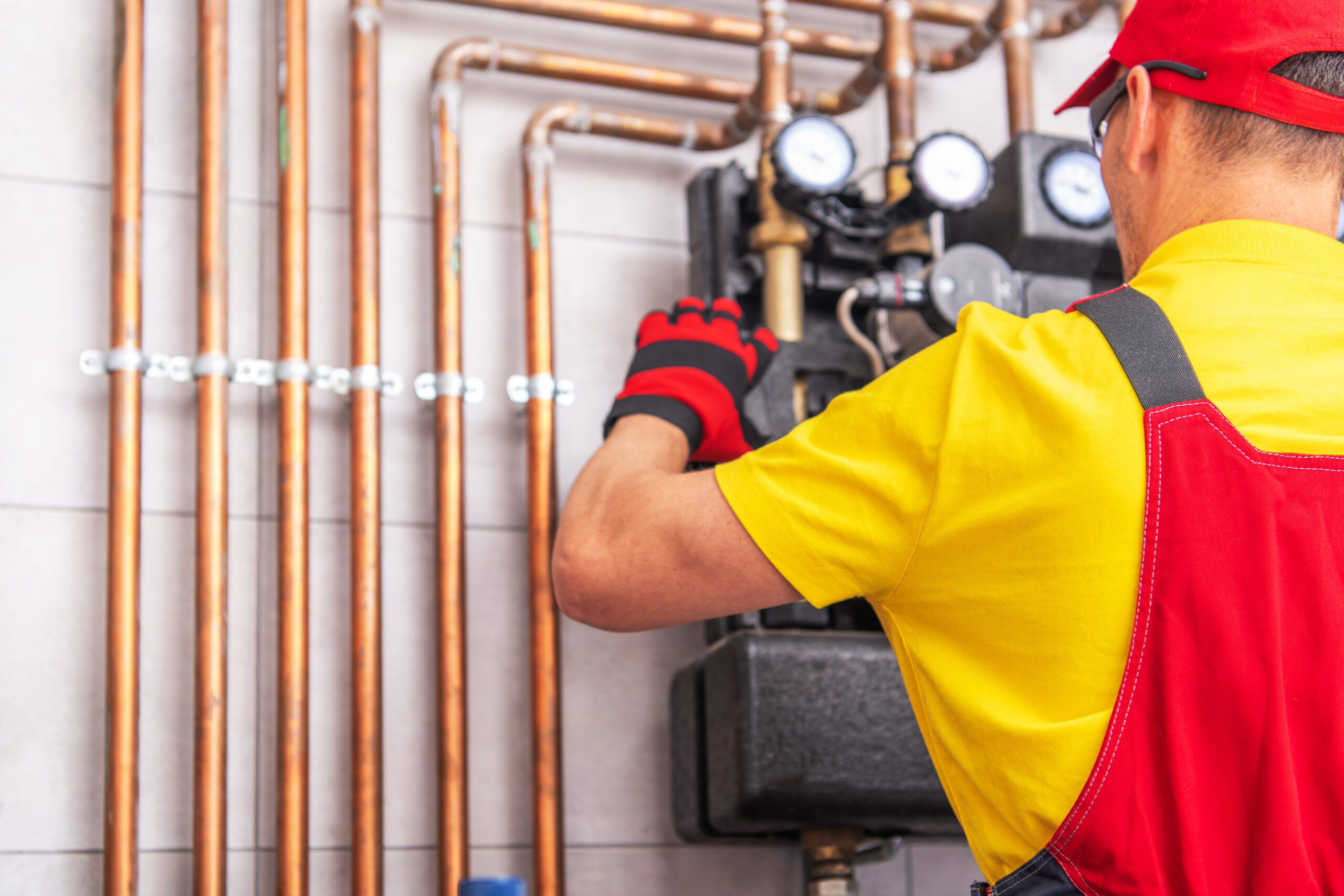
Look for rust, discoloration, or cracks around the burner assembly. A damaged heat exchanger is a safety hazard that often requires full system replacement rather than repair.
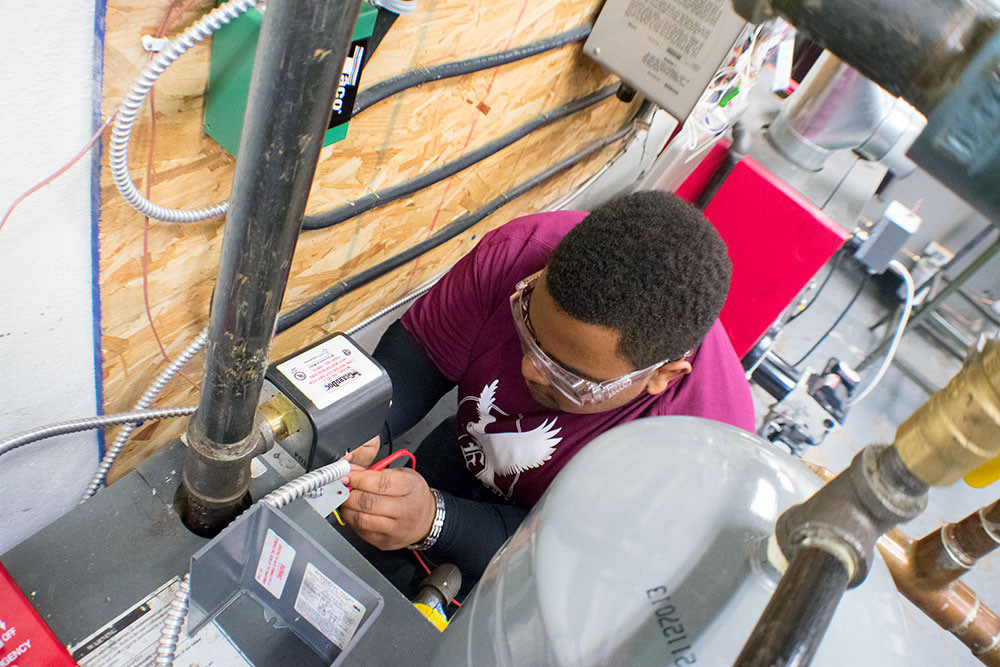
Listen for grinding noises or check for cracked fan shrouds. A failed compressor usually signals the end of the unit's life, making early detection critical for accurate customer advice.
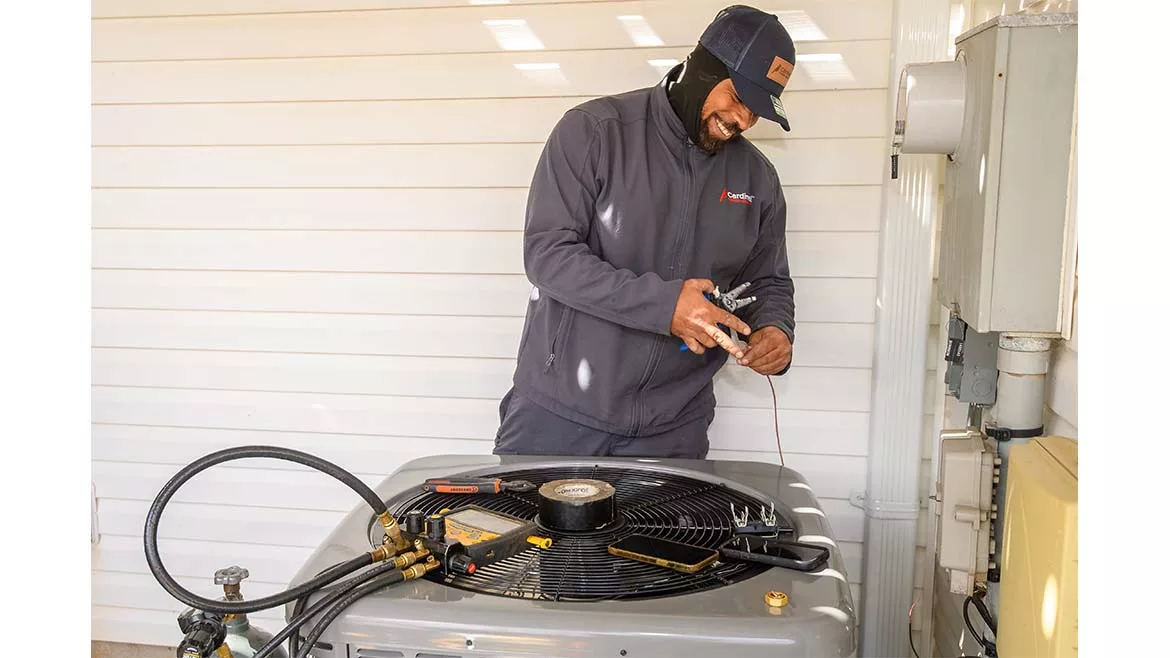
Look for bulging capacitors or burnt marks on the board. These are common failure points that are relatively inexpensive to replace, teaching you the tradeoff between part cost and labor time.


As an Amazon Associate, we may earn from qualifying purchases.
Ownership Costs and Maintenance Surprises
An HVAC apprenticeship is an investment in your future, but it also requires an upfront investment in yourself. Before signing up, you need to account for the direct costs of training and the hidden expenses that often catch new students off guard. This section breaks down what to expect so you can budget realistically.
Tuition and Certification Fees
Most apprenticeship programs, such as those offered by trade schools or union-sponsored initiatives, have tuition fees. While some programs are subsidized by employers or unions, others require you to cover the cost of coursework. In addition to tuition, budget for certification exams (like EPA 608) and background checks, which are standard requirements before you can touch a system.
Tools and Safety Gear
You will need your own basic tool kit from day one. Unlike many corporate jobs where tools are provided, HVAC technicians are expected to supply their own hand tools, multimeters, and safety gear. This initial setup can cost several hundred dollars. As you advance, you will need to invest in more specialized equipment, which adds to the long-term ownership cost of your career.
The "Cheap Buy" Trap
Many new technicians start by buying the cheapest tools they can find online. This is a false economy. Cheap multimeters fail to read accurately, leading to misdiagnoses. Cheap screwdrivers strip screws, damaging customer units. Over time, the cost of rework, callbacks, and frustrated customers far exceeds the savings on the initial tool purchase. Invest in durable, reputable brands for your core tools; they pay for themselves in efficiency and professionalism.


As an Amazon Associate, we may earn from qualifying purchases.
Maintenance and Upkeep
Tools wear out. Blades dull, batteries die, and casings crack. Factor in an annual "tool tax" of roughly 10-15% of your initial investment for replacements and repairs. This is the maintenance cost of your trade. Ignoring it leads to tool failure at the worst possible moment—usually in a customer’s home during a heatwave or freeze.
When a Cheap Buy Stops Being Cheap
If a tool breaks down mid-job, you lose billable hours. You also risk damaging the equipment you’re servicing, which can lead to costly liability. The most expensive tool is the one that isn’t there when you need it. Prioritize reliability over price for critical diagnostic and safety equipment.
Hvac apprenticeship: what to check next
Before committing to a trade, it helps to clear up the practical details. An HVAC apprenticeship is widely considered worth it because it combines paid training with hands-on experience, avoiding the debt often associated with traditional college degrees. You earn while you learn, gaining the specific skills employers need for installation, repair, and maintenance.
The timeline varies by program and state requirements, but most apprenticeships take between three and five years to complete. During this time, you will typically log thousands of hours on the job alongside experienced technicians while completing classroom instruction. This structure ensures you are fully licensed and ready to work independently by the end of the program.
Age is rarely a barrier to entry. Starting at 27 is not too late; many enter the trade as career changers and bring valuable maturity and problem-solving skills to the field. The industry values reliability and technical aptitude, making it a viable path for adults seeking stable, high-demand employment.
Compensation depends on location and experience level. In major markets like Chicago, apprentices can expect competitive starting wages that increase as they progress. According to Bureau of Labor Statistics data, the average salary for an HVAC Apprentice in Chicago, IL is approximately $51,680 per year, with potential for significant growth as you become a journeyman.
No comments yet. Be the first to share your thoughts!