

Narrow down the problem
Before calling for service, identify the specific symptom. HVAC maintenance starts with accurate diagnosis. You can save money by distinguishing between a dirty filter and a failing compressor.
Weak airflow
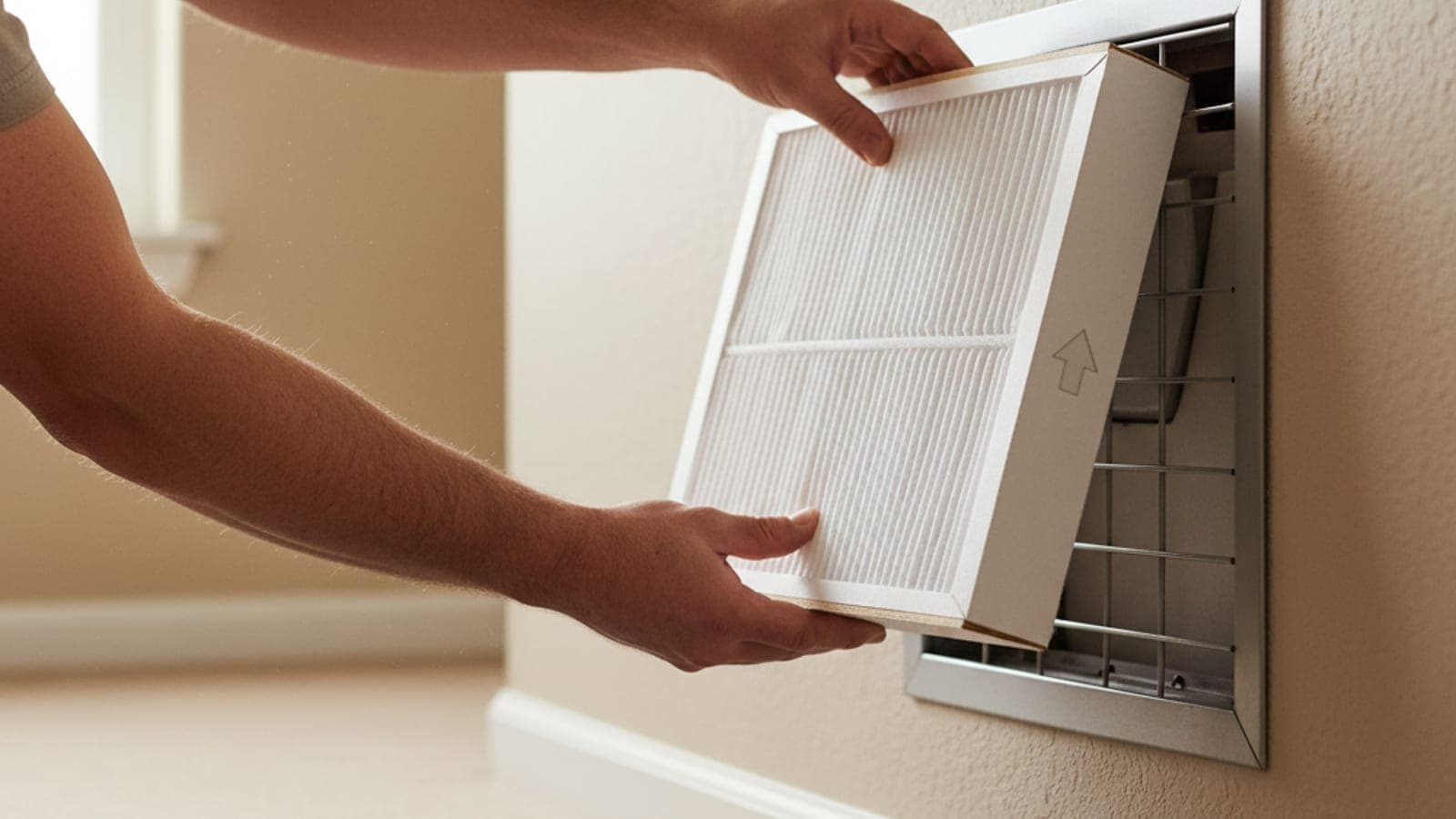
Check the filter first. A clogged filter starves the system. Replace it if it looks gray. If airflow remains weak, inspect the vents. Furniture or debris can block supply registers.
Warm air from vents
Verify the thermostat setting. It must be set to "Cool," not "Heat." If the setting is correct, check the circuit breaker. A tripped breaker stops the outdoor unit. Reset it if necessary.
Strange noises
Grinding sounds often indicate motor issues. Squealing usually points to belt problems. Banging may mean loose components inside the unit. Turn the system off immediately to prevent further damage.
Water leaks
Indoor units often leak due to clogged condensate lines. Pour a cup of vinegar down the access pipe to clear algae. Outdoor units should not leak water; this may indicate a refrigerant issue.
Run these checks
HVAC maintenance issues are easier to solve when you separate the symptom from the device itself. Write down what still works, what stopped responding, and whether the problem appears after startup, after a software update, or only after pairing a phone. Do the first pass while the system is powered normally. If only one app is frozen, close that path before treating the whole system as broken. If core controls, driver information, warning lights, or safety features are involved, stop treating it as a cosmetic infotainment issue and move to the official support path. This distinction keeps the reset from becoming a ritual. The goal is not to reboot repeatedly; it is to prove whether the fault is temporary software lag, a connection problem, outdated firmware, accessory interference, or something that needs service documentation.
-
Park and note the symptomPut the system in a safe idle state, then write down whether HVAC Maintenance checklist is frozen, blank, slow, disconnected, or only failing in one app.
-
Try the normal restart firstUse the standard screen or interface restart before changing settings, deleting profiles, or disconnecting accessories.
-
Retest one feature at a timeCheck touch response, audio, navigation, phone pairing, Wi-Fi, and app access separately so the failing path is clear.
-
Escalate repeated failuresContact official support when the screen stays black, warnings appear, or the same issue returns after a clean restart.
What usually fixes it
Most AC breakdowns stem from three culprits: clogged filters, dirty coils, or electrical wear. Identifying the symptom points directly to the repair. Below are the standard fixes for common failures, ordered by frequency and impact.
1. Replace or clean the air filter
A dirty filter is the number one cause of reduced airflow and frozen evaporator coils. If your system is blowing weak air or the indoor coil is iced over, swap the filter immediately. Use a MERV 8-11 pleated filter; avoid cheap fiberglass ones that offer little protection. Change it every 30-90 days depending on pets and dust levels.
2. Clean the condenser coils
Outdoor units accumulate leaves, grass clippings, and dust, which insulate the coil and force the compressor to work harder. Turn off power at the disconnect box. Remove debris from around the unit, then gently rinse the fins with a garden hose (never a pressure washer). If the coils are heavily soiled, apply a no-rinse coil cleaner and let it sit for 10 minutes before rinsing.
3. Straighten bent fan fins
The thin aluminum fins on the condenser coil can bend from lawn mower strikes or debris impact. Bent fins restrict airflow, causing high pressure and overheating. Use a fin comb to gently straighten them back into alignment. This is a quick fix that can restore significant efficiency without professional service.
4. Tighten electrical connections
Vibration from the compressor loosens electrical connections over time. Loose connections cause arcing, which burns contacts and leads to component failure. A technician will check contactors and relays for pitting and tighten all wire terminals. Warning: Do not attempt this yourself unless you are qualified. High voltage is present.
5. Check refrigerant levels
Low refrigerant (Freon) indicates a leak, not a simple "top-off" need. If your AC blows warm air and the line set is frosted, a leak exists. A professional must locate the leak, repair it, and evacuate the system before recharging. Adding refrigerant without fixing the leak is a waste of money and harms the environment.
Hvac maintenance: what to check next
Before booking a service call or starting your own annual tune-up, it helps to understand what’s actually involved and when it’s time to replace the unit. Here are the most common questions homeowners ask about HVAC maintenance.

No comments yet. Be the first to share your thoughts!