

Why annual HVAC maintenance matters
Skipping annual HVAC maintenance is like driving a car without changing the oil: the system runs until it breaks, and the repair bill is far higher than the preventive cost. Routine care keeps your air conditioning system efficient, extends its lifespan, and prevents the small issues that turn into emergency AC repairs.
HVAC systems with regular maintenance use 15-20% less energy than neglected ones. This efficiency gain isn't just about lower utility bills; it reduces wear on critical components like the compressor and fan motor, which are the most expensive parts to replace. By catching minor issues early, you avoid the sudden failure that leaves you without cooling during peak summer heat.
Annual service also ensures your warranty remains valid. Many manufacturers require proof of regular professional maintenance to honor coverage. Without it, a costly breakdown could fall entirely on your shoulders.
DIY HVAC maintenance steps you can do now
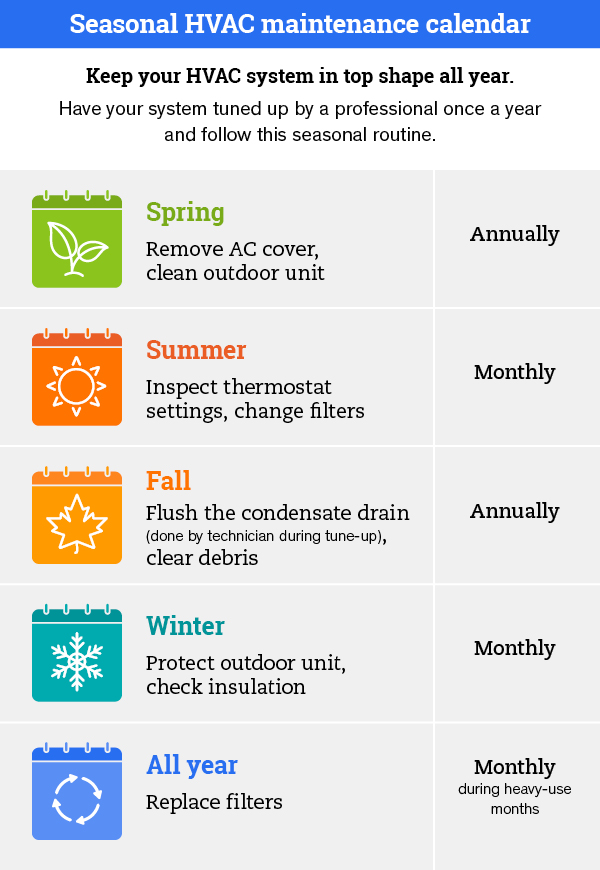
Preventing costly air conditioning repair starts with simple, routine upkeep. You don't need a professional license to keep your system running efficiently; you just need to follow a consistent schedule. By handling basic maintenance tasks yourself, you reduce strain on your compressor and extend the lifespan of your unit.
The following steps outline the most impactful DIY actions you can take today. Each task addresses a common failure point that leads to expensive service calls later.
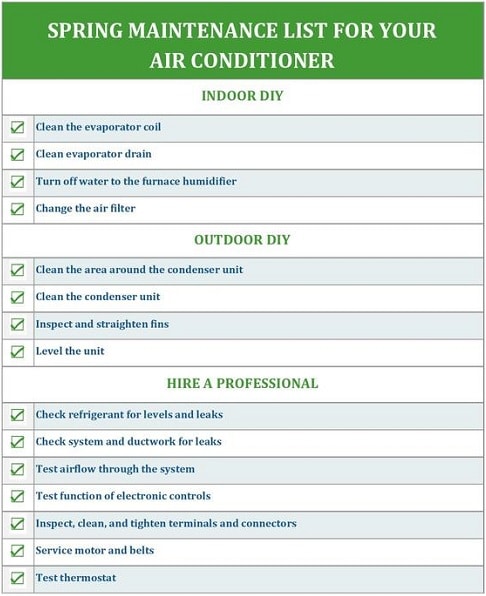
The air filter is the first line of defense for your HVAC system. A clogged filter restricts airflow, forcing your fan motor to work harder and potentially freezing the evaporator coil. Check your filter monthly during peak summer and winter months. If it looks gray or dusty, replace it immediately. Use a MERV 8-11 rating for most residential systems; higher ratings can sometimes restrict airflow too much for standard units.
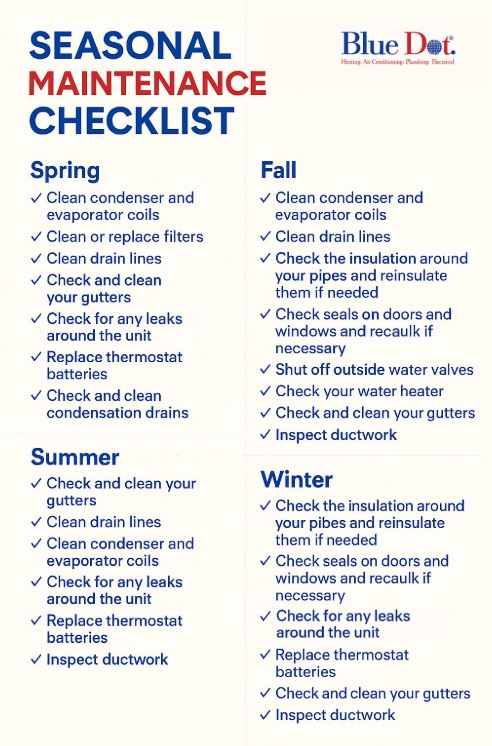
Your outdoor condenser unit needs to breathe. Leaves, grass clippings, and weeds can block the fins, causing the system to overheat. Keep a two-foot radius around the unit clear of vegetation. Gently remove any large debris by hand, then use a garden hose to spray the fins from the inside out. Never use a pressure washer, as the high pressure can bend the delicate aluminum fins and damage the coil.
Over time, the thin metal fins on your condenser coil can bend due to wind debris or accidental bumps. These bent fins restrict airflow across the coil, reducing cooling efficiency. Use a fin comb tool to gently straighten them. This is a low-cost tool available at most hardware stores and takes only a few minutes to complete. Straight fins allow air to pass through freely, helping your AC cool your home more effectively.
A clogged condensate drain line is a leading cause of water damage and system shutdowns. Locate the PVC pipe near your indoor air handler and check for standing water or algae buildup. Pour a cup of distilled white vinegar down the drain line once a season to kill algae and prevent clogs. If water backs up into the pan, use a wet/dry vacuum to clear the blockage immediately.
Ensure your thermostat is calibrated correctly and set to the right mode. For cooling, it should be in "Cool" mode, not "Auto." If you have a smart thermostat, check for firmware updates and review energy reports to identify usage spikes. For standard thermostats, ensure the batteries are fresh and the unit is level. A misaligned or dirty thermostat can cause your AC to cycle on and off too frequently, wasting energy.
When to call a professional for HVAC services
Knowing where to draw the line between DIY maintenance and professional intervention is the most effective way to protect your air conditioning system and your warranty. Many homeowners attempt to fix complex mechanical failures themselves, only to void manufacturer warranties or cause safety hazards. Licensed technicians bring specialized tools and legal authority to handle refrigerants, electrical components, and gas lines.
You can safely handle routine tasks like cleaning condenser coils, replacing air filters, and clearing debris from around the outdoor unit. These actions keep the system running efficiently without requiring technical certification. However, when the issue involves internal mechanics or regulated substances, the risk of damage outweighs the cost savings of a DIY attempt.
DIY vs. Professional HVAC Tasks
The table below outlines the clear boundary between tasks you can perform and those requiring a certified HVAC technician. Attempting professional tasks without proper licensing can lead to costly repairs and safety violations.
| Task | Difficulty | Who Should Do It | Risk Level |
|---|---|---|---|
| Clean condenser coils | Easy | Homeowner | Low |
| Replace air filters | Easy | Homeowner | Low |
| Clear debris from unit | Easy | Homeowner | Low |
| Refrigerant recharge | Hard | Licensed Technician | High |
| Electrical component repair | Hard | Licensed Technician | High |
| Gas furnace inspection | Hard | Licensed Technician | High |
Safety and Warranty Compliance
Refrigerant handling is strictly regulated by the EPA. Only technicians with Section 608 certification can legally purchase and handle refrigerants like R-410A or R-32. Attempting to recharge your AC system yourself is not only illegal but also dangerous, as improper handling can lead to system failure or personal injury.
Similarly, electrical work inside the HVAC unit involves high-voltage components that pose a severe shock hazard. Most manufacturer warranties explicitly state that repairs performed by unlicensed individuals void the coverage. If your system is still under warranty, calling a professional is not just a recommendation—it is a contractual requirement to maintain your protection against costly failures.
HVAC maintenance tools and parts
You don't need a professional service van to keep your air conditioner running smoothly, but you do need the right gear. A well-stocked maintenance kit turns a daunting seasonal chore into a manageable weekend project. The difference between a successful DIY tune-up and a messy mistake often comes down to having the specific tools designed for HVAC work.
Start with the basics. A high-quality vacuum with a soft brush attachment removes the dust bunnies and debris that clog your condenser coils and fan blades. For the filters, keep a few MERV 8 or 11 replacements on hand; these are the most common sizes for residential units and are the easiest way to boost airflow immediately. If you're checking refrigerant levels, a manifold gauge set is essential for diagnosing low charge issues before they become compressor failures.
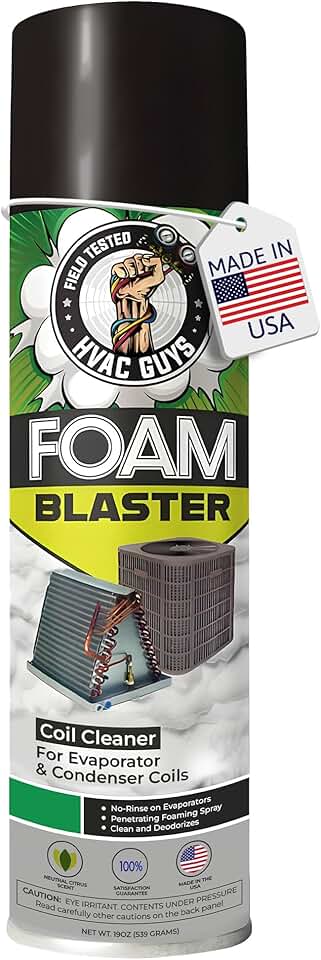
Cleaning is the other half of the equation. A coil cleaner foam or a non-acidic fin wash helps dissolve the grime that insulates your outdoor unit and reduces efficiency. Pair this with a fin comb to straighten any bent blades that restrict airflow. Having these specific items ready ensures you can complete every step of the maintenance checklist without running to the hardware store mid-project.


As an Amazon Associate, we may earn from qualifying purchases.
Common HVAC maintenance mistakes to avoid
Even a solid maintenance routine can fail if you overlook the basics. Small oversights, like ignoring clogged filters or blocking airflow, force your system to work harder, leading to premature wear and costly air conditioning repair down the line.
Ignoring the air filter
The air filter is the first line of defense for your HVAC system. When it becomes clogged with dust, pet hair, and debris, it restricts airflow. This forces the blower motor to work overtime, increasing energy consumption and straining the system. Most standard filters need replacement every 1-3 months, depending on usage and household factors like pets or allergies.
Blocking supply and return vents
Furniture, rugs, or curtains blocking your vents disrupts the balanced airflow designed by your HVAC technician. When supply vents are blocked, pressure builds up in the ducts, potentially causing leaks or damaging the heat exchanger. Similarly, obstructed return vents prevent the system from pulling in air efficiently, leading to uneven temperatures and increased wear on the compressor.
Delaying professional service
DIY maintenance is valuable, but it cannot replace annual professional inspections. Technicians check refrigerant levels, electrical connections, and motor bearings—tasks that require specialized tools and expertise. Skipping these check-ups allows minor issues, like a loose wire or low refrigerant, to escalate into major failures that are expensive to fix.
Frequently asked questions about HVAC maintenance
How often should I change HVAC filters?
Most manufacturers recommend replacing standard 1-inch filters every 30 to 90 days. Homes with pets, heavy dust, or allergies benefit from monthly changes. A clogged filter restricts airflow, forcing your compressor to work harder and raising energy bills by up to 15%.
How much does professional AC maintenance cost?
A one-time professional tune-up typically runs between $70 and $100. Many HVAC companies offer annual maintenance contracts that bundle two visits (spring and fall) for a discounted flat rate. This proactive approach often prevents costly emergency repairs during peak summer heat.
Is it safe to clean my own AC unit?
You can safely rinse the exterior condenser coils with a garden hose to remove debris, but avoid high-pressure washers that can bend the delicate fins. Never attempt to open the electrical panel or handle refrigerant lines yourself; these tasks require licensed professionals and specialized equipment.
How long should an HVAC system last?
With proper annual maintenance, a central air conditioner typically lasts 15 to 20 years. Neglecting filter changes and coil cleaning can shorten that lifespan significantly. Regular inspections help catch minor wear before it becomes a catastrophic failure.
No comments yet. Be the first to share your thoughts!