
Get HVAC maintenance right
HVAC maintenance is essential for system longevity, energy efficiency, and indoor air quality. Skipping routine checks leads to higher utility bills, unexpected breakdowns, and costly repairs. This guide covers the critical maintenance tasks homeowners should perform to keep their systems running smoothly.
Work through the steps
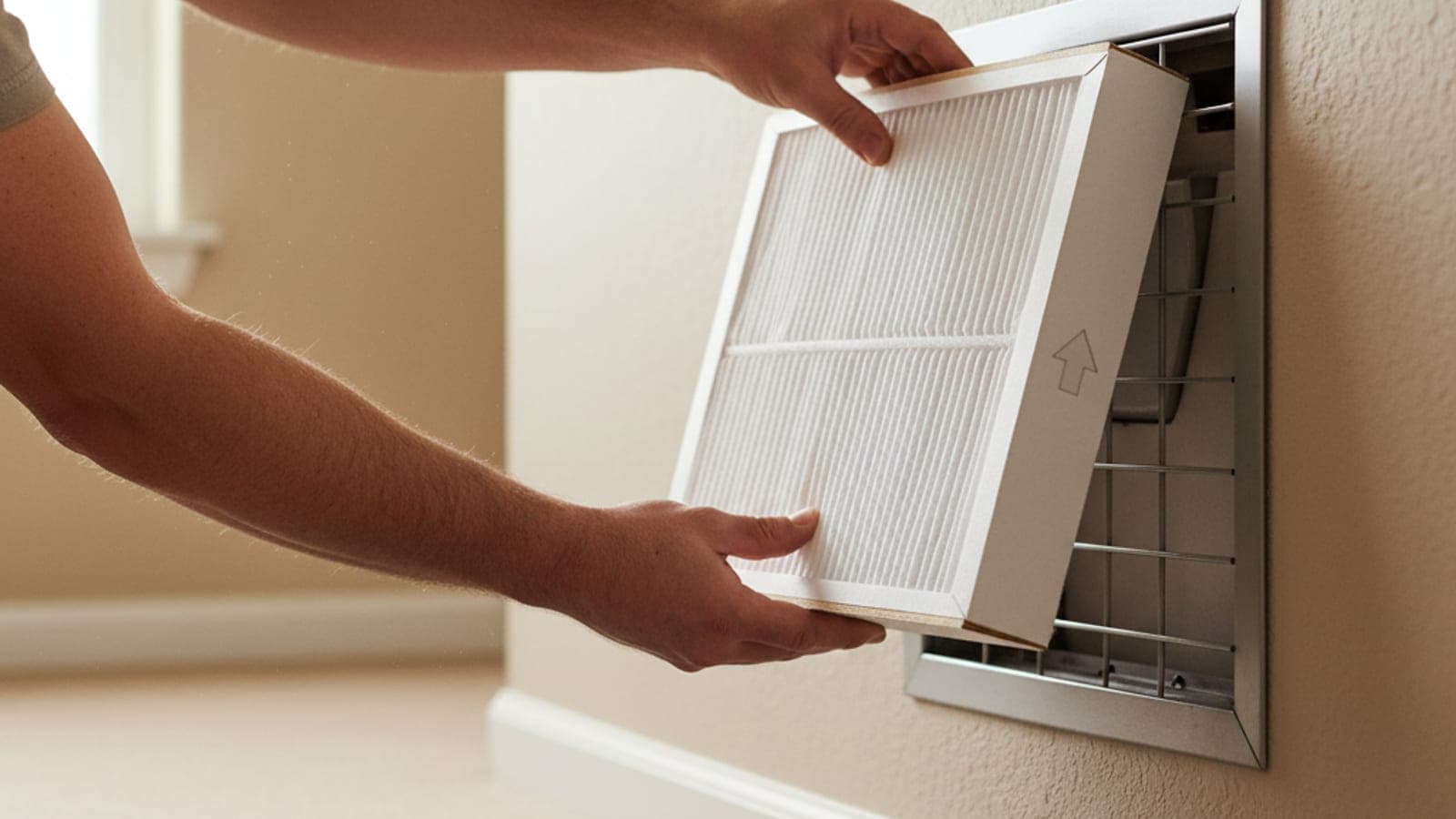
1. Replace or Clean Air Filters
The air filter is the first line of defense for your HVAC system. A clogged filter restricts airflow, forcing the fan and compressor to work harder. This increases energy consumption and can cause the evaporator coil to freeze.
- Frequency: Replace disposable filters every 1–3 months. Clean reusable filters monthly.
- Check: Hold the filter up to a light source. If you can’t see light through it, it’s time to change it.
- Tip: Note the MERV rating on your old filter and match it when buying replacements. Higher MERV ratings capture more particles but may restrict airflow if your system isn’t designed for them.
2. Clear Debris from the Outdoor Unit
The outdoor condenser unit needs proper airflow to dissipate heat. Debris like leaves, grass clippings, and dirt can block airflow and reduce efficiency.
- Clearance: Maintain at least 2 feet of clearance around the unit.
- Cleaning: Turn off power to the unit. Remove large debris by hand. Use a garden hose to gently spray the fins from the inside out to avoid bending them.
- Inspection: Check for any visible damage to the fins or the unit’s casing. Straighten any bent fins with a fin comb.
3. Inspect the Condensate Drain Line
The condensate drain line removes humidity from your indoor air. If it becomes clogged with algae, mold, or dirt, water can back up and cause leaks or system shutdowns.
- Check: Locate the PVC drain line near the indoor air handler. Look for standing water or visible clogs.
- Cleaning: Pour a cup of distilled white vinegar or a specialized condensate line tablet into the access port to kill algae and prevent buildup.
- Vacuum: For stubborn clogs, use a wet/dry vacuum on the drain line’s exit point outside to suck out debris.
4. Check Thermostat Settings and Batteries
Your thermostat is the brain of your HVAC system. Ensure it is functioning correctly to avoid unnecessary cycling or temperature fluctuations.
- Calibration: Compare the thermostat reading with a separate thermometer. If there’s a significant difference, recalibrate or replace the thermostat.
- Batteries: Replace batteries annually, even if the display is still on, to prevent sudden loss of settings.
- Programming: Review your schedule to ensure it aligns with your current routine. Consider upgrading to a smart thermostat for better energy management.
Fix common mistakes
Most HVAC failures aren't random; they are the result of small oversights during maintenance. Skipping specific checks creates a domino effect that drives up energy bills and leads to expensive emergency repairs. The following sections highlight the most frequent errors homeowners make when servicing their HVAC systems.
Ignoring the Air Filter
A clogged air filter is the single most common cause of system strain. Homeowners often wait until the filter looks visibly black before replacing it. By then, airflow is already restricted, forcing the compressor to work harder. This reduces efficiency and can cause the evaporator coil to freeze. Replace filters every 30 to 90 days, depending on usage and pet hair. Never run the system with a dirty filter, even for a few days.
Overlooking Condensate Drain Lines
The condensate drain line removes humidity from your indoor air. Algae and mold buildup can block this line, leading to water damage and system shutdowns. Many homeowners ignore this line until they see a leak. Instead, pour a cup of distilled white vinegar through the access T-pipe every three months. This simple step prevents clogs and keeps the system running dry.
Neglecting Outdoor Unit Clearance
The outdoor condenser unit needs breathing room. Homeowners often plant shrubs too close or let leaves pile up around the base. This restricts airflow and traps heat, causing the system to overheat. Maintain at least two feet of clearance around the unit. Remove debris, grass clippings, and weeds regularly. Keep the fins clean and straight to ensure maximum heat exchange.
Skipping Professional Tune-Ups
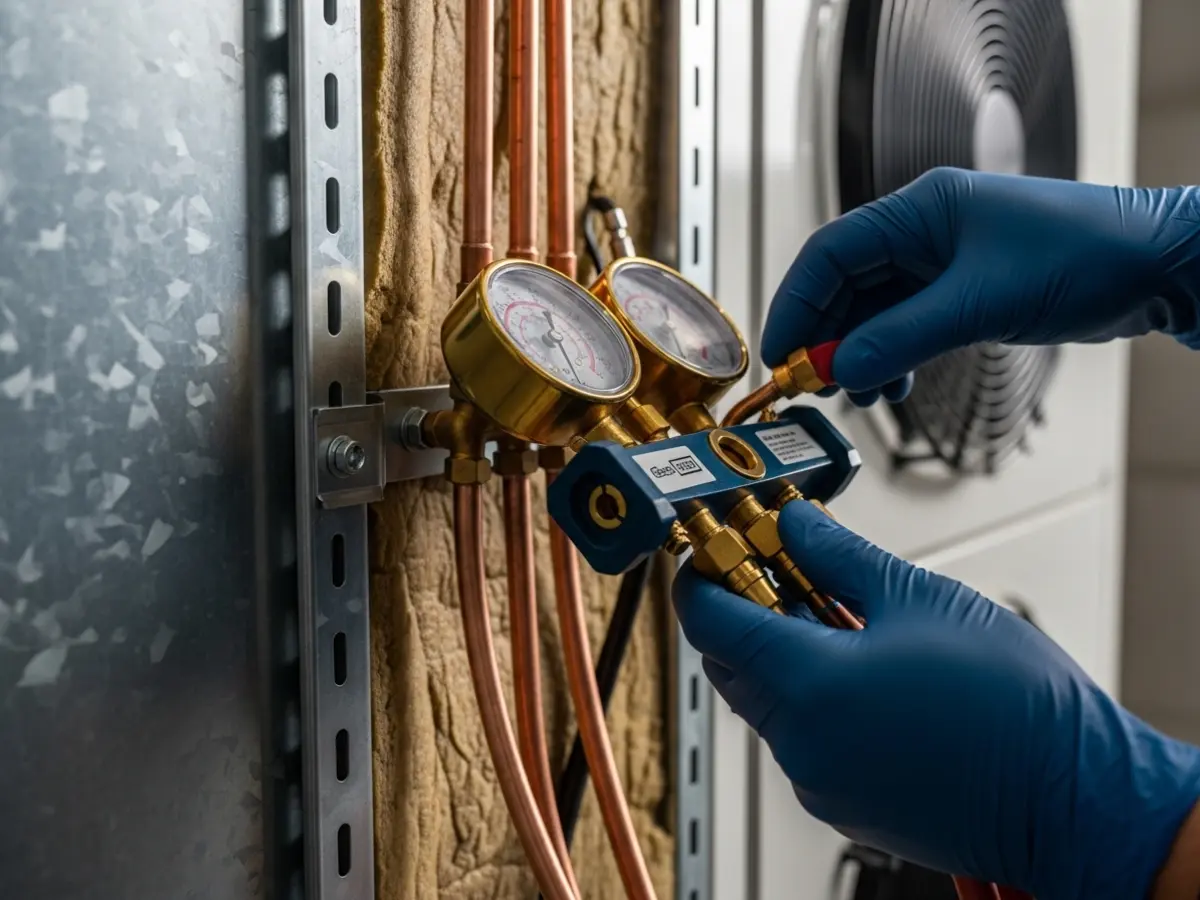
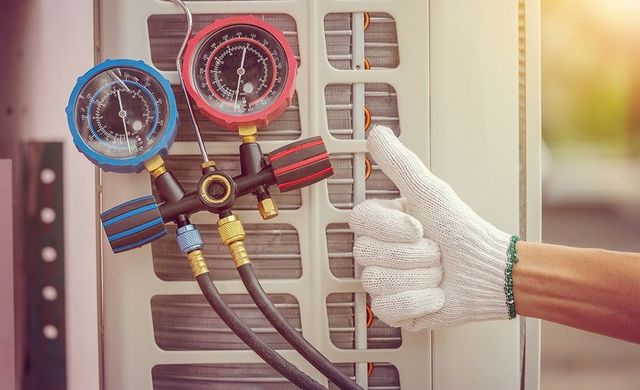
DIY maintenance covers the basics, but it misses critical components. A professional technician checks refrigerant levels, electrical connections, and motor wear. Low refrigerant is not a DIY fix; it requires specialized tools and certification. Annual tune-ups catch small issues before they become major failures. This proactive approach extends the life of your HVAC system and maintains warranty coverage.
Hvac maintenance: what to check next
Here are answers to the most common questions homeowners ask before scheduling service. These details help you understand what to expect from a professional tune-up and how to handle basic upkeep yourself.
Work through HVAC Maintenance Checklist
No comments yet. Be the first to share your thoughts!