
Get hvac maintenance right
Before you touch a screwdriver or open a service panel, locate your unit’s model and serial number plate. This is usually found on the side of the outdoor condenser or inside the access panel of the indoor air handler. You need this exact model number to find the correct replacement filters, refrigerant type, and specific torque specifications for your screws. Without it, you are guessing, and guessing is expensive.
Check the age of your system. If it is over 10-15 years old, a full preventive maintenance might not be the most cost-effective move compared to planning for a replacement. However, for most mid-life systems, a thorough check-up is the best way to extend its lifespan. Ensure you have the right safety gear: insulated gloves, safety glasses, and a voltage tester. Never assume a system is off; always verify with a tester before touching electrical components.
Gather your basic tools. You will likely need a multimeter, a coil brush, fin comb, screwdrivers, and a shop vacuum. Having these ready before you start prevents the frustration of stopping mid-task to run to the hardware store. Once you have your model number, safety gear, and tools ready, you are prepared to begin the actual maintenance steps.
Work through the steps
Preventive HVAC maintenance works best as a clear sequence: define the constraint, compare the realistic options, test the tradeoff, and choose the path with the fewest hidden costs. That order keeps the advice usable instead of decorative.
After each step, pause long enough to check whether the recommendation still fits the reader's actual situation. If it depends on perfect timing, unusual access, or a best-case budget, include a simpler fallback.
Fix common HVAC maintenance mistakes
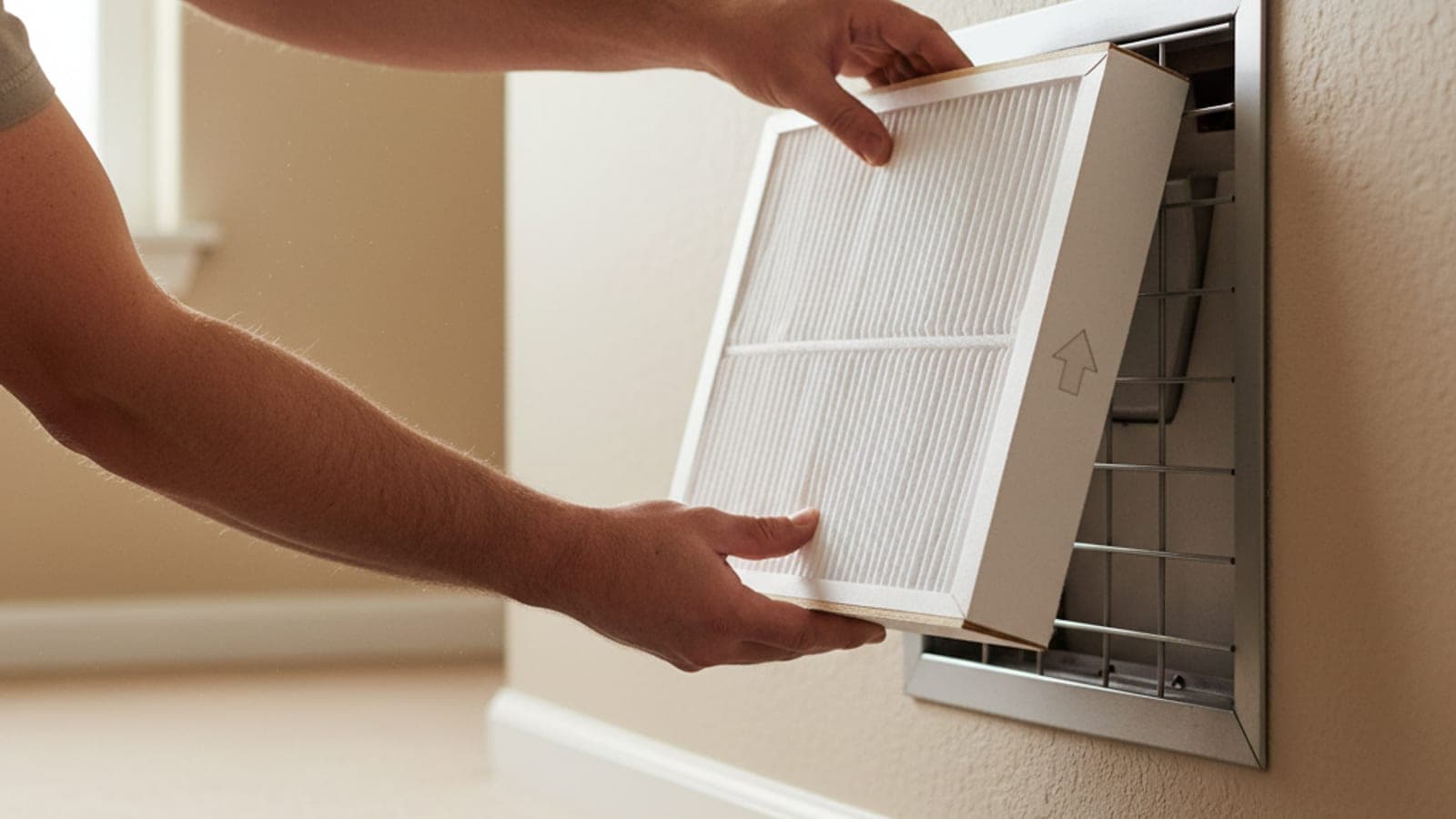
Skipping the air filter is the single biggest error homeowners make. A clogged filter restricts airflow, forcing the blower motor to work harder and driving up energy bills. Over time, this strain leads to premature component failure. Replace disposable filters every one to three months, or clean permanent ones according to the manufacturer’s instructions.
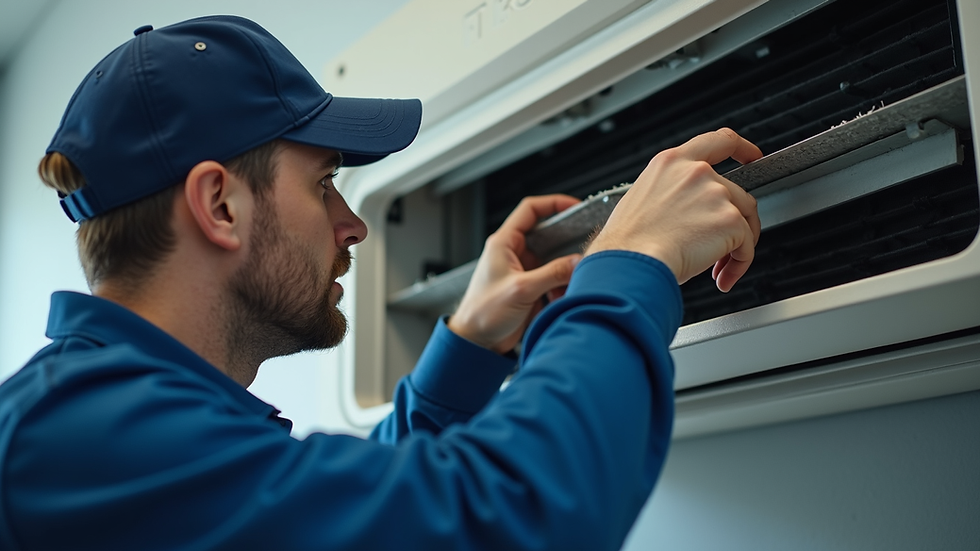
Another frequent error is ignoring the condensate drain line. When algae or debris clogs this line, water backs up into the indoor air handler, causing leaks and potential water damage. Pouring a cup of distilled vinegar through the access point every few months keeps the line clear and prevents costly overflow issues.
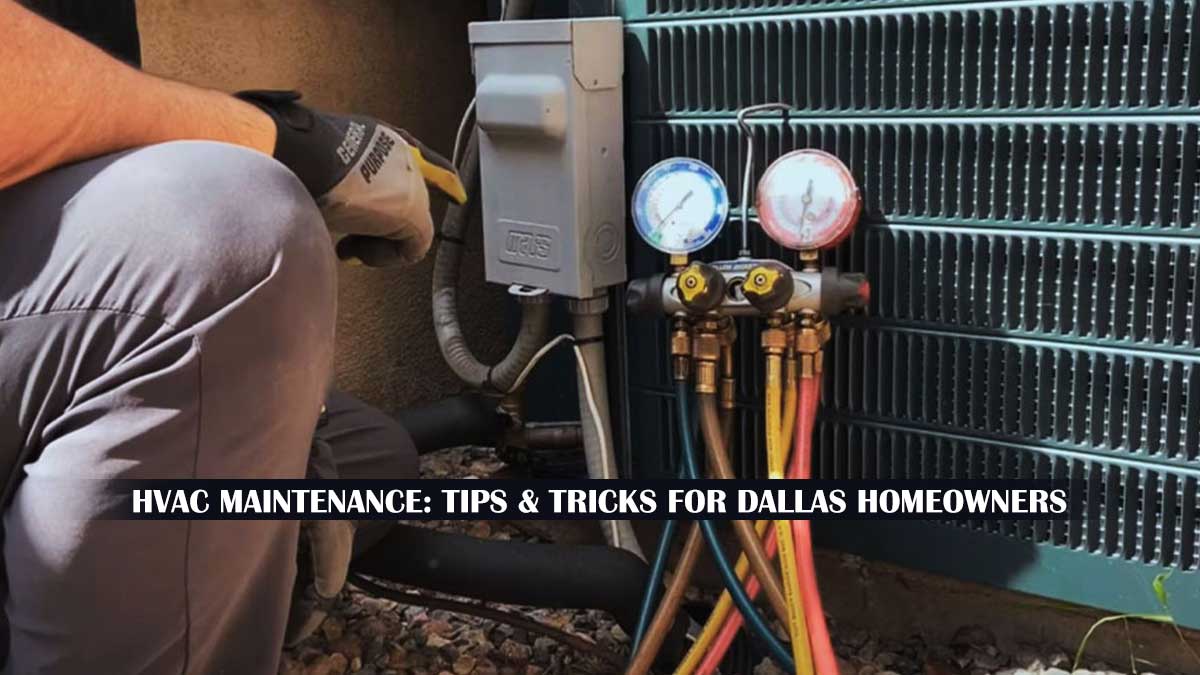
Many homeowners also skip the outdoor unit entirely, assuming it is weatherproof. Dirt, leaves, and grass clippings accumulate on the coils, acting as insulation that traps heat. Gently rinse the coils with a garden hose (never a pressure washer) and ensure at least two feet of clearance around the unit for proper airflow.
Finally, failing to lubricate moving parts increases friction and wear. While many modern motors have sealed bearings, older fan motors and blower assemblies often require oil. Check your owner’s manual to see if lubrication is needed, and use only the specified non-detergent motor oil.
Hvac maintenance: what to check next
Before scheduling a tune-up or buying a new system, homeowners often have practical concerns about cost, time, and necessity. These answers address the most common objections to preventive HVAC maintenance.
No comments yet. Be the first to share your thoughts!