
Winter HVAC Maintenance Checklist: 7 Essential Steps to Prevent Emergency Heating Repairs in 2024
As winter approaches, ensuring your HVAC system operates at peak performance becomes critical for maintaining comfort and avoiding costly emergency repairs. A well-maintained heating system not only provides reliable warmth throughout the cold months but also operates more efficiently, reducing energy costs and extending equipment lifespan.
According to industry data, nearly 80% of emergency HVAC repairs during winter months could be prevented through proper maintenance. The financial impact of emergency heating repairs can be substantial, with homeowners facing repair costs ranging from $300 to $2,500 or more, depending on the severity of the issue and equipment type.
Why Winter HVAC Maintenance Matters
Winter places unique demands on your heating system that differ significantly from other seasons. Cold temperatures, increased runtime, and fluctuating weather conditions create stress on HVAC components. Without proper maintenance, these factors can lead to system failures at the worst possible times.
Professional HVAC maintenance addresses several critical areas that impact system performance. Regular servicing helps identify worn components before they fail, ensures proper airflow throughout your home, and optimizes energy efficiency. Additionally, maintenance visits often reveal minor issues that, if left unaddressed, could develop into major problems requiring extensive HVAC system repair.

The Complete Winter HVAC Maintenance Checklist
This comprehensive checklist covers seven essential maintenance steps that every homeowner should complete before winter arrives. Each step plays a crucial role in preventing emergency repairs and ensuring optimal system performance throughout the heating season.
Step 1: Schedule Professional HVAC Tune-Up Early
The foundation of effective winter preparation begins with scheduling a professional HVAC tune-up before cold weather arrives. This proactive approach allows certified technicians to thoroughly inspect your system when demand for heating and cooling services is typically lower, ensuring availability and often better pricing.
During a professional tune-up, technicians perform comprehensive system diagnostics that go beyond what homeowners can accomplish independently. They inspect electrical connections, test safety controls, examine heat exchangers for cracks or damage, and verify proper gas pressure and combustion efficiency for gas-powered systems.
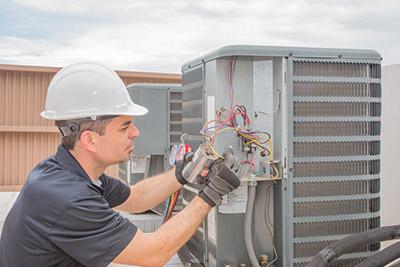
Professional maintenance also includes calibrating thermostats, lubricating moving parts, and testing system cycling to ensure proper operation. These detailed inspections often reveal potential issues such as worn belts, loose electrical connections, or components showing signs of wear that could fail during peak usage periods.
The timing of professional maintenance proves crucial for several reasons. Scheduling service in early fall, typically September or October, ensures your system receives attention before the first cold snap. This timing also allows for any necessary repairs to be completed without the urgency and higher costs associated with emergency service calls.
Step 2: Replace and Clean HVAC Air Filters
Air filter maintenance represents one of the most critical yet often overlooked aspects of HVAC system care. Dirty or clogged filters create significant problems that extend far beyond reduced air quality, directly impacting system efficiency, component longevity, and overall performance.
When filters become clogged with dust, debris, and contaminants, they restrict airflow throughout your system. This restriction forces your HVAC equipment to work harder to circulate air, leading to increased energy consumption and unnecessary strain on system components. Over time, this additional stress can cause premature wear on blower motors, heat exchangers, and other critical parts.
Filter replacement frequency depends on several factors, including filter type, household occupancy, presence of pets, and local air quality conditions. Standard pleated filters typically require replacement every 60 to 90 days, while high-efficiency filters may last longer but should still be checked monthly. Homes with pets, multiple occupants, or individuals with allergies may need more frequent filter changes.
The process of filter inspection and replacement is straightforward but requires attention to proper sizing and installation. Always ensure the system is turned off before accessing filters, and verify that replacement filters match the exact dimensions and MERV rating recommended by your system manufacturer.
Steps 4-7: Complete Your Winter HVAC Maintenance
Continuing with the remaining essential steps of your winter HVAC maintenance checklist, these final four actions will help ensure your heating system operates efficiently throughout the cold season while minimizing the risk of unexpected breakdowns.
Step 4: Inspect and Clean Vents and Ductwork
Blocked or dirty vents can significantly impact your HVAC system's performance and energy efficiency. Walk through your home and ensure all supply and return vents are free from obstructions such as furniture, curtains, or debris. Remove vent covers and vacuum out any accumulated dust or pet hair. For a more thorough cleaning, consider professional duct cleaning services, especially if you notice excessive dust buildup or musty odors when the system operates.
Step 5: Check and Seal Air Leaks Around Windows and Doors
Air leaks force your heating system to work harder to maintain comfortable temperatures, leading to increased energy costs and potential system strain. Inspect weatherstripping around windows and doors, looking for cracks, gaps, or worn areas. Apply caulk to seal small gaps and replace damaged weatherstripping. Pay special attention to areas where different building materials meet, as these are common locations for air infiltration.
Step 6: Test Your Thermostat and Consider Upgrading
A malfunctioning thermostat can cause your HVAC system to cycle incorrectly, leading to uneven temperatures and increased wear. Test your thermostat by adjusting the temperature settings and observing how quickly your system responds. If you have an older manual thermostat, consider upgrading to a programmable or smart thermostat, which can provide better temperature control and energy savings of up to 10-15% annually.
Step 7: Inspect Outdoor Unit and Clear Surrounding Area
For heat pump systems, the outdoor unit continues operating during winter and requires proper maintenance. Clear leaves, debris, and snow from around the unit, maintaining at least two feet of clearance on all sides. Gently clean the exterior coils with a garden hose to remove dirt buildup, but avoid using high pressure that could damage the delicate fins. Check that the unit sits level and that refrigerant lines are properly insulated.
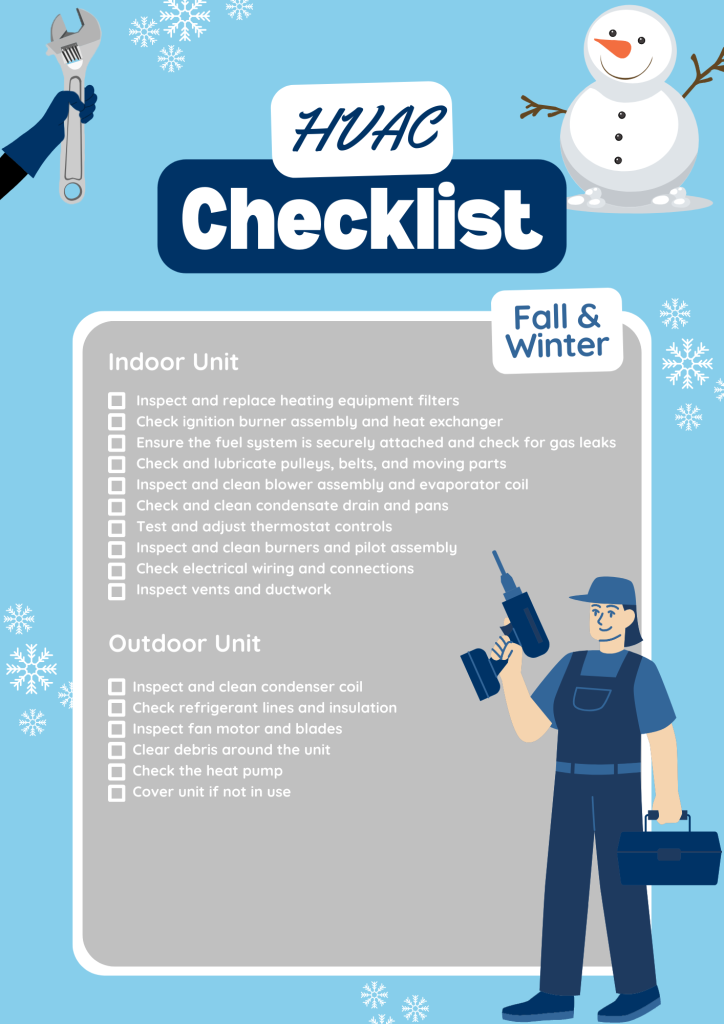
Complete Winter HVAC Maintenance Checklist
Use this comprehensive checklist to ensure you complete all essential winter HVAC maintenance tasks:
Professional HVAC System Repair vs. DIY Maintenance
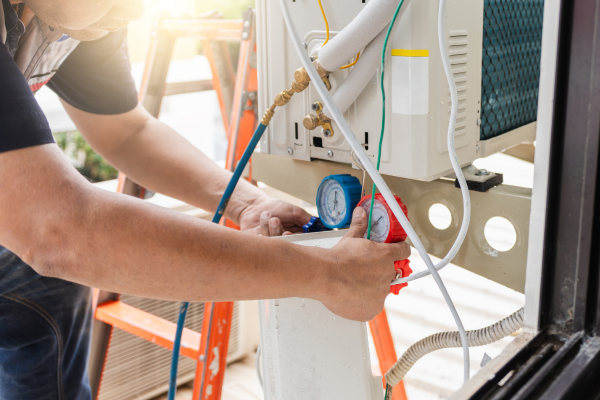
While many maintenance tasks can be performed by homeowners, certain aspects of HVAC maintenance require professional expertise. Complex heating and cooling services such as refrigerant level checks, electrical component testing, and combustion analysis should only be performed by certified technicians. Attempting these tasks without proper training can result in safety hazards, system damage, or voided warranties.
Professional HVAC maintenance typically includes comprehensive system diagnostics, cleaning of internal components, lubrication of moving parts, and safety inspections that go beyond basic homeowner capabilities. Investing in professional heating and cooling services annually can extend your system's lifespan by 5-10 years and maintain manufacturer warranty coverage.
Emergency Prevention and Cost Savings
Following this winter HVAC maintenance checklist can prevent up to 85% of emergency heating repairs, according to industry data. Regular maintenance not only reduces the likelihood of system failures but also improves energy efficiency by 15-20%, resulting in significant utility bill savings throughout the heating season.
The average cost of emergency HVAC system repair during winter can range from $300 to $1,500, while preventive maintenance typically costs $150 to $300 annually. This investment in regular maintenance pays for itself through improved efficiency, extended equipment life, and avoided emergency repair costs.
Frequently Asked Questions
By completing these seven essential steps before winter arrives, you'll ensure your HVAC system operates reliably throughout the cold season. Remember that consistent maintenance is key to preventing costly emergency repairs and maintaining optimal comfort in your home. Schedule your professional tune-up early, stay on top of basic maintenance tasks, and don't hesitate to contact qualified heating and cooling services when you need expert assistance.
No comments yet. Be the first to share your thoughts!