
Narrow down the problem
An apprenticeship is a long-term commitment, not a quick fix for a broken system. Before committing to the four-year path, identify which specific issue is driving your interest. Is it the immediate need for income, the desire for a trade career, or simply the frustration of expensive repair bills?
The "High Repair Bill" Signal
If you are reading this because you just paid $400 to fix a thermostat or a clogged drain, an apprenticeship is likely not the right solution. Those are routine maintenance issues. Fixing a leaky roof or a broken furnace is a homeowner’s job, not a career starter’s burden. If your primary motivation is to save money on your own home repairs, you are better off hiring a licensed pro or taking a weekend DIY workshop.
The "Stagnant Wages" Signal
However, if your current job offers little room for growth and you are hitting a ceiling, the HVAC trade offers a clear ladder. Unlike many entry-level positions, HVAC apprentices earn while they learn. The progression from apprentice to journeyman to master technician is structured and transparent. If you are tired of dead-end jobs with no upward mobility, this is a strong signal to start.
The "Hands-On" Signal
Finally, consider your work style. Do you prefer sitting at a desk or being outside in attics, crawlspaces, and on rooftops? HVAC work is physical and often messy. If you thrive on solving tangible problems with your hands and don’t mind getting your boots dirty, this trade fits. If you prefer clean, climate-controlled office environments, you will likely struggle in the field.
-
I want a career with clear advancement, not just a side hustle.
-
I am okay with physical labor and variable work environments.
-
I can commit to 2,000+ hours of classroom and on-the-job training.
If you checked all three, you are ready to look for local programs. If you only checked one or two, you might want to explore shorter certifications or different trades first.
Check if an HVAC apprenticeship fits your goals
Before committing to a program, verify that the local market and your personal timeline align with the demands of the trade. An apprenticeship is a four-year investment of time and labor. Use this diagnostic sequence to confirm you are ready to start and that the return on investment makes sense in your area.
Verify local hiring demand
Check if employers in your region are actively hiring apprentices. A strong local market ensures you will have work to do after graduation and reduces the risk of being stranded in a saturated area. Look for job boards and union postings that list "apprentice" or "helper" roles.
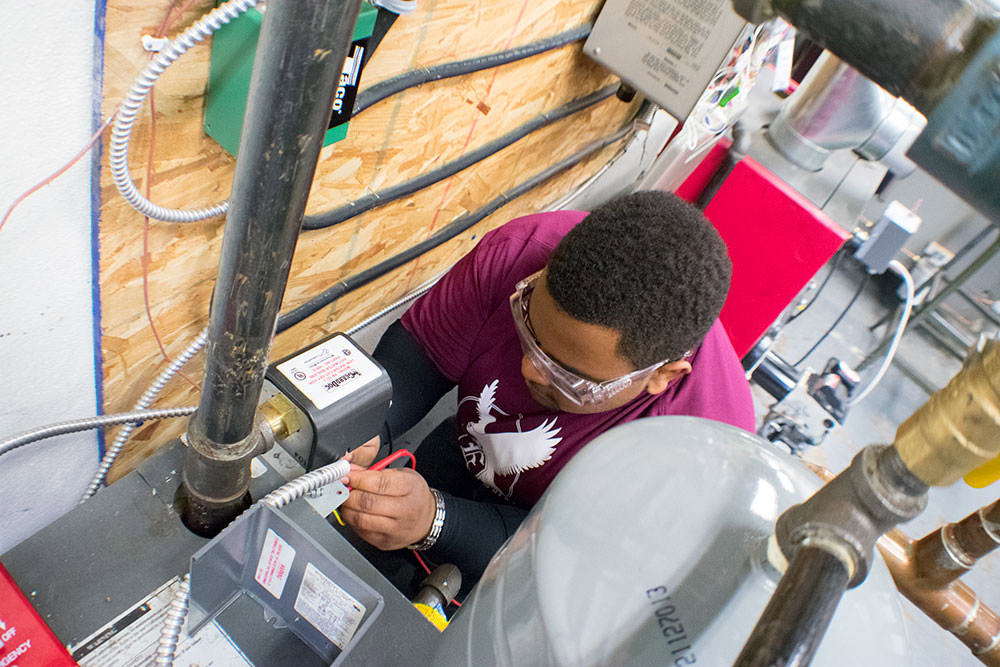
Search for "HVAC apprentice" or "HVAC helper" jobs in your city. High volumes of listings indicate strong demand. If you see few or no listings, the local market may be too saturated or declining.

Compare apprentice pay against local living costs. In many markets, starting pay ranges from $15 to $25 per hour, growing significantly as you gain licensure. Ensure the starting wage covers your basic expenses during the training period.

Ensure the program is approved by recognized bodies like the NCCER or local trade unions. Accreditation guarantees that your training meets industry standards and that your hours will count toward licensure.
Assess your age and timeline
Many people worry that starting late is a mistake. In reality, the HVAC trade values maturity and reliability. Employers often prefer apprentices who are older because they bring stability and a proven work ethic to the job site. Whether you are 27 or 30, you are well within the typical age range for entry-level trade careers.
Identify common pitfalls
Avoid choosing a program solely based on proximity or low cost. The best programs balance classroom theory with extensive field experience. Also, be prepared for the physical demands of the job, including working in tight spaces, attics, and on rooftops. If you cannot handle the physical aspect, the trade may not be the right fit.
Final readiness checklist
Use this list to confirm you are ready to enroll.
-
- [ ] Verified local job postings for apprentices
-
- [ ] Confirmed starting pay covers living expenses
-
- [ ] Selected an accredited training program
-
- [ ] Assessed physical ability for the role
-
- [ ] Researched long-term career growth paths
If you check all these boxes, an HVAC apprenticeship is likely a solid path forward. The trade offers a clear ladder from helper to master technician, with earnings that reflect your skill and experience.
What usually fixes it
Most apprenticeship issues stem from a mismatch between the student’s current skill level and the program’s pace. The most common fix is adjusting the learning environment to match the apprentice’s baseline. If you are struggling with the math or physics portions, consider extra tutoring or focusing on practical, hands-on tasks first. Many programs allow apprentices to spend more time on the shop floor while catching up on theory later. This approach keeps you moving forward without falling behind on the technical side.
Another frequent problem is a lack of proper tools or safety gear. Some apprentices try to save money by buying cheap equipment, which often breaks or fails safety inspections. The fix is simple: invest in quality hand tools from the start. Employers and mentors respect preparation. If you are missing specific items, ask your supervisor or union representative for a list of approved gear. Many programs also offer stipends or discounts for apprentices, so check with your program coordinator before making large purchases.
Finally, communication breakdowns can stall progress. If you are unsure about a task, ask for clarification immediately. Waiting until the end of the day or week can lead to costly mistakes and wasted materials. Good mentors appreciate proactive questions. They would rather correct you early than have to redo work later. Building this habit of clear communication will serve you well throughout your career, not just during the apprenticeship.
Hvac apprenticeship: what to check next
Before committing to a trade career, it helps to separate industry myths from the actual timeline and financial reality. Here are the most common questions about starting an HVAC apprenticeship in 2026.
No comments yet. Be the first to share your thoughts!