
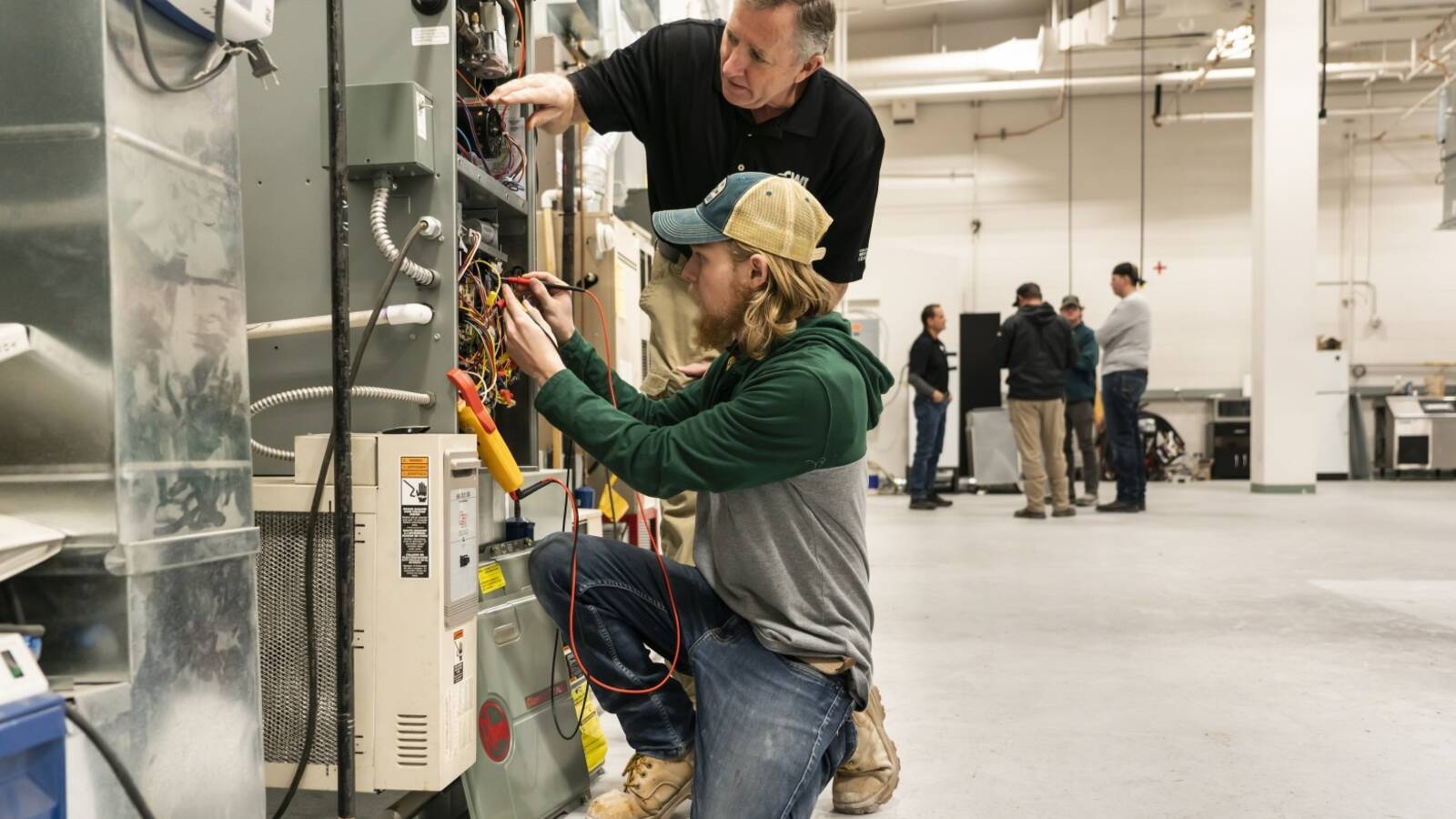

Budget Fit for Your HVAC Apprenticeship
An HVAC apprenticeship is a low-barrier entry into a skilled trade, but it requires upfront capital for licensing, tools, and certification exams. Unlike a four-year degree, you earn while you learn, yet the initial costs can feel steep if you are starting from scratch.
The financial commitment typically centers on three areas: mandatory state licensing fees, specialized testing costs, and the essential tool kit. In Florida, for example, the Residential Air Conditioning Contractors of America (RACCA) estimates apprentice program costs around $900, covering classroom hours and on-the-job training integration. This is a fraction of the cost of traditional college tuition, but it is not zero.
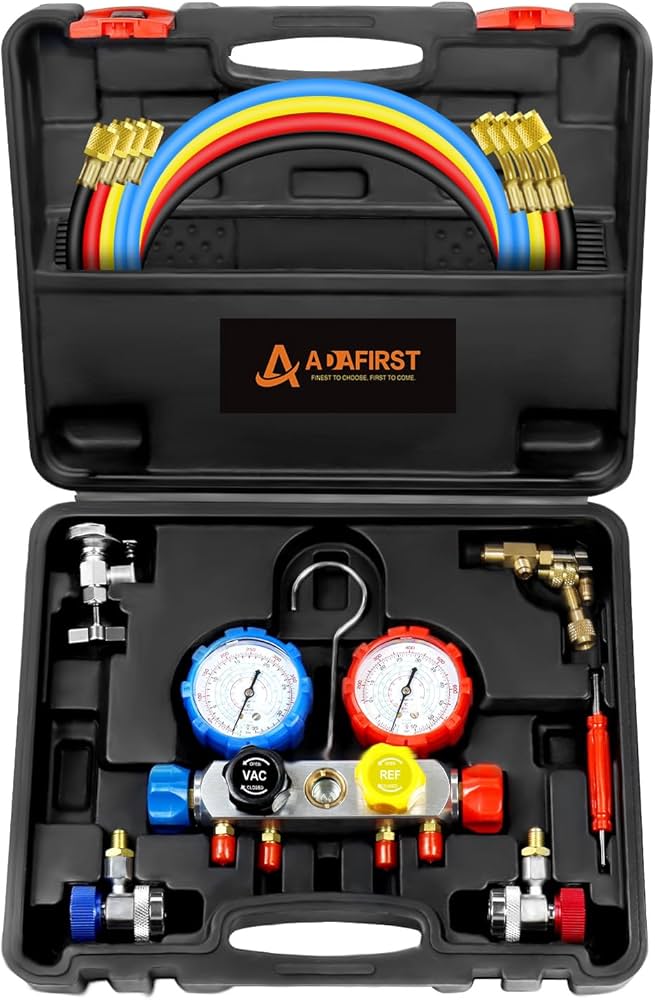
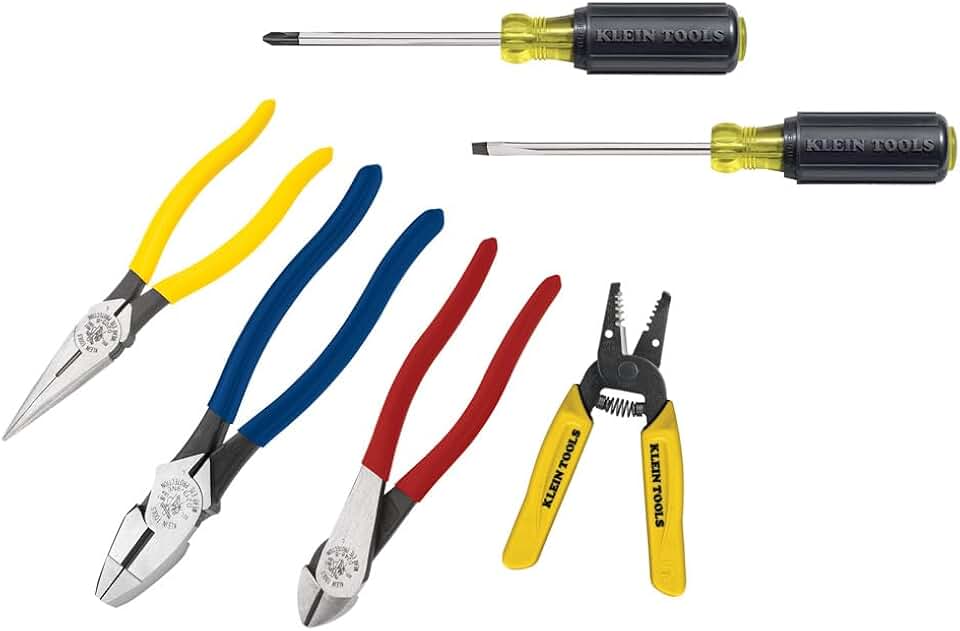
Your tool budget is the most variable expense. A basic starter kit for an apprentice—featuring multimeters, vacuum pumps, manifold gauges, and hand tools—can range from $500 to $1,500 depending on quality. Investing in durable, professional-grade tools early on pays off in longevity and efficiency, whereas cheap alternatives often break under job-site stress.
Age is rarely a financial barrier. Whether you are 27 or 30, the primary constraint is your ability to cover these initial startup costs. Many apprenticeships offer wage progression that quickly offsets these early expenses, making the investment manageable for most working adults.
As an Amazon Associate, we may earn from qualifying purchases.
Shortlist real options
Use this section to make the Is an HVAC Apprenticeship Right for You? Top Skills in Demand for Heating and Cooling Careers decision easier to compare in real life, not just on paper. Start with the reader's actual constraint, then separate must-have requirements from details that are merely nice to have. A practical choice should survive normal use, maintenance, timing, and budget. If a recommendation only works in an ideal situation, call that out plainly and give the reader a fallback path.
| Factor | What to check | Why it matters |
|---|---|---|
| Fit | Match the option to the primary use case. | A good deal still fails if it does not fit the job. |
| Condition | Verify age, wear, and service history. | Hidden condition issues erase upfront savings. |
| Cost | Compare purchase price with likely upkeep. | The cheapest option is not always the lowest-cost option. |
Inspect the expensive parts
Use this section to make the Is an HVAC Apprenticeship Right for You? Top Skills in Demand for Heating and Cooling Careers decision easier to compare in real life, not just on paper. Start with the reader's actual constraint, then separate must-have requirements from details that are merely nice to have. A practical choice should survive normal use, maintenance, timing, and budget. If a recommendation only works in an ideal situation, call that out plainly and give the reader a fallback path.
-
Verify the basicsConfirm the core specs, condition, and fit before comparing extras.
-
Price the downsideLook for the repair, maintenance, or replacement cost that would change the decision.
-
Compare alternativesCheck at least two comparable options before treating one listing as the benchmark.
Plan for ownership costs
Buying used HVAC tools or equipment can seem like a smart way to start an apprenticeship, but it often hides expenses that add up quickly. A cheap multimeter or manifold gauge set might save you $50 upfront, but if the calibration is off or the seals are worn, you risk damaging equipment or getting it wrong on the job. In the trade, accuracy isn't just about precision; it's about trust. Your journeyman supervisor needs to know your readings are reliable.
Consider the total cost of entry. Beyond the tool itself, factor in shipping, potential repair fees, and the time spent troubleshooting faulty gear. If a used vacuum pump leaks, it won't just waste your time; it can contaminate the refrigerant system, leading to costly callbacks. It is often better to buy one new, high-quality essential tool than three cheap ones that you will replace within a year.
Essential starter gear
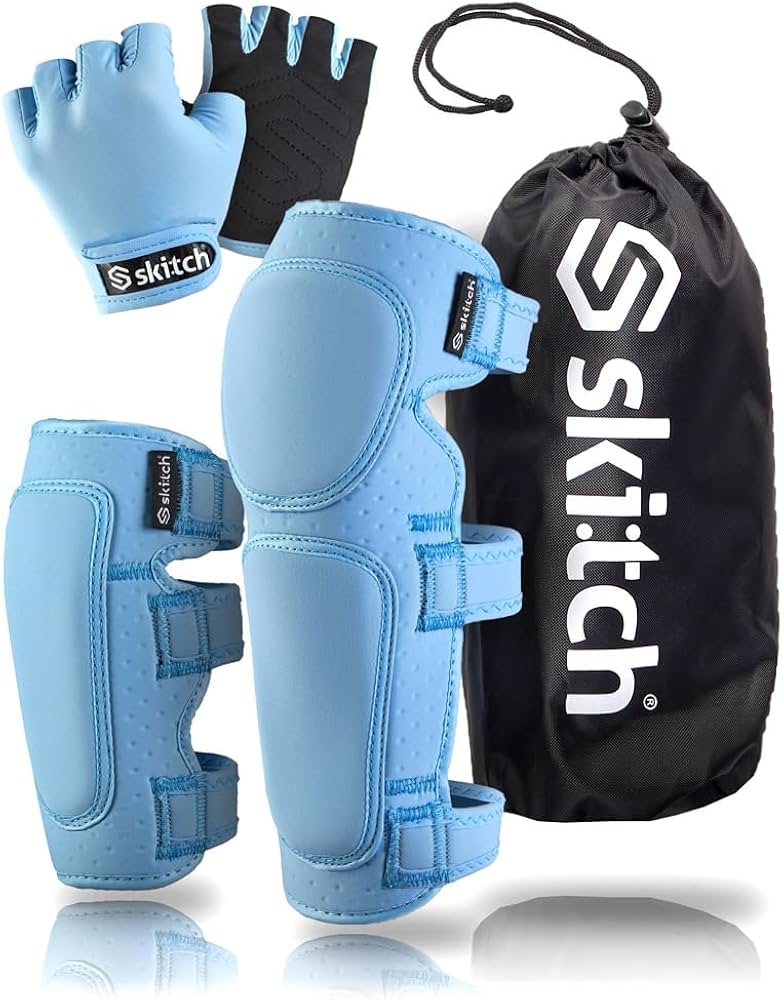
When budgeting, prioritize the items you use daily. These are the tools that define your workflow and need to be dependable from day one.


As an Amazon Associate, we may earn from qualifying purchases.
Think of your tool belt as an investment portfolio. You want assets that hold their value and perform consistently. A $200 screwdriver set might last your entire career, while a $50 set might break after the first apprenticeship winter season. Calculate the cost per use, not just the sticker price. If you use a tool every day for three years, a higher initial cost is often the cheaper option in the long run.
No comments yet. Be the first to share your thoughts!