
What an HVAC apprenticeship involves
Many people confuse an HVAC apprenticeship with entry-level labor. The difference is structure. An apprentice is not just carrying tools; they are enrolled in a registered program that blends paid field work with technical classroom learning. This path is designed to turn a novice into a licensed professional, not just a helper.
The process is rigorous and time-bound. According to the U.S. Department of Labor, apprenticeships for heating, air conditioning, and refrigeration mechanics typically last between three and five years apprenticeship.gov. During this time, you will progress from observing your mentor to performing complex tasks under their supervision. You earn a wage that increases as you gain skills and complete classroom credits.
Safety and compliance are the core of this training. You will learn to handle refrigerants legally, adhering to EPA regulations, and install systems that meet strict building codes. This is not a job where you learn on the fly; it is a structured education that prepares you for the high-stakes reality of maintaining life-safety systems in commercial and residential buildings.
Check eligibility and prerequisites
Many candidates hit a wall before they even submit an application because they assume any interest in mechanics qualifies them for the trade. HVAC work involves high-voltage electricity, pressurized refrigerants, and heavy machinery. The barrier to entry is not just academic; it is physical and regulatory. You must meet specific baseline requirements to ensure you can work safely on job sites and eventually hold the licenses required by law.
Age and education
You must be at least 18 years old to work with refrigerants and hazardous materials. This is a federal mandate enforced by the Environmental Protection Agency (EPA). Without this age threshold, you cannot legally handle the chemicals that keep modern buildings comfortable. Most programs also require a high school diploma or GED. You do not need advanced degrees, but you must demonstrate proficiency in algebra and basic physics. These subjects are the foundation of load calculations and electrical circuit analysis.
Physical fitness and background checks
The job is physically demanding. You will be climbing ladders, working in attics, crawl spaces, and on rooftops, often in extreme temperatures. Employers look for candidates who can lift 50 pounds and maintain balance at heights. Before you start training, expect to undergo a thorough background check. Many contractors hold security clearances for commercial or government buildings. A criminal record involving theft or violence can disqualify you from apprenticeship programs, as trust is a primary requirement for entering a client's home or business.
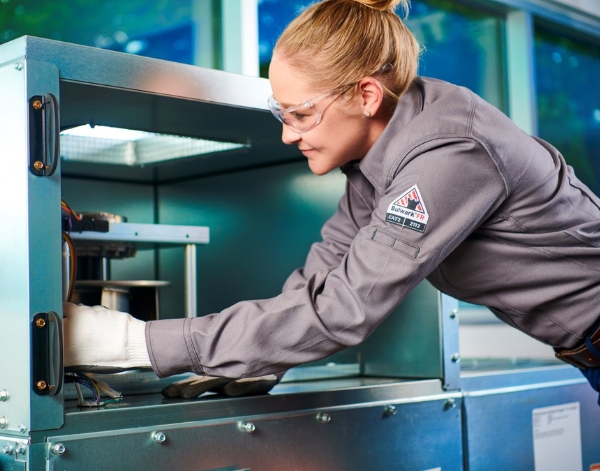
Find a registered apprenticeship program
The path to becoming a licensed HVAC technician begins with securing a spot in a registered apprenticeship. This isn't just about finding a job; it's about entering a structured educational pathway that combines paid on-the-job training with classroom instruction. Without a registered program, you risk missing out on the standardized curriculum required for EPA certification and state licensing.
Start your search with apprenticeship.gov, the U.S. Department of Labor’s official database. This is the most reliable source for verifying that a program meets federal standards for safety, compensation, and educational rigor. Filtering by your state and trade will reveal both union and non-union opportunities. Union programs, often sponsored by organizations like the United Association (UA), typically offer strong benefits and clear progression paths. Non-union programs, frequently run by contractor associations like the PHCC, may offer more flexibility in scheduling but require you to be more proactive in verifying their accreditation status.
Once you have identified potential programs, contact local chapters directly. For non-union paths, reach out to your local Plumbing-Heating-Cooling Contractors Association (PHCC) chapter. They often maintain lists of approved apprenticeship sponsors and can provide insight into which contractors are actively hiring and investing in training. For union paths, visit the local UA hall to inquire about application windows and pre-apprenticeship requirements.
Finally, apply to contractor-sponsored programs if you have a specific employer in mind. Large commercial HVAC firms, such as Trane or Carrier, often run their own multi-year apprenticeship tracks. These programs are highly competitive but offer direct exposure to commercial systems and brand-specific technologies. Ensure you meet the basic eligibility criteria, which typically include a high school diploma or GED, a passing score on an aptitude test, and a clean drug screening.
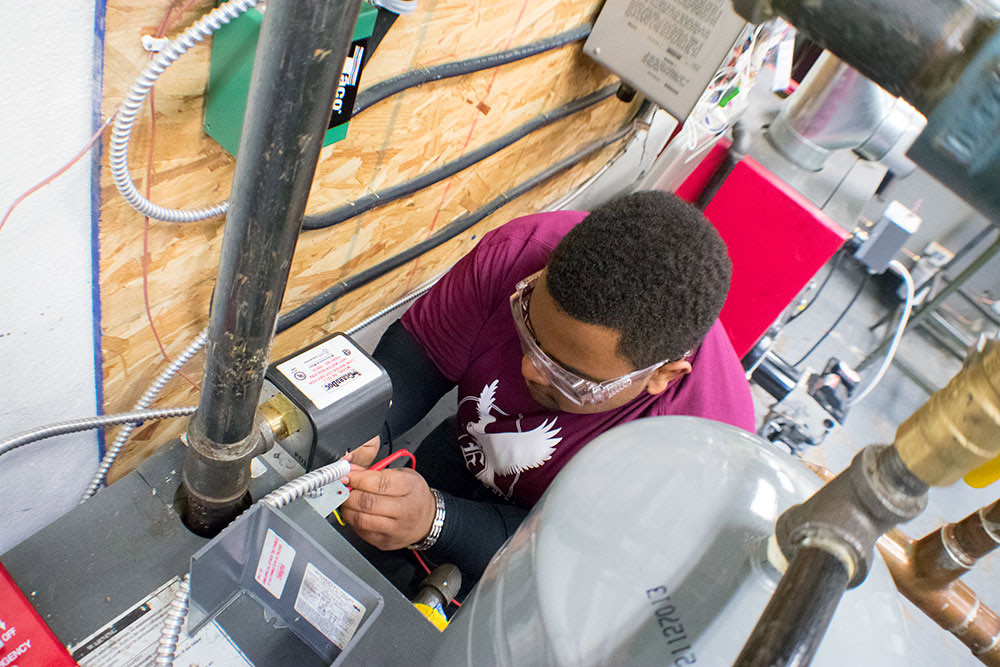
Visit apprenticeship.gov to search for registered HVAC apprenticeships in your state. Use the filters to narrow down by location and employer type to find programs that are verified by the Department of Labor.
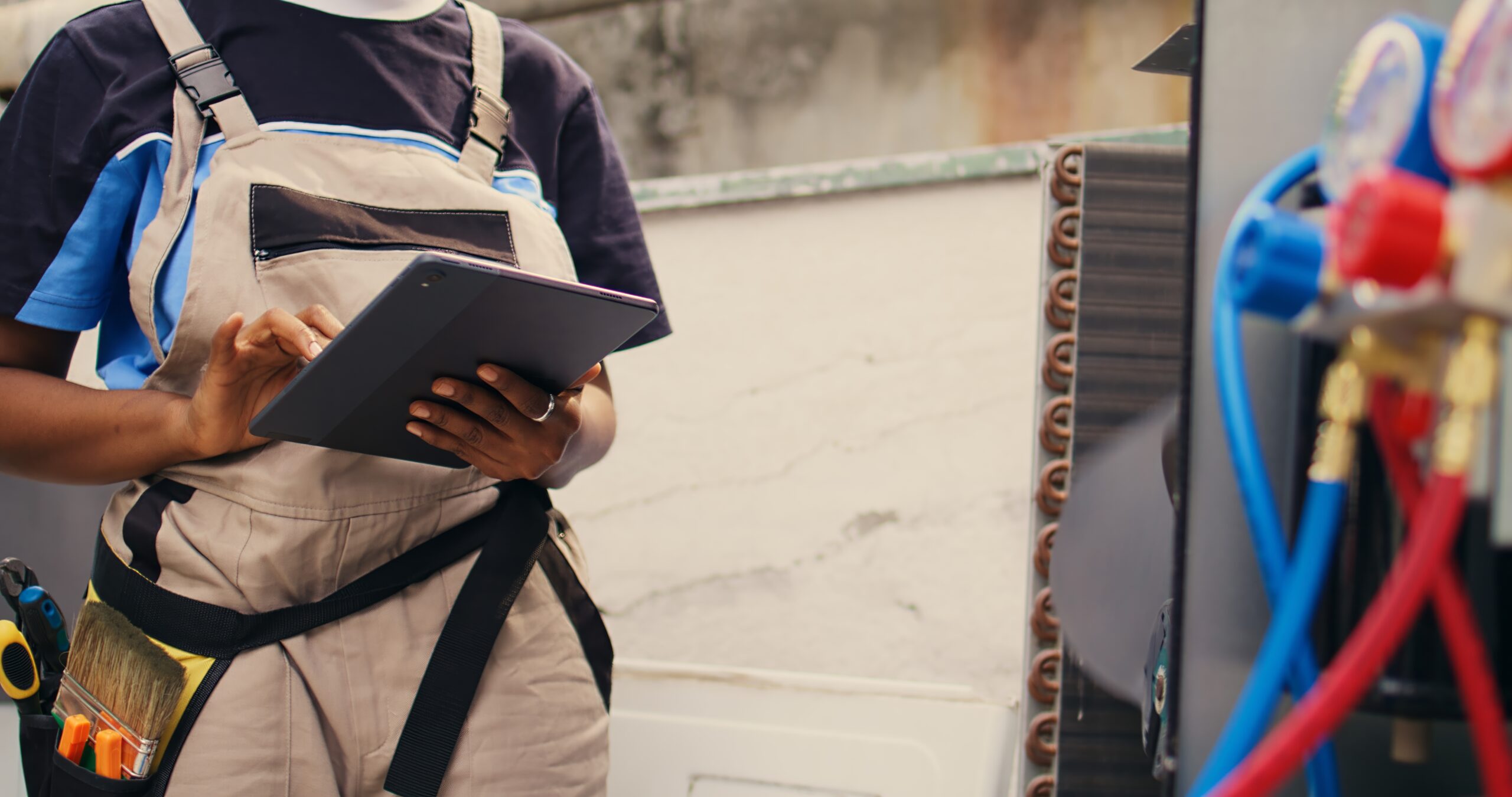
Reach out to your local PHCC chapter or union hall. These organizations can provide information on upcoming application cycles, pre-apprenticeship requirements, and which contractors are actively seeking apprentices.
Submit applications to large commercial HVAC firms or local contractors offering apprenticeships. Prepare for aptitude tests and drug screenings, as these are standard prerequisites for entry into structured training programs.
Complete training and certification steps
The path from apprentice to journeyman is a structured progression defined by hours, classroom instruction, and regulatory compliance. This journey typically spans three to five years, during which you transition from observation to independent work under strict supervision. Each stage builds the technical competence and legal authority required to handle high-stakes residential and commercial systems.
1. Enroll in a Registered Apprenticeship Program
Your first step is securing a position with a registered apprenticeship sponsor. These programs, often managed by unions or contractor associations, combine paid on-the-job training with related technical instruction. Registration ensures the program meets federal standards for safety and curriculum quality.
2. Complete Required Training Hours
Apprenticeships require a specific number of on-the-job training (OJT) hours, typically between 2,000 and 6,000, depending on the state and program. You will rotate through different systems—residential, commercial, and industrial—learning to install, maintain, and repair heating, ventilation, and air conditioning units.
3. Obtain EPA Section 608 Certification
Before handling refrigerants, you must obtain EPA Section 608 certification. This federal law requires technicians to be certified to prevent the release of ozone-depleting substances. There are four types of certification:
- Type I: Small appliances
- Type II: High-pressure systems
- Type III: Low-pressure systems
- Universal: All types
Most employers require Universal certification for full job flexibility. Passing this exam is non-negotiable for legal compliance and workplace safety.
4. Achieve Journeyman Status
Upon completing your required hours and passing any state-specific licensing exams, you advance to journeyman status. This designation allows you to work independently without direct supervision. You are now legally responsible for the safety and code compliance of the systems you install and repair.
5. Pursue Master HVAC Technician Certification
The final step is becoming a Master HVAC Technician. This usually requires two to five years of journeyman experience and passing a rigorous business and trade exam. Master status allows you to pull permits, own an HVAC business, and supervise other technicians.
Common mistakes to avoid as an apprentice
The path to becoming a licensed HVAC mechanic is rarely derailed by a single catastrophic error. Instead, it is usually eroded by small, repeated habits that signal unreliability to employers and regulators. In a trade where safety and precision are paramount, the difference between a career and a dead end often comes down to how you handle the mundane details of your daily routine.
Skipping classroom theory
Field experience is valuable, but it cannot replace the foundational knowledge taught in classroom settings. Apprentices who treat classroom hours as optional or spend the time socializing instead of studying will struggle when they encounter complex system diagnostics or regulatory compliance issues.
Classroom instruction covers the "why" behind the "how." Without this theoretical grounding, you may be able to replace a part, but you won't understand why it failed or how to prevent recurrence. Neglecting these classes creates gaps in your knowledge that become increasingly difficult to fill as you advance in your career.
Ignoring safety protocols
Safety is not a suggestion in HVAC work; it is a legal and ethical requirement. Bypassing lockout/tagout procedures, mishandling refrigerants, or ignoring personal protective equipment (PPE) guidelines puts you and your colleagues at serious risk. The EPA and OSHA enforce strict regulations regarding refrigerant handling and workplace safety, and violations can result in immediate termination and legal penalties.
Poor attendance and reliability
HVAC systems often fail during extreme weather conditions when businesses and homes are most vulnerable. Employers need technicians who are present and ready to work when called upon. Chronic tardiness or unexplained absences signal a lack of professionalism and can quickly end an apprenticeship.
Treat your apprenticeship like a full-time job, even if the hours are flexible. Show up on time, prepared, and ready to learn. Your reliability is just as important as your technical skills in building trust with your mentors and future employers.
Neglecting questions and feedback
Asking questions is a sign of engagement, not ignorance. Apprentices who remain silent when confused risk making costly mistakes that could have been avoided. Similarly, ignoring constructive criticism from supervisors prevents you from correcting bad habits before they become ingrained.
Proactive communication is key to a successful apprenticeship. If you don't understand a concept or procedure, speak up immediately. Seek out feedback regularly and use it to improve your performance. This approach demonstrates your commitment to excellence and your desire to grow within the trade.
HVAC apprenticeship application checklist
HVAC Apprenticeship works best as a clear sequence: define the constraint, compare the realistic options, test the tradeoff, and choose the path with the fewest hidden costs. That order keeps the advice usable instead of decorative. After each step, pause long enough to check whether the recommendation still fits the reader's actual situation. If it depends on perfect timing, unusual access, or a best-case budget, include a simpler fallback.
The simplest way to use this section is to write down the real constraint first, compare each option against it, and choose the path that still works outside ideal conditions.
Frequently asked questions about HVAC apprenticeships
Many candidates stall before starting because they misunderstand the time commitment or regulatory requirements. Below are answers to common questions about HVAC apprenticeships, drawn from official training standards and industry data.
Quick checklist
-
Match the sizeMake sure the HVAC Apprenticeship option fits your household, storage space, and normal batch size.
-
Check the materialChoose a material that handles heat, washing, and regular use without becoming a chore.
-
Plan the cleanupAvoid anything that needs more maintenance than you are likely to give it.
-
Keep one fallbackHave a simple backup option for rushed days.
No comments yet. Be the first to share your thoughts!