

Why 2026 matters for HVAC apprentices
Entering the heating, air conditioning, and refrigeration trade right now offers a distinct advantage for new apprentices. The U.S. Bureau of Labor Statistics projects steady employment growth for HVAC mechanics and installers through 2026, driven by the need to replace aging infrastructure and upgrade energy-efficient systems. This demand creates a reliable path to a skilled trade career, but the competition for quality apprenticeship spots is intensifying.
Proper preparation separates serious candidates from the rest. While theoretical knowledge is important, the modern apprentice must arrive with practical readiness. This means having the right tools and training aids on day one. Employers value candidates who can hit the ground running, reducing the onboarding time and demonstrating a commitment to the craft before the first paycheck.
The landscape of HVAC technology is also shifting toward smart systems and refrigerants with lower global warming potentials. Apprentices who familiarize themselves with these changes early will find themselves more adaptable and valuable. Investing in the right training aids now ensures you are not just keeping up with industry standards, but leading the way in technical proficiency.
Essential tools for your first day
Your first day on an HVAC apprenticeship is less about mastering the system and more about not being the apprentice who can't find the right wrench. Employers expect you to show up with a basic, functional kit. You don't need the most expensive brand, but you do need tools that are durable enough to survive job sites and accurate enough to pass inspection.
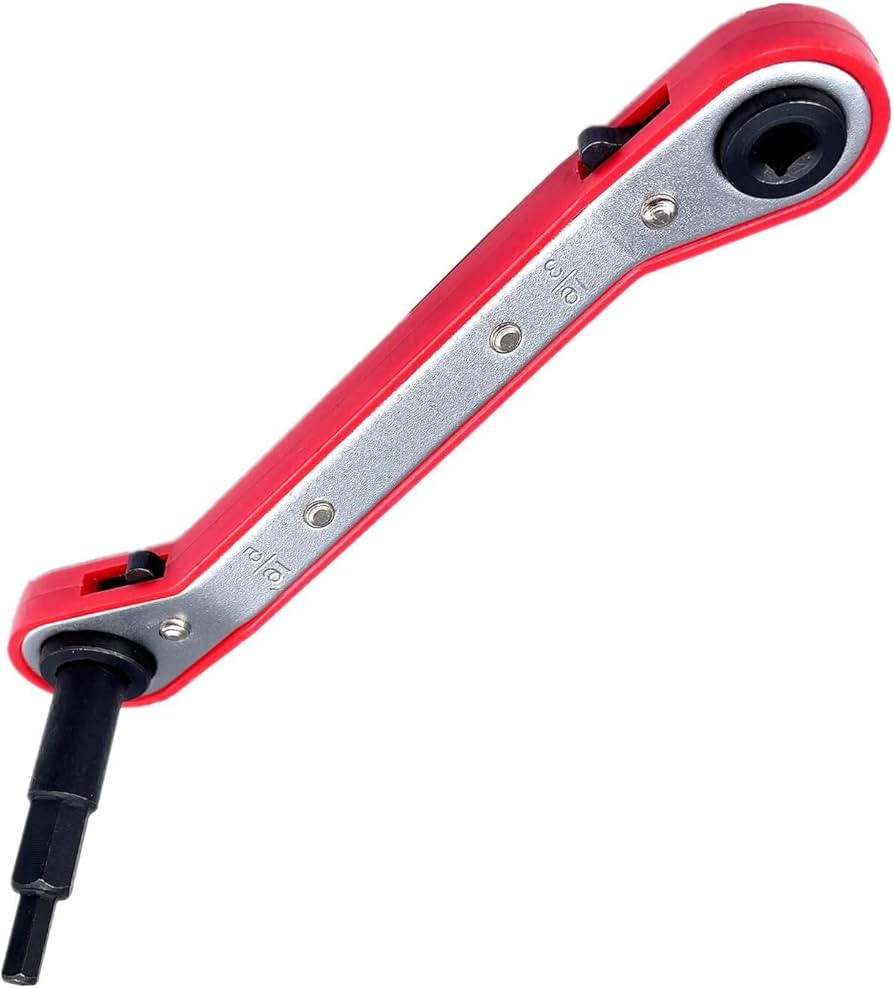
The core of your kit should focus on mechanical work and basic diagnostics. A solid combination wrench set and a reliable ratchet handle with a socket set are non-negotiable. These are the tools you will use to tighten fittings, install line sets, and secure units. Cheap tools strip bolts and slow down the crew; buying a reputable mid-range set early saves money and frustration later.
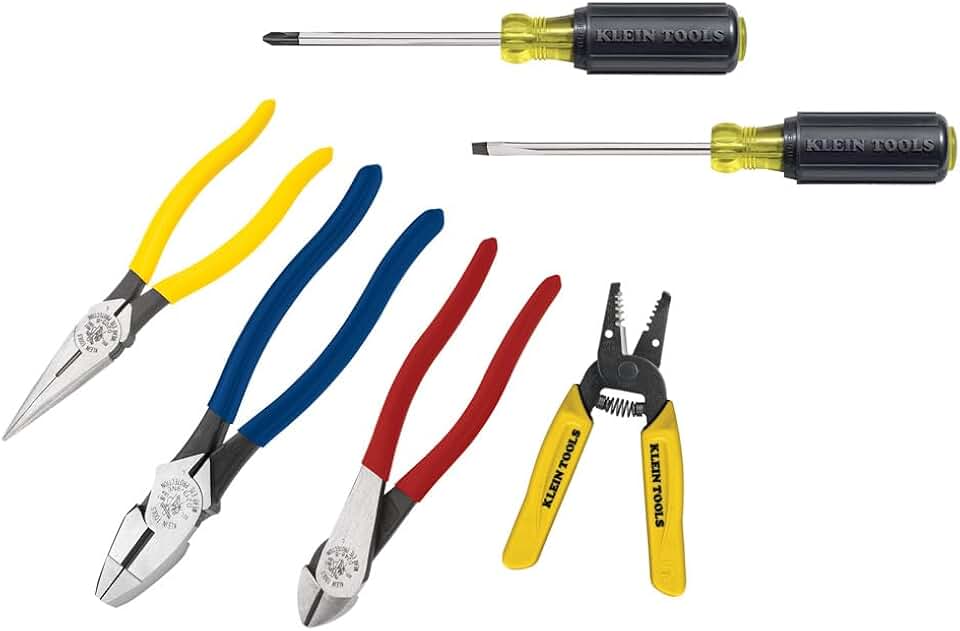
Diagnostics and safety require specialized gear. A quality multimeter is essential for checking voltage, continuity, and resistance. You also need a pair of insulated screwdrivers and needle-nose pliers for working near live electrical components. While you can buy these items individually, many apprentices find it easier to start with a pre-assembled HVAC tool kit that bundles the basics together.
The following products represent the most common starter kits and individual essentials recommended by trade professionals. These selections cover the core mechanical tools, diagnostic meters, and safety gear you will need to start your training.


As an Amazon Associate, we may earn from qualifying purchases.
Bundled starter kits vs. buying tools separately
Starting an HVAC apprenticeship requires specific hand tools, safety gear, and diagnostic equipment. New apprentices often face a choice: purchase a pre-assembled "HVAC Starter Kit" or source individual high-quality items. Both approaches have distinct trade-offs regarding cost, portability, and tool variety.
A bundled kit acts like a pre-packed toolbox for your first month on the job. These kits typically include essential items like screwdrivers, wrenches, a multimeter, and basic safety gear. They offer convenience and a single point of purchase, ensuring you have the minimum viable tools to start training. However, kits often include lower-grade versions of common tools, and you may find yourself replacing items quickly as you progress through your apprenticeship.
Buying tools separately allows for better quality control and long-term value. You can select professional-grade brands for critical items like torque wrenches and multimeters while saving on cheaper consumables. This approach requires more research and upfront time, but it builds a durable toolkit that lasts through your journey to journeyman status. It also lets you customize your kit based on the specific needs of your employer or local climate zone.
The table below compares the key factors to help you decide which path fits your budget and learning style.
| Factor | Bundled Kit | Buying Separately |
|---|---|---|
| Initial Cost | Lower upfront price | Higher upfront price |
| Tool Quality | Basic to mid-range | Professional-grade options |
| Portability | Often comes with case | You choose storage |
| Customization | Fixed selection | Fully customizable |
| Long-term Value | May need replacements | Higher durability |
For most apprentices, a hybrid approach works best. Start with a basic kit for the first few weeks to cover immediate needs, then gradually replace key tools with higher-quality individual purchases as you understand your specific workflow. This strategy balances immediate affordability with long-term tool performance.


As an Amazon Associate, we may earn from qualifying purchases.
Training resources for residential repair
Building a solid foundation in residential HVAC repair requires more than just hands-on experience; it demands structured learning that bridges classroom theory with field application. Whether you are preparing for a trade program or seeking certification to complement your apprenticeship, selecting the right study materials ensures you understand the technical nuances of heating, ventilation, and air conditioning systems.
Textbooks remain the cornerstone of technical education, offering comprehensive coverage of thermodynamics, electrical controls, and refrigerant handling. For those pursuing formal certification or self-study, authoritative guides provide the standardized knowledge required by industry standards. The following resources are highly regarded for their clarity and depth in residential repair topics.


As an Amazon Associate, we may earn from qualifying purchases.
Online courses and digital platforms offer flexibility for apprentices balancing work schedules. Programs like those from HVACRedu.net provide structured 12-month curricula with live instructor support, allowing students to review complex systems at their own pace. These digital tools often include interactive simulations that help visualize airflow and electrical circuits, reinforcing concepts that are difficult to grasp from static diagrams alone.
Safety gear you cannot skip
HVAC work involves high-voltage electricity, heavy machinery, and hazardous refrigerants. OSHA guidelines require specific personal protective equipment (PPE) to prevent serious injury or death. Your safety gear is not optional; it is the foundation of your career readiness.
Essential PPE Checklist
- Safety Glasses: Protects eyes from flying debris, chemical splashes, and UV light during brazing.
- Cut-Resistant Gloves: Essential when handling sheet metal ducts and sharp insulation materials.
- Insulated Electrical Gloves: Rated for the voltage levels you will encounter in electrical panels and motor connections.
- Steel-Toe Boots: Protects feet from heavy tools, coils, and falling equipment.
- Hearing Protection: Reduces exposure to noise from compressors, fans, and power tools.
Always check OSHA guidelines for specific job site requirements. Different environments may require additional gear, such as respirators for confined spaces or arc-flash suits for high-voltage work.
Investing in quality PPE is an investment in your longevity. Cheap gear fails when you need it most. Choose durable, certified equipment that meets industry standards.
Checklist for your apprenticeship start
Your first day as an HVAC apprentice sets the tone for your entire career. Show up prepared, and you signal that you respect the trade and your mentors. This final checklist ensures you have the essentials for tool safety, legal compliance, and professional readiness.
Confirm your toolkit is complete and labeled. Most programs expect a basic set including screwdrivers, pliers, and a multimeter. If you need starter gear, check the Milwaukee Tool HVAC Essentials Kit for durable, industry-standard options. Keep tools organized in a sturdy bag to prevent damage and loss.
Safety is non-negotiable. Ensure you have your EPA 608 Core certification if required by your state or employer. Pack personal protective equipment (PPE) like safety glasses, gloves, and steel-toed boots. The Trane Commercial HVAC Technician Apprenticeship Program emphasizes safety compliance from day one.
Bring all enrollment paperwork, ID, and any required textbooks. Review the apprentice handbook if provided. Familiarize yourself with the schedule and reporting structure. This step prevents administrative delays and shows you are organized and serious about the 12-month program commitment.
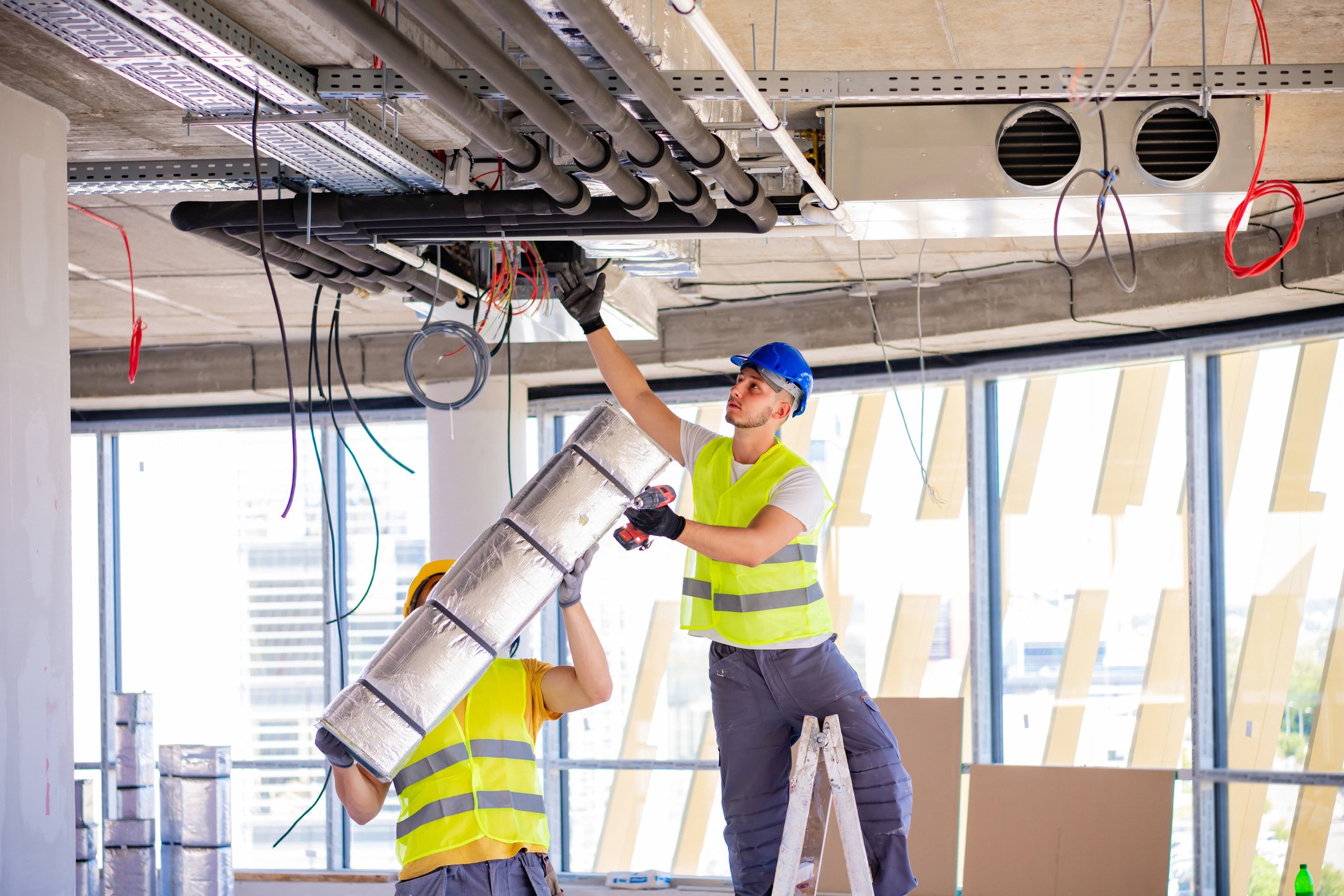
HVAC work is physically demanding. Wear comfortable, durable clothing that allows for movement. Bring water and snacks if your site doesn’t provide them. Understanding the physical nature of the job, as noted by the Apprenticeship.gov, helps you stay energized and focused.
Being ready on day one means you can focus on learning rather than scrambling for supplies. Use this checklist to ensure a smooth start to your HVAC apprenticeship journey.
Common questions about HVAC apprenticeships
Prospective technicians often ask how long the commitment takes and what the financial outlook looks like. Most apprenticeship programs, such as Trane’s nationally supported four-year curriculum, are designed to build competency gradually through paid on-the-job training and classroom instruction.
How much does an HVAC apprentice make?
Pay varies significantly by region and employer size. While starting wages are modest, they increase as you complete each year of the program and earn your journeyman license. Many apprentices also receive benefits like health insurance and tool allowances after the first year.
What certifications do I need to start?
You typically do not need advanced certifications to begin, but a high school diploma or GED is mandatory. Most programs require you to obtain your EPA Section 608 Core certification early in the training to legally handle refrigerants, which is a primary focus of the curriculum.
No comments yet. Be the first to share your thoughts!