Narrow down the problem
Before calling a technician, identify the specific symptom. Smart HVAC maintenance starts with accurate diagnosis. Common issues include weak airflow, strange noises, or uneven cooling. Each points to a different part of the system.
Start with the thermostat. If the system won’t start, check the settings. Ensure it’s set to "cool" and the temperature is lower than the room. A dead battery can also cause unexpected shutdowns. This is the simplest fix and often solves the issue immediately.
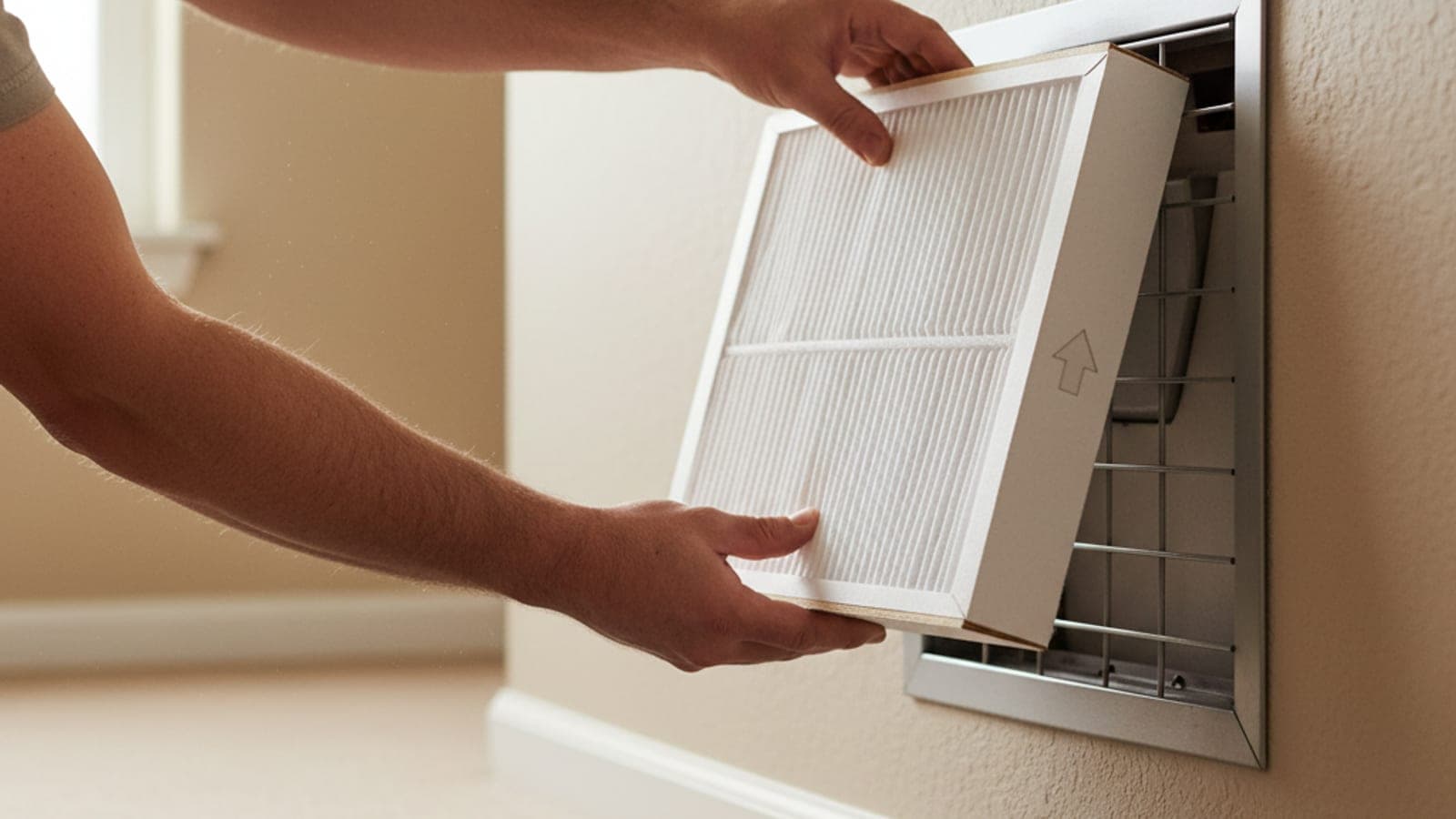
Next, check the air filter. A clogged filter restricts airflow, causing the unit to freeze up or overheat. If you haven’t changed it in three months, replace it. A clean filter restores airflow and protects the compressor. This single step prevents most minor summer breakdowns.
Listen for unusual sounds. Squealing often indicates a loose belt or failing motor bearing. Grinding suggests a motor issue. Buzzing might mean an electrical connection is loose. Note the sound and when it occurs. This detail helps the technician diagnose the problem faster, saving you time and money.
Run these checks
Use this section to make the HVAC maintenance decision easier to compare in real life, not just on paper. Start with the reader's actual constraint, then separate must-have requirements from details that are merely nice to have. A practical choice should survive normal use, maintenance, timing, and budget. If a recommendation only works in an ideal situation, call that out plainly and give the reader a fallback path.
-
Verify the basicsConfirm the core specs, condition, and fit before comparing extras.
-
Price the downsideLook for the repair, maintenance, or replacement cost that would change the decision.
-
Compare alternativesCheck at least two comparable options before treating one listing as the benchmark.
What usually fixes it
When an HVAC system shows signs of strain, the solution depends on the specific fault. Most summer readiness issues stem from airflow restrictions, refrigerant imbalances, or sensor errors. Addressing these problems early prevents costly compressor failures during peak heat.
Clogged air filters
Dirty filters are the most common cause of reduced cooling capacity. They restrict airflow, forcing the blower motor to work harder and potentially freezing the evaporator coil. Replacing disposable filters every 90 days or cleaning permanent ones monthly restores proper airflow. This is the single most effective maintenance step for maintaining efficiency.
Dirty condenser coils
The outdoor condenser unit releases heat from inside your home. Over time, dirt, pollen, and debris accumulate on the fins, insulating the coil and reducing heat transfer. Gently hosing down the exterior and straightening bent fins with a fin comb can restore performance. If the coils are heavily caked, a professional cleaning with a non-acidic coil cleaner is necessary.
Refrigerant leaks
Refrigerant levels should remain constant. A drop in pressure indicates a leak, which reduces cooling capacity and can damage the compressor. This requires a certified technician to locate the leak, repair it, and recharge the system to the manufacturer's specification. Adding refrigerant without fixing the leak is a temporary fix that wastes money and harms the environment.
Thermostat calibration
An inaccurate thermostat causes the system to cycle on and off incorrectly, leading to uneven temperatures and wasted energy. If your home feels warmer than the setting, the thermostat may need recalibration or replacement. Upgrading to a programmable or smart thermostat can also improve efficiency by adjusting temperatures based on your schedule.
Electrical connections
Loose or corroded electrical connections can cause intermittent operation or system shutdowns. A technician will tighten all connections and apply conductive paste to prevent future corrosion. Worn contactors and relays should also be inspected and replaced if they show signs of arcing or pitting.
Hvac maintenance: what to check next

No comments yet. Be the first to share your thoughts!