
Get air conditioning repair right
Before you call a pro, distinguish between a quick fix and a system failure. Common issues like dirty filters or tripped breakers are DIY-friendly, but compressor failures require a licensed technician. Understanding this distinction saves you from paying a service call fee for a problem you could solve yourself.
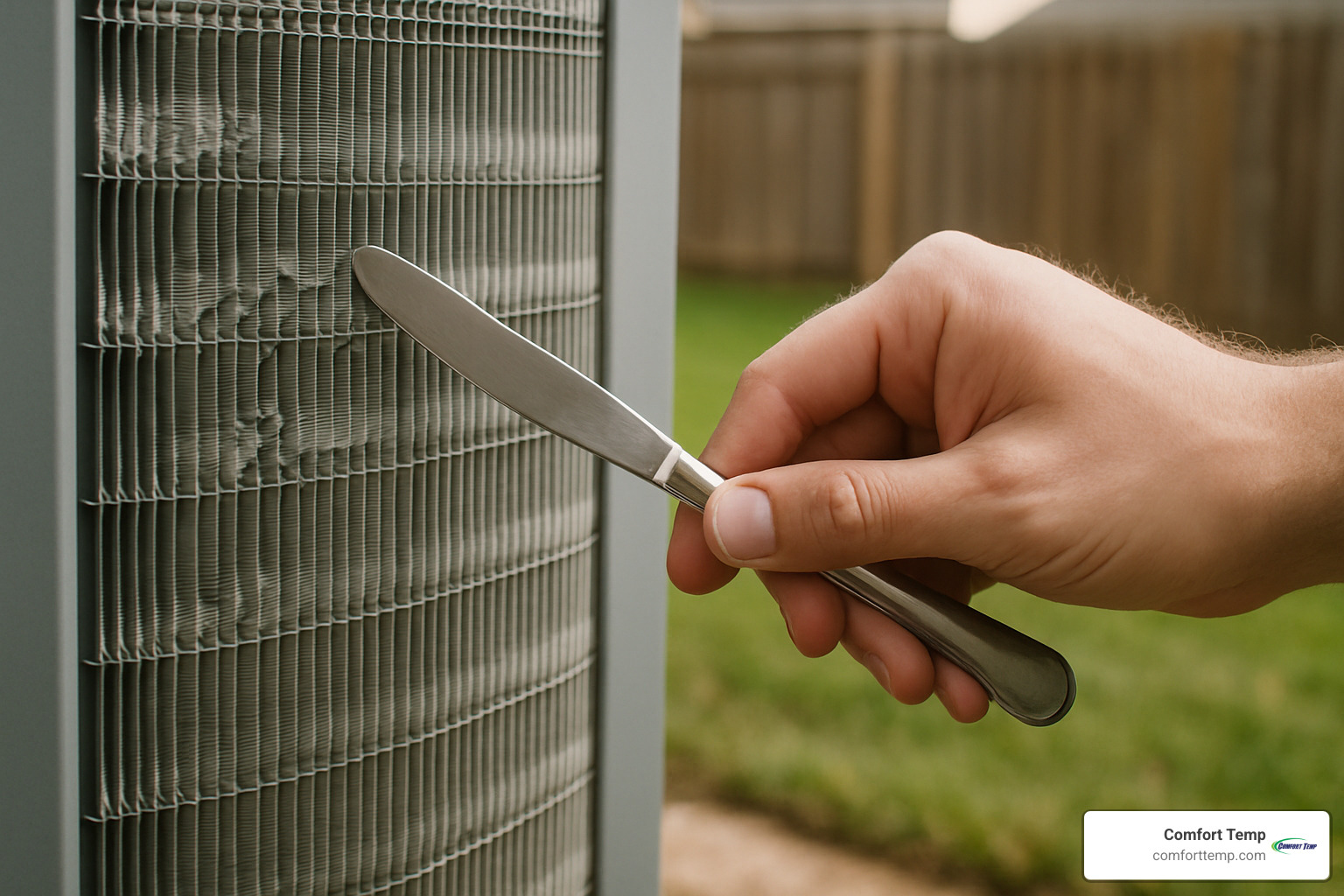
Start by checking your thermostat settings and ensuring the circuit breaker hasn't tripped. If the system still won't start, locate the outdoor unit and remove any debris blocking airflow. This simple maintenance step often resolves cooling issues without a technician's visit.
If the unit is running but not cooling, check the air filter. A clogged filter restricts airflow, causing the coils to freeze. Replace it with the correct size and let the ice melt completely before restarting the system. This is the most frequent fix for ACs that are not cooling effectively.
When the problem persists, find HVAC repair pros before the heatwave hits. Look for licensed, insured contractors with positive local reviews. Avoid companies that demand full payment upfront or refuse to provide a written estimate. A reputable pro will diagnose the issue clearly before quoting a price.
Work through the steps
Finding the right HVAC repair pro before the heatwave hits requires a structured approach. Rushing into the first search result often leads to inflated bills or subpar work. Follow this sequence to vet candidates, verify credentials, and secure a reliable repair appointment.
Never hire a technician without confirming their state license and general liability insurance. This protects you from liability if an accident occurs on your property. Ask for the license number and verify it on your state’s contractor board website. Reputable companies like The Home Depot’s service partners maintain these credentials, but independent contractors must provide proof upon request.
A verbal quote is not a contract. Require a written estimate that breaks down labor, parts, and trip fees. This transparency prevents surprise charges when the technician discovers additional issues. If a provider refuses to provide a written document, walk away. The average HVAC service call costs between $150 and $400, but major repairs can exceed this significantly, making upfront pricing essential.
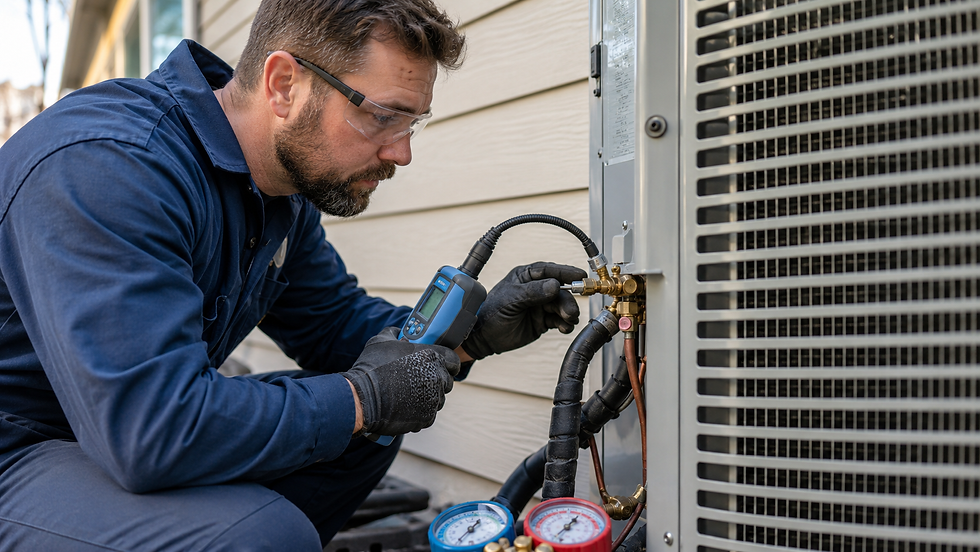
North American Technician Excellence (NATE) certification is the industry standard for HVAC competence. Certified technicians have passed rigorous exams on specific system types. Prioritize companies that employ NATE-certified staff, as they are more likely to diagnose issues accurately the first time, reducing repeat service calls.
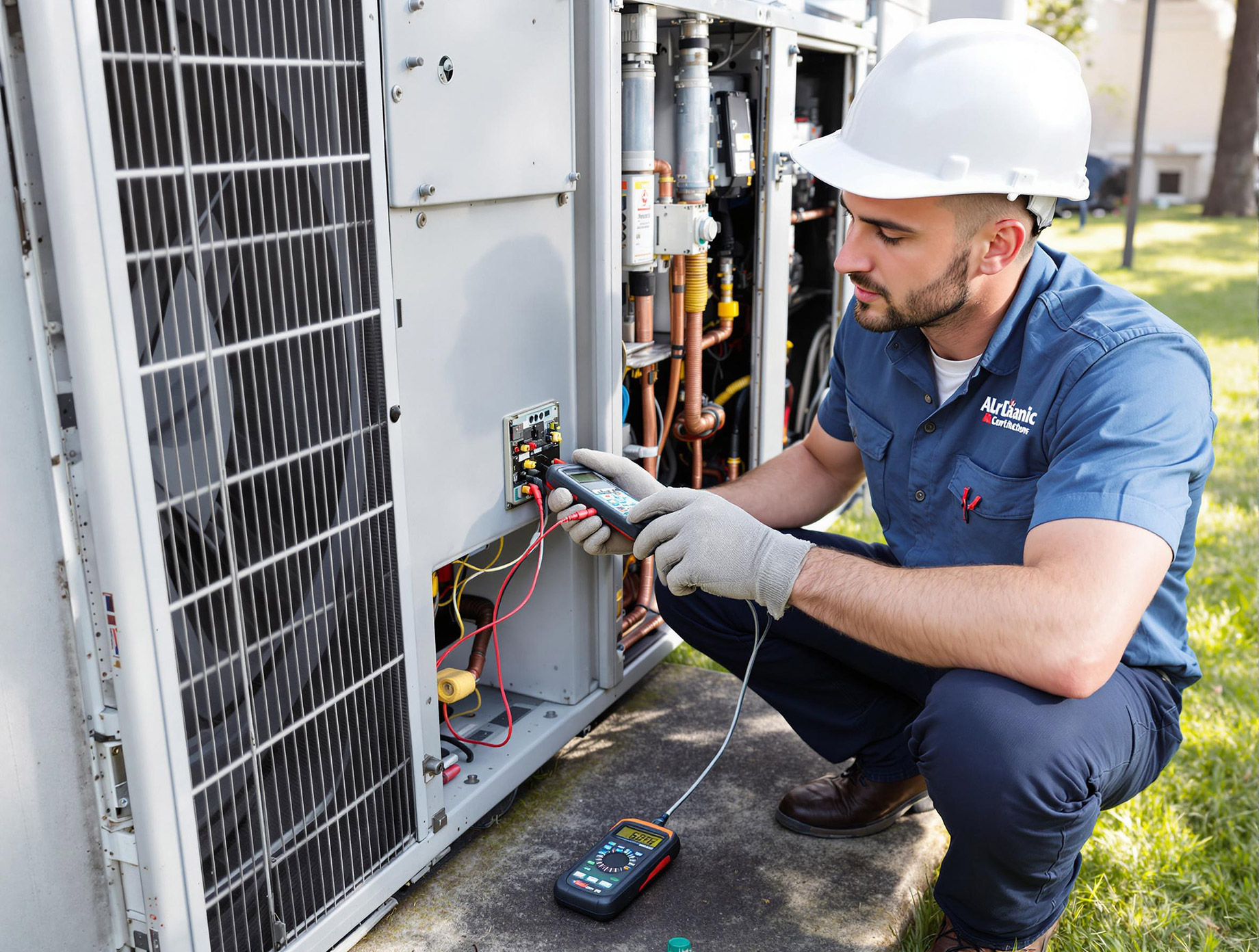
During a heatwave, a broken AC is a health hazard. Ask specific questions about their emergency response window. Do they offer 24/7 service? What is the guaranteed arrival time for emergency calls? Ensure they have enough technicians to handle peak demand without delaying your repair.
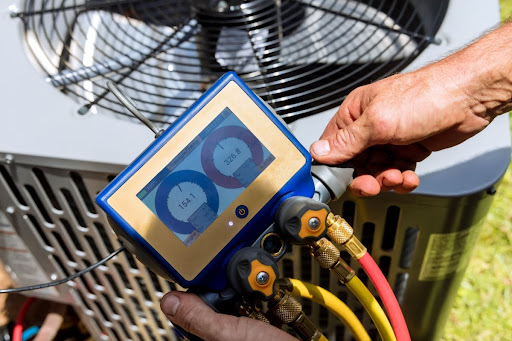
A quality repair comes with a warranty on both parts and labor. Most reputable shops offer at least a one-year warranty on labor and the manufacturer’s warranty on parts. Clarify what is covered and how to claim it. If a company offers no warranty, they likely lack confidence in their workmanship.
Understand how the company charges: flat rate, hourly, or service-call fee. Flat-rate pricing is often clearer for consumers, as you know the total cost before work begins. Avoid companies that charge excessive trip fees without applying them toward the repair cost. The most common AC repairs, such as capacitor or fan motor replacements, have predictable costs that should align with industry averages.
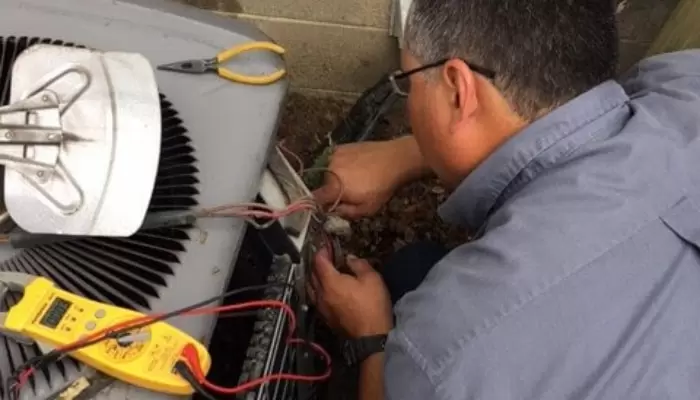
Once you select a pro, get the appointment details in writing, including the date, time window, and estimated cost. Keep copies of all estimates and invoices. This documentation is crucial if you need to dispute charges or file a warranty claim later. A clear paper trail ensures accountability from start to finish.
Common HVAC Repair Mistakes That Cost More Than the Fix
Calling a pro is the right move when your AC fails, but the path to a successful repair is often blocked by avoidable errors. Homeowners frequently delay service until the system is completely dead, which turns a simple capacitor replacement into a compressor failure. Others hire the first name that pops up on a search engine, skipping the verification steps that protect your wallet.
The most damaging mistake is assuming all HVAC companies operate on the same standards. A general handyman might patch a leak, but they won’t understand the complex refrigerant cycles or electrical loads that define a professional repair. Without proper diagnostics, you risk paying for parts that don’t fit or workarounds that fail weeks later.
Skipping the Credentials Check
The biggest error is hiring an unverified technician. HVAC work involves high-voltage electricity and pressurized refrigerants that require specific licensing and insurance. If a company cannot provide proof of bonding and insurance, you are liable for any accidents on your property. Always ask for their license number and verify it with your state’s contractor board before they arrive.
Ignoring the Diagnostic Process
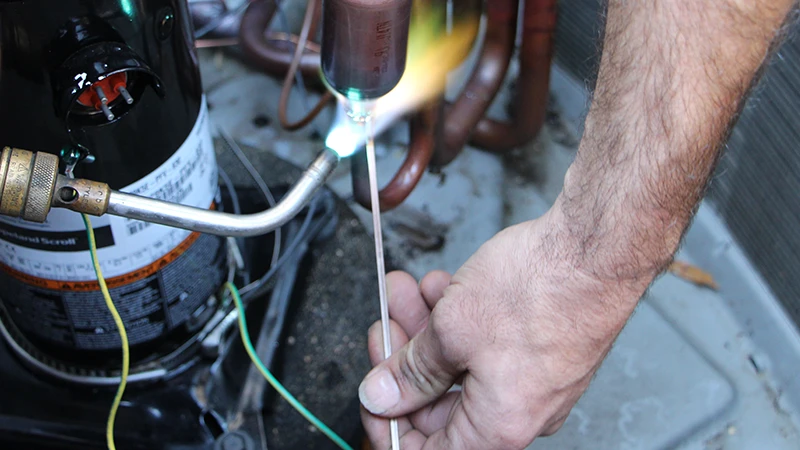
A reputable technician should never quote a price without inspecting the unit first. If a pro gives you a flat rate over the phone or promises to fix it without seeing the problem, walk away. Proper diagnostics involve checking refrigerant levels, testing electrical components, and inspecting the condenser coil. This thorough approach ensures the repair addresses the root cause, not just the symptom.
Choosing the Lowest Bid
Price shopping is smart, but the lowest bid often reflects skipped steps. Cheap repairs might involve reusing old parts, skipping necessary system flushes, or using inferior refrigerants. When comparing quotes, look for details. A higher bid that includes a full system inspection, warranty on parts and labor, and a clear explanation of the issue is usually the safer investment.
Delaying the Service Call
Waiting for a "convenient time" to schedule repairs is a costly mistake. AC systems degrade rapidly when they are running inefficiently. A minor issue like a dirty filter or a loose fan belt can strain the compressor, leading to a catastrophic failure during the hottest part of summer. Early intervention often saves hundreds of dollars in emergency service fees and major component replacements.
Air conditioning repair: what to check next
Before calling a technician, it helps to know what to expect. These answers address the most common concerns homeowners have when their system fails.
No comments yet. Be the first to share your thoughts!