


Why 2026 is a strong year for HVAC apprenticeships
The demand for skilled technicians is driving a hiring surge that makes 2026 a prime entry point for new apprentices. With an aging workforce retiring and new construction projects ramping up, the gap between available jobs and qualified candidates has never been wider. This imbalance gives apprentices significant leverage to negotiate starting wages and secure positions with companies willing to invest in their training.
Entering the field now means you are learning on the job while earning, avoiding the debt trap of four-year degrees. Most programs last four to five years, with wages increasing at regular intervals as you master more complex systems. Whether you are 18 or 47, the trade welcomes career changers who are ready to work hard.
Having the right tools from day one signals professionalism and accelerates your learning curve. The gear you use daily affects your efficiency and safety, making it essential to invest in quality equipment early. Below are the top-rated tools recommended for apprentices starting their journey in 2026.
Essential hand tools for day one
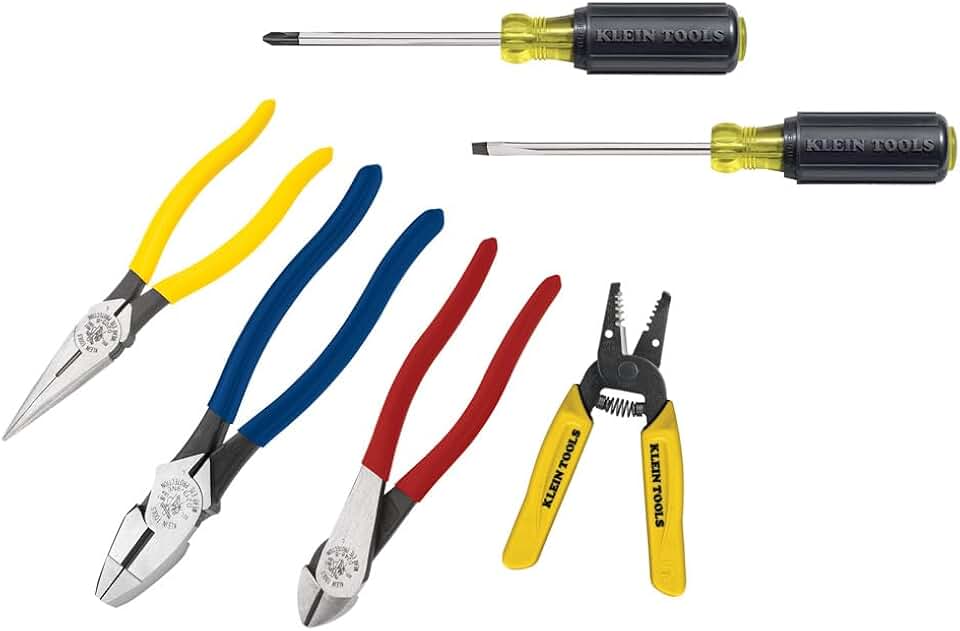
Starting an HVAC apprenticeship means hitting the job site with a specific set of hand tools. Your journey begins with the basics: you will use these items daily to install, service, and maintain heating and cooling systems. While your employer may provide larger power tools, having your own reliable hand tools is standard practice and often a requirement for your first day.
The core of your toolkit revolves around precision and safety. You need a quality set of screwdrivers, pliers, and wrenches to handle everything from electrical connections to refrigerant line assembly. Investing in durable brands now saves you from buying replacements later. Below are the specific products and categories you should look for to build a functional kit.


As an Amazon Associate, we may earn from qualifying purchases.
Safety gear and protective equipment
HVAC work exposes apprentices to electrical hazards, sharp sheet metal, extreme temperatures, and chemical refrigerants. Personal protective equipment (PPE) isn't optional; it's the first line of defense against injury. Every job site has specific requirements, but certain items are non-negotiable for anyone starting their career in heating, air conditioning, and refrigeration.
Essential protective gear for apprentices
Your safety kit needs to cover your hands, eyes, and feet. Heavy-duty gloves protect against cuts and burns while handling copper lines and hot compressors. Safety glasses with side shields guard against flying debris when drilling or cutting. Steel-toed boots provide stability on ladders and protection from falling tools or heavy units.
Beyond the basics, consider hearing protection for noisy rooftop units and respirators when working with asbestos or mold. Always check your employer's safety manual for specific brand recommendations or required certifications before purchasing gear.



As an Amazon Associate, we may earn from qualifying purchases.
Training resources and study aids
Textbooks and online courses form the backbone of an HVAC apprenticeship. While field experience teaches muscle memory and troubleshooting intuition, structured study builds the theoretical foundation required for licensing exams and complex system diagnostics. The best training materials bridge the gap between classroom theory and the tools you’ll use on a job site.
When selecting resources, prioritize those aligned with industry standards like EPA Section 608 certification and NATE (North American Technician Excellence) preparation. A mix of comprehensive textbooks for deep dives and quick-reference guides for daily use ensures you’re prepared for both written exams and practical assessments.
The following resources are widely recommended for apprentices seeking to accelerate their learning curve and master core HVAC/R principles.


As an Amazon Associate, we may earn from qualifying purchases.
Frequently asked questions about HVAC apprenticeships
Choosing a trade career involves practical concerns about time, money, and eligibility. These answers address the most common questions from prospective apprentices to help you evaluate if this path fits your goals.
These questions cover the basics of duration, compensation, and eligibility. If you are ready to start, the right tools are essential for success on the job site.
No comments yet. Be the first to share your thoughts!