

What an HVAC apprenticeship actually is
Most people confuse an HVAC apprenticeship with a trade school program, but the structure is fundamentally different. Instead of paying tuition to sit in a classroom, you get paid to learn. This earn-while-you-learn model removes the debt burden while putting you in the field immediately. You are not just observing; you are working alongside journeyman technicians, handling tools, and solving real problems on day one.
The typical HVAC apprenticeship lasts between four and five years. During this time, you complete a structured blend of on-the-job training and classroom instruction. Most programs require roughly 8,000 to 8,500 hours of field work, paired with about 1,000 to 1,230 hours of related classroom study. This balance ensures you understand the theory behind the systems while mastering the practical skills needed to install and repair them.
This path is distinct from traditional education because it ties your learning directly to your paycheck. You earn a wage that typically increases as you gain hours and complete classroom milestones. By the time you reach journeyman status, you have accumulated thousands of hours of hands-on experience that most trade school graduates simply do not have.
Steps to find and apply for a program
Start an HVAC Apprenticeship works best as a clear sequence: define the constraint, compare the realistic options, test the tradeoff, and choose the path with the fewest hidden costs. That order keeps the advice usable instead of decorative. After each step, pause long enough to check whether the recommendation still fits the reader's actual situation. If it depends on perfect timing, unusual access, or a best-case budget, include a simpler fallback.


What you will learn on the job
Start an HVAC Apprenticeship works best as a clear sequence: define the constraint, compare the realistic options, test the tradeoff, and choose the path with the fewest hidden costs. That order keeps the advice usable instead of decorative. After each step, pause long enough to check whether the recommendation still fits the reader's actual situation. If it depends on perfect timing, unusual access, or a best-case budget, include a simpler fallback.
The simplest way to use this section is to write down the real constraint first, compare each option against it, and choose the path that still works outside ideal conditions.
What to Expect for HVAC Apprenticeship Pay
Many people choose an HVAC apprenticeship because they want a career that grows with them, not one where the salary stays flat for years. The financial reality of this trade is straightforward: you earn more as you learn. Unlike office jobs where pay is often fixed by HR bands, HVAC wages are tied directly to your skill level and the hours you log on the job.
During the first year of your HVAC apprenticeship, you will likely earn a percentage of what a licensed journeyman makes. This is not just a stipend; it is a real wage that increases every six months or year as you complete classroom hours and field work. By the time you finish the program, your hourly rate will have climbed significantly, often surpassing entry-level wages in other trades.
Typical Pay Progression
The table below shows the general pay structure for a standard four-year HVAC apprenticeship. These figures represent the typical hourly wage increases you can expect as you advance through each level.
Journeyman Status and Beyond
Once you complete your apprenticesy and pass your licensing exams, you become a journeyman. This is the point where your earning potential truly expands. Journeyman HVAC technicians often earn between $25 and $35 per hour, depending on your location and the specific systems you specialize in. If you choose to become a master technician or start your own business, the income ceiling moves even higher.
The best part is that these wages are just the starting point. Many technicians add overtime, call-out fees for emergency repairs, and bonuses for certifications in refrigerant handling or commercial systems. If you stick with the trade, the financial stability is one of the most reliable outcomes of an HVAC apprenticeship.
Common mistakes new apprentices make
Starting an HVAC Apprenticeship is a significant career pivot, but the path is littered with avoidable pitfalls. The difference between a technician who climbs the ladder quickly and one who stalls often comes down to daily habits rather than innate talent. By understanding these common errors, you can sidestep the friction that derails many peers in their first year.
Skipping safety protocols
The most dangerous mistake is treating safety guidelines as suggestions. In the field, bypassing lockout/tagout procedures or ignoring proper PPE isn't just a rule violation; it is a direct threat to your life and the lives of your coworkers. Safety is the foundation of every successful trade career, not an afterthought. Never prioritize speed over safety, no matter how experienced the journeyman beside you is.
Poor attendance and reliability
Consistency matters more than brilliance in the early stages. Showing up late, calling out without valid reason, or disappearing for shifts signals unreliability to your employer. An HVAC Apprenticeship is a paid training period where employers invest in your growth; they expect reciprocal commitment. If you miss shifts, you miss critical hands-on hours that cannot be replaced by classroom theory.
Lack of curiosity
Many apprentices fall into the trap of doing only what is explicitly told, waiting to be spoon-fed knowledge. The best learners ask "why" before "how." They watch how experienced technicians troubleshoot complex systems, take notes on diagnostic logic, and volunteer for tasks outside their immediate comfort zone. Curiosity turns routine maintenance into a masterclass in system dynamics.

Keep a dedicated notebook or digital log of every system you work on. Record the model, the problem, and the solution. This builds a personal reference library.
Don't wait for annual reviews. Ask your journeyman for specific feedback after each job. "What could I have done faster?" or "Did I miss a safety step?" shows initiative.
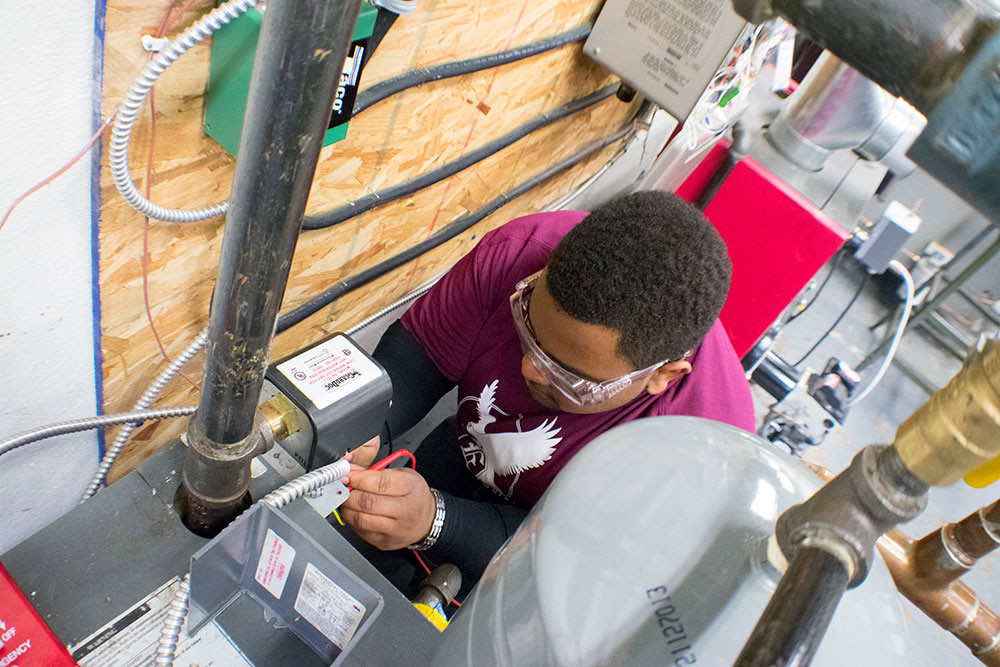
Manufacturer manuals are often thicker than textbooks but contain the exact diagrams and error codes you will face. Familiarize yourself with the specific equipment brands your company services.
Frequently Asked Questions About HVAC Apprenticeship
Starting an HVAC apprenticeship often feels like navigating a maze of requirements and timelines. Below are answers to the most common questions about the path to becoming a certified technician.
These answers address the primary concerns candidates face when considering an HVAC apprenticeship. The path is structured to support learners at any stage of their career journey.
Checklist for starting your HVAC career
Confusion about where to begin often stalls momentum. Use this list to organize your immediate next steps toward an HVAC Apprenticeship.
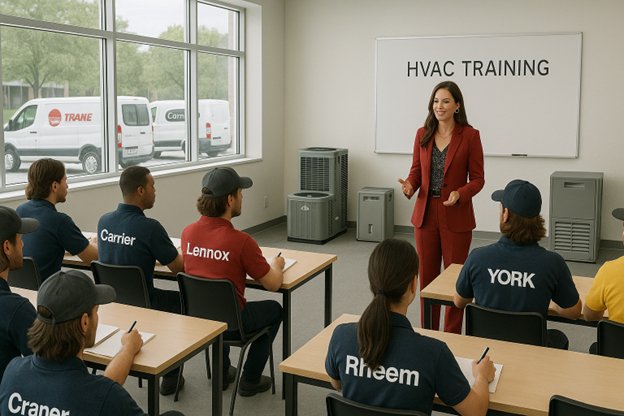
Completing these items puts you in a position to secure training hours and begin your career.
Quick checklist
-
Match the sizeMake sure the HVAC Apprenticeship option fits your household, storage space, and normal batch size.
-
Check the materialChoose a material that handles heat, washing, and regular use without becoming a chore.
-
Plan the cleanupAvoid anything that needs more maintenance than you are likely to give it.
-
Keep one fallbackHave a simple backup option for rushed days.
No comments yet. Be the first to share your thoughts!